If you’re looking for the best motion platforms for VR flight sims in 2026, I recommend the Next Level Racing Motion Platform v3 for precision, the DOF Reality H3 with 3 axes for immersive movement, Njmotion’s versatile platform for both racing and flying, the affordable DOF Reality H2 for expanding realism, and the Platform MS2P for easy setup with PlaySeat. Each offers unique features to boost your experience. If you keep exploring, you’ll uncover even more options to enhance your simulation setup.
Key Takeaways
- Next Level Racing Motion Platform v3 offers precise, quiet operation with advanced software, ideal for professional VR flight sims.
- DOF Reality H3 provides full-platform movement with 3 DOF, enhancing immersion for drifting and flight experiences.
- Njmotion’s versatile platform supports both racing and flight sims, with easy setup and seamless integration for home use.
- DOF Reality H2 offers 2 DOF with upgrade options, fitting well into compact home setups for realistic flight simulation.
- Platform MS2P is designed for PlaySeat cockpits, supporting pitch and roll with quick installation for affordable VR flight immersion.
| Next Level Racing Motion Platform v3 (NLR-M001V3) | 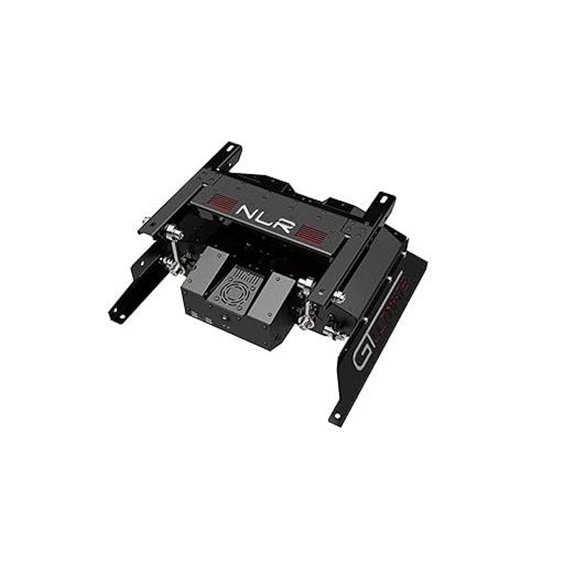 | Professional Grade | Compatibility: PC, VR, Flight & Racing Titles | Degrees of Freedom: 3-6 DOF (Pitch, Roll, Yaw, Traction Loss) | Size/Design: Compact, Fits Cockpit | VIEW LATEST PRICE | See Our Full Breakdown |
| DOF Reality H3 Motion Simulator Platform with 3 Axes |  | Immersive 3-Axes | Compatibility: PC, Consoles, VR, 100+ Games | Degrees of Freedom: 3 DOF (Pitch, Roll, Yaw) | Size/Design: Compact, Home Use | VIEW LATEST PRICE | See Our Full Breakdown |
| Njmotion Racing & Flight Motion Simulator Platform | 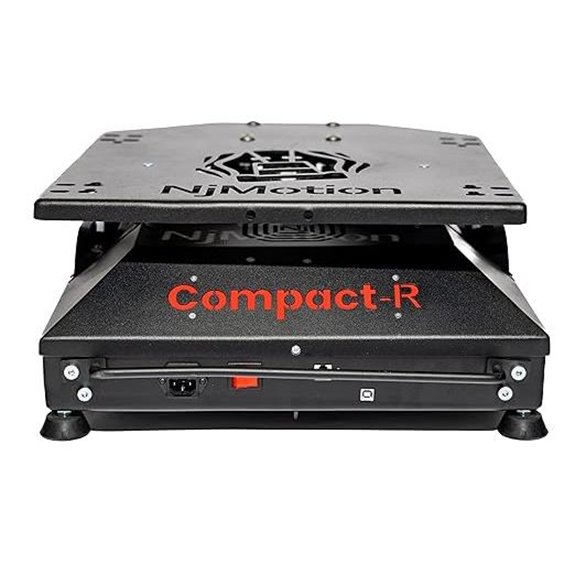 | Versatile Compact | Compatibility: PC, Cockpits, Bases | Degrees of Freedom: Racing & Flight, unspecified but supports motion control | Size/Design: Compact, Easy Setup | VIEW LATEST PRICE | See Our Full Breakdown |
| DOF Reality H2 Full Motion Simulator Platform | 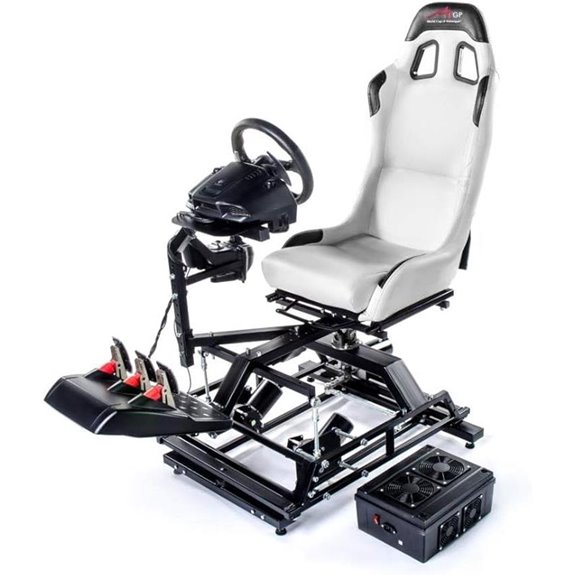 | Upgradeable Performance | Compatibility: PC, Consoles, VR, 100+ Games | Degrees of Freedom: 2-3 DOF (Pitch, Roll, Yaw upgrade) | Size/Design: Compact, Home Use | VIEW LATEST PRICE | See Our Full Breakdown |
| Platform MS2P for PlaySeat Flight & Racing Cockpit | 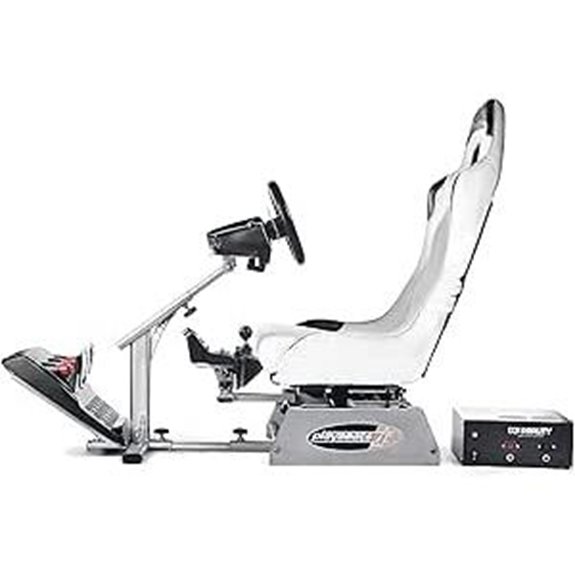 | Budget Integration | Compatibility: PC, Consoles, VR, 100+ Games | Degrees of Freedom: 2 DOF (Pitch, Roll) | Size/Design: Space-efficient, Under PlaySeat | VIEW LATEST PRICE | See Our Full Breakdown |
More Details on Our Top Picks
Next Level Racing Motion Platform v3 (NLR-M001V3)
If you’re serious about VR flight simulation and need a platform that delivers smooth, realistic motion without taking up too much space, the Next Level Racing Motion Platform v3 is an excellent choice. Made in Europe, it’s compact and designed with professional input, fitting seamlessly into your cockpit. It supports users up to 130 kg and features quiet operation thanks to acoustical panels. With ±10° movement, speeds up to 20°/s, and advanced software, it provides immersive, high-quality motion. Built-in cooling and safety systems ensure reliability during long sessions, making it ideal for both enthusiasts and professionals seeking precision and durability.
- Compatibility:PC, VR, Flight & Racing Titles
- Degrees of Freedom:3-6 DOF (Pitch, Roll, Yaw, Traction Loss)
- Size/Design:Compact, Fits Cockpit
- Motion Range:±10°, 20°/s, 360°/s²
- Noise Level:Quiet, acoustical panels
- Power & Cooling:Built-in power, active cooling, PFC
- Additional Feature:Acoustical noise reduction panels
- Additional Feature:Supports users up to 130 kg
- Additional Feature:Built-in VR Headway technology
DOF Reality H3 Motion Simulator Platform with 3 Axes
The DOF Reality H3 Motion Simulator Platform with 3 Axes stands out for its full-platform movement that includes the seat, steering wheel, joystick, and pedals, delivering a highly immersive drifting sensation. Its three degrees of freedom—Pitch, Roll, and Rear Traction Loss—simulate realistic drifting and turning experiences. Unlike some competitors, it moves the entire platform, not just the seat, enhancing immersion. Compatible with PC and consoles, it supports over 100 games and is fully VR-ready. Its compact, quiet design makes it perfect for home use without needing extra space. This platform offers excellent value, blending affordability with high performance for flight and racing enthusiasts.
- Compatibility:PC, Consoles, VR, 100+ Games
- Degrees of Freedom:3 DOF (Pitch, Roll, Yaw)
- Size/Design:Compact, Home Use
- Motion Range:Full platform movement, realistic drifting
- Noise Level:Quiet, no disturbance
- Power & Cooling:Not specified
- Additional Feature:Moves entire platform including controls
- Additional Feature:Fully VR-compatible support
- Additional Feature:Compact, quiet design
Njmotion Racing & Flight Motion Simulator Platform
The Njmotion Racing & Flight Motion Simulator Platform stands out for its versatility, making it an ideal choice for anyone seeking an immersive experience in both racing and flight simulations. Its compact design with a Base and Potentiometer Out allows precise control over movement speed and velocity, enhancing realism. Compatible with PC Windows and all cockpits and bases, it offers seamless integration. Setup is straightforward, so you can get started quickly. Whether you’re racing or flying, this platform adapts effortlessly to your needs, delivering smooth, responsive motion that elevates your VR experience. It’s a flexible, user-friendly option for serious simulation enthusiasts.
- Compatibility:PC, Cockpits, Bases
- Degrees of Freedom:Racing & Flight, unspecified but supports motion control
- Size/Design:Compact, Easy Setup
- Motion Range:Not specified, general motion capability
- Noise Level:Not specified, implied suitable for home
- Power & Cooling:Not specified
- Additional Feature:Potentiometer control for adjustments
- Additional Feature:Easy hardware/software setup
- Additional Feature:Versatile for both racing and flight
DOF Reality H2 Full Motion Simulator Platform
For home VR flight sim enthusiasts seeking an immersive experience without breaking the bank, the DOF Reality H2 offers a compelling option. It features 2 DOF—Pitch and Roll—with an upgrade path to 3 DOF by adding rear traction loss for Yaw. Unlike many competitors, it moves the entire platform, including the steering wheel, joystick, and pedals, delivering a more realistic sensation. Compact and quiet, it fits easily into a home setup without noise or space concerns. Compatible with PC and consoles, it supports over 100 games and VR systems. Its combination of performance, affordability, and expandability makes it an excellent choice for flight sim enthusiasts.
- Compatibility:PC, Consoles, VR, 100+ Games
- Degrees of Freedom:2-3 DOF (Pitch, Roll, Yaw upgrade)
- Size/Design:Compact, Home Use
- Motion Range:2-3 DOF, full platform movement
- Noise Level:Quiet, no disturbance
- Power & Cooling:Not specified
- Additional Feature:Upgradeable to 3 DOF
- Additional Feature:Moves whole platform including controls
- Additional Feature:Compatible with over 100 games
Platform MS2P for PlaySeat Flight & Racing Cockpit
If you’re looking to upgrade your VR flight or racing setup without breaking the bank, the MS2P platform for PlaySeat offers an excellent solution. It’s designed for PlaySeat cockpits, supporting two-axis movements—pitch and roll—adding realism to your simulations. Compatible with over 100 games on PC and consoles, plus VR headsets, it’s highly versatile. Installation is quick and straightforward, fitting under your existing seat without needing extra space. Its compact, quiet design makes it perfect for home use. Best of all, it provides high-quality motion simulation at an affordable price, giving you immersive experience without the hefty cost.
- Compatibility:PC, Consoles, VR, 100+ Games
- Degrees of Freedom:2 DOF (Pitch, Roll)
- Size/Design:Space-efficient, Under PlaySeat
- Motion Range:Pitch & Roll, no angular limits specified
- Noise Level:Quiet, minimal disturbance
- Power & Cooling:Not specified
- Additional Feature:Quick under-seat installation
- Additional Feature:Space-efficient, no dedicated room
- Additional Feature:Fully compatible with VR headsets
Factors to Consider When Choosing a Motion Platform for VR Flight Sim

When selecting a motion platform for your VR flight sim, I consider several key factors to guarantee it fits my needs. Things like motion range, compatibility with my VR gear, and space requirements really influence my choice. I also keep an eye on noise levels, vibration, and overall cost to find the best balance of performance and value.
Motion Range and Fidelity
Choosing a motion platform for VR flight simulation hinges largely on its motion range and fidelity, as these factors directly influence how realistic and immersive the experience feels. A wider motion range, like ±10°, allows the platform to mimic real aircraft movements more convincingly, enhancing immersion during maneuvers or turbulence. High-fidelity platforms offer precise cueing profiles and software integration, accurately replicating pitch, roll, and yaw. The maximum angular displacement impacts how believable altitude changes and atmospheric effects seem, with larger angles boosting realism. Additionally, faster movement speeds and higher acceleration capabilities create smoother, more convincing sensations. To maximize immersion, these motions should be synchronized with visual cues, ensuring seamless integration and preventing motion sickness. Ultimately, motion range and fidelity are key to elevating your VR flight experience.
Compatibility With VR Gear
Selecting a motion platform that works seamlessly with your VR gear is vital for an immersive flight simulation experience. I look for platforms that explicitly state VR compatibility to guarantee smooth integration with my headset. It’s important they support VR headway technology or similar features that boost immersion. I also verify if the platform offers software that easily synchronizes with VR applications, providing real-time, synchronized movement. Checking connection options like USB or other compatible interfaces is essential for quick, reliable communication with my VR system. Additionally, full platform movement capabilities are a must—they deliver more realistic, immersive experiences when paired with VR gear. Ensuring these compatibility factors helps maximize immersion and minimizes technical hiccups, making my virtual flights feel more authentic.
Space and Setup Needs
Ensuring the motion platform fits well into my available space is essential for a smooth VR flight simulation experience. I measure the area carefully to make sure the platform won’t obstruct movement or access. It’s important to consider the footprint and whether it needs extra space for safe operation during full motion range. I also check the height and clearance to avoid interference with ceilings, furniture, or other equipment. When setting up, I evaluate how easily the platform integrates with my existing VR gear and cockpit setup for a seamless installation. Additionally, I think about storage and transport—choosing a size and design that allows me to easily store or move the platform when not in use. Proper planning ensures a safe, hassle-free setup that enhances my VR flight experience.
Noise and Vibration Levels
When setting up a VR flight simulator, paying attention to noise and vibration levels can make a noticeable difference in the overall experience. Quiet platforms enhance immersion by preventing distractions and creating a more realistic environment. Using soundproofing materials like acoustic panels can cut down operational noise, making long sessions more comfortable. Advanced motor technology and vibration dampening features are common in quieter models, reducing unwanted vibrations and sounds. Excessive noise or vibrations might signal mechanical issues or lower-quality components, which can affect performance and durability. Minimizing these factors not only improves comfort but also boosts realism, ensuring that every flight feels authentic. Ultimately, choosing a platform with low noise and vibration levels is essential for maintaining immersion and enjoying a seamless VR flight simulation.
Budget and Cost Effectiveness
Balancing cost and performance is essential when choosing a VR flight simulator motion platform, as it directly impacts the overall value of your setup. You should consider the total cost relative to your budget, ensuring you get features and performance that match what you pay for. Comparing the price-to-performance ratio helps you maximize functionality without overspending. Keep in mind that cheaper platforms might have fewer degrees of freedom or limited movement ranges, which can reduce realism. Don’t forget to factor in additional costs like compatible hardware, software, and accessories that enhance your experience. Choosing a platform with upgrade options or multi-game compatibility can provide greater long-term value, allowing you to adapt and expand your setup without frequent replacements.
Frequently Asked Questions
How Do Motion Platforms Impact VR Flight Simulation Realism?
Motion platforms considerably boost VR flight simulation realism by providing physical feedback that matches the virtual environment. When I use one, I feel every pitch, roll, and turbulence, which immerses me more deeply. These movements sync with the visuals, making the experience convincing and thrilling. Without a motion platform, VR can feel flat or disconnected, but with one, I get a truly lifelike sensation that enhances my training and enjoyment.
What Safety Features Are Essential in VR Motion Platforms?
Safety features are vital in VR motion platforms. I always look for emergency stop buttons, sturdy harnesses, and non-slip surfaces to prevent accidents. Additionally, sensors that detect user imbalance or sudden movements help guarantee safety. Proper weight capacity and secure mounting are essential, and I prefer platforms with built-in safety protocols. These features give me peace of mind and allow me to focus on the immersive experience without worries.
Can Existing VR Setups Be Upgraded With Different Motion Platforms?
You bet, existing VR setups can often be upgraded with different motion platforms. I’ve found that many platforms are designed for compatibility, making it easier to enhance immersion without starting from scratch. Just keep in mind, you might need to check for specific mounting options and power requirements. As they say, a little elbow grease and research go a long way in making your VR experience truly extraordinary.
What Maintenance Is Required for Long-Term Platform Performance?
To keep your motion platform performing well long-term, I recommend regular inspections of all moving parts for wear or damage. Keep the system clean and free of dust, and lubricate joints as needed. Check the software updates to guarantee ideal functionality. I also suggest calibrating the platform periodically to maintain accuracy. Proper maintenance prolongs the life of your platform and guarantees a smooth, immersive VR flight experience.
How Do Noise Levels Vary Across Different Motion Platform Models?
Noise levels vary quite a bit across different motion platform models. Some are engineered with sound-dampening features, making them quieter and more suitable for home use, while others tend to be louder due to their motors and mechanics. I’ve found that air suspension and brushless motors generally produce less noise, so I look for those options to guarantee a more immersive and less disruptive VR flight sim experience.
Conclusion
Choosing the right motion platform is like selecting the perfect wings for my virtual journey—each one lifts my experience higher, immersing me deeper into the skies. Whether it’s the sturdy NLR v3 or the agile DOF Reality H3, each symbolizes a new horizon of realism and thrill. When I find the one that resonates with my flying dreams, I’m not just playing; I’m soaring through endless possibilities. Your ideal platform awaits—let it be your wings.