If you’re looking for the best GPUs for seamless VR in prebuilt PCs, I recommend considering options like the NVIDIA GeForce RTX 5070, RTX 5060 Ti, and RTX 4060 Ti, which offer high VRAM and excellent performance. Budget-friendly yet reliable choices include the GTX 1060 6GB and RTX 3050. Many prebuilt systems, like CyberPower and ViprTech, pair these GPUs with powerful CPUs for ideal VR experiences. Keep exploring to find out which setup fits your needs best.
Key Takeaways
- High-end GPUs like NVIDIA RTX 5070 and RTX 5060 Ti offer superior VR performance with ample VRAM and low latency.
- Prebuilt systems such as CyberPowerPC Gamer Xtreme and ViprTech Reaper feature VR-certified GPUs for seamless gameplay.
- 12GB to 16GB VRAM GPUs ensure detailed visuals and smooth rendering for demanding VR titles.
- Dual HDMI and DisplayPort outputs support multiple VR headsets and multi-monitor setups.
- Adequate power supplies and advanced cooling are essential for maintaining stability during extended VR sessions.
| CyberPower Gamer Xtreme VR PC with Intel i9 & RTX 5070 |  | High-Performance Powerhouse | CPU Type: Intel Core i9-14900KF | GPU Model: NVIDIA GeForce RTX 5070 | RAM Size: 32GB DDR5 | VIEW LATEST PRICE | See Our Full Breakdown |
| CyberPowerPC Gamer Xtreme VR Gaming PC |  | Top-tier Gaming | CPU Type: Intel Core i7-14700F | GPU Model: NVIDIA GeForce RTX 5060 Ti | RAM Size: 16GB DDR5 | VIEW LATEST PRICE | See Our Full Breakdown |
| CyberPowerPC Gamer Xtreme VR Gaming PC | 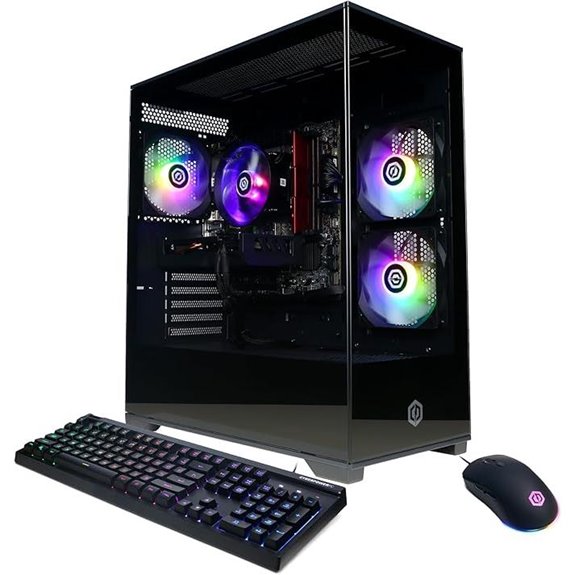 | Budget-Conscious Choice | CPU Type: Intel Core i5-13400F | GPU Model: NVIDIA GeForce RTX 5060 | RAM Size: 16GB DDR5 | VIEW LATEST PRICE | See Our Full Breakdown |
| NOVATECH Prism Gaming PC with RTX 3050 and i7 | 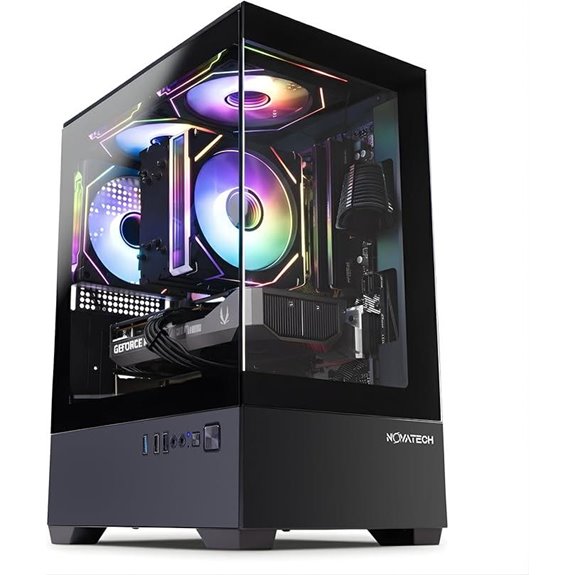 | Compact & Stylish | CPU Type: Intel Xeon E3 V6 (i7-processor variant) | GPU Model: NVIDIA GeForce RTX 3050 | RAM Size: 16GB DDR4 | VIEW LATEST PRICE | See Our Full Breakdown |
| CyberPowerPC Gamer Xtreme VR Gaming PC |  | Extreme Gaming Ready | CPU Type: Intel Core Ultra 5 225F | GPU Model: NVIDIA GeForce RTX 5060 Ti | RAM Size: 16GB DDR5 | VIEW LATEST PRICE | See Our Full Breakdown |
| ViprTech Ghost 4.0 Gaming PC with RTX 5060 Ti | 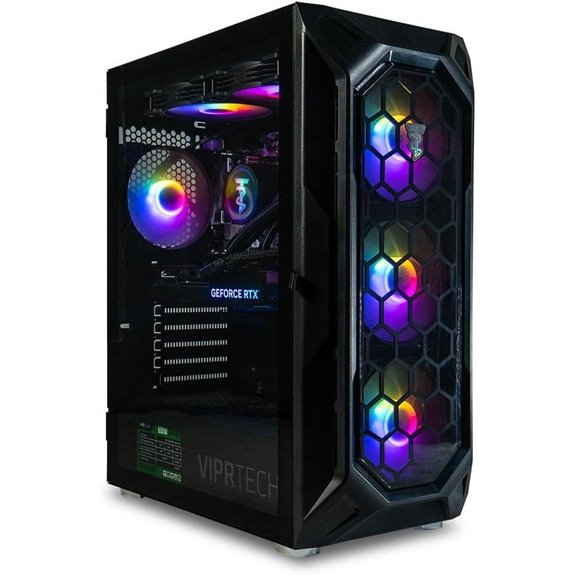 | VR-Optimized | CPU Type: AMD Ryzen 7 3700X | GPU Model: RTX 5060 Ti | RAM Size: 16GB DDR4 | VIEW LATEST PRICE | See Our Full Breakdown |
| CyberPowerPC Gamer Xtreme VR Gaming PC |  | Mid-Range Excellence | CPU Type: Intel Core i7-13700F | GPU Model: NVIDIA GeForce RTX 4060 Ti | RAM Size: 16GB DDR5 | VIEW LATEST PRICE | See Our Full Breakdown |
| GTX 1060 6GB Gaming Graphics Card with Dual Fans | 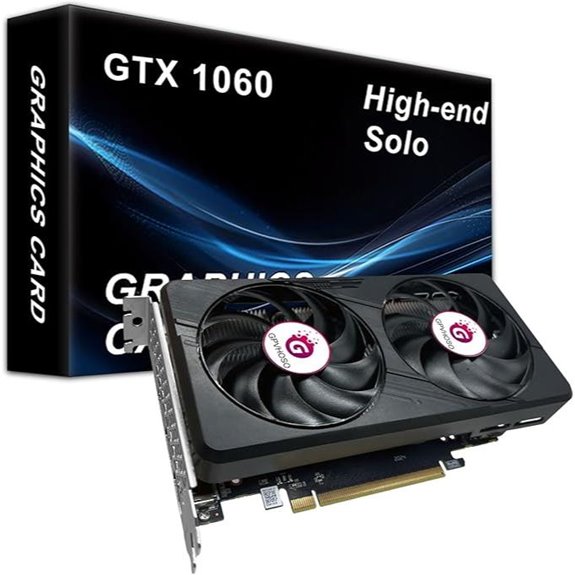 | Affordable Quality | CPU Type: GTX 1060 6GB (Note: GPU info, CPU varies) | GPU Model: GTX 1060 6GB | RAM Size: 16GB DDR3/DDR4 (not specified) | VIEW LATEST PRICE | See Our Full Breakdown |
| NOVATECH Prism Gaming PC with Radeon RX580 |  | Reliable & Sturdy | CPU Type: Intel Xeon E3 V6 (i7-variant) | GPU Model: AMD RX580 | RAM Size: 16GB DDR4 | VIEW LATEST PRICE | See Our Full Breakdown |
| ViprTech Reaper 2.0 Gaming PC with Ryzen 7 | 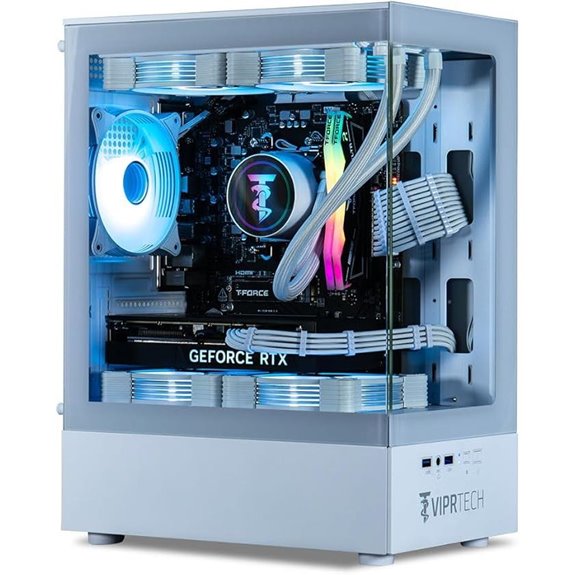 | Premium Performance | CPU Type: AMD Ryzen 7 8700F | GPU Model: RTX 5060 Ti | RAM Size: 16GB DDR5 | VIEW LATEST PRICE | See Our Full Breakdown |
| ViprTech Reaper 2.5 Gaming PC with Ryzen 7 8700F | 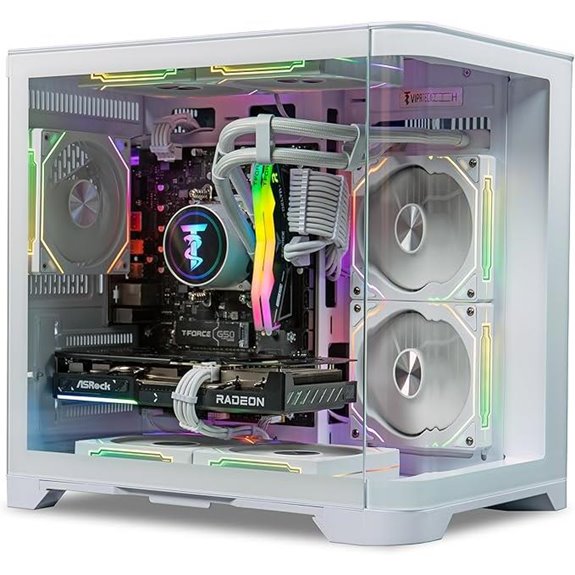 | Eye-Catching Design | CPU Type: AMD Ryzen 7 8700F | GPU Model: NVIDIA RTX 5060 Ti | RAM Size: 16GB DDR5 | VIEW LATEST PRICE | See Our Full Breakdown |
| CyberPowerPC Gamer Xtreme VR Gaming PC | 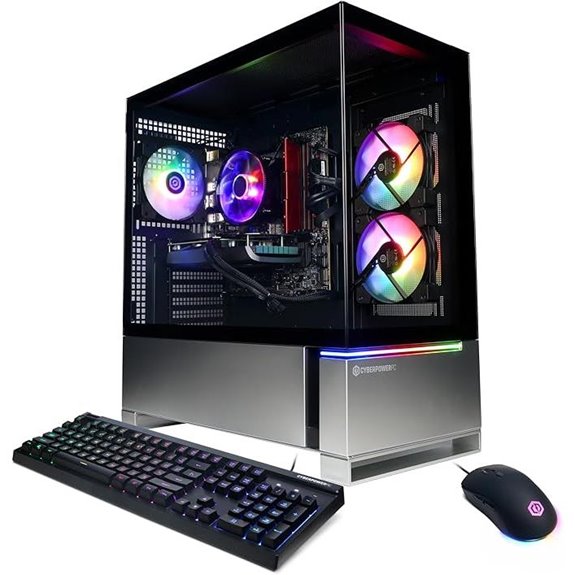 | Future-Proof Build | CPU Type: Intel Core i5-13400F | GPU Model: NVIDIA GeForce RTX 4060 | RAM Size: 16GB DDR5 | VIEW LATEST PRICE | See Our Full Breakdown |
| Gaming PC Desktop with Ryzen 7 RTX 5060 32GB RAM | 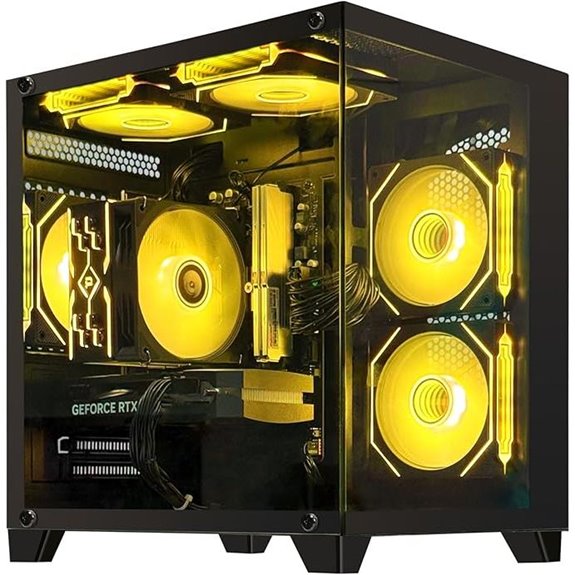 | Versatile & Fast | CPU Type: AMD Ryzen 7 5700X | GPU Model: RTX 5060 8GB | RAM Size: 32GB DDR4 | VIEW LATEST PRICE | See Our Full Breakdown |
| Prebuilt Gaming PC with AMD R5 9600X & RTX 5060 |  | High-Speed Efficiency | CPU Type: AMD R5 9600X | GPU Model: RTX 5060 8GB | RAM Size: 32GB DDR5 | VIEW LATEST PRICE | See Our Full Breakdown |
| ViprTech Ghost Gaming PC with RTX 3060 and Ryzen 5 | 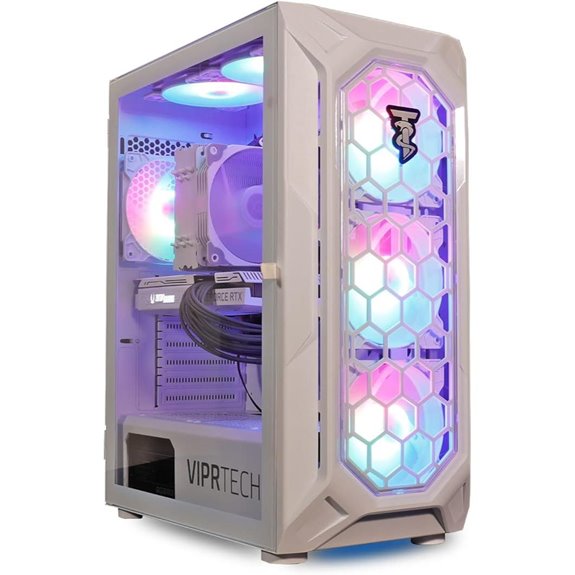 | Stylish & Powerful | CPU Type: AMD Ryzen 5 5600 | GPU Model: RTX 3060 12GB | RAM Size: 16GB DDR4 | VIEW LATEST PRICE | See Our Full Breakdown |
More Details on Our Top Picks
CyberPower Gamer Xtreme VR PC with Intel i9 & RTX 5070
If you’re serious about immersive VR gaming, the CyberPower Gamer Xtreme VR PC with an Intel i9 and RTX 5070 is an excellent choice. Its Intel Core i9-14900KF processor with 24 cores guarantees smooth, high-performance gameplay. Paired with 32GB of DDR5 RAM, multitasking and demanding applications are no problem. The NVIDIA GeForce RTX 5070 with 12GB of VRAM delivers stunning visuals and seamless rendering. Storage is ample with a 2TB PCIe 4.0 NVMe SSD, and multiple display outputs support immersive setups. Plus, features like liquid cooling, customizable RGB lighting, and solid connectivity make it a powerful, reliable option for any serious VR enthusiast.
- CPU Type:Intel Core i9-14900KF
- GPU Model:NVIDIA GeForce RTX 5070
- RAM Size:32GB DDR5
- Storage Capacity:2TB PCIe 4.0 NVMe SSD
- Operating System:Windows 11 Home
- Warranty Period:1-year parts/labor
- Additional Feature:Custom RGB lighting
- Additional Feature:Liquid-cooled CPU
- Additional Feature:Tempered side panel
CyberPowerPC Gamer Xtreme VR Gaming PC
Looking for a prebuilt PC that can handle demanding VR experiences without breaking a sweat? The CyberPowerPC Gamer Xtreme VR Gaming PC fits the bill perfectly. It packs an Intel Core i7-14700F with 20 cores, a powerful NVIDIA GeForce RTX 5060 Ti 16GB graphics card, and 16GB DDR5 RAM at 6000 MHz. The system also features a 1TB PCIe 4.0 SSD for fast load times, WiFi 6, Bluetooth 5.3, multiple USB ports, and Windows 11. Designed for high-performance gaming and multimedia, it’s highly rated for customer satisfaction and offers a solid balance of power and connectivity, making it an excellent choice for immersive VR gaming.
- CPU Type:Intel Core i7-14700F
- GPU Model:NVIDIA GeForce RTX 5060 Ti
- RAM Size:16GB DDR5
- Storage Capacity:1TB PCIe 4.0 NVMe SSD
- Operating System:Windows 11 Home
- Warranty Period:1-year parts/labor
- Additional Feature:Supports high-resolution gaming
- Additional Feature:Free lifetime tech support
- Additional Feature:Tempered side case panel
CyberPowerPC Gamer Xtreme VR Gaming PC
The CyberPowerPC Gamer Xtreme VR Gaming PC stands out as an excellent choice for gamers seeking a balanced system capable of handling demanding VR experiences. It features an Intel Core i5-13400F processor with 10 cores, paired with 16GB of DDR5 RAM and a speedy 1TB PCIe 4.0 NVMe SSD. The NVIDIA GeForce RTX 5060 8GB GPU delivers solid graphics performance, supporting immersive VR gameplay. Connectivity options like WiFi 6, Bluetooth 5.3, and multiple USB ports ensure seamless peripherals integration. Plus, its stylish tempered glass side panel, custom RGB lighting, and included Windows 11 make it a compelling prebuilt option for VR enthusiasts.
- CPU Type:Intel Core i5-13400F
- GPU Model:NVIDIA GeForce RTX 5060
- RAM Size:16GB DDR5
- Storage Capacity:1TB PCIe 4.0 NVMe SSD
- Operating System:Windows 11 Home
- Warranty Period:1-year parts/labor
- Additional Feature:Windows 11 Home OS
- Additional Feature:Custom RGB lighting
- Additional Feature:Tempered side case panel
NOVATECH Prism Gaming PC with RTX 3050 and i7
The NOVATECH Prism Gaming PC with RTX 3050 and i7 serves gamers seeking a reliable prebuilt system capable of delivering smooth VR experiences at an affordable price. Its NVIDIA GeForce RTX 3050 with 6GB VRAM handles VR titles and high-resolution gaming effortlessly, supporting up to 4K resolution. Powered by an Intel Xeon E3 V6 processor at 3.5GHz and 16GB DDR4 RAM, it ensures fast multitasking and seamless gameplay. The 512GB NVMe SSD provides quick load times and ample storage. Running Windows 11 Pro, it features vibrant RGB fans, modern design, and solid connectivity options, making it a versatile choice for immersive VR gaming.
- CPU Type:Intel Xeon E3 V6 (i7-processor variant)
- GPU Model:NVIDIA GeForce RTX 3050
- RAM Size:16GB DDR4
- Storage Capacity:512GB SSD
- Operating System:Windows 11 Pro
- Warranty Period:1-year parts/labor
- Additional Feature:Modern black tower
- Additional Feature:RGB fans included
- Additional Feature:Windows 11 Pro
CyberPowerPC Gamer Xtreme VR Gaming PC
If you’re seeking a prebuilt PC that delivers solid VR performance without the hassle of building your own, the CyberPowerPC Gamer Xtreme VR Gaming PC fits the bill. It features an Intel Core Ultra 5 225F processor with 10 cores and 16GB of DDR5 RAM, ensuring smooth multitasking. The 2TB PCIe 4.0 NVMe SSD offers fast load times and ample storage. Its NVIDIA GeForce RTX 5060 Ti 8GB graphics card provides excellent VR rendering, supported by HDMI and DisplayPort outputs. With WiFi 6, Bluetooth 5.3, and Windows 11, plus a tempered side panel, RGB lighting, and included peripherals, it’s a well-rounded choice for immersive VR gaming.
- CPU Type:Intel Core Ultra 5 225F
- GPU Model:NVIDIA GeForce RTX 5060 Ti
- RAM Size:16GB DDR5
- Storage Capacity:2TB PCIe 4.0 NVMe SSD
- Operating System:Windows 11 Home
- Warranty Period:1-year parts/labor
- Additional Feature:Tempered side panel
- Additional Feature:Custom RGB lighting
- Additional Feature:Included keyboard/mouse
ViprTech Ghost 4.0 Gaming PC with RTX 5060 Ti
Gamers and content creators seeking a powerful VR experience will appreciate the ViprTech Ghost 4.0 Gaming PC with RTX 5060 Ti, which combines high-end components and sleek design to deliver smooth, immersive virtual reality gameplay. It’s powered by an AMD Ryzen 7 3700X processor, 16GB DDR4 RAM, and a dedicated RTX 5060 Ti 8GB graphics card, ensuring high frame rates and stunning visuals. The system includes a 1TB NVMe SSD for fast load times, RGB liquid cooling for ideal temperatures, and a stylish case with customizable lighting. Hand-built in the USA and extensively stress-tested, it offers reliable performance and future expandability for demanding VR applications.
- CPU Type:AMD Ryzen 7 3700X
- GPU Model:RTX 5060 Ti
- RAM Size:16GB DDR4
- Storage Capacity:1TB NVMe SSD
- Operating System:Windows 11 Pro
- Warranty Period:1-year parts/labor
- Additional Feature:RGB liquid cooling
- Additional Feature:Hand-built in USA
- Additional Feature:Stylish RGB lighting
CyberPowerPC Gamer Xtreme VR Gaming PC
For anyone seeking a prebuilt VR gaming PC that combines powerful performance with user-friendly features, the CyberPowerPC Gamer Xtreme VR Gaming PC stands out. It packs an Intel Core i7-13700F processor with 16 cores, ensuring smooth multitasking and gaming. The 16GB DDR5 RAM and 1TB PCIe Gen4 NVMe SSD deliver fast load times and ample storage. The NVIDIA GeForce RTX 4060 Ti 16GB provides stunning visuals and solid VR performance. Connectivity options include HDMI, DisplayPort, multiple USB ports, and Wi-Fi. Plus, it features a tempered glass side panel, customizable RGB lighting, Windows 11, and a 1-year warranty, making it a versatile choice for immersive VR gaming.
- CPU Type:Intel Core i7-13700F
- GPU Model:NVIDIA GeForce RTX 4060 Ti
- RAM Size:16GB DDR5
- Storage Capacity:1TB PCIe SSD
- Operating System:Windows 11 Home
- Warranty Period:1-year parts/labor
- Additional Feature:7-color RGB lighting
- Additional Feature:Tempered glass side
- Additional Feature:Custom gaming mouse
GTX 1060 6GB Gaming Graphics Card with Dual Fans
The GTX 1060 6GB Gaming Graphics Card with Dual Fans stands out as an excellent choice for gamers seeking reliable VR performance in a prebuilt PC. It delivers solid gaming and graphics performance with high clock speeds, CUDA cores, and 6GB GDDR5 memory, supporting DirectX 12, PCIe 3.0, and VR technologies. The dual fans and optimized thermal design keep the GPU cool during intense sessions, ensuring stable performance and longevity. With multiple connectivity options like HDMI and DisplayPort, it supports multi-monitor setups and VR device connections. Just remember to have a 400W power supply and a 6-pin cable for proper installation and smooth VR experiences.
- CPU Type:GTX 1060 6GB (Note: GPU info, CPU varies)
- GPU Model:GTX 1060 6GB
- RAM Size:16GB DDR3/DDR4 (not specified)
- Storage Capacity:512GB SSD
- Operating System:Windows 10/11 (not specified, likely Windows 11)
- Warranty Period:1-year parts/labor
- Additional Feature:Dual fan cooling
- Additional Feature:VR-Ready support
- Additional Feature:PCIe 3.0 support
NOVATECH Prism Gaming PC with Radeon RX580
If you’re looking for a reliable prebuilt PC that balances performance and style, the NOVATECH Prism Gaming PC with Radeon RX580 is an excellent choice. It’s powered by an Intel Xeon E3 V6 i7 CPU running at 3.5GHz, with 16GB DDR4 RAM to handle multitasking and demanding apps smoothly. The 512GB M.2 SSD delivers quick load times and ample storage, all running on Windows 11 Pro. Its AMD RX580 graphics card guarantees smooth visuals, supporting 1080p gaming and streaming at 4K. Encased in a stylish tower with vibrant RGB fans, it’s perfect for everyday gamers seeking high performance and modern aesthetics.
- CPU Type:Intel Xeon E3 V6 (i7-variant)
- GPU Model:AMD RX580
- RAM Size:16GB DDR4
- Storage Capacity:512GB M.2 SSD
- Operating System:Windows 11 Pro
- Warranty Period:1-year parts/labor
- Additional Feature:Vibrant RGB fans
- Additional Feature:High-quality PC tower
- Additional Feature:Stylish visual design
ViprTech Reaper 2.0 Gaming PC with Ryzen 7
The ViprTech Reaper 2.0 Gaming PC with Ryzen 7 stands out as an excellent choice for gamers and content creators seeking high-performance VR capabilities, thanks to its powerful AMD Ryzen 7 8700F processor and NVIDIA GeForce RTX 5060 Ti 16GB graphics card. It’s built for speed and reliability, with 16GB DDR5 RAM, a 1TB NVMe SSD, and liquid cooling for ideal thermal performance. The sleek white case features RGB lighting controls for customization, and the system is VR-ready, supporting high FPS, 4K gaming, streaming, and editing. Handcrafted in the USA and backed by a 1-year warranty, it’s a versatile, high-quality prebuilt option.
- CPU Type:AMD Ryzen 7 8700F
- GPU Model:RTX 5060 Ti
- RAM Size:16GB DDR5
- Storage Capacity:1TB NVMe SSD
- Operating System:Windows 11 Pro
- Warranty Period:1-year parts/labor
- Additional Feature:RGB lighting controls
- Additional Feature:Hand-built in USA
- Additional Feature:600W gold power supply
ViprTech Reaper 2.5 Gaming PC with Ryzen 7 8700F
For gamers and VR enthusiasts seeking a high-performance prebuilt PC that handles demanding virtual reality experiences with ease, the ViprTech Reaper 2.5 stands out thanks to its powerful AMD Ryzen 7 8700F processor and AMD RX 9060 XT graphics card. The system boasts 16GB DDR5 RAM, a 1TB NVMe SSD, and an 800W Gold-rated power supply, ensuring fast performance and reliable power delivery. Its white fishtank case with RGB lighting is both stylish and customizable, while the liquid cooling keeps thermals in check during intensive VR sessions. Preloaded with Windows 11 Pro and built in the USA, it offers a seamless, visually striking VR-ready experience.
- CPU Type:AMD Ryzen 7 8700F
- GPU Model:NVIDIA RTX 5060 Ti
- RAM Size:16GB DDR5
- Storage Capacity:1TB NVMe SSD
- Operating System:Windows 11 Pro
- Warranty Period:1-year parts/labor
- Additional Feature:White fishtank case
- Additional Feature:RGB lighting button
- Additional Feature:800W Gold-rated PSU
CyberPowerPC Gamer Xtreme VR Gaming PC
Prepare for a seamless VR experience with the CyberPowerPC Gamer Xtreme VR Gaming PC, crafted for gamers who demand high performance and stunning visuals. It features an Intel Core i5-13400F processor, 16GB DDR5 RAM, and a 1TB PCIe Gen4 NVMe SSD, ensuring fast load times and smooth multitasking. The NVIDIA GeForce RTX 4060 8GB graphics card delivers excellent visuals and VR support. Connectivity options include multiple USB ports, HDMI, DisplayPort, WiFi 5, and Bluetooth 4.2. With a stylish tempered glass case, customizable RGB lighting, and a one-year warranty, this system is a reliable choice for immersive gaming and VR adventures.
- CPU Type:Intel Core i5-13400F
- GPU Model:NVIDIA GeForce RTX 4060
- RAM Size:16GB DDR5
- Storage Capacity:1TB PCIe NVMe SSD
- Operating System:Windows 11 Home
- Warranty Period:1-year parts/labor
- Additional Feature:Tempered glass case
- Additional Feature:RGB-lit case
- Additional Feature:1-year warranty
Gaming PC Desktop with Ryzen 7 RTX 5060 32GB RAM
If you’re seeking a gaming desktop that balances powerful performance with smooth VR experiences, this Ryzen 7 and RTX 5060 setup is an excellent choice. It features an AMD Ryzen 7 5700X processor, an RTX 5060 8GB GDDR7 graphics card, and 32GB DDR4 RAM, ensuring excellent multitasking and high-quality visuals. The 1TB NVMe SSD offers fast load times, while the ARGB cooling system keeps temperatures in check during extended gaming sessions. With WiFi support, multiple USB ports, and a 550W power supply, this prebuilt offers reliability and performance. Plus, the 1-year warranty and positive customer reviews make it a solid option for immersive VR gaming.
- CPU Type:AMD Ryzen 7 5700X
- GPU Model:RTX 5060 8GB
- RAM Size:32GB DDR4
- Storage Capacity:1TB NVMe SSD
- Operating System:Windows 11 Pro
- Warranty Period:1-year parts/labor
- Additional Feature:ARGB cooling system
- Additional Feature:Custom RGB fans
- Additional Feature:High-performance cooling
Prebuilt Gaming PC with AMD R5 9600X & RTX 5060
The prebuilt gaming PC featuring the AMD R5 9600X and RTX 5060 is an excellent choice for gamers who want a powerful, ready-to-play system capable of handling VR experiences seamlessly. It combines a 3.9 GHz Ryzen 5 CPU with an 8GB GeForce RTX 5060 GPU, ensuring smooth gameplay and streaming. The 32GB DDR5 RAM offers fast, low-latency multitasking, while the 1TB NVMe SSD guarantees quick load times and rapid file transfers. Its advanced thermal design with 240mm water cooling and ARGB fans keeps the system cool and visually striking. This setup delivers high performance and reliability for immersive VR sessions without compromise.
- CPU Type:AMD R5 9600X
- GPU Model:RTX 5060 8GB
- RAM Size:32GB DDR5
- Storage Capacity:1TB NVMe SSD
- Operating System:Windows 11
- Warranty Period:1-year parts/labor
- Additional Feature:Customizable RGB lighting
- Additional Feature:240mm water cooling
- Additional Feature:Fast 1TB SSD
ViprTech Ghost Gaming PC with RTX 3060 and Ryzen 5
Gamers and VR enthusiasts seeking a balanced combination of performance and affordability will find the ViprTech Ghost Gaming PC with RTX 3060 and Ryzen 5 to be an excellent choice. It packs an AMD Ryzen 5 5600 processor and an NVIDIA RTX 3060 12GB GPU, making it capable of smooth 4K gaming, VR experiences, streaming, and editing. With 16GB DDR4 RAM and a fast 512GB NVMe SSD, it ensures quick load times and multitasking. The white case features RGB lighting for customization, and the system is handcrafted in the USA, tested for reliability, and backed by a one-year warranty. It’s a versatile, high-performance prebuilt ideal for immersive VR.
- CPU Type:AMD Ryzen 5 5600
- GPU Model:RTX 3060 12GB
- RAM Size:16GB DDR4
- Storage Capacity:512GB NVMe SSD
- Operating System:Windows 11 Pro
- Warranty Period:1-year parts/labor
- Additional Feature:RGB lighting button
- Additional Feature:Built in USA
- Additional Feature:Stylish white case
Factors to Consider When Choosing a GPU for VR in a Prebuilt PC
When choosing a GPU for VR in a prebuilt PC, I focus on VR performance benchmarks and system compatibility to guarantee smooth experiences. I also consider VR-ready certification, video memory size, and power supply requirements to match the GPU with the system’s capabilities. These factors help me select a GPU that delivers ideal VR performance without compatibility issues.
VR Performance Benchmarks
Since VR performance hinges on more than just raw power, benchmarks have become essential tools for evaluating a GPU’s suitability for immersive experiences. These tests measure critical factors like frame rates, latency, and visual quality to guarantee smooth gameplay and comfort. Higher benchmark scores usually indicate better VR performance, especially in demanding applications like gaming and simulations. Modern benchmarks, such as 3DMark VRMark, use standardized tests to compare GPU capabilities objectively. Achieving and maintaining a consistent 90Hz or higher frame rate is crucial to prevent motion sickness and visual artifacts. Benchmark results give a clear picture of whether a GPU can handle the high-resolution, low-latency demands of VR, helping you make an informed choice for your prebuilt PC.
Compatibility With System
Choosing the right GPU for VR in a prebuilt PC requires careful attention to compatibility factors that can impact performance and usability. First, check that the GPU’s HDMI and DisplayPort outputs match your display’s connection options. Mismatched ports can prevent proper connection or require adapters, which may degrade image quality. Next, verify that your system’s power supply can handle the GPU’s wattage needs and has the necessary 6-pin or 8-pin power connectors. Also, ensure the GPU physically fits inside your case without obstructing airflow or cooling components. Compatibility with your operating system is vital; confirm driver support for Windows 11 or your current OS. Lastly, the GPU should meet or surpass your VR headset’s minimum performance and certification requirements for a seamless experience.
VR-Ready Certification
VR-Ready certification is a critical factor to contemplate because it guarantees that a GPU meets strict performance and compatibility standards essential for virtual reality. A VR-Ready GPU supports low latency, high frame rates, and high-resolution rendering, all indispensable for an immersive experience. These certifications ensure the GPU can handle the demanding graphical requirements of VR headsets without causing motion sickness or lag, which can ruin the experience. When choosing a GPU for VR, selecting a VR-Ready model helps streamline integration with VR hardware and software, reducing potential issues. Keep in mind, not all powerful GPUs are VR-Ready, so verifying this certification is necessary. It guarantees that your prebuilt PC’s GPU will deliver smooth, reliable performance in virtual reality environments.
Video Memory Size
Video memory size plays a significant role in determining how well a GPU performs in virtual reality applications. For smooth VR experiences, I recommend at least 8GB of VRAM, especially when dealing with high-resolution textures and detailed environments. More VRAM helps handle graphically demanding VR content, reducing lag, stuttering, and visual artifacts that can break immersion. If you’re aiming for 4K or higher resolutions, a GPU with 12GB or more VRAM provides the extra headroom needed for complex scenes. Insufficient VRAM often results in texture pops, frame drops, and degraded quality, which negatively impact your experience. When choosing a GPU, consider your specific VR use case—gaming, content creation, or development—to ensure the VRAM size aligns with your needs for a seamless, immersive experience.
Power Supply Requirements
Have you checked if your power supply can handle the demands of a high-end GPU? Making sure your PSU meets the recommended wattage—usually between 550W and 750W—is vital for VR performance. Confirm it has the necessary 6-pin or 8-pin PCIe connectors required by your GPU. Opt for a power supply with at least 80 Plus Bronze certification or higher to guarantee efficient energy use and less heat. Stability is key, so choose a PSU that delivers clean, consistent power to prevent voltage fluctuations that could damage your GPU or cause VR glitches. Additionally, consider future upgrades—select a modular power supply with extra capacity. This flexibility simplifies cable management and keeps your system scalable for upcoming GPU upgrades or other components.
Cooling Solutions Needed
Choosing the right cooling solution is key to guaranteeing your GPU performs reliably during extended VR sessions. VR workloads generate a lot of heat, so effective cooling—whether liquid cooling or high-performance air coolers—is essential to prevent overheating. Proper case airflow, with well-placed intake and exhaust fans, further boosts cooling efficiency and keeps GPU temperatures in check. Overclocked GPUs, which deliver more power, require enhanced cooling to dissipate the extra heat and avoid thermal throttling. Maintaining temperatures below manufacturer thresholds is critical for stability, longevity, and consistent VR performance. When selecting a prebuilt PC, prioritize systems with advanced thermal management and good airflow design to ensure your GPU stays cool during intense VR sessions, providing a seamless and reliable experience.
Future Upgrade Potential
When selecting a GPU for VR in a prebuilt PC, considering future upgrade potential is vital to guarantee your system remains relevant as technology advances. I recommend choosing a GPU with PCIe 4.0 or higher, ensuring compatibility with future motherboards optimized for VR performance. Extra VRAM—12GB or more—will better handle upcoming VR titles with increased texture and resolution demands. Opt for a manufacturer committed to regular driver updates and software support, extending your system’s lifespan. Also, check that the GPU has sufficient power connectors and aligns with upcoming power supply standards, making future upgrades easier. Finally, a robust cooling system with high thermal headroom allows for overclocking, helping your system meet future VR performance needs without replacing hardware prematurely.
Budget and Cost
Your budget plays a essential role in selecting the right GPU for VR in a prebuilt PC, as it directly influences the performance level and features you can afford. High-end GPUs like the RTX 4070 Ti deliver top-tier VR performance and future-proofing but come at a steep cost. If your budget is limited, options like the GTX 1660 Super still provide decent VR experiences at a more affordable price, though with some compromises. The GPU’s price also impacts the overall cost of the prebuilt PC, affecting features and performance. Balancing your GPU budget with other components like CPU, RAM, and storage is critical to avoid overspending on less important parts while ensuring a smooth VR experience. Prioritize what’s essential for your needs and budget accordingly.
Frequently Asked Questions
How Does GPU VRAM Size Affect VR Gaming Performance?
GPU VRAM size directly impacts VR gaming performance by determining how much data and textures the card can handle at once. A larger VRAM allows for higher resolution textures, smoother gameplay, and better performance in demanding VR titles. If VRAM is too small, you might experience stuttering, lower quality visuals, or longer load times. So, I always recommend a GPU with ample VRAM for a seamless VR experience.
Can a Higher-Tier GPU Improve VR Room-Scale Tracking Accuracy?
A higher-tier GPU can improve room-scale tracking accuracy by providing more processing power for rendering and sensor data. Think of it as upgrading from a bicycle to a motorcycle—you get faster, smoother performance, which helps your system keep up with your movements. While it won’t directly enhance tracking hardware, better graphics processing reduces latency and lag, making your VR experience feel more natural and responsive.
Are Newer GPU Models Always Better for VR Than Older Ones?
Newer GPU models are generally better for VR because they offer improved performance, higher frame rates, and better support for the latest VR technologies. However, it’s not always necessary to get the newest, most expensive card. Sometimes, a slightly older model can still handle VR smoothly, especially if it’s a mid-range or high-end GPU from a recent generation. I recommend balancing your budget with your VR performance needs.
How Important Is GPU Cooling for Maintaining VR Performance?
GPU cooling is vital for maintaining VR performance because overheating hampers both speed and stability. When my GPU gets too hot, I notice lag, stuttering, and even crashes, ruining the immersive experience. Effective cooling keeps my GPU cool, preventing thermal throttling and promoting smooth, seamless VR sessions. So, don’t overlook cooling—keeping your GPU cool is key to consistent, crystal-clear virtual reality adventures.
Do Prebuilt PCS With Mid-Range GPUS Support Future VR Game Updates?
Yes, prebuilt PCs with mid-range GPUs can support future VR game updates, but with some limits. I’ve found that they handle current titles well, but as VR games evolve and demand more power, you might need upgrades later. Staying updated on GPU performance and compatibility aids. If you want longer-lasting performance, consider investing in a slightly higher-tier GPU now to ensure smoother experiences down the line.
Conclusion
Choosing the right GPU for VR in a prebuilt PC really transforms your experience. Imagine stepping into a virtual world where every detail is crisp and smooth—like my friend did with a CyberPower Gamer Xtreme VR. It’s not just about specs; it’s about how seamlessly your games come to life. So, pick wisely, and you’ll enable immersive adventures that feel truly real. Ready to immerse yourself? Your perfect VR setup awaits!