🔍 Read the full analysis: Unlock The Power Of AI: 11 Top Home Automation Devices In 2026 on ThorstenMeyerAI.com

Get the latest gadgets delivered free — and shop member deals
- Fast, free delivery on millions of items
- Access to Prime Big Deal Days deals on October 6–7
- Prime Video, Amazon Music and more included
TL;DR
In 2026, the home automation market features 11 leading AI devices that enhance convenience, security, and energy efficiency. This article reviews each top pick, highlighting their capabilities and significance.
Home automation is experiencing a significant leap forward in 2026, with 11 AI-powered devices setting new standards for smart living. For a detailed overview, see the original analysis. These devices offer advanced features such as adaptive learning, local processing, and broad protocol support, making homes more intuitive, secure, and energy-efficient. The market’s evolution reflects increasing consumer demand for smarter, more customizable, and privacy-conscious solutions.
Leading the pack is the HomeClaw Smart Home Gateway, recognized for its versatile AI integration and open-source flexibility, enabling broad device compatibility and customization. You can explore similar options in Leading AI Home Automation Devices To Watch In 2026. For energy-conscious households, the Google Nest Learning Thermostat remains a top choice, leveraging AI to optimize heating and cooling based on routines, with optional additional sensors for enhanced coverage. Budget-friendly options like the Lutron Caseta Kit continue to provide reliable automation at an affordable price point, emphasizing simplicity and ease of setup.
Device selection in 2026 emphasizes compatibility with multiple protocols such as Z-Wave, Zigbee, and Matter, facilitating seamless integration of various smart gadgets. For more insights, see 2026’S Best 12 AI Devices To Automate And Improve Your Home. AI features like adaptive learning, voice control, and local processing are increasingly common, improving responsiveness and privacy. Experts highlight that local AI processing enhances data security and reduces latency, though it can involve more complex setup processes. Overall, these devices aim to balance performance, ease of use, and future scalability, catering to both tech-savvy users and newcomers.
The 11 picks
- 1
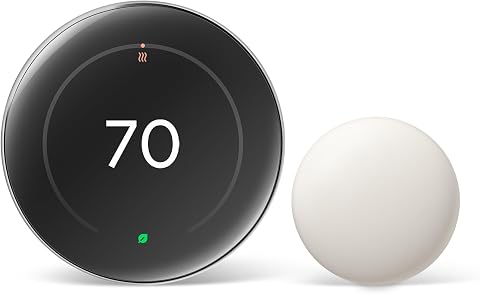 Google Nest Learning Thermostat (4th gen) + Nest Temperature Sensor (2nd gen)…View on Amazon →
 - 2
 SwitchBot AI Hub with OpenClaw Support and Local Camera StorageView on Amazon →
 - 3
 Lutron Caseta Deluxe Smart Switch Kit with 2 Switches, Hub, Remote, WallplateView on Amazon →
 - 4
 Hubitat Elevation C-8 Pro Smart Home Automation Hub – Matter 1.5, Z-Wave 800…View on Amazon →
 - 5
 HomeClaw Smart Home Gateway with Home Assistant & OpenClaw AIView on Amazon →
 - 6
 AI-Powered Smart Home DevicesView on Amazon →
 - 7
 iSG Box SE Smart Home Hub with Preinstalled Home AssistantView on Amazon →
 - 8
 Shelly 1PM Gen4 UL Smart Relay Switch with Power Metering, Wi-Fi, Zigbee & Ma…View on Amazon →
 - 9
 AI-Powered Smart Home Guide 2026: A Step-by-Step Guide to Designing, Optimizi…View on Amazon →
 - 10
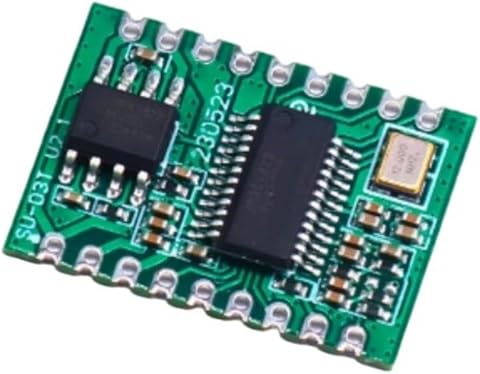 Local AI Voices Command Processor for Home Automation SystemsView on Amazon →
 - 11
 AI Powered Smart Home Guide for Beginners 2026View on Amazon →
Why AI Home Devices Are Transforming Living Spaces
The integration of AI into home automation significantly impacts daily life by increasing convenience, improving energy efficiency, and enhancing security. These devices enable homes to adapt to residents’ routines automatically, reducing manual management and energy waste. Moreover, local AI processing addresses privacy concerns, a critical factor for many consumers. As these devices become more accessible and sophisticated, they are reshaping how people interact with their living environments, making smart homes more intuitive and responsive than ever before.
Evolution of Home Automation Leading to AI Integration
The smart home market has rapidly evolved over the past decade, moving from basic remote-controlled devices to complex AI-driven systems. Earlier models primarily relied on manual programming and limited automation. The current trend in 2026 reflects a shift toward AI-powered solutions capable of learning routines, making autonomous adjustments, and prioritizing data privacy through local processing. Industry reports from sources like ThorstenMeyerAI.com indicate that this transition is driven by consumer demand for more intuitive and secure smart home experiences, alongside advances in AI technology and protocol compatibility.
Unresolved Questions About AI Device Compatibility and Security
While many devices support multiple protocols, it remains unclear how well they will integrate with future smart home standards or new device types. The long-term reliability of local AI processing and its limitations compared to cloud-based solutions are still under evaluation. Additionally, concerns about cybersecurity risks associated with interconnected AI devices persist, with ongoing debates about optimal security measures and firmware updates. Industry experts note that these issues are actively being addressed, but definitive solutions are still emerging.
Future Developments in AI Home Automation for 2026 and Beyond
Expect continued innovation in AI capabilities, including more sophisticated learning algorithms and enhanced privacy features. Manufacturers are likely to expand compatibility with emerging protocols and improve user interfaces for easier setup. The integration of AI with energy management systems is also anticipated to grow, helping households reduce consumption further. Industry analysts predict that future updates will focus on increasing device interoperability and security, making smart homes more seamless and resilient.
Key Questions
Can I upgrade my current smart home with these AI devices?
Yes, most of these devices support common protocols like Z-Wave, Zigbee, and Matter, allowing integration into existing setups. Compatibility checks are recommended before purchase to ensure seamless upgrades.
Are local AI processing devices more secure than cloud-based ones?
Local AI processing generally offers enhanced privacy and faster response times, reducing reliance on cloud services and minimizing data exposure. However, security also depends on proper device configuration and firmware updates.
What are the main factors to consider when choosing an AI home automation device?
Compatibility with existing devices and protocols, AI features like learning and voice control, ease of setup, privacy considerations, and scalability are key factors to evaluate in your decision-making process.
Will these devices work with voice assistants like Alexa or Google Assistant?
Most top devices in 2026 support popular voice assistants, enabling voice commands and automation. Compatibility varies, so check device specifications before purchasing.
How do I ensure my AI home devices remain secure against hacking?
Regular firmware updates, strong passwords, network segmentation, and choosing devices with robust security features are essential steps to safeguard your smart home ecosystem.
Source: ThorstenMeyerAI.com
Fall Picks
fall essentials
As an affiliate, we earn on qualifying purchases.