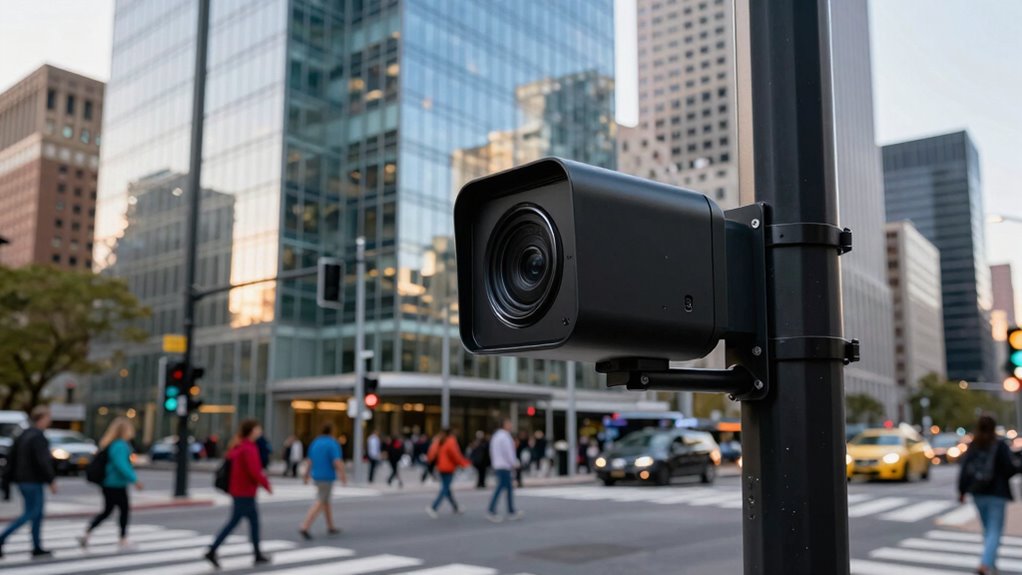

When vision processing moves on your device, your camera becomes smarter, more private, and faster to respond. It processes data locally, reducing what’s sent over networks and limiting exposure to breaches. You’ll have greater control over your data, with transparency on how it’s used and stored. Strong security measures protect against threats, ensuring your footage stays safe. Curious about how this revolutionizes surveillance and privacy? Keep going to uncover more insights.
Play games included with Prime
Start a Prime free trial and play with Amazon Luna on your devices.
As an affiliate, we earn on qualifying purchases.
Key Takeaways
- Vision processing on device reduces data transmission, enhancing privacy and minimizing exposure during storage and transfer.
- On-device processing improves operational efficiency and ensures compliance with privacy regulations.
- Enhanced control over data access and sharing increases transparency and security.
- Regular security practices, like encryption and updates, protect against hacking and vulnerabilities.
- Moving processing locally limits reliance on third-party cloud providers, reducing privacy and security risks.
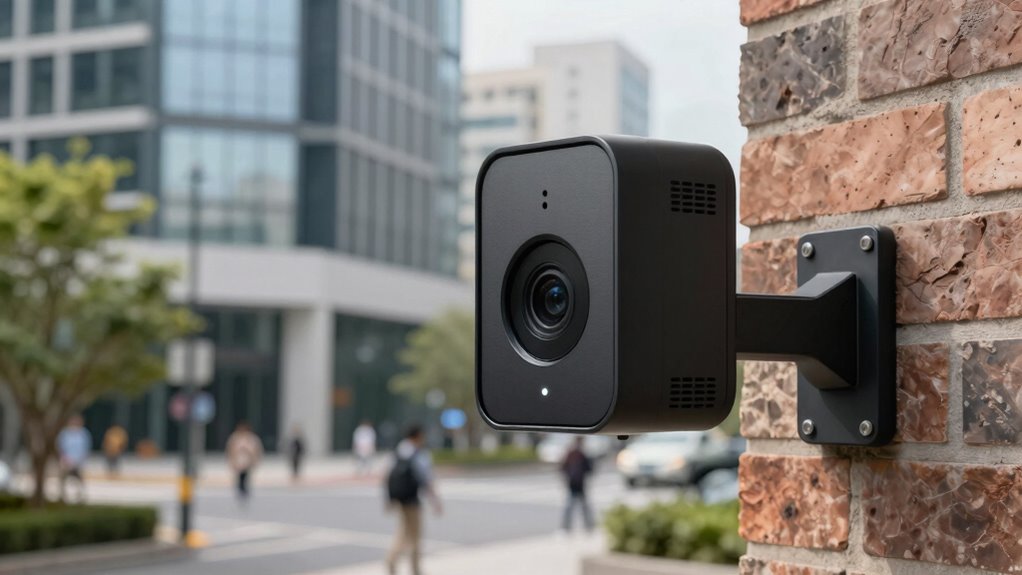
By keeping data on the device, edge AI cameras markedly lessen the amount of information sent over networks, which helps protect user privacy. You’re less exposed to potential breaches that often occur during data transmission or storage in cloud systems. Still, you need to be aware that local storage isn’t invulnerable. Physical access to the device or hacking into its internal software could compromise the system. Ensuring strong encryption, regular updates, and secure access controls becomes essential to maintaining data security and safeguarding privacy. These measures help prevent malicious actors from exploiting vulnerabilities and guarantee that your data remains confidential. Additionally, implementing encryption protocols can further secure stored data and prevent unauthorized access. Another advantage of processing data on the device is the increased control you have over how information is used and shared. With cloud-based systems, you often rely on third-party providers who might have access to your data, raising privacy questions. Edge AI cameras mitigate this concern by limiting data exposure and giving you more transparency about what’s stored locally. Yet, it’s still vital to establish clear policies about data retention, access, and deletion. You want to make sure that sensitive footage isn’t accessible to unauthorized personnel or vulnerable to theft. It’s also beneficial to regularly audit security practices** and stay informed about emerging threats that could affect device security. Incorporating automated security updates can further enhance protection by addressing known vulnerabilities swiftly. Ultimately, moving vision processing onto devices like edge AI cameras enhances operational efficiency and privacy but demands diligent security practices. You need to stay proactive about safeguarding the system against threats, guaranteeing data security, and respecting privacy rights. When properly managed, these cameras can provide swift, reliable surveillance without sacrificing confidentiality. They represent a smarter, more secure way to monitor environments, provided you’re committed to implementing strong security protocols and privacy safeguards. In addition, understanding the importance of local data management can help optimize security strategies and ensure compliance with privacy regulations. Recognizing the role of device-specific security** can further strengthen your overall approach to safeguarding data.
As an affiliate, we earn on qualifying purchases.
Frequently Asked Questions
How Secure Are On-Device AI Processing Systems?
On-device AI processing systems are quite secure because they use data encryption to protect sensitive information locally, reducing exposure risks. You also benefit from user authentication measures that guarantee only authorized users access the system. Since processing happens on the device, there’s less chance of data interception during transmission. However, regular software updates and strong access controls remain essential to maintain security and prevent potential breaches.
What Are the Common Limitations of Edge AI Cameras?
Think of edge AI cameras as vigilant sentinels, but even guardians face limits. You might notice their battery life wanes faster under constant duty, like a flame flickering in a draft. Environmental durability poses another challenge—harsh weather can wear down their resolve. These limitations mean you need to carefully balance their powerful vision processing with energy efficiency and rugged design, ensuring they stand guard without faltering.
How Do Edge AI Cameras Impact Data Privacy?
You benefit from enhanced data privacy with edge AI cameras because processing happens locally, reducing the need to transmit sensitive footage. This supports data sovereignty, ensuring data stays within designated regions. Plus, you maintain user anonymity because the cameras analyze data on-site, preventing personal details from being shared externally. As a result, you enjoy secure surveillance that respects privacy regulations and minimizes risks associated with data breaches.
What Is the Cost Difference Between Traditional and Edge AI Cameras?
You’ll find that the cost comparison between traditional and edge AI cameras favors edge solutions, especially over time. While initial prices may be higher for edge AI cameras due to advanced hardware, their lower operational costs, reduced bandwidth needs, and minimized data storage expenses make them more economical long-term. A thorough price analysis reveals that investing in edge AI cameras can lead to significant savings, making them a smarter, cost-effective choice for many applications.
How Scalable Are Edge AI Camera Deployments?
You can scale edge AI camera deployments effectively because they require minimal infrastructure, making expansion straightforward. As you add cameras, focus on sensor calibration to guarantee accuracy and optimize power management to reduce energy consumption. This adaptability allows you to increase coverage quickly without compromising performance. With proper calibration and power strategies, your deployment remains flexible, cost-efficient, and capable of supporting growing surveillance or monitoring needs seamlessly.
Conclusion
So, as you see, moving vision processing onto the device might seem like a tech marvel, but don’t be fooled—you’re just shifting the complexity from the cloud to the camera. Now, instead of relying on secure, centralized servers, you’re trusting tiny, potentially vulnerable devices with your data. It’s almost poetic how the very thing meant to simplify security can turn into a new, more intimate headache. Irony, isn’t it? The future you wanted might just be a little more complicated.
NFL season / tailgating Picks
team gear
As an affiliate, we earn on qualifying purchases.