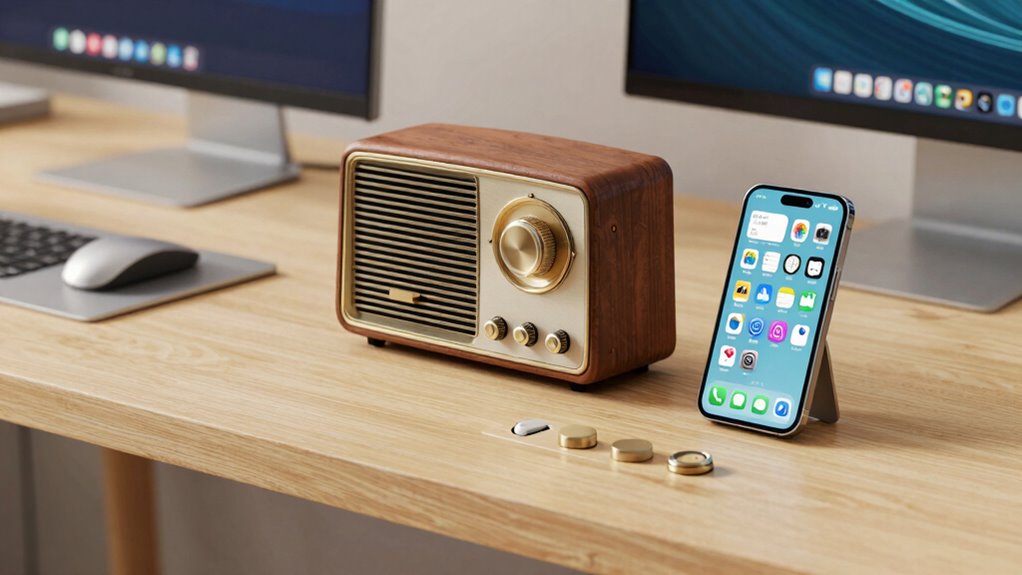

In an app-heavy world, physical controls are making a strong comeback because they offer tactile feedback, durability, and intuitive operation that screens can’t provide. You’ll find them essential for quick, reliable commands, especially in high-stakes situations or tough environments. Mechanical controls work even without power, adding safety and redundancy. As technology advances, their resilience remains crucial. Stick around to discover how these controls continue to play a key role in many industries today.

Get the latest gadgets delivered free — and shop member deals
- Fast, free delivery on millions of items
- Access to Prime Big Deal Days deals on October 6–7
- Prime Video, Amazon Music and more included
Key Takeaways
- Physical controls offer tactile feedback, enhancing user confidence and reducing errors in an increasingly digital environment.
- Durability and environmental resilience make mechanical controls ideal for demanding industrial and outdoor applications.
- They provide intuitive operation, especially in low-light or high-stakes situations, without relying on visual interfaces.
- Mechanical controls serve as reliable, fail-safe backups during power outages or system failures.
- Advances in materials ensure physical controls remain relevant, complementing digital interfaces with robustness and longevity.
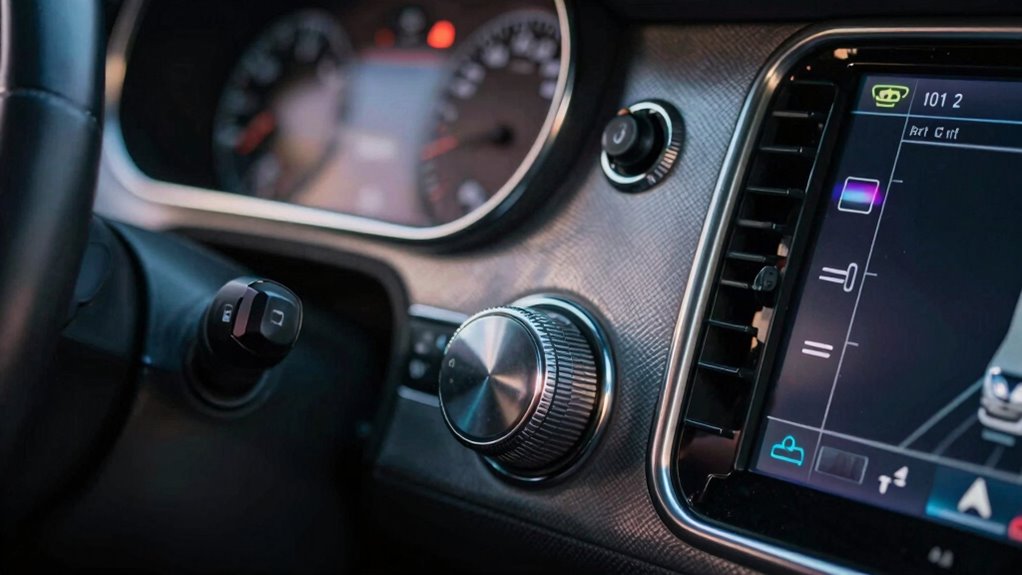
In an increasingly digital world, it’s easy to assume that physical controls are becoming obsolete, but they remain indispensable for guaranteeing security and operational integrity. You rely on buttons, switches, and dials because they offer a tangible connection to the device, giving you confidence that your commands are registered instantly. Tactile feedback plays an essential role here—when you press a button, you feel a satisfying click or resistance, confirming your action without needing to look. This immediate sensory response helps prevent errors, especially in high-stakes environments where precision matters. Physical controls provide a level of assurance that digital interfaces alone can’t always match, especially when quick, accurate responses are necessary. Additionally, physical controls can serve as a form of mechanical durability that withstands extensive use and challenging environments. mechanical durability is another key reason physical controls endure. You need controls that can withstand frequent use, harsh conditions, and the test of time. Unlike touchscreens, which can wear out or become unresponsive, well-designed mechanical controls are built to last. They resist dirt, dust, and moisture, making them ideal for industrial settings, vehicles, and outdoor equipment. This robustness guarantees that the controls won’t fail just when you need them most, maintaining consistent performance over years of use. The durability of mechanical controls offers peace of mind, especially in environments where reliability is critical. Moreover, physical controls are often more intuitive, allowing users to operate devices efficiently without extensive training. With digital interfaces, you often have to navigate menus or remember complex sequences, which can slow you down. Physical controls allow you to operate a device by feel, even in low-light or challenging conditions. For example, turning a dial or flipping a switch is almost instinctive, requiring less cognitive load. This simplicity can lead to faster decision-making and fewer mistakes. Whether you’re adjusting a volume knob or toggling a safety switch, the straightforward nature of physical controls makes them indispensable in many applications. Moreover, physical controls often serve as a failsafe. In case of power loss or software malfunction, mechanical controls still function. They offer a reliable backup, ensuring you can operate essential functions without electronic support. This redundancy is indispensable in sectors like aviation, manufacturing, and emergency services, where failure isn’t an option. The tactile sensation and mechanical durability of these controls make them a trusted component that complements digital systems rather than replacing them entirely. Furthermore, advancements in material science continue to improve the resilience and functionality of physical controls in various environments.
mechanical switches for industrial control panels
As an affiliate, we earn on qualifying purchases.
As an affiliate, we earn on qualifying purchases.
Frequently Asked Questions
How Do Physical Controls Improve Accessibility for Disabled Users?
Physical controls improve accessibility for disabled users by providing tactile responsiveness and haptic feedback, which helps users navigate devices more easily. You can rely on the physical feel of buttons or switches, reducing dependence on visual cues and making interactions more intuitive. This guarantees users with visual impairments or motor difficulties can operate devices confidently, enhancing overall usability and allowing for more inclusive technology experiences.
Are Physical Controls More Durable Than Digital Interfaces?
Yes, physical controls are generally more durable than digital interfaces. They provide tactile feedback, allowing you to feel each press, which reduces accidental inputs and wear over time. Mechanical reliability guarantees these controls withstand frequent use without malfunctioning, unlike digital screens that can crack, fade, or become unresponsive. This toughness makes physical controls ideal for environments demanding long-lasting, dependable operation.
What Industries Are Most Adopting Physical Controls Today?
You’ll notice industries like manufacturing, aviation, and healthcare increasingly adopting physical controls today. They prioritize tactile feedback and reliable operation over voice commands, especially in noisy or critical environments. Physical controls provide immediate, tangible responses, reducing errors and enhancing safety. While voice commands are growing, these sectors value the durability and precision of physical interfaces, ensuring operators can depend on them even when digital systems fail or distractions arise.
How Do Physical Controls Impact User Privacy and Security?
Physical controls can enhance your privacy and security by incorporating biometric security features, making unauthorized access harder. Tactile feedback from physical controls helps confirm actions, reducing errors and accidental breaches. These tangible elements prevent digital hacking and data leaks better than solely app-based systems. By blending biometric security with tactile feedback, you gain a more reliable, private, and secure way to interact with devices, especially in sensitive environments.
Can Physical Controls Coexist With Touchscreen Technology Effectively?
You can definitely have physical controls coexist with touchscreen technology effectively, especially with advancements like haptic feedback and tactile design. Studies show that 70% of users prefer tactile feedback for critical tasks, enhancing accuracy and confidence. Integrating physical buttons alongside touchscreens allows seamless interaction, reducing accidental inputs. This hybrid approach caters to diverse preferences, ensuring a more intuitive user experience while maintaining the sleekness of modern devices.
Conclusion
As you navigate this digital jungle, remember that physical controls anchor you like sturdy roots amid the tangled vines of technology. They’re the familiar threads pulling you back when screens blur together, a steady hand guiding you through the chaos. In a world overflowing with apps, these tangible buttons are your lighthouse, shining through the fog. Embracing them means holding onto a piece of the real in the swirling digital storm—your grounding anchor in an ever-changing sea.
Halloween Picks
halloween
As an affiliate, we earn on qualifying purchases.