📊 Full opportunity report: Coordinating Live Events In Phone-Free Venues on IdeaNavigator AI — validation score, market gap, and execution plan.

Get the latest gadgets delivered free with Prime
- Fast, free delivery on millions of items
- Prime Video, Amazon Music and more included
- Member-only deals all year
TL;DR
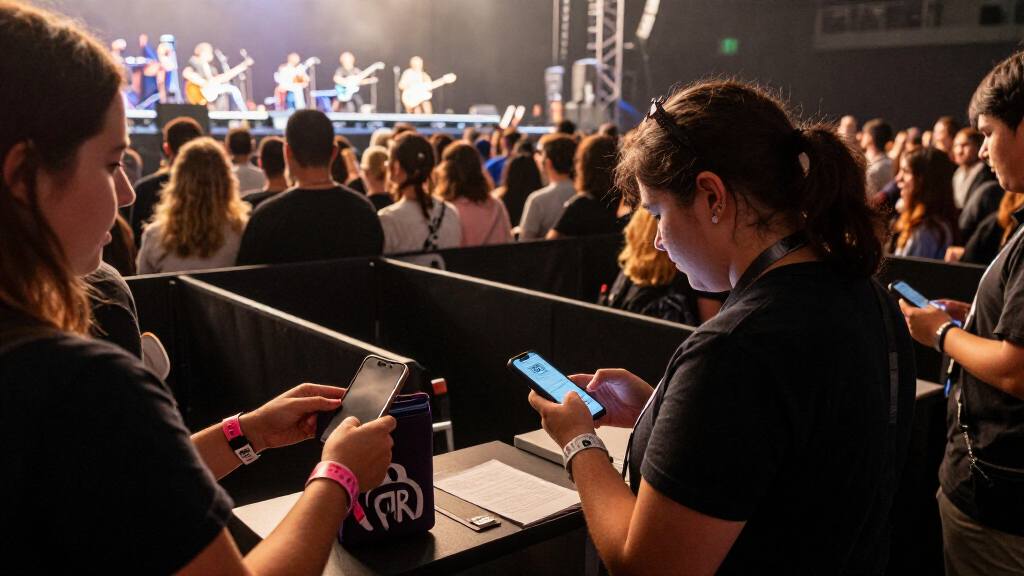
IdeaNavigator AI has outlined a proposed operations tool for phone-free venues that use locking pouches, covering check-in, exceptions, inventory and emergency unlocks. The proposal recommends testing it at five venues and three schools; no pilot results, product launch or adoption figures are reported.
IdeaNavigator AI has proposed an operations tool for phone-free venues that use locking pouches, aiming to manage check-in, medical exceptions, pouch inventory and emergency access in one workflow. The proposal recommends pilots at five venues and three schools, but does not report that a product has launched or that any tests have taken place.
The proposed tool is intended for operators of phone-free shows, comedy clubs, schools and courts that use pouch systems. Its suggested minimum product would record check-ins and exceptions, including medical needs and on-call responsibilities, track pouch inventory, and support dedicated emergency-unlock stations that log the reason for each use.
The proposal also calls for post-event operations reports and says the software should work alongside different pouch systems rather than depend on a particular hardware provider. It suggests charging customers per event or per site. These are product and business recommendations, not confirmed features of an available service or established pricing.
For validation, IdeaNavigator AI proposes comparing the tool with venues’ current improvised processes. The suggested measures are exception-handling time and the completeness of incident logs. The proposal gives no baseline figures, target improvements, pilot dates or participating organizations.
Reducing Friction at Phone-Free Events
Phone restrictions depend not only on the policy and pouch hardware but also on staff handling exceptions and disruptions. If a venue cannot quickly identify a medical exception, locate a pouch or manage an urgent unlock, those tasks can add work for staff and delays for attendees. The proposal focuses on making those processes recorded and repeatable, rather than relying on improvised procedures.
That operational issue could matter across different settings, from entertainment venues to schools and courts, although their rules and response needs may differ. A shared tool could offer operators a way to track routine tasks in one place, but its usefulness would depend on whether it fits each organization’s policies and works with existing pouch equipment. No measured impact is yet available, so the proposal’s potential to shorten queues or improve recordkeeping remains untested.
locking pouch check-in system for events
As an affiliate, we earn on qualifying purchases.
As an affiliate, we earn on qualifying purchases.
The Workflow Behind Pouch Policies
The proposal describes phone-free operations as an area where pouch hardware is accompanied by improvised administration. It identifies lost-pouch problems, medical-exception handling, emergency unlock bottlenecks and re-entry lines as possible operational pain points. These are presented as the opportunity’s rationale; the proposal does not provide incident data or independently documented examples establishing their frequency.
It points to phone restrictions in schools, comedy tours and courtrooms as settings where demand for operational support may be growing. However, it supplies no adoption totals, dates, named customers or market-size estimates. Its central recommendation is to start with one buyer group—operators already using pouch systems—and test a narrow workflow before treating the idea as a broader market opportunity.
Pilot Evidence Is Still Missing
No deployment or test results are reported. It remains unclear whether operators have agreed to participate, what the software would look like in practice, how emergency-unlock authorization would work, or how it would protect sensitive exception and incident records. The proposal also does not specify how staff would use the tool during busy entry periods or how it would integrate with different pouch systems.
The suggested pilot measures do not include numerical success thresholds or a defined comparison period. Without those details, readers cannot assess how much time the workflow might save, whether incident logs would become more complete, or whether any improvement would justify subscription pricing. The stated operational problems and market opportunity should be understood as a proposal’s rationale, not verified findings.
Testing the Proposed Workflow
The next step described is a pilot across five venues and three schools, with results compared against each site’s existing process. A useful evaluation would need to report how exception-handling time is measured, what counts as a complete incident log and whether the venues use comparable procedures. No schedule, recruitment status or release plan is provided.
Until pilots are confirmed and results published, the proposal remains an early-stage product concept. Operators and readers will need further information on data handling, access controls, hardware compatibility and pricing before judging whether the tool addresses the problems it identifies.
Source: IdeaNavigator AI
Key Questions
Has the phone-free venue operations tool launched?
No launch is reported. The proposal describes a product concept and suggested minimum features, not an available service.
What would the proposed tool do?
It would support check-in, record medical and on-call exceptions, track pouch inventory, log emergency unlocks and generate post-event reports. These are proposed capabilities, not confirmed features of a deployed product.
Where is the tool intended to be tested?
The proposed pilot would involve five venues and three schools. The proposal does not identify participants or say that testing has begun.
How would the pilot measure results?
It proposes measuring exception-handling time and incident-log completeness against current improvised processes. No baseline, target or results are provided.
Source: IdeaNavigator AI
Halloween Picks
halloween
As an affiliate, we earn on qualifying purchases.