
TL;DR
Wireless noise-canceling headphones use microphones to detect ambient sounds and generate anti-noise signals, effectively reducing noise. Recent advances improve ANC, battery life, and smart features. Choosing the right pair depends on your environment, preferences, and budget.
Imagine losing yourself in music on a crowded subway, the roar of engines muffled by just a flick of the switch. Wireless noise-canceling headphones aren’t just about sound—they’re about reclaiming your space. If you crave peace in chaos or immersive listening anywhere, understanding what makes these headphones tick can save you money and frustration.
Today, we’ll unravel how they work, what recent tech improvements mean for you, and how to pick the best pair for your needs. Ready to cut through the noise and tune into clarity? Let’s go.
High-quality ANC can reduce noise levels by up to 40 dB, making loud environments much more manageable.
Battery life varies from 20 to over 40 hours; consider your usage pattern when choosing a model.
Features like adaptive ANC, AI-driven sound optimization, and natural transparency modes enhance your experience.
Comfort and fit are just as important as tech specs—try headphones before buying if possible.
Proper care extends lifespan—regular cleaning, smart storage, and firmware updates keep headphones performing at their best.
How Wireless Noise-Canceling Headphones Silence the World
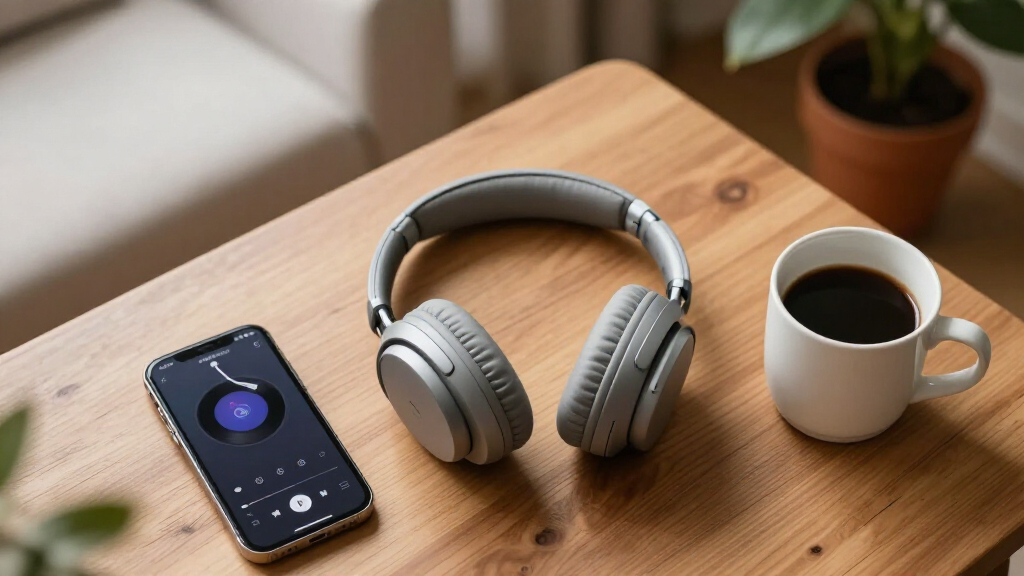
Wireless noise-canceling headphones use microphones to pick up ambient sounds—think of them as ears listening to what’s around you. They then generate anti-noise signals—sound waves that perfectly oppose external noise—effectively canceling it out. This magic happens in real time, creating a bubble of pure sound.
Picture yourself on a plane. As the engine hums and chatter fills the cabin, your headphones analyze these sounds and produce opposing waves. The result? The deafening roar drops to a whisper, letting you enjoy your playlist or podcast undisturbed.
Key to this process are the microphones—some are placed inside, others outside the ear cups—working together to monitor noise signals and cancel them out. This active process is what distinguishes noise cancellation from passive isolation, which just blocks sound with physical barriers.
Understanding this process matters because it highlights the importance of microphone placement and quality. Better microphones can detect a wider frequency range and more subtle environmental sounds, allowing for more precise noise cancellation. However, this also involves tradeoffs: more microphones and advanced algorithms can increase cost and complexity, and in some cases, might introduce latency or affect sound fidelity. Recognizing these nuances helps you choose headphones that balance noise reduction with sound quality and responsiveness, tailored to your typical environments.
best wireless noise cancelling headphones
As an affiliate, we earn on qualifying purchases.
As an affiliate, we earn on qualifying purchases.
What Makes a Great Wireless Noise-Canceling Headphone? 6 Must-Have Features
Picking the right pair isn’t just about brand name. Here’s what to look for:
- Active Noise Cancellation (ANC): The backbone. Better ANC means fewer external sounds slipping through. But remember, higher-grade ANC often comes with increased cost and can sometimes create a slight pressure or ‘ear squeeze’ sensation, which some users find uncomfortable over long periods. Balancing effective noise reduction with comfort is key.
- Wireless Connectivity: Bluetooth 5.0+ ensures quick pairing and stable connection across devices. Stable connectivity prevents audio dropouts, which can be frustrating, especially during calls or while watching videos. The latest standards also support lower latency, vital for syncing audio and video seamlessly.
- Sound Quality: Clear, balanced audio with support for high-res codecs like LDAC or aptX. High-quality sound enhances your listening experience, making music more immersive and podcasts crisper. However, some codecs require compatible devices, so consider your existing tech ecosystem when evaluating.
- Battery Life: Aim for at least 20 hours; premium models reach 40+ hours. Longer battery life means less frequent charging, which is especially important during travel or long workdays. Keep in mind, some features like ANC or high-volume listening can drain batteries faster, so consider your typical usage habits.
- Comfort & Fit: Plush padding, adjustable headbands, and lightweight design matter for all-day wear. Comfort impacts how often you’ll use the headphones and how well they block noise—if they’re uncomfortable, you might be tempted to take them off, reducing their effectiveness.
- Additional Features: Touch controls, voice assistant support, transparency modes, and multipoint pairing add convenience. These features can significantly enhance usability, but often add to the cost and complexity. Prioritize based on your lifestyle—do you need quick access to voice commands or seamless switching between devices?
To deepen your understanding, consider how these features interact. For example, a headphone with excellent ANC but poor comfort might not be ideal for long-term use. Conversely, a comfortable pair with mediocre noise cancellation might not serve you well in noisy environments. The key is balancing features based on your primary use cases, whether commuting, working, or relaxing at home.
For example, Bose QuietComfort 45 offers superb ANC, 24-hour battery life, and all-day comfort, making it a favorite for frequent travelers. But understanding how each feature impacts your daily use ensures you select headphones that truly fit your needs and preferences.
Frequently Asked Questions
How do noise-canceling headphones actually block out sound?
They use microphones to detect external noises and generate anti-noise sound waves that cancel out those sounds in real-time, reducing the noise you hear.Are wireless noise-canceling headphones worth the extra cost?
Most definitely, especially if you commute daily or work in noisy environments. They offer convenience, better sound quality, and the ability to enjoy your music without distractions.How long can I expect my wireless noise-canceling headphones to last on a full charge?
Most models range from 20 to 40 hours of playback, with premium options reaching even longer. Consider your typical usage to pick the best fit.Can I use noise-canceling headphones for phone calls?
Yes, most models come with built-in microphones designed for calls. Some have noise reduction features to improve call clarity, especially in noisy settings.Is it safe to wear noise-canceling headphones all day?
Generally yes, but avoid listening at high volumes for extended periods. Also, be cautious when in environments where hearing important sounds is critical for safety.Conclusion
Your choice in wireless noise-canceling headphones should match your environment and lifestyle. Whether it’s blocking out city noise or enjoying pure music on a plane, the right pair makes all the difference. Remember, the best headphones are the ones you forget you’re even wearing—because they’re just that comfortable and effective.
So, think about your needs, test a few if you can, and invest in quality. After all, a good pair can turn any noisy day into a personal concert or peaceful retreat.