
When choosing PA speakers for your home events, focusing on your room’s shape and acoustics is more important than just considering wattage. The size, layout, and materials influence how sound travels and disperses, affecting clarity and coverage. Symmetrical placement helps achieve balanced sound, especially in rectangular rooms, while irregular shapes may need extra speakers or sound treatments. To optimize your setup, understanding these factors can lead to better audio experience — and there’s much more to uncover.

Get the latest gadgets delivered free with Prime
- Fast, free delivery on millions of items
- Prime Video, Amazon Music and more included
- Member-only deals all year
Key Takeaways
- Room shape influences sound dispersion, affecting how audio fills the space regardless of speaker wattage.
- Proper speaker placement and angles are more critical for even coverage than increasing wattage.
- Irregular or reflective rooms require tailored speaker arrangements to manage sound bounce and clarity.
- Sound absorption and reflection control improve audio quality more effectively than wattage in challenging spaces.
- Symmetrical room layouts benefit from balanced speaker positioning, making shape a key factor over wattage alone.
When choosing PA speakers for home events, it’s more important to take into account the shape and layout of your space than simply focusing on wattage. The size of your room, ceiling height, and furniture arrangement all influence how sound travels and how effectively your speakers will perform. Wattage alone doesn’t guarantee clear audio coverage if sound dispersion isn’t managed properly. Instead, understanding how sound radiates from your speakers and how to position them can make a huge difference in the overall experience. Proper sound dispersion ensures that audio reaches every corner of the room evenly, regardless of size or shape.
Sound dispersion refers to how well the sound spreads throughout your space. If your room is small and enclosed, high-wattage speakers might produce overwhelming volume, but the sound could still feel uneven or dead in certain corners. Conversely, in a larger, open room, the right dispersion pattern ensures that audio reaches every seat without distortion or dead zones. You want speakers that provide wide sound dispersion to fill the room evenly, rather than just blasting sound in a narrow beam that leaves parts of the space underserved.
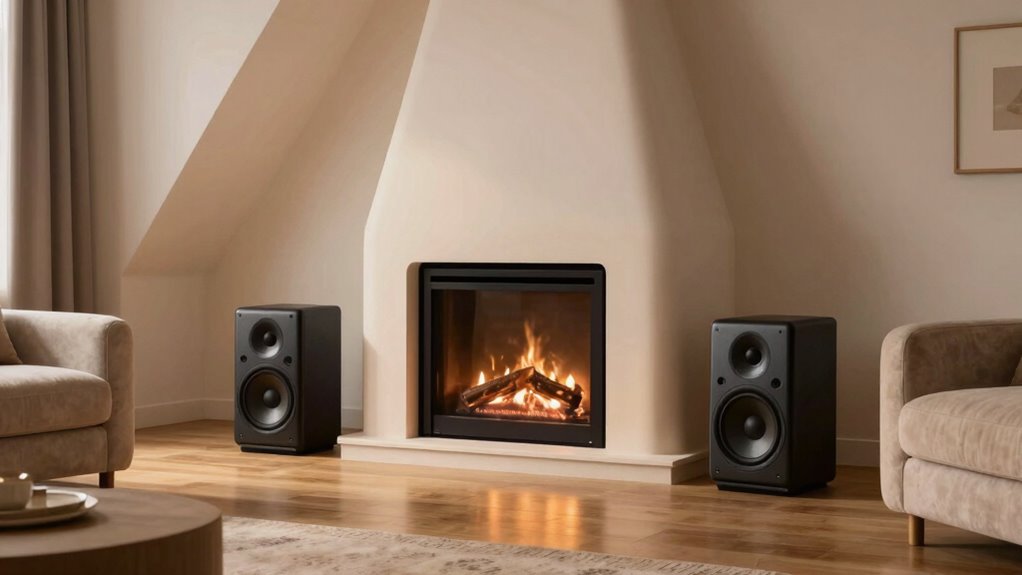
Speaker placement is equally crucial. Proper placement isn’t just about setting up speakers anywhere; it’s about strategic positioning to optimize sound coverage. For example, placing speakers too close to walls or corners can cause sound reflections that muddle clarity. Conversely, positioning them too far apart may create gaps in coverage, leaving some areas quiet or echoey. Ideally, you want to position your speakers at ear level and angle them slightly towards the audience. For rooms with high ceilings, raising speakers or using stands can help direct sound downward, improving sound dispersion and clarity. Additionally, room acoustics play a significant role in how sound behaves, making it essential to consider materials and furnishings that absorb or reflect sound. Properly managing sound reflection and absorption based on your room’s characteristics can greatly enhance audio quality. Adjusting for room shape and layout can help prevent unintended sound reflections and echoes that diminish audio quality.
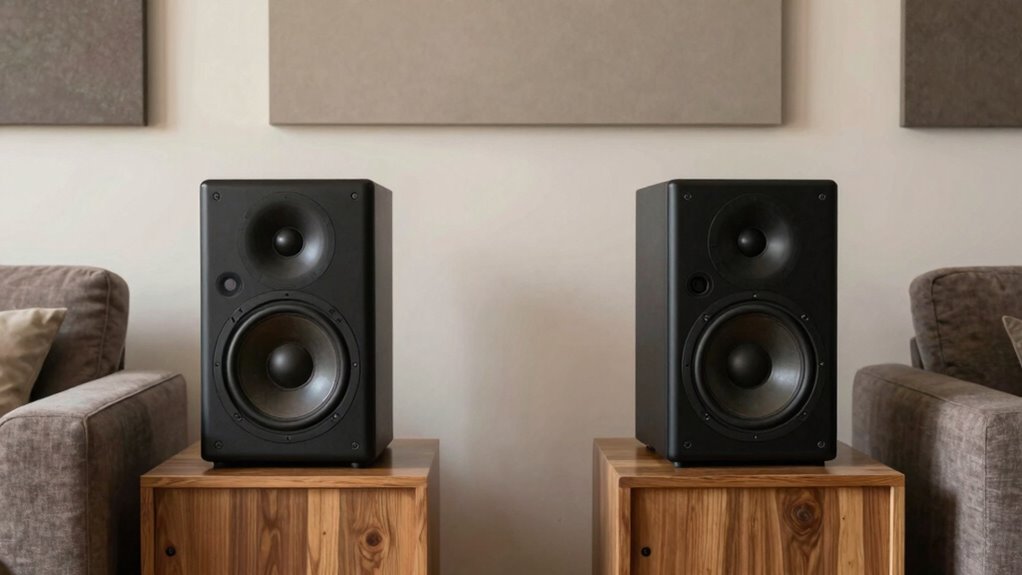
You should also consider the room’s shape when planning your speaker setup. In irregularly shaped rooms, sound can bounce unpredictably, creating uneven audio experiences. In such cases, you might need additional speakers or sound-absorbing panels to control reflections and improve dispersion. If your space is long or narrow, placing speakers at strategic points along the length ensures even coverage throughout. For square or rectangular rooms, symmetrical placement helps maintain balanced sound distribution.
Ultimately, mastering sound dispersion and speaker placement is more critical than wattage when it comes to home events. By understanding your space’s unique shape and layout, you can choose the right speakers and position them effectively. This approach guarantees that every guest hears clear, balanced audio, making your home events truly enjoyable without unnecessary volume or muddiness.
As an affiliate, we earn on qualifying purchases.
Frequently Asked Questions
How Does Ceiling Height Influence PA Speaker Performance?
Ceiling height profoundly influences your PA speaker performance by affecting acoustic variability and ceiling influence. Higher ceilings can help disperse sound more evenly, preventing harsh echoes and dead spots. Conversely, lower ceilings might create sound concentration issues, causing uneven audio distribution. Understanding this, you can adjust speaker placement and settings to optimize sound clarity, ensuring your home events sound balanced regardless of ceiling height.
What Are the Best Placement Tips for Optimal Sound Quality?
Think of your room as a stage for sound; proper speaker positioning transforms chaos into clarity. Place your speakers at ear level and slightly angled toward your audience, avoiding corners that cause unwanted sound reflections. Elevate them if possible to reduce floor reflections, and keep them away from walls that can muddy the sound. By controlling speaker placement, you’ll achieve crisp, balanced sound that fills your space beautifully.
How Do Furniture and Decor Affect Sound Distribution?
Furniture absorption and decor reflections markedly influence sound distribution in your space. Soft furniture like sofas and curtains absorb sound, reducing echo and making speech clearer. Meanwhile, hard surfaces like glass or metal reflect sound waves, creating echoes or dead spots. To optimize sound, balance furniture placement with reflective decor, and consider adding soft furnishings to control reflections. This helps guarantee even sound coverage and improves overall audio quality during your home events.
Can Room Shape Impact Speaker Choice for Outdoor Events?
Yes, room shape considerably impacts your speaker choice for outdoor events. Irregular or open layouts can cause sound dispersion challenges, making outdoor acoustics tricky. You need speakers with focused sound projection to cut through ambient noise and reach your entire audience clearly. Consider directional speakers that focus sound where needed, rather than high wattage alone, as outdoor environments rely more on shape and acoustics to deliver clear, effective sound.
What Acoustic Treatments Can Improve Sound in Irregular Rooms?
You can improve sound in irregular rooms by adding acoustic treatments like sound absorption panels, which reduce echo and dead spots. Installing acoustic diffusers helps scatter sound waves evenly, preventing harsh reflections. These treatments work together to balance the acoustics, making your home events sound clearer and more immersive. Focus on strategic placement of absorption and diffusion elements to adapt to your room’s unique shape and optimize your audio experience.
Conclusion
So, next time you’re tempted to splurge on a superpowered PA speaker, remember: it’s not all about wattage. Your room’s shape plays the real hero here—like a drama queen demanding the spotlight. Skip the shiny gadgets and focus on how your space influences sound. After all, who needs loud when you can have perfectly tuned? Save your cash, and turn your home events into acoustical masterpieces—without breaking the bank or your ego.
Fall Picks
fall essentials
As an affiliate, we earn on qualifying purchases.