

When you first install load cell brakes, you’ll notice your footwork changing more than your lap times. You need to develop a new sense of force control, focusing on applying consistent pressure rather than just braking harder. Adjusting to sensor feedback can feel unusual, as you learn to interpret subtle cues for smoother braking. Over time, your technique refines, leading to better control and faster lap times. Keep exploring, and you’ll uncover how to master this advanced system effectively.
Key Takeaways
- Initial feedback from load cells prompts drivers to focus on footwork adjustments rather than immediate lap time improvements.
- Drivers need to develop nuanced force control, which initially impacts footwork more than overall lap times.
- Sensor calibration ensures accurate force measurement, making footwork refinement essential before lap times improve.
- Real-time force feedback encourages deliberate footwork, leading to more precise braking technique over time.
- Mastery of footwork and calibration ultimately results in better control and improved lap times in the long run.
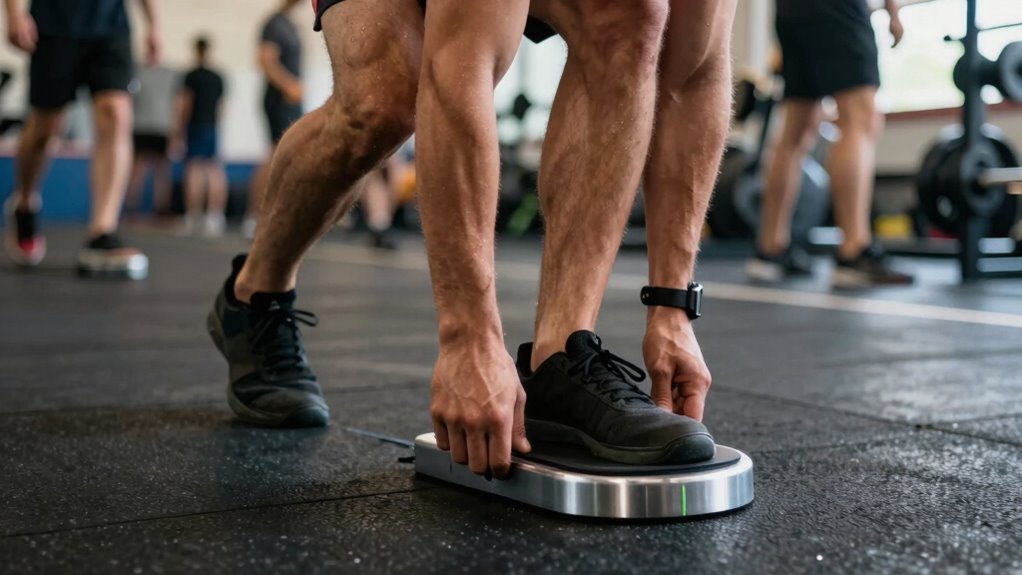
When racers first start using load cell brakes, they often notice more changes in their footwork than in their lap times. This is because adapting to the new braking system requires a significant adjustment in how you apply pressure and control your pedal. Unlike traditional brakes, load cell brakes rely on precise sensor calibration to measure the force you exert, making your footwork more sensitive and nuanced. As you get used to the sensor’s feedback, you’ll find yourself refining your technique, focusing on consistency rather than just raw braking power. Initially, this can feel unfamiliar, but it’s a crucial step in mastering the braking dynamics that load cell systems offer.
Your footwork becomes more deliberate as you learn to interpret the subtle signals from the load cell sensors. Instead of simply pressing down harder or softer, you begin to develop a sense of how much force is needed for each corner. This improved control not only enhances your braking precision but also prepares you for the complex interplay between throttle, brake, and steering. The key here is understanding how sensor calibration influences your ability to judge braking force accurately. If the sensors aren’t properly calibrated, your feedback might be inconsistent, causing you to over- or under-react. Taking the time to ensure precise sensor calibration helps you develop a more predictable and reliable brake pedal feel.
As you adapt to the system, you’ll notice your braking dynamics evolve. You might initially slam the pedal or be overly cautious, but with practice, your inputs become smoother and more controlled. Load cell brakes provide real-time force feedback, which helps you fine-tune your braking approach. This feedback loop allows you to better gauge how your footwork impacts your lap times, but the immediate focus is on developing a consistent pedal application. Over time, this consistency translates into more predictable braking zones, allowing you to carry more speed through corners with confidence. Additionally, understanding the importance of sensor calibration ensures your feedback remains accurate, further improving your driving precision. Developing a good driving rhythm is also essential as it helps synchronize your footwork with the load cell system’s feedback.
In essence, your early experience with load cell brakes centers on mastering the mechanics of your footwork and understanding sensor calibration. As you become more attuned to the system’s braking dynamics, your lap times will naturally improve, but the initial challenge lies in translating the sensor feedback into refined, repeatable movements. This process elevates your driving precision and lays a solid foundation for more advanced skills on the track.

MOZA CRP2 Load Cell Pedals Pressure Sensor Pedal for Sim Racing Driving Video Games
- Material: CNC Aerospace-grade Aluminum
- Heel Plate: Carbon Fiber
- Sensor: 200K Load Cell
As an affiliate, we earn on qualifying purchases.
As an affiliate, we earn on qualifying purchases.
Frequently Asked Questions
How Do Load Cell Brakes Specifically Influence Footwork Techniques?
Load cell brakes influence your footwork techniques by encouraging technique refinement and enhancing footwork precision. When you use these brakes, you become more aware of your foot placement and pressure application, leading to more controlled, deliberate movements. This focus helps you develop better balance and coordination, ultimately refining your overall agility. As a result, your footwork becomes more precise, improving your performance and making your movements more efficient during races or training sessions.
Are There Long-Term Effects of Using Load Cell Brakes?
Yes, using load cell brakes can have long-term effects if you don’t maintain proper load cell calibration and brake upkeep. Over time, calibration drifts can cause inaccurate readings, impacting your footwork precision. Regular brake maintenance ensures consistent performance and prevents wear that could compromise safety. Consistent checks and adjustments help you sustain peak control, improving technique and reducing the risk of equipment failure during critical moments.
What Training Adjustments Are Needed With Load Cell Brakes?
You should focus on training adjustments that prioritize equipment maintenance and athlete adaptation. Incorporate drills that help your body get used to the load cell brakes, emphasizing proper footwork and control. Regularly check and maintain the equipment to guarantee safety and consistency. As you adapt, gradually increase intensity, allowing your muscles and reflexes to adjust, which helps optimize performance and reduces the risk of injury.
Do Load Cell Brakes Affect Overall Race Strategies?
Yes, load cell brakes influence your overall race strategies. They require precise sensor calibration to guarantee accurate feedback, helping you optimize brake application and cornering. Regular maintenance routines become essential to keep the system functioning well and prevent inconsistencies. This means you’ll need to adapt your approach, focusing on how load cell data guides your decisions during the race, ultimately improving your performance and consistency on the track.
How Do Load Cell Brakes Compare to Traditional Braking Methods?
Imagine your brake system as a finely tuned orchestra. Load cell brakes, with their precise sensor calibration, respond like a maestro’s baton, offering sharper, more consistent control than traditional methods. You’ll notice improved brake responsiveness, allowing you to fine-tune your footwork effortlessly. Unlike conventional brakes, these systems adapt seamlessly to your driving style, making every maneuver feel natural, precise, and confident—transforming your racing experience into a symphony of control.
Conclusion
So, next time you add load cell brakes to your setup, remember it’s not just about faster lap times—it’s about transforming your footwork into a finely tuned machine. This tiny adjustment can shake up your entire driving style, making it feel as if you’ve unleashed secret racing powers. Don’t underestimate the power of these brakes; they’re the game-changer that could elevate your performance from good to legendary overnight. Embrace the change and watch your skills skyrocket!