

To build career leverage before you need it, focus on developing your skills, relationships, and industry knowledge proactively. Cultivate genuine connections that can offer support and unadvertised opportunities. Diversify your skills to stay adaptable and valuable in shifting markets. Stay informed about tech trends and industry shifts to anticipate change. Strategic, long-term investments in your network and expertise set you up for success when opportunities arise. Continue exploring how to strengthen your career capital effectively.
Key Takeaways
- Develop diverse skills and expertise proactively to increase your value and flexibility in future opportunities.
- Cultivate genuine relationships and expand your network early to access unadvertised opportunities and support.
- Stay informed about industry trends and emerging technologies to anticipate change and adapt quickly.
- Invest strategically in skills and connections that enhance long-term career resilience and leverage.
- Make intentional, long-term choices that build your capacity to capitalize on opportunities when they arise.

Have you ever wondered what truly sets successful professionals apart? It’s often their ability to leverage what’s called career capital—valuable skills, relationships, and reputation that give them an edge in the job market. Building this capital isn’t something you do only when a new opportunity arises; it’s a continuous process that prepares you to seize chances when they come knocking. One of the most effective ways to do this is by actively seeking out networking opportunities. Developing a robust network isn’t about collecting contacts; it’s about cultivating genuine relationships with people who can offer insights, mentorship, and support throughout your career. These connections can open doors that might otherwise stay shut, giving you access to opportunities that aren’t advertised publicly. By investing in your network early, you create a safety net and a resource pool you can draw from when needed.
Alongside networking, skill diversification plays a crucial role in building your career capital. Relying on a single area of expertise limits your flexibility and makes you vulnerable if that field declines or your role becomes obsolete. Instead, continuously expanding your skill set makes you more adaptable and increases your value in various contexts. Think beyond your immediate job description—learn complementary skills, master new tools, or develop leadership abilities. This proactive approach enables you to pivot more easily when market demands shift or when new opportunities align with your evolving interests. Developing a versatile skill set also ties into understanding the importance of tech trends, which can significantly impact your career trajectory. Incorporating awareness of emerging technologies into your skill set can further boost your leverage and adaptability. Additionally, staying informed about industry developments and market dynamics can give you a strategic advantage in anticipating future shifts. Knowing how technological advancements influence your industry can help you position yourself ahead of the curve. By diversifying your skills, you not only increase your leverage but also demonstrate initiative and resilience, qualities that employers highly value.
Building career capital requires intentional effort over time. It’s about making strategic choices that enhance your long-term prospects rather than just chasing short-term gains. The more you invest in expanding your network and broadening your skills, the more leverage you’ll have before you actually need it. When an unexpected opportunity or challenge arises, you’ll find yourself well-positioned to respond confidently. Remember, the goal isn’t just to accumulate resources but to develop the capacity to deploy them effectively when it matters most. By doing so, you create a foundation of career resilience that can sustain you through changing industries, economic downturns, or personal transitions. Ultimately, investing in your career capital today ensures you’re prepared to capitalize on opportunities tomorrow.
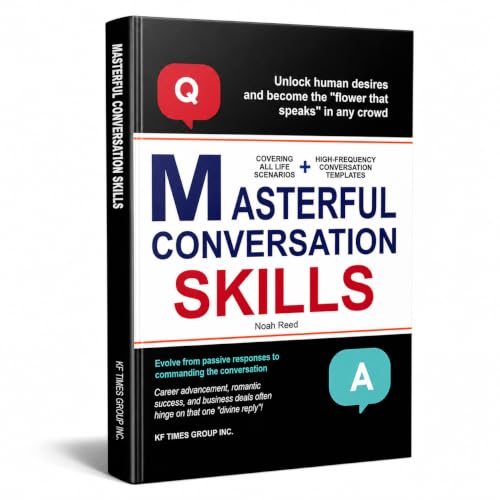
Masterful Conversation Skills Book
- Masterful Conversation Skills: Build communication and social skills
- Simplify Small Talk: Learn to start and end conversations easily
- Enhance Listening Skills: Develop active listening and effective communication
As an affiliate, we earn on qualifying purchases.
As an affiliate, we earn on qualifying purchases.
Frequently Asked Questions
How Do I Start Building Career Capital Early?
To start building career capital early, focus on expanding your networking opportunities and developing your personal branding. Attend industry events, join professional groups, and connect authentically with peers and mentors. Share your expertise online through social media or blogs to boost your visibility. These actions help you develop valuable skills and relationships, giving you leverage when opportunities arise. Building this foundation now guarantees you’re prepared before you need it.
What Are the Most Valuable Skills for Leverage?
Think of leverage as your secret weapon; the most valuable skills are mastering networking opportunities and building a strong personal branding. By actively connecting with others and showcasing your expertise, you create a web of influence that works in your favor. These skills open doors, attract opportunities, and amplify your value. Cultivating them early ensures you’re prepared to utilize your career capital when it truly counts.
How Long Does It Take to Accumulate Meaningful Career Capital?
It typically takes several years to build meaningful career capital through networking opportunities and personal branding. By consistently engaging with professionals, sharing your expertise, and showcasing your skills, you gradually develop leverage. The key is to start early and stay persistent. Over time, your reputation grows, opening doors when you need them most. Remember, the more you invest now, the stronger your career leverage becomes in the future.
Can Career Capital Be Lost or Diminished?
Yes, career capital can vanish faster than you think—like a puff of smoke! Skill retention can fade if you neglect practice, and networking durability weakens without consistent effort. If you don’t nurture your relationships or update your skills, your hard-earned leverage diminishes, leaving you vulnerable. Keep investing in your skills and stay connected to preserve your career capital; otherwise, it’s as fragile as glass.
How Do I Leverage Career Capital in a New Industry?
You leverage your career capital in a new industry by tapping into networking opportunities and industry insights. Reach out to contacts to learn about trends and challenges, showing your proactive interest. Attend events, join online forums, and seek mentorship to deepen your understanding. By actively engaging and demonstrating your transferable skills, you build credibility and create opportunities, making your career capital work for you even in unfamiliar territory.
Conclusion
Building career capital now gives you leverage when opportunities arise. The sooner you invest in valuable skills and relationships, the more control you’ll have over your future. Did you know that 85% of jobs are filled through networking? That’s a powerful reminder: the more you develop your leverage early, the easier it becomes to navigate your career on your terms. Start now, and you’ll be prepared when opportunity knocks.