If you’re looking for the best budget GPUs for 2026 to power your VR experience, I recommend checking out options like the AISURIX RX 580 8GB, GTX 1060 6GB with dual fans, Maxsun AMD Radeon RX 580, XFX Radeon RX 580 GTS XXX, and Maxsun GeForce RTX 3050 6GB. These cards offer solid performance, VR compatibility, and good future-proofing. Stick around, and I’ll help you understand which one suits your needs best.
Key Takeaways
- Select GPUs supporting DirectX 12 or Vulkan with at least 4-6GB VRAM for optimal VR performance.
- Ensure the GPU has HDMI 2.0 or DisplayPort 1.4 for high-resolution VR headset compatibility.
- Prioritize cards with 8GB VRAM and strong benchmarks like 3DMark VRMark for future-proofing and smooth gameplay.
- Check power requirements and cooling solutions to maintain stability during intensive VR gaming sessions.
- Opt for reputable brands offering good driver support, multiple outputs, and upgrade options for long-term VR readiness.
| AISURIX RX 580 8GB Gaming Graphics Card | 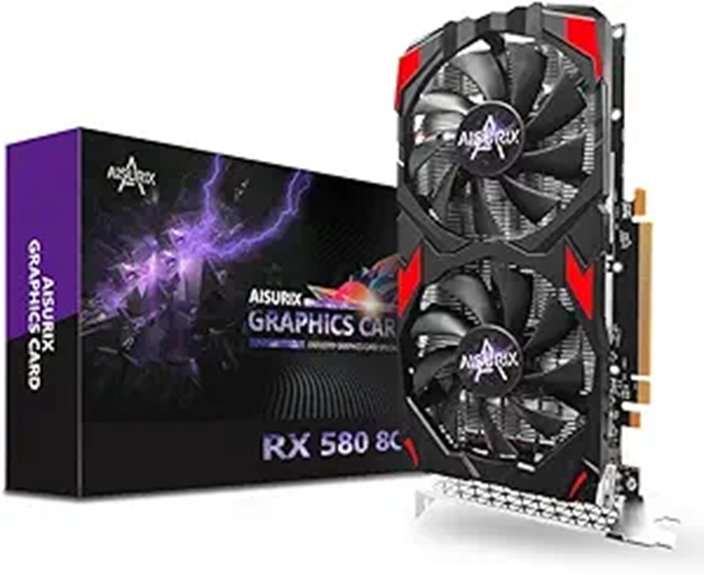 | Performance Powerhouse | Architecture: Polaris (Arctic Islands) | Memory Size: 8GB GDDR5 | Display Outputs: HDMI, DisplayPort x2 | VIEW LATEST PRICE | See Our Full Breakdown |
| GTX 1060 6GB Graphics Card with Dual Fans |  | Cool Gaming Efficiency | Architecture: Pascal (GTX 1060) | Memory Size: 6GB GDDR5 | Display Outputs: HDMI, DisplayPort x2 | VIEW LATEST PRICE | See Our Full Breakdown |
| Maxsun AMD Radeon RX 580 8GB Graphics Card | 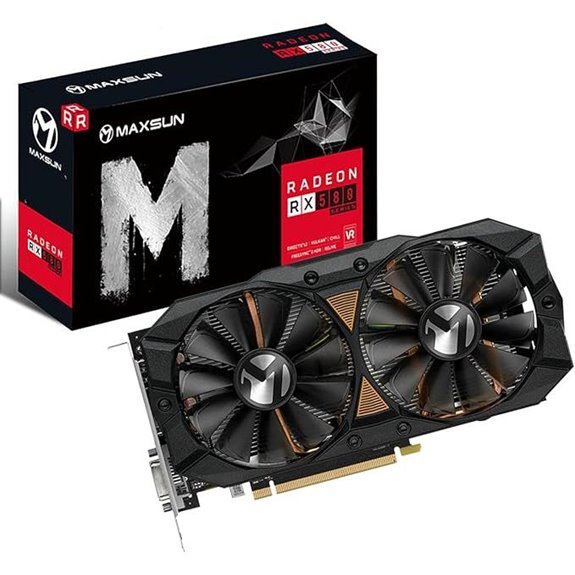 | Reliable Multi-Monitor | Architecture: Polaris (RD 580 2048SP) | Memory Size: 8GB GDDR5 | Display Outputs: HDMI, DisplayPort, DVI | VIEW LATEST PRICE | See Our Full Breakdown |
| XFX Radeon RX 580 GTS XXX 8GB Graphics Card |  | Overclocked VR Ready | Architecture: Polaris (GCN 4th Gen) | Memory Size: 8GB GDDR5 | Display Outputs: HDMI, 3x DisplayPort, DVI | VIEW LATEST PRICE | See Our Full Breakdown |
| Maxsun GeForce RTX 3050 6GB Graphics Card | 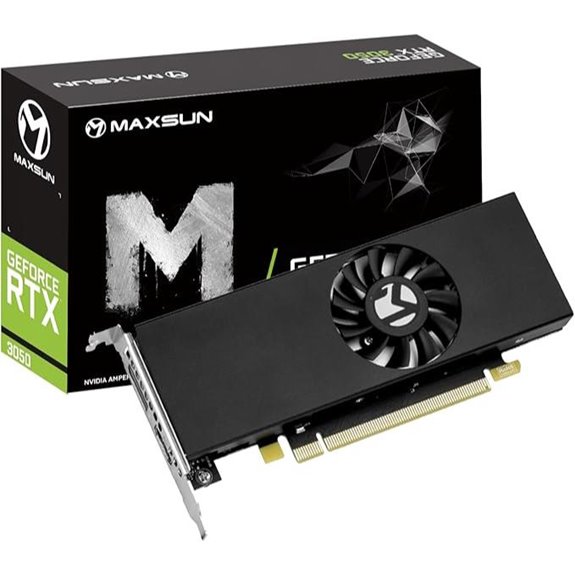 | Compact High-Performance | Architecture: NV Ampere | Memory Size: 6GB GDDR6 | Display Outputs: HDMI, DisplayPort | VIEW LATEST PRICE | See Our Full Breakdown |
More Details on Our Top Picks
AISURIX RX 580 8GB Gaming Graphics Card
If you’re looking for a budget-friendly GPU that still delivers solid gaming performance, the AISURIX RX 580 8GB is an excellent choice. It features Arctic Islands architecture based on the Polaris 20 XTX processor built on a 14 nm process, supporting DirectX 12 for modern game compatibility. With 2048 Stream Processors and 8GB GDDR5 memory running at 1750 MHz, it provides smooth, high-quality visuals. The card supports up to two monitors, including 4K displays, for immersive gaming. Its semi-automatic fan system reduces noise during light use, and its efficient power consumption makes it suitable for demanding setups without breaking the bank.
- Architecture:Polaris (Arctic Islands)
- Memory Size:8GB GDDR5
- Display Outputs:HDMI, DisplayPort x2
- VR Support:Yes
- Power Connectors:8-pin
- Connectivity Interfaces:PCIe 3.0 x16
- Additional Feature:Semi-automatic intelligent fan system
- Additional Feature:Supports 4K display resolution
- Additional Feature:Dual-slot power design
GTX 1060 6GB Graphics Card with Dual Fans
The GTX 1060 6GB Graphics Card with Dual Fans stands out as an excellent choice for budget-conscious gamers who want reliable performance without breaking the bank. It delivers impressive gaming and graphics capabilities thanks to high clock speeds, CUDA cores, and 6GB GDDR5 memory with wide bandwidth. Supporting DirectX 12, HDR, VR, and 8K resolution, it ensures smooth gameplay and immersive visuals. The dual-fan cooling system keeps temperatures low during intense sessions, boosting longevity and stability. Compatible with systems requiring over 400W power supplies, it’s perfect for multi-monitor setups and VR. Regular driver updates are vital to maintain peak performance and compatibility.
- Architecture:Pascal (GTX 1060)
- Memory Size:6GB GDDR5
- Display Outputs:HDMI, DisplayPort x2
- VR Support:Yes
- Power Connectors:6-pin
- Connectivity Interfaces:PCIe 3.0
- Additional Feature:Enhanced cooling with dual fans
- Additional Feature:Compatible with HDR and VR
- Additional Feature:Supports multi-monitor setups
Maxsun AMD Radeon RX 580 8GB Graphics Card
For budget-conscious gamers seeking reliable performance, the Maxsun AMD Radeon RX 580 8GB Graphics Card stands out due to its solid specs and multi-monitor support. Built on a 14nm process with the Polaris 20 XL GPU, it handles modern gaming demands and 4K video decoding smoothly. With 8GB GDDR5 memory on a 256-bit bus, it delivers high-performance graphics without breaking the bank. Its versatile outputs—HDMI, DisplayPort, and DVI—support multiple displays for immersive setups. Plus, the metal backplate adds durability, making it a dependable choice for gamers who want solid performance on a budget.
- Architecture:Polaris (RD 580 2048SP)
- Memory Size:8GB GDDR5
- Display Outputs:HDMI, DisplayPort, DVI
- VR Support:Yes
- Power Connectors:Not specified
- Connectivity Interfaces:PCIe 3.0
- Additional Feature:Metal backplate for durability
- Additional Feature:Supports Vulkan API
- Additional Feature:14nm manufacturing process
XFX Radeon RX 580 GTS XXX 8GB Graphics Card
Gamers on a budget will find the XFX Radeon RX 580 GTS XXX 8GB an excellent choice, thanks to its solid performance and affordability. This card features a factory overclock of 1386 MHz and 8GB GDDR5 memory, offering great gaming and VR experiences. Built on Polaris architecture with 4th gen GCN cores, it delivers efficient performance with enhanced visuals. Its cooling system guarantees thermal stability during intense sessions. With multiple outputs like DisplayPort, HDMI, and DVI, it caters to various setups. The RX 580 GTS XXX is perfect for gamers seeking reliable VR-ready graphics without breaking the bank.
- Architecture:Polaris (GCN 4th Gen)
- Memory Size:8GB GDDR5
- Display Outputs:HDMI, 3x DisplayPort, DVI
- VR Support:Yes
- Power Connectors:Not specified (requires 500W PSU)
- Connectivity Interfaces:PCIe (implied)
- Additional Feature:Factory overclocked settings
- Additional Feature:Dual BIOS feature
- Additional Feature:AMD LiquidVR technology
Maxsun GeForce RTX 3050 6GB Graphics Card
Looking for a compact GPU that doesn’t compromise on power? The Maxsun GeForce RTX 3050 6GB is built on NV Ampere architecture, offering impressive gaming and AI performance. It features AI-accelerated Tensor Cores and supports DLSS for smoother gameplay. With 6GB GDDR6 memory running at 14,000MHz and a boost clock up to 1,470MHz, it handles demanding titles easily. Its slim design, measuring just 6.65 by 2.71 inches, makes it perfect for small form factor builds. Equipped with HDMI 2.1 and DisplayPort 1.4a, it supports 8K output and multi-monitor setups. This GPU is a versatile choice for gaming, multimedia, and AI tasks.
- Architecture:NV Ampere
- Memory Size:6GB GDDR6
- Display Outputs:HDMI, DisplayPort
- VR Support:Yes
- Power Connectors:Not specified (built-in power management)
- Connectivity Interfaces:PCIe 4.0 x8
- Additional Feature:Supports NV DLSS
- Additional Feature:Compact low-profile design
- Additional Feature:8K resolution output support
Factors to Consider When Choosing a Budget GPU for VR
When choosing a budget GPU for VR, I focus on compatibility standards to guarantee smooth experiences, along with sufficient graphics memory for detailed visuals. I also consider power supply needs and cooling efficiency to keep things running reliably, plus display connectivity options for multiple screens. These factors help me pick a GPU that balances performance and affordability for VR gaming.
VR Compatibility Standards
Choosing a budget GPU for VR requires paying close attention to compatibility standards that guarantee smooth and immersive experiences. First, ensure the GPU supports DirectX 12 or Vulkan APIs, which are essential for optimal VR performance. A VR-ready GPU should have at least 4GB of VRAM, but 6GB or more is preferable for better fluidity. Also, check for support of HDMI 2.0 or DisplayPort 1.4, necessary for connecting high-resolution VR headsets and enabling 4K or higher outputs. Low latency and high frame rates—90Hz or above—are critical to prevent motion sickness and maintain immersion. Lastly, the GPU must handle high data throughput and fast rendering to keep visuals fluid during complex virtual environments. These standards ensure your budget GPU can deliver a quality VR experience.
Graphics Memory Size
The amount of VRAM on a GPU plays a crucial role in delivering smooth and immersive VR experiences. For most users, 4GB of VRAM is the baseline for decent VR performance, but 6GB or more really makes a difference, especially with higher-quality textures. Larger VRAM allows you to run VR applications at higher resolutions—like 1440p or 4K—without sacrificing visual fidelity or frame rates. If you’re into demanding VR titles or want some future-proofing, opting for a GPU with 8GB or more is a smart choice. Insufficient VRAM can lead to stuttering, texture pop-in, and a noticeable drop in visual quality. So, when selecting a budget GPU, prioritize one with enough VRAM to meet your current needs and future gaming ambitions.
Power Supply Needs
Making sure your power supply can handle a budget GPU for VR is essential for stable and reliable performance. Most budget GPUs need at least a 450-500W power supply to operate smoothly. Check if your system’s power supply has the right 6-pin or 8-pin connector, depending on the GPU’s demands. Insufficient wattage or inadequate connectors can lead to crashes, system instability, or failure to boot. It’s also vital to verify that the power supply provides enough amperage on the 12V rail to support the GPU’s needs. Opting for a power supply with an 80 Plus Bronze or higher efficiency rating helps deliver consistent power and extends component lifespan. Proper power planning guarantees your VR experience remains smooth and glitch-free.
Cooling Systems Efficiency
Effective cooling systems are crucial for maintaining peak performance in budget GPUs, especially during intense VR gaming sessions. Many budget models feature dual or multiple fans to improve airflow and heat dissipation, which helps prevent overheating. Some also include advanced cooling solutions like heat pipes, vapor chambers, or enhanced heatsinks to boost thermal performance. Proper ventilation and case airflow are vital; even the best GPU can overheat if airflow is poor. A low-quality cooling system can cause thermal throttling, reducing performance and impacting your VR experience. Regular cleaning of dust buildup and proper thermal paste application can considerably enhance cooling efficiency. Investing in a GPU with a reliable cooling system ensures smoother gameplay, extends component lifespan, and keeps temperatures under control during demanding VR sessions.
Display Connectivity Options
Selecting the right display connectivity options is essential when choosing a budget GPU for VR, as compatibility with your headset and monitors can make or break your experience. I look for GPUs with multiple outputs like HDMI, DisplayPort, or DVI to support various VR headsets and displays. It’s vital that the GPU supports high resolutions such as 4K or 8K to maximize VR content quality. I also check that the GPU has HDMI 2.0 or higher, ensuring enough bandwidth for smooth visuals. Compatibility with your headset’s connection types and adapters is a must for easy setup. Additionally, having multiple output ports allows for multi-monitor or multi-device VR configurations, enhancing immersion and flexibility without sacrificing performance.
Performance Benchmarks
When choosing a budget GPU for VR, performance benchmarks are essential to gauge how well the card handles demanding applications. They typically measure frame rates in popular VR titles, with at least 90 FPS needed for a smooth experience. Lower-tier GPUs often struggle to maintain stable performance at high VR resolutions, which can hurt immersion and cause discomfort. Benchmark tools like 3DMark VRMark and gaming-specific tests help compare the relative power of budget GPUs in real-world scenarios. These tests also verify VR readiness and compatibility with hardware. Consistent frame delivery and low latency, demonstrated through benchmark scores, are critical for avoiding motion sickness and ensuring a seamless, comfortable VR experience. Reliable benchmarks are your best guide in selecting a capable, budget-friendly GPU.
Budget-Friendly Brands
Choosing the right budget-friendly GPU for VR means considering brands like AMD, NVIDIA, Maxsun, and XFX that offer reliable performance at lower prices. These brands provide a variety of models that support essential VR features such as low latency, high compatibility, and multiple display outputs. AMD and NVIDIA are well-known for their extensive range of affordable options, ensuring you can find a GPU that meets your needs without overspending. Maxsun and XFX also deliver cost-effective cards optimized for immersive VR experiences, often including high refresh rates and VR-ready capabilities. Selecting a reputable brand guarantees better driver support, consistent performance, and compatibility with popular VR headsets, making your virtual adventures smoother and more enjoyable without breaking the bank.
Future Upgrade Potential
Considering the long-term potential of a budget GPU is essential if you want your VR setup to stay current as technology advances. First, verify the GPU uses a compatible interface like PCIe 3.0 or higher, so you can upgrade to more powerful graphics cards later. Check that your power supply has sufficient connectors to support future upgrades without replacing your entire system. A motherboard with multiple PCIe slots or higher bandwidth support can make multi-GPU setups or future replacements easier. Opt for a GPU with a standard form factor and enough physical space for straightforward swaps. Finally, consider compatibility with upcoming VR technologies and APIs, such as higher resolutions or new standards, to extend your GPU’s relevance in the evolving VR landscape.
Frequently Asked Questions
How Do I Optimize My VR Setup With Budget GPUS?
To optimize my VR setup with budget GPUs, I focus on balancing resolution and frame rates. I lower in-game graphics settings to improve performance without sacrificing too much quality. I also guarantee my drivers are updated and close background apps that drain resources. Using a wired connection can reduce latency, and I keep my VR headset firmware current. These tweaks help me enjoy smoother, more immersive VR experiences without breaking the bank.
Are Used GPUS a Good Choice for VR Gaming?
Used GPUs can be a good choice for VR gaming if you’re cautious. Imagine grabbing a slightly worn but still powerful engine for your gaming rig—sometimes it’s just what you need to run immersive worlds without breaking the bank. I’ve found that researching seller reviews and checking for warranty options helps guarantee you get a reliable card. With the right checks, used GPUs can definitely boost your VR experience affordably.
What Is the Typical Lifespan of Budget GPUS for VR?
The typical lifespan of budget GPUs for VR is around 3 to 5 years, depending on how demanding the games are and how well you maintain your hardware. I’ve found that these GPUs can handle most VR titles for a few years, but as software requirements grow, they might struggle with newer, more demanding games. Regular driver updates and careful use can help extend their useful life.
How Much VRAM Is Ideal for Future VR Titles?
Think of VR as a vast universe waiting to be explored; for that, I’d say 8GB of VRAM is a solid start for future titles. While some games might run fine with less, having 10-12GB guarantees you’re not left behind as graphics grow more demanding. I’d recommend aiming for at least 8GB now, so your VR setup stays smooth and immersive as new adventures unfold.
Do Budget GPUS Support the Latest VR Headsets and Features?
Yes, many budget GPUs can support the latest VR headsets and features, but their performance varies. I’ve found that newer budget models often handle standard VR requirements well, including some advanced features like room-scale tracking and higher resolutions. However, for the best experience with cutting-edge VR tech, I recommend checking specific GPU specs and ensuring they meet the minimum requirements of your headset.
Conclusion
So there you have it—your ticket to VR greatness without blowing your paycheck. Who knew that budget GPUs could actually make you feel like a gaming legend? Just remember, in the race for immersive worlds, sometimes the cheapest horse still wins. So go ahead, pick one of these gems, and get ready to impress your friends with virtual adventures that won’t leave your wallet crying. Happy gaming, budget hero!