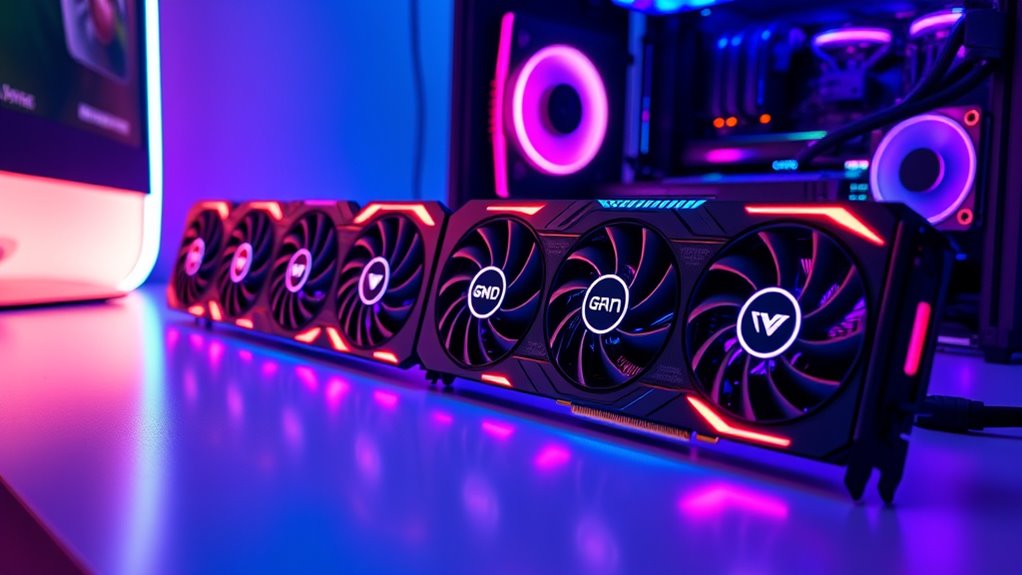

Choosing the right midrange GPU for VR in 2026 means balancing performance, features, and price. The ASUS GeForce RTX 2060 EVO offers reliable VR performance with overclocked speeds and dual fans, making it a solid choice for most gamers. Meanwhile, the ASRock Radeon RX 9060 XT Challenger provides a significant boost with 16GB of VRAM, ideal for demanding titles or creative work. For those on a tighter budget, the MSI GTX 1660 Ti delivers decent VR capabilities at a more approachable price point. The ASUS GTX 1060 is a dependable older option, perfect for casual users, while the ASUS RTX 3050 introduces modern features like ray tracing in a compact form. Each choice involves tradeoffs—whether in VR performance, future-proofing, or price—making it essential to understand your specific needs.”

Get the latest gadgets delivered free — and shop member deals
- Fast, free delivery on millions of items
- Access to Prime Big Deal Days deals on October 6–7
- Prime Video, Amazon Music and more included
Complete the kit



Key Takeaways
- The ASUS GeForce RTX 2060 offers strong VR performance with overclocked efficiency but may lack future-proofing features.
- The ASRock Radeon RX 9060 XT excels in demanding tasks thanks to its 16GB VRAM, suitable for creative and high-end gaming setups.
- The MSI GTX 1660 Ti presents a budget-friendly option that still delivers decent VR experiences, though it may struggle with the latest titles.
- The ASUS GTX 1060 remains a reliable choice for casual VR users but is limited by its age and lower VR performance ceiling.
- The ASUS RTX 3050 combines modern NVIDIA features with a compact design, making it ideal for small builds but with limited VRAM.
| ASUS GeForce RTX 2060 Overclocked 6G GDDR6 Dual-Fan EVO Edition VR Ready Graphics Card |  | Best Overall Midrange GPU for VR | Graphics Coprocessor: NVIDIA GeForce RTX 2060 | RAM: 6 GB | GPU Clock Speed: 2 GHz | VIEW ON AMAZON | See Our Full Breakdown |
| ASRock Radeon RX 9060 XT Challenger 16GB OC Graphics Card |  | Best for Demanding VR and Creative Work | Graphics Coprocessor: AMD Radeon RX 9060 XT | Graphics Card RAM: 16 GB | GPU Clock Speed: 3290 MHz | VIEW ON AMAZON | See Our Full Breakdown |
| MSI Gaming GeForce GTX 1660 Ti 6GB GDDR6 Graphics Card |  | Best Budget-Friendly VR Option | Memory: 6GB GDDR6 | Memory Interface: 192-bit | Boost Clock: 1875 MHz | VIEW ON AMAZON | See Our Full Breakdown |
| ASUS GeForce GTX 1060 6GB Dual-Fan OC Edition VR Ready Graphics Card |  | Best for Entry-Level VR Users | Graphics Coprocessor: Nvidia GTX 1060 | Graphics Card RAM: 6 GB | GPU Clock Speed: 1809 MHz | VIEW ON AMAZON | See Our Full Breakdown |
| ASUS Dual GeForce RTX 3050 6GB GDDR6 OC Edition Gaming Graphics Card | 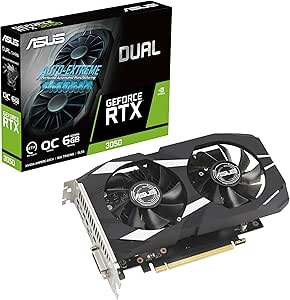 | Best Modern Midrange for Compact Builds | Graphics Coprocessor: NVIDIA GeForce RTX 3050 | RAM: 6 GB | GPU Clock Speed: 1500 MHz | VIEW ON AMAZON | See Our Full Breakdown |
| midrange gpu for vr | Graphics Coprocessor | GPU Clock Speed | Video Output Interface | Graphics RAM Type |
|---|---|---|---|---|
| ASUS GeForce RTX 2060 Overcloc | NVIDIA GeForce RTX 2060 | 2 GHz | DisplayPort | GDDR6 |
| ASRock Radeon RX 9060 XT Chall | AMD Radeon RX 9060 XT | 3290 MHz | DisplayPort, HDMI | GDDR6 |
| MSI Gaming GeForce GTX 1660 Ti | — | — | — | — |
| ASUS GeForce GTX 1060 6GB Dual | Nvidia GTX 1060 | 1809 MHz | DisplayPort | GDDR5 |
| ASUS Dual GeForce RTX 3050 6GB | NVIDIA GeForce RTX 3050 | 1500 MHz | HDMI | GDDR6 |
More Details on Our Top Picks
ASUS GeForce RTX 2060 Overclocked 6G GDDR6 Dual-Fan EVO Edition VR Ready Graphics Card
The ASUS RTX 2060 EVO Edition stands out for its solid balance of performance and affordability. With a 2 GHz overclocked GPU and 6GB of GDDR6 memory, it handles most VR titles smoothly, especially at 1080p and 1440p resolutions. Its dual fans with dust resistance help maintain thermal stability during extended VR sessions, and support for multiple monitors enhances versatility. Compared with the AMD options, it offers better driver support and a more mature ecosystem, but its refurbished condition could impact long-term durability. This card is best suited for gamers who want reliable VR performance without breaking the bank.
Pros:- Overclocked GPU with 2 GHz clock speed
- Supports multiple high-res monitors
- Dust-resistant dual fans for better cooling
- Durable backplate
Cons:- Refurbished condition may affect longevity
- No included software or accessories
- Possible noise from dual fans
Best for: Midrange VR gamers seeking a dependable, plug-and-play experience
Not ideal for: Power users needing ultra-high VR resolutions or future-proofing
- Graphics Coprocessor:NVIDIA GeForce RTX 2060
- RAM:6 GB
- GPU Clock Speed:2 GHz
- Video Output Interface:DisplayPort
- Graphics RAM Type:GDDR6
- Maximum Display Resolution:4096×2160 at 60Hz
Our verdict“A balanced choice for most midrange VR users prioritizing performance and reliability.”
ASRock Radeon RX 9060 XT Challenger 16GB OC Graphics Card
The ASRock RX 9060 XT Challenger offers a substantial 16GB of GDDR6 memory, making it ideal for VR applications that demand high VRAM, such as high-resolution textures or professional creative tasks. Its boost clock of 3290 MHz ensures smooth gameplay at 1440p and beyond. Support for PCIe 5.0 future-proofs this card, but it requires a compatible system and sufficient power supply. Compared with the RTX 2060, it provides more VRAM but lacks the same level of ray tracing support and driver optimization for gaming at present. This GPU makes the most sense for users who need extra VRAM and are willing to verify their system compatibility.
Pros:- 16GB GDDR6 VRAM for demanding workloads
- High boost clock for smooth gaming
- Dual fan cooling system
- Supports PCIe 5.0
Cons:- Requires system verification for compatibility
- High power consumption potential
- Limited driver support for gaming compared to NVIDIA
Best for: VR enthusiasts needing high VRAM and future-proofing for demanding tasks
Not ideal for: Casual gamers or systems with limited power supply
- Graphics Coprocessor:AMD Radeon RX 9060 XT
- Graphics Card RAM:16 GB
- GPU Clock Speed:3290 MHz
- Video Output Interface:DisplayPort, HDMI
- Graphics RAM Type:GDDR6
- Maximum Resolution:7680 x 4320
Our verdict“Best suited for power users prioritizing VRAM and future compatibility.”
MSI Gaming GeForce GTX 1660 Ti 6GB GDDR6 Graphics Card
The MSI GTX 1660 Ti provides a capable VR experience at a more accessible price point. Its 6GB of GDDR6 memory and 1875 MHz boost clock handle most VR titles comfortably at 1080p and some at 1440p. Its multiple outputs, including HDMI and DisplayPort, give flexible connectivity options. However, compared with newer architectures, it may struggle with the latest VR games that rely on ray tracing or higher VRAM. This card is best for newcomers or casual VR users who want reliable performance without a big investment.
Pros:- Decent performance with 6GB GDDR6
- Multiple outputs for versatility
- Reliable cooling system
- Affordable price point
Cons:- Older architecture limits future-proofing
- Higher power consumption may require better PSU
- Limited performance at high resolutions
Best for: Casual VR users or budget-conscious gamers
Not ideal for: Enthusiasts seeking high-resolution VR or future-proof features
- Memory:6GB GDDR6
- Memory Interface:192-bit
- Boost Clock:1875 MHz
- Outputs:HDMI, DisplayPort
- Interface:PCI Express 3.0 x16
- Cores:1536 CUDA cores
Our verdict“A solid choice for casual users who want decent VR performance on a budget.”
ASUS GeForce GTX 1060 6GB Dual-Fan OC Edition VR Ready Graphics Card
The ASUS GTX 1060 6GB remains a reliable option for those starting with VR. Its boost clock of 1809 MHz and dual-fan cooling provide quiet, stable operation for casual VR experiences. While it lacks the advanced features of newer GPUs, it still supports VR readiness with dual HDMI ports and decent resolution support up to 4K. Its age and lower VRAM make it less suitable for demanding or future titles, but it’s a good choice for beginners or systems with limited upgrade paths.
Pros:- Reliable 6GB GDDR5 memory
- Dual-fan cooling for quieter operation
- VR ready with dual HDMI ports
- Durable manufacturing technology
Cons:- Older GPU architecture limits performance
- No support for ray tracing or DLSS
- Limited VRAM for high-end titles
Best for: Entry-level VR users and casual gamers
Not ideal for: High-end VR or future-proofing needs
- Graphics Coprocessor:Nvidia GTX 1060
- Graphics Card RAM:6 GB
- GPU Clock Speed:1809 MHz
- Video Output Interface:DisplayPort
- Graphics RAM Type:GDDR5
- Maximum Resolution:3840×2160
Our verdict“A dependable starter option for casual VR setups, but not future-proof.”
ASUS Dual GeForce RTX 3050 6GB GDDR6 OC Edition Gaming Graphics Card
The ASUS RTX 3050 OC Edition offers a compelling mix of modern features with a compact design. Its RTX architecture introduces ray tracing and AI-enhanced features, elevating VR realism. The dual Axial-tech fans and dust resistance improve longevity, especially in smaller cases where airflow may be limited. While limited to 6GB VRAM, it makes up for it with efficient power consumption and strong performance at 1080p and 1440p. Compared to the GTX 1660 Ti, it provides newer features, but at a higher price point and with similar VRAM. This pick makes the most sense for gamers with small cases who want recent tech without overspending.
Pros:- NVIDIA Ampere architecture with ray tracing
- Compact 2-slot design
- Effective cooling with dual fans
- Durable stainless steel bracket
Cons:- Limited VRAM for some high-end VR titles
- Higher price compared to older models
- No RGB lighting or aesthetic features
Best for: Small-build VR gamers seeking modern features
Not ideal for: High-resolution VR or demanding creative tasks
- Graphics Coprocessor:NVIDIA GeForce RTX 3050
- RAM:6 GB
- GPU Clock Speed:1500 MHz
- Video Output Interface:HDMI
- Graphics RAM Type:GDDR6
- Maximum Resolution:3840×2160
Our verdict“A modern, space-efficient GPU suitable for small VR setups with current features.”

How We Picked
Our selection process focused on balancing performance, price, and VR-specific capabilities. I prioritized GPUs with enough VRAM, modern architectures, and efficient cooling systems suited for VR workloads. Compatibility with VR headsets, support for high resolutions, and future-proof features like PCIe 4.0 or 5.0 were key considerations. We compared real-world performance benchmarks, user reviews, and industry reputation to identify the most reliable midrange options that can handle immersive VR experiences without overspending.
| midrange gpu for vr | Graphics Coprocessor | Video Output Interface | Graphics RAM Type |
|---|---|---|---|
| ASUS GeForce RTX 2060 Overcloc | NVIDIA GeForce RTX 2060 | DisplayPort | GDDR6 |
| ASRock Radeon RX 9060 XT Chall | AMD Radeon RX 9060 XT | DisplayPort, HDMI | GDDR6 |
| MSI Gaming GeForce GTX 1660 Ti | — | — | — |
| ASUS GeForce GTX 1060 6GB Dual | Nvidia GTX 1060 | DisplayPort | GDDR5 |
| ASUS Dual GeForce RTX 3050 6GB | NVIDIA GeForce RTX 3050 | HDMI | GDDR6 |
Factors to Consider When Choosing Midrange Gpu For Vr
Choosing a midrange GPU for VR involves understanding your specific gaming or creative needs, system compatibility, and future plans. The right card should handle current VR titles smoothly, support the resolution and refresh rates of your headset, and fit within your budget. This guide will help clarify the key aspects to consider, such as VRAM, architecture, cooling, and connectivity options, so you can make an informed decision tailored to your setup and expectations.
Performance and VRAM
VR performance depends heavily on GPU power and VRAM capacity. For most VR titles at 1080p or 1440p, a GPU with at least 6GB of VRAM is advisable. If you plan to use higher resolutions or demanding textures, 8GB or more can help prevent bottlenecks. The latest architectures, like NVIDIA’s Ampere or AMD’s RDNA 3, also offer enhancements such as better ray tracing and AI features that improve immersion and realism.
Compatibility and Connectivity
Ensure your system supports the GPU’s interface, typically PCI-Express x16. Also, check the headset’s connection requirements—most VR headsets use HDMI or DisplayPort. Multiple output options on the GPU allow you to connect VR headsets, monitors, and other peripherals seamlessly. Cooling and physical size matter, especially for small cases; look for dual-fan designs or compact models for easier fit.
Future-Proofing and Features
Modern features like ray tracing, DLSS or FSR, and PCIe 4.0 or 5.0 support can extend the useful life of your GPU. While VR demands are increasing, some midrange cards might lack the latest tech or VRAM. Decide whether you prefer a card with more advanced features now or are comfortable with slightly older tech that still performs well for current titles.
Frequently Asked Questions
What is the most affordable GPU suitable for VR?
The MSI GTX 1660 Ti offers solid VR performance at a budget-friendly price. While it lacks some of the latest features like ray tracing, it provides enough power for most VR experiences at 1080p and some 1440p titles. It’s a good starting point for newcomers or casual users who want reliable VR without overspending.
Should I prioritize VRAM or GPU architecture for VR?
Both matter, but VRAM is particularly important for handling high-resolution textures and complex scenes in VR. A card with at least 6GB of VRAM is recommended for smooth experiences, especially at higher resolutions. However, the architecture determines overall performance, efficiency, and future-proofing, so balancing both aspects is ideal.
Can a midrange GPU handle the latest VR headsets?
Most midrange GPUs, like the ASUS RTX 2060 or ASUS RTX 3050, can comfortably run current VR headsets at recommended resolutions and refresh rates. However, for the most demanding headsets or ultra-high settings, you might consider higher-tier cards. Always check the headset’s minimum GPU requirements before purchasing.
Is a newer GPU always better for VR?
Not necessarily. While newer GPUs generally offer better performance and features, a well-chosen older model like the GTX 1660 Ti or RTX 2060 can still deliver excellent VR experiences at a lower cost. Consider your specific needs, system compatibility, and budget before opting for the newest hardware.
How important is cooling for VR performance?
Cooling is vital because VR sessions can generate significant heat, especially with overclocked or high-performance cards. Good cooling ensures stable performance and prevents thermal throttling, which can cause lag or crashes during immersive VR gameplay. Dual-fan designs and dust resistance features improve longevity and reliability.
Conclusion
For casual VR users or those on a tight budget, the MSI GTX 1660 Ti or ASUS GTX 1060 provide reliable entry points. Enthusiasts seeking better future-proofing and enhanced features should consider the ASUS RTX 2060 or ASUS RTX 3050, especially if small form factors matter. Power users or creative professionals demanding high VRAM should look at the ASRock RX 9060 XT, but verify system compatibility first. Ultimately, your choice depends on your specific VR needs, system setup, and long-term plans.
Fall Picks
fall essentials
As an affiliate, we earn on qualifying purchases.