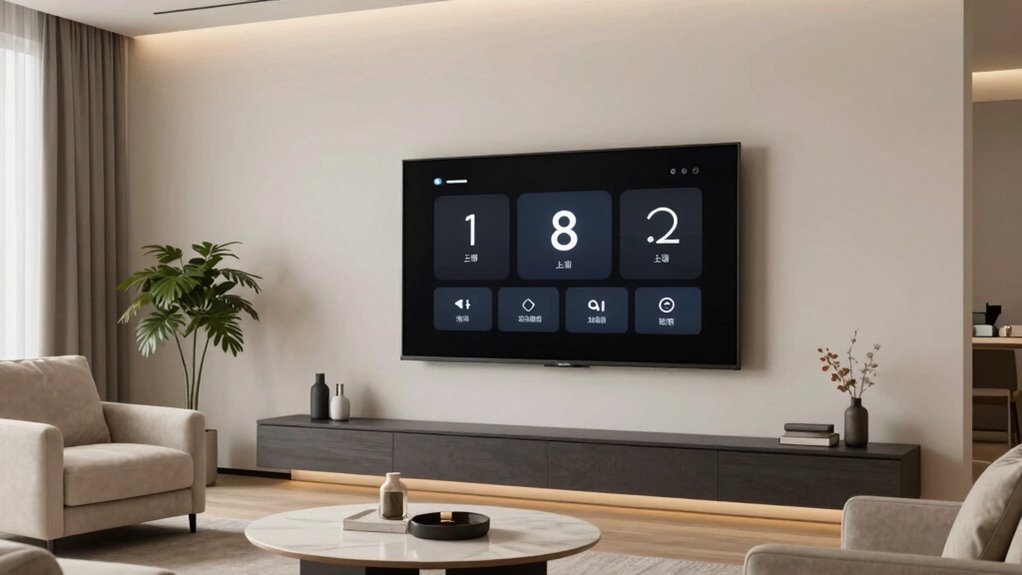

A simple, uncluttered smart home dashboard keeps your focus clear and makes everyday control easy. By customizing controls for essential functions like lighting, temperature, and security, you prevent distraction from unnecessary features. A clean layout with familiar icons improves navigation and reduces confusion. Staying boring helps guarantee your system remains safe and straightforward. Want to discover how maintaining simplicity can enhance your experience even more? Keep exploring to find out more.

Get the latest gadgets delivered free with Prime
- Fast, free delivery on millions of items
- Prime Video, Amazon Music and more included
- Member-only deals all year
Key Takeaways
- A simple, uncluttered interface minimizes distractions, making essential controls easy to find and use efficiently.
- Staying boring prevents overwhelming users, ensuring quick, intuitive navigation for daily routines.
- Minimalist design enhances focus on core functions like security, lighting, and temperature control.
- Avoiding unnecessary visual complexity promotes better user habits and long-term usability.
- A straightforward dashboard supports sustainability by reducing digital waste and encouraging eco-friendly habits.
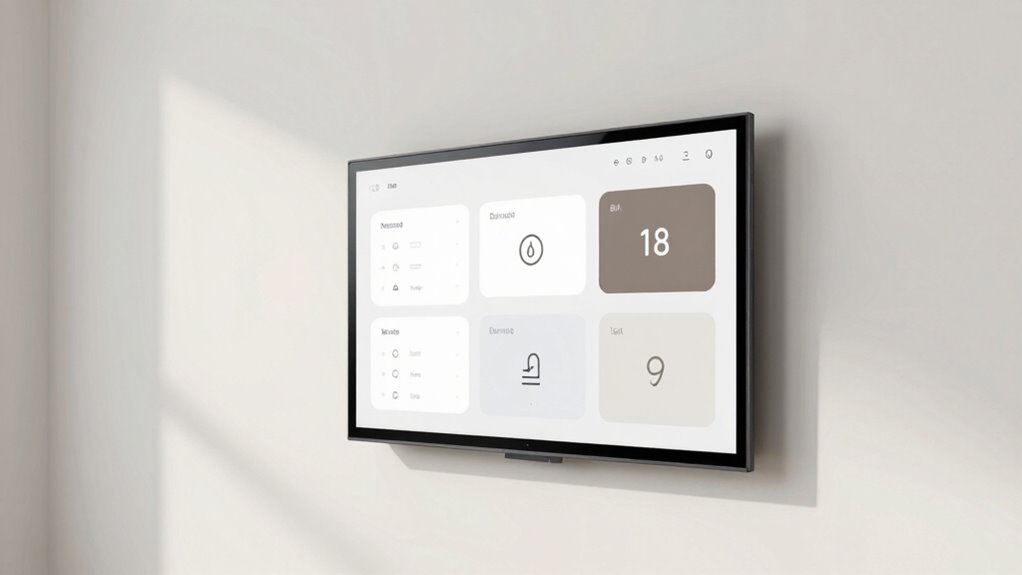
User customization plays a *vital* role in maintaining a boring, effective dashboard. Instead of overwhelming yourself with every feature and option, you can tailor the interface to prioritize what matters most. You might choose a few core controls—like temperature, lighting, and security—placed front and center. This focus *guarantees* you’re not distracted by less-used features and helps reinforce good habits. Customization also means you can adjust the look and feel to match your preferences without adding unnecessary visual clutter. By keeping your dashboard clean and simple, you create a personalized experience that’s easy to *manoeuvre* and consistently useful. Incorporating familiar icons and intuitive layouts, similar to those seen in entertainment content about biographies and sports figures, can make navigation more engaging and straightforward. Additionally, understanding the importance of biodiversity in sustainable living can inspire you to design smart systems that support eco-friendly practices within your home environment. Recognizing the role of user experience in interface design ensures the dashboard remains intuitive and prevents unnecessary complexity. A well-balanced dashboard that considers simplicity and functionality can significantly enhance your daily routines, especially when customization aligns with sustainable and eco-conscious principles.
smart home dashboard customization
As an affiliate, we earn on qualifying purchases.
As an affiliate, we earn on qualifying purchases.
Frequently Asked Questions
How Do I Customize My Smart Home Dashboard Appearance?
To customize your smart home dashboard appearance, start by exploring the visual customization options available in your platform. You can change colors, icons, and layouts to match your aesthetic preferences. Focus on keeping it simple and functional, avoiding clutter. By tailoring the visuals, you make your dashboard more intuitive and pleasing, ensuring you enjoy quick access to controls without sacrificing style or usability.
Can I Add Third-Party Apps to My Dashboard?
Sure, you can add third-party apps to your dashboard, but don’t expect a seamless experience—think of it as trying to fit a square peg into a round hole. Third-party integrations often come with quirks, and app compatibility varies wildly. While it’s tempting to customize, you might find yourself troubleshooting more than enjoying. So, go ahead, explore those apps, but keep your expectations in check for a smoother smart home experience.
What Security Measures Protect My Smart Home Data?
You’re protected by security measures like data encryption and user authentication, which keep your smart home data safe. Data encryption scrambles your information so hackers can’t read it, while user authentication ensures only you can access your dashboard. Regular updates and strong passwords further enhance security. Stay vigilant by enabling two-factor authentication and monitoring device activity, so your smart home remains a secure and reliable environment.
How Often Should I Update My Dashboard Software?
You should update your dashboard software regularly, ideally every few weeks or as soon as updates are available. This keeps it aligned with your user preferences and guarantees you get the latest features and security patches. Regular updates also help prevent issues, making troubleshooting tips easier to follow. Staying current minimizes vulnerabilities and keeps your smart home running smoothly, so don’t delay installing the latest versions.
Is There a Recommended Device for Optimal Dashboard Performance?
For ideal dashboard performance, choose a device with strong device compatibility, like a dedicated tablet or a high-performance smart display. These devices often support extensive dashboard customization options, allowing you to tailor the interface to your needs without sacrificing speed or stability. Look for devices that receive regular updates, ensuring seamless integration with your smart home ecosystem, and avoid overly complex setups that might slow down performance.
Conclusion
Ultimately, a smart home dashboard is like a well-worn map—familiar, straightforward, and easy to read. When it stays simple and unobtrusive, it guides you smoothly through your day, avoiding the chaos of unnecessary bells and whistles. Keep it boring, keep it clear, and let your home’s intelligence work quietly behind the scenes. After all, the best dashboards are like a steady lighthouse—bright enough to guide, but never blinding your way.
Columbus Day / Indigenous Peoples' Day Picks
long weekend sales
As an affiliate, we earn on qualifying purchases.