
🔍 Read the full analysis: Google And AI Pioneering A New Era In Fashion Design on ThorstenMeyerAI.com

Get the latest gadgets delivered free — and shop member deals
- Fast, free delivery on millions of items
- Access to Prime Big Deal Days deals on October 6–7
- Prime Video, Amazon Music and more included
TL;DR
Google partnered with designers Jane Wade and Sergio Hudson to create AI tools that assist with styling and runway staging for New York Fashion Week. These tools aim to streamline workflows and reduce costs, though independent validation is still awaited.
Google’s Envisioning Studio, working with Google Labs, announced on September 18, 2026, the development of two custom AI tools created in partnership with fashion designers Jane Wade and Sergio Hudson for use during New York Fashion Week. For more context, see the original analysis. These tools, designed to assist with styling and runway staging, aim to address workflow inefficiencies and cost concerns in fashion production, with Google claiming their results appeared on the runway.
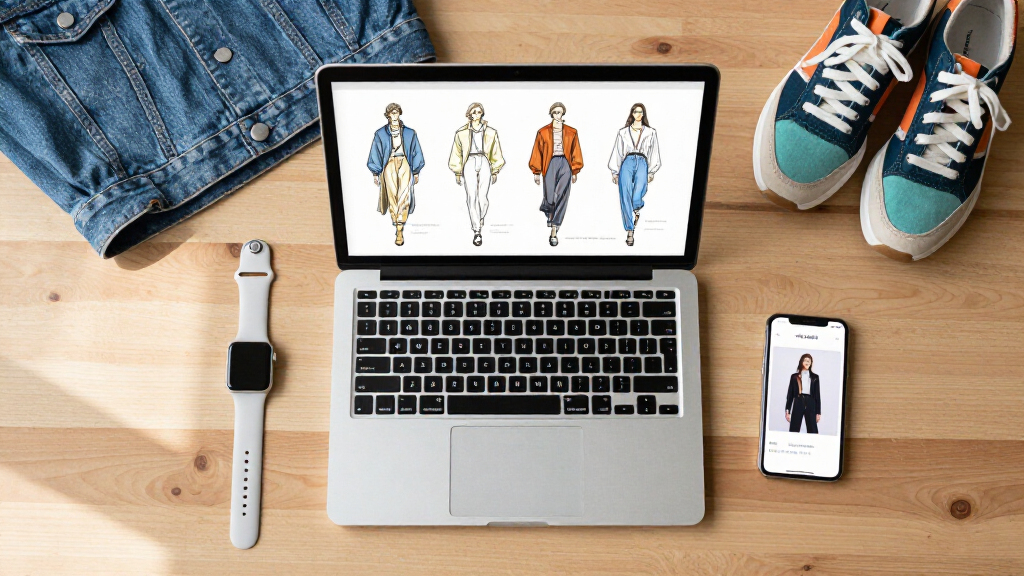
The first tool, Styling Suite, allows Wade to digitally assemble and refine head-to-toe looks, including accessories, hair, and makeup, before physical production begins. Google states this reduces the time typically spent on fittings and casting, which can take up to three days, by enabling virtual styling adjustments. The second tool, Runway Visualization, developed for Hudson, simulates the runway environment, allowing adjustments to lighting, props, and set configurations within budget constraints. This simulation aims to streamline set design and choreography planning, minimizing costly physical renderings and on-site changes.
According to Google, both tools’ outputs were visible at New York Fashion Week, with the company emphasizing that co-developed AI solutions can move beyond pilot projects into routine fashion production workflows. For further insights, see internal coverage. The tools were built in Google Flow, Google’s AI creative studio, with engineers working directly alongside Wade and Hudson to tailor solutions to their specific needs.
Implications for Fashion Production Efficiency
This development highlights how AI can be integrated into existing fashion workflows to reduce time and costs associated with pre-show preparations. By focusing on operational tasks like styling and set staging, Google positions AI as a practical aid for small and mid-sized studios, rather than a replacement for creative decision-making. If these tools prove effective and scalable, they could significantly influence how fashion shows are produced, especially under tight budgets and schedules.
virtual styling software for fashion
As an affiliate, we earn on qualifying purchases.
As an affiliate, we earn on qualifying purchases.
Background on AI in Fashion and Google’s Role
While AI has been explored in fashion for several years, much of the focus has been on generative models for design or marketing content. Google’s approach with Flow and the Envisioning Studio emphasizes co-creation with designers, targeting operational efficiencies rather than creative automation. The recent collaboration with Wade and Hudson marks a shift toward integrating AI directly into the production process, aiming to address specific pain points like styling and staging, which traditionally consume significant time and resources.
These efforts follow broader industry trends where fashion brands and tech companies experiment with digital tools to enhance sustainability, reduce waste, and improve speed-to-market. However, independent validation of Google’s claims remains pending, and it is unclear how widely these tools will be adopted or how much they will actually save in terms of time and costs.
“Using the Styling Suite, I could experiment with looks digitally, which helps me refine and balance designs before physical production begins.”
— Jane Wade
Unverified Claims and Unknown Effectiveness
Google’s announcement relies solely on its own statements, with no independent verification of the tools’ performance, cost savings, or impact on actual runway shows. Details such as how much time or money was saved, whether the tools will be adopted widely, or if they will be integrated into Google Flow as standard features remain unclear. The claim that results appeared on the runway is based on Google’s description, without external confirmation or detailed metrics.
Next Steps for Adoption and Validation
Future Fashion Week cycles will serve as a test for the broader adoption of these AI tools, with industry observers watching whether other designers implement similar workflows. Google has indicated that users can build their own bespoke tools in Flow using natural language descriptions, which could lead to wider customization and application. Independent studies or reports on the actual impact of these tools are expected to emerge, providing clearer assessments of their effectiveness and scalability.
Key Questions
Will these AI tools be available to other designers?
Google has not specified whether Styling Suite and Runway Visualization will become general features of Google Flow or remain limited to these collaborations. They are currently presented as pilot projects tailored to Wade and Hudson’s needs.
How much time or money do these tools actually save?
Google has not provided specific metrics or independent verification of savings in time or costs. The claims are based on the designers’ and Google’s descriptions, without measurable data.
Could these tools replace creative design work?
Google emphasizes that the tools are designed for operational tasks like styling and staging, not for automating creative decision-making. The focus is on efficiency, not replacing designers’ creative roles.
Will other fashion events adopt similar AI workflows?
It remains to be seen whether other designers and brands will implement these or similar tools in future shows. Industry adoption will depend on demonstrated effectiveness and scalability.
Are these tools accessible to non-technical users?
Google states that Flow users can build their own bespoke tools using natural language descriptions, without requiring coding experience, which could broaden accessibility.
Primary source: Google AI · via ThorstenMeyerAI.com
Fall Picks
fall essentials
As an affiliate, we earn on qualifying purchases.