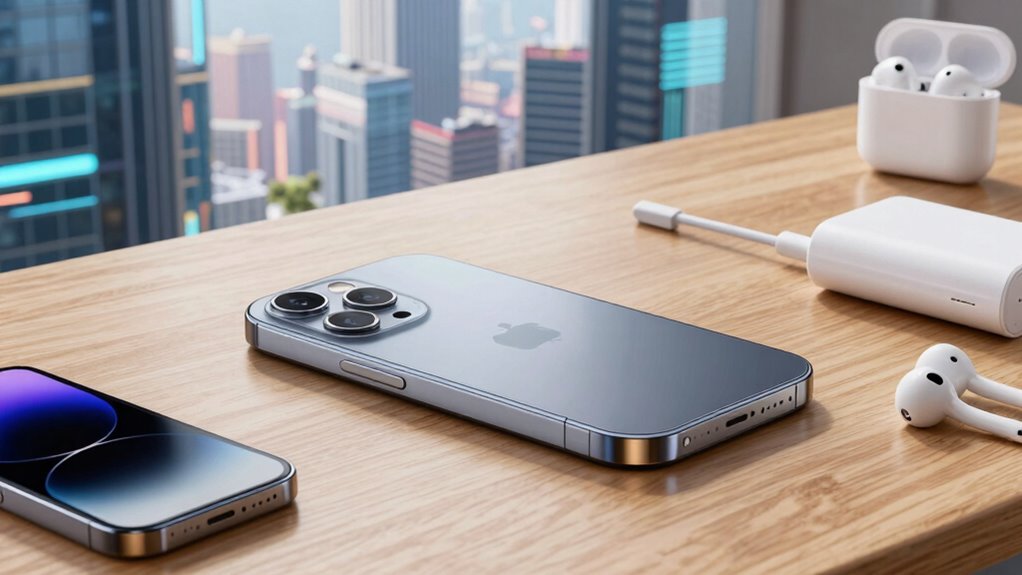

To make a device future-proof in practice, you should look for hardware that’s compatible with upcoming components and easy to upgrade. It needs support for the latest connectivity standards like Wi-Fi 6 and Bluetooth 5.0, along with regular software updates that fix bugs and add features. A modular design with durable materials helps it last longer and adapt as technology evolves. Keep exploring to discover more ways you can guarantee your device stays relevant over time.

Get the latest gadgets delivered free with Prime
- Fast, free delivery on millions of items
- Prime Video, Amazon Music and more included
- Member-only deals all year
Key Takeaways
- Supports upcoming hardware components and peripherals for seamless future upgrades.
- Receives regular software updates that enhance security, performance, and new features.
- Features modular design for easy replacement or addition of internal components.
- Complies with the latest connectivity standards like Wi-Fi 6 and Bluetooth 5.0 for future compatibility.
- Incorporates future-proofing principles, ensuring long-term relevance and adaptability.

As technology evolves at a rapid pace, choosing future-proof devices becomes essential to stay ahead and avoid constant upgrades. A truly future-proof device is one that can adapt seamlessly to new developments, guaranteeing you won’t need to replace it every year. To achieve this, focus on hardware compatibility—the device’s ability to support upcoming hardware components or peripherals without major hassle. When shopping, check if the device is compatible with the latest ports, connectors, and expansion options. This ensures you can add new features or upgrade internal components as technology advances, rather than discarding the device entirely.
Prioritize hardware compatibility to seamlessly support future upgrades and avoid premature device replacement.
Equally important is the device’s capacity for software updates. A future-proof device receives ongoing support from manufacturers, with regular updates that enhance security, fix bugs, and introduce new functionalities. Regular software updates extend the lifespan of your device, keeping it secure and optimized for new applications and operating systems. Before making a purchase, research if the manufacturer commits to long-term software support. Devices that receive frequent updates are less likely to become obsolete quickly and can adapt to changing software requirements over time.
Design considerations also play a role in future-proofing. Devices with modular components, like removable batteries or expandable storage, provide flexibility for upgrades down the line. Choosing a device built with durability and quality materials can help it withstand wear and tear, prolonging its useful life. Additionally, opting for a device that supports backward compatibility ensures compatibility with older software and hardware, reducing the risk of obsolescence. Being aware of connectivity standards and their evolution can help you select devices that support future peripherals and networks more reliably. Incorporating future-proofing principles into your decision-making process can further safeguard your investment as technology continues to evolve. Recognizing the importance of hardware longevity** can also influence your choice for a more sustainable and long-lasting device. Staying informed about technological trends** can help you anticipate future upgrades and avoid premature obsolescence.
Connectivity options are another factor to take into account. Devices equipped with the latest wireless standards, such as Wi-Fi 6 or Bluetooth 5.0, are better prepared for the future. They can connect to newer peripherals and networks, maintaining performance and functionality as technology progresses. Additionally, look for devices that support universal standards and open platforms, which tend to be more adaptable and less reliant on proprietary technology. Furthermore, understanding the evolution of connectivity standards can help you choose devices that remain relevant longer.
future-proof laptop with upgradeable RAM
As an affiliate, we earn on qualifying purchases.
As an affiliate, we earn on qualifying purchases.
Frequently Asked Questions
How Often Do Future-Proof Devices Need Software Updates?
Future-proof devices typically need software updates every few months or as often as new software compatibility issues arise. Regular updates guarantee your device stays compatible with the latest apps, security patches, and features. The upgrade frequency varies depending on the device and manufacturer’s support policy. Staying current with these updates helps extend your device’s lifespan, maintain security, and ensure it remains functional with evolving technology standards.
Can a Device Remain Future-Proof Without Hardware Upgrades?
Can a device stay future-proof without hardware upgrades? Absolutely, if it’s built with hardware longevity in mind. You don’t always need hardware upgrades if the device supports future software updates and maintains compatibility with new technologies. However, as demands increase, upgrade necessity might arise. Staying adaptable by choosing devices designed for longevity guarantees you won’t need hardware upgrades as often, keeping your tech relevant longer.
What Are the Signs of a Device Becoming Outdated?
You’ll notice a device becoming outdated when its performance slows down, apps or features no longer support current updates, or it struggles with newer software. Signs of declining device longevity include battery issues, hardware wear, and incompatibility with fresh technology. Tech obsolescence accelerates when devices can’t keep up with evolving standards, leaving you with limited functionality. Staying aware of these signs helps you decide when it’s time to upgrade or replace your device.
Is Future-Proofing More About Software or Hardware?
Imagine a device that ages like fine wine, retaining its charm over years. Future-proofing leans more on software compatibility, ensuring your device adapts seamlessly to new updates and apps. Hardware longevity is essential but limited if software becomes incompatible. You want a device that evolves with technology, where robust hardware supports ongoing software improvements, keeping your device relevant and efficient long into the future.
Do All Brands Prioritize Future-Proof Features Equally?
Not all brands prioritize future-proof features equally. Some focus heavily on innovation cycles and maintain strong brand loyalty by offering regular updates and adaptable designs. Others may lag behind, emphasizing current trends over long-term flexibility. As a result, your experience depends on the brand’s commitment to evolving technology. To stay future-proof, choose brands known for continuous innovation, rapid software updates, and a reputation for valuing customer loyalty over time.
Conclusion
In a world where technology evolves faster than ever, a future-proof device isn’t just a wish—it’s a necessity. Think of it as a trusty ship sailing through unpredictable seas, ready for any storm that comes its way. By choosing devices with flexibility, upgradability, and strong support, you’re not just keeping up—you’re staying ahead. After all, isn’t it smarter to invest in a device that grows with you rather than one that leaves you stranded?
Evergreen bestsellers Picks
bestsellers
As an affiliate, we earn on qualifying purchases.