
To eliminate Wi-Fi dead zones without buying a new router, adding a mesh network or Wi-Fi extender is your best option. These devices extend your current coverage seamlessly, ensuring strong signals throughout your home or office. Mesh systems work together to create a single, reliable network, while extenders rebroadcast your existing Wi-Fi. Both are easy to set up and cost less than replacing your router. Keep going to discover which solution fits your space best.
Key Takeaways
- Using a Wi-Fi extender can quickly and cost-effectively eliminate dead zones without replacing your existing router.
- Mesh networks offer seamless, reliable coverage across large or multi-room spaces, outperforming traditional single routers.
- Extenders rebroadcast your current Wi-Fi signal to reach hard-to-access areas, improving overall connectivity.
- Proper placement of extenders or mesh nodes is crucial for maximizing coverage and avoiding secondary networks.
- Assess your space size and needs to choose between simple extenders for small fixes or mesh systems for comprehensive coverage.

If you’ve ever experienced frustrating moments when your Wi-Fi suddenly drops or becomes painfully slow, you’re not alone. Dead zones in your home or office are a common frustration, especially when you’re trying to stream, work, or connect multiple devices. Instead of rushing out to buy a new router, there’s a smarter solution that can effectively eliminate these weak spots: setting up a mesh network or using Wi-Fi extenders. These options are designed to improve coverage without the hassle and expense of replacing your current router.
Mesh networks are becoming increasingly popular because they create a seamless Wi-Fi experience across your entire space. Unlike traditional routers that struggle to cover larger or multi-room areas, mesh systems consist of multiple nodes that work together to blanket your home in reliable Wi-Fi. You connect one node to your modem, and the others spread out, communicating with each other to ensure consistent coverage. This setup is especially useful if you live in a larger home or have areas with thick walls that block signals. The beauty of a mesh system is that it’s simple to expand—adding more nodes is straightforward, so you can customize coverage as your needs grow. Additionally, mesh networks often include advanced features that optimize performance and security.
Wi-Fi extenders, on the other hand, are a more budget-friendly and straightforward solution. They pick up your existing Wi-Fi signal and rebroadcast it to dead zones, effectively extending your coverage to areas that previously had weak or no signal. While they’re generally easier to install and less expensive than mesh systems, they can sometimes create a secondary network, which may cause some devices to switch between signals, leading to minor disruptions. Despite that, Wi-Fi extenders are a quick fix for small to medium-sized spaces and are especially handy if you already have a decent router but just need to reach a specific dead zone.
Both mesh networks and Wi-Fi extenders serve the same purpose: defeating Wi-Fi dead zones without the need for a new router. If you’re dealing with persistent weak spots, investing in a mesh system might be the best long-term solution because it provides more robust, seamless coverage. Alternatively, if you’re looking for a quick and affordable fix, Wi-Fi extenders can do the job effectively. Either way, these options are smarter choices than simply replacing your router, especially when they can breathe new life into your existing network. With a little setup, you’ll enjoy consistent, reliable Wi-Fi throughout your space, making dead zones a thing of the past.
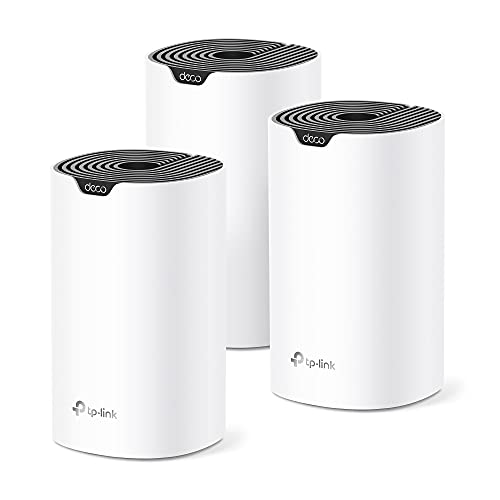
TP-Link Deco S4 Mesh AC1900 WiFi System – Up to 5,500 Sq.ft. Coverage, Replaces WiFi Router and Extender, Gigabit Ports, Works with Alexa, Deco S4(3-Pack)
- WiFi Technology: Deco Mesh for faster speeds
- Coverage Area: Up to 5,500 sq.ft.
- Whole Home Coverage: Eliminates dead zones
As an affiliate, we earn on qualifying purchases.
As an affiliate, we earn on qualifying purchases.
Frequently Asked Questions
How Can I Identify Wi-Fi Dead Zones in My Home?
To identify Wi-Fi dead zones in your home, start by testing your signal strength in different areas using your device’s Wi-Fi analyzer. Focus on areas with weak or no signal, which often result from poor router placement or interference sources like thick walls and electronics. Move your router to a central location, away from interference sources, and re-test to see if your signal improves.
Are There Any Cost-Effective DIY Solutions for Dead Zones?
Like a modern-day lighthouse keeper, you can craft a DIY antenna using materials like aluminum foil or a coat hanger to enhance your Wi-Fi signal. Pair this with a signal booster to extend coverage without spending much. These cost-effective solutions are easy to implement, helping you eliminate dead zones and enjoy reliable internet throughout your home. No need for pricey upgrades—just some handy DIY skills and a little ingenuity.
Will Upgrading My Device Improve Wi-Fi Coverage?
Upgrading your device can improve Wi-Fi coverage if you optimize router placement and reduce interference sources. A newer device might have better antennas or technology, but if your router is poorly placed or affected by interference, you’ll still face dead zones. Make sure your router is centrally located, away from thick walls or electronic devices, to maximize coverage. Upgrading helps, but proper placement and minimizing interference are key for better Wi-Fi.
Do Wi-Fi Extenders Work Better Than Mesh Networks?
Think of Wi-Fi extenders and mesh networks as different routes to the same destination. Mesh networks often work better because they offer seamless coverage, maintaining Wi-Fi signal strength across your space without dead zones. Extenders can help, but their effectiveness depends on proper router placement and avoiding interference. If you want consistent, strong Wi-Fi throughout your home, a mesh network is usually the smarter choice, like having a personal Wi-Fi team working in harmony.
How Do Physical Barriers Affect Wi-Fi Signal Strength?
Physical barriers like walls, furniture, and appliances weaken your Wi-Fi signal by causing interference sources and signal attenuation. These obstacles absorb or reflect signals, reducing their strength and speed. Metal objects and thick materials are especially disruptive. To improve coverage, position your router away from such barriers, elevate it, or consider mesh networks that can better bypass these obstacles, ensuring a more reliable connection throughout your space.
Conclusion
Imagine your Wi-Fi as a garden, with dead zones like patches of barren soil. Instead of uprooting the entire garden and buying a new router, you can enrich the soil with simple fixes. I once boosted my signal using a Wi-Fi extender, and suddenly, streaming in my backyard felt like I was inside. Sometimes, a small tweak, like adding an extender, transforms your entire space, turning dead zones into thriving Wi-Fi gardens.