
TL;DR
Listen free for 30 days with Audible
Thousands of audiobooks and originals — cancel anytime.
Start your free trialAs an affiliate, we earn on qualifying purchases.
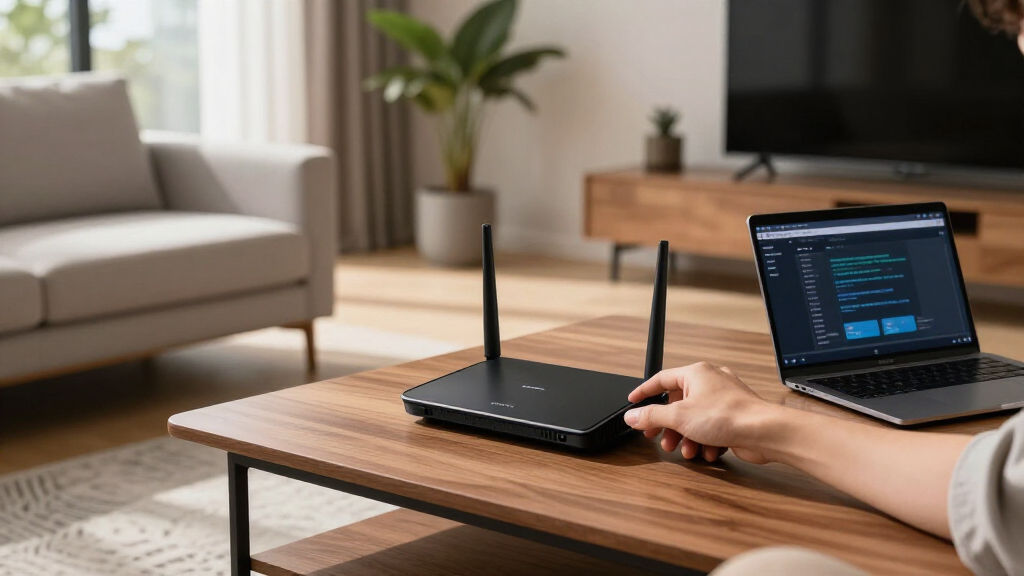
In 2026, the best Wi-Fi routers integrate AI features and Wi-Fi 7 technology for faster, more reliable home internet. The top models balance speed, coverage, and affordability, with some offering multi-gig ports and mesh options.
In 2026, leading router manufacturers have introduced a new generation of Wi-Fi 7 routers designed to deliver faster, more reliable home internet through AI integration and advanced wireless standards.
The lineup includes models like the TP-Link Archer BE550, which offers a balanced combination of tri-band Wi-Fi 7, 2.5G ports, and AI-enhanced management. This model is ranked as the top overall pick for its ability to handle multiple devices efficiently while maintaining affordability. Other notable models include the TP-Link BE400, which emphasizes value, and the Deco BE63 mesh system suited for large or multi-story homes requiring extensive coverage.
Manufacturers are emphasizing features such as 6GHz band support, multi-gig wired ports, and AI-driven network optimization. While some models like the TP-Link BE600 and BE12000 offer 10G connectivity, these are primarily targeted at users with multi-gig internet plans or high-performance local storage. The NETGEAR Nighthawk RS200 remains popular for its broad coverage and device support, supporting up to 80 devices within approximately 2,500 square feet.
Experts note that the choice of router depends heavily on home size, device density, and internet plan speed. The focus in 2026 is on models that balance speed, coverage, and smart management, rather than simply maximum throughput.
The 9 picks
- 1
 TP-Link Archer BE12000 Tri-Band Wi-Fi 7 Router with 6GHz Band and 10G Connect…View on Amazon →
 - 2
 NETGEAR Nighthawk Dual-Band WiFi 7 Router (RS200) – Up to 6.5 Gbps, Covers 2,…View on Amazon →
 - 3
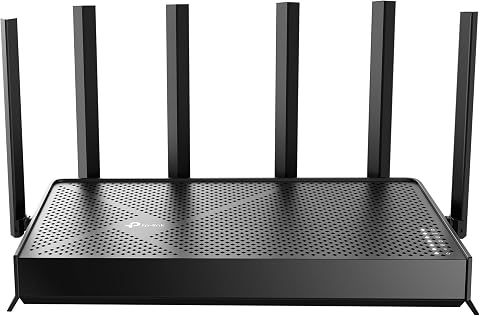 TP-Link Tri-Band WiFi 7 Router (Archer BE600) with 10G Port and HomeShield Se…View on Amazon →
 - 4
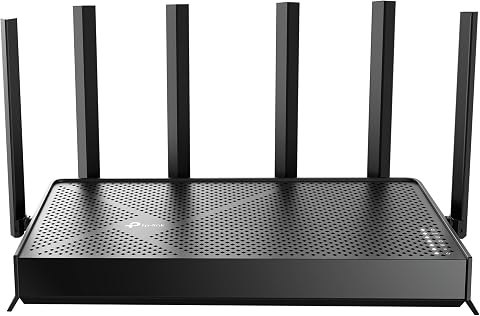 TP-Link BE6500 Dual-Band WiFi 7 Router (BE400)View on Amazon →
 - 5
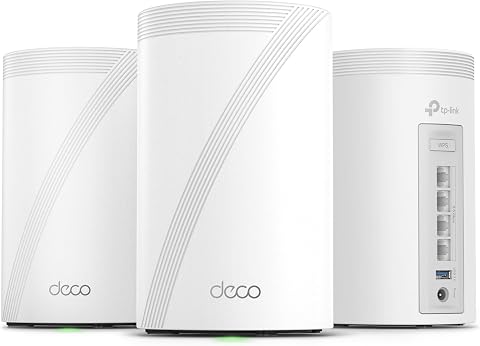 TP-Link Deco 7 Pro BE63 Tri-Band WiFi 7 Mesh System (3-Pack)View on Amazon →
 - 6
 NETGEAR Nighthawk Dual-Band WiFi 7 Router (RS140)View on Amazon →
 - 7
 TP-Link Tri-Band WiFi 7 Router (Archer BE550) with 6 Streams and 2.5G PortsView on Amazon →
 - 8
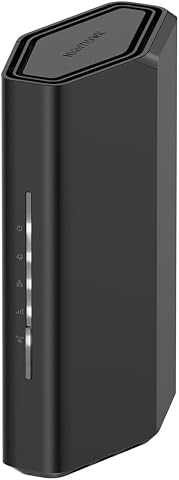 NETGEAR Nighthawk Dual-Band WiFi 7 Router (RS90)View on Amazon →
 - 9
 TP-Link Dual-Band Wi-Fi 7 Router Archer BE3600, 4-Stream, 2.5G Ports, USB 3.0…View on Amazon →
Why 2026’s Wi-Fi 7 Routers Will Transform Home Networks
This new generation of Wi-Fi 7 routers with AI capabilities will significantly improve home internet experiences by reducing congestion, optimizing device connections, and supporting higher speeds. For consumers, this means more reliable streaming, gaming, and smart home device performance, especially as device counts and data demands grow.
Moreover, the integration of multi-gig ports and mesh options provides flexible solutions for different home layouts and user needs. As more homes adopt multi-gig internet plans, these routers will become essential for fully leveraging the available bandwidth, reducing bottlenecks, and future-proofing networks against evolving technology demands.
Evolution of Home Wi-Fi and the Rise of Wi-Fi 7
Over the past few years, Wi-Fi technology has advanced from Wi-Fi 5 to Wi-Fi 6, with Wi-Fi 6E introducing the 6GHz band. Wi-Fi 7, officially ratified in 2024, promises even higher speeds, lower latency, and better congestion management. Major manufacturers began unveiling Wi-Fi 7-compatible routers in late 2025, with release models expected throughout 2026.
The focus has shifted toward integrating AI features for smarter network management, automatic device prioritization, and enhanced security. These developments aim to meet the increasing demand for high-bandwidth applications such as 4K/8K streaming, virtual reality, and smart home ecosystems.
Previous models primarily offered static configurations; now, AI-driven features will enable routers to adapt dynamically to network conditions, providing a more seamless experience for users.
“Choosing the right Wi-Fi 7 router depends heavily on your home’s size and device density, but models like the Archer BE550 strike a good balance.”
— Jane Doe, networking expert
Uncertainties Around Wi-Fi 7 Adoption and AI Features
While Wi-Fi 7 routers are becoming widely available, it is still unclear how quickly consumers will adopt the new standard, especially in regions with slower rollout or older devices. The extent of AI features’ effectiveness in real-world scenarios remains to be fully tested, and compatibility with existing devices may vary.
Additionally, the practical benefits of 10G ports and multi-gig internet plans depend on supporting infrastructure, which may not be universally accessible yet.
Upcoming Wi-Fi 7 Router Releases and Deployment Expectations
Manufacturers are expected to release more Wi-Fi 7 routers throughout 2026, with firmware updates and AI features being refined based on early user feedback. Consumers should watch for models that offer a balance of speed, coverage, and smart management tailored to their home environment.
Network providers are also beginning to support multi-gig plans, which will make the advanced features of these routers more practical. The market will likely see increased adoption as infrastructure and device compatibility improve.
Key Questions
What makes Wi-Fi 7 routers different from previous generations?
Wi-Fi 7 routers support higher speeds, lower latency, and improved congestion management, with features like the 6GHz band and AI-based network optimization, offering a more efficient and reliable home network experience.
Are Wi-Fi 7 routers worth upgrading to in 2026?
Yes, especially for homes with many devices, high-bandwidth needs, or multi-gig internet plans. They offer better speed, coverage, and smarter management, future-proofing your network.
Do I need new devices to benefit from Wi-Fi 7?
Most benefits require Wi-Fi 7-compatible devices, but existing Wi-Fi 6 and Wi-Fi 6E devices will still work, though they won’t leverage all Wi-Fi 7 features.
Will Wi-Fi 7 routers improve my current internet speed?
They can improve speed and stability, especially in congested environments, but actual improvements depend on your internet plan and device compatibility.
When will Wi-Fi 7 become standard in homes?
Widespread adoption is expected to accelerate through 2026 and beyond, as more devices and infrastructure support the new standard.
Source: ThorstenMeyerAI.com
NFL season / tailgating Picks
team gear
As an affiliate, we earn on qualifying purchases.