📊 Full opportunity report: What Do Family And Parenting Products Say About Current Student Behavior? on IdeaNavigator AI — validation score, market gap, and execution plan.
Listen free for 30 days with Audible
Thousands of audiobooks and originals — cancel anytime.
Start your free trialAs an affiliate, we earn on qualifying purchases.
TL;DR
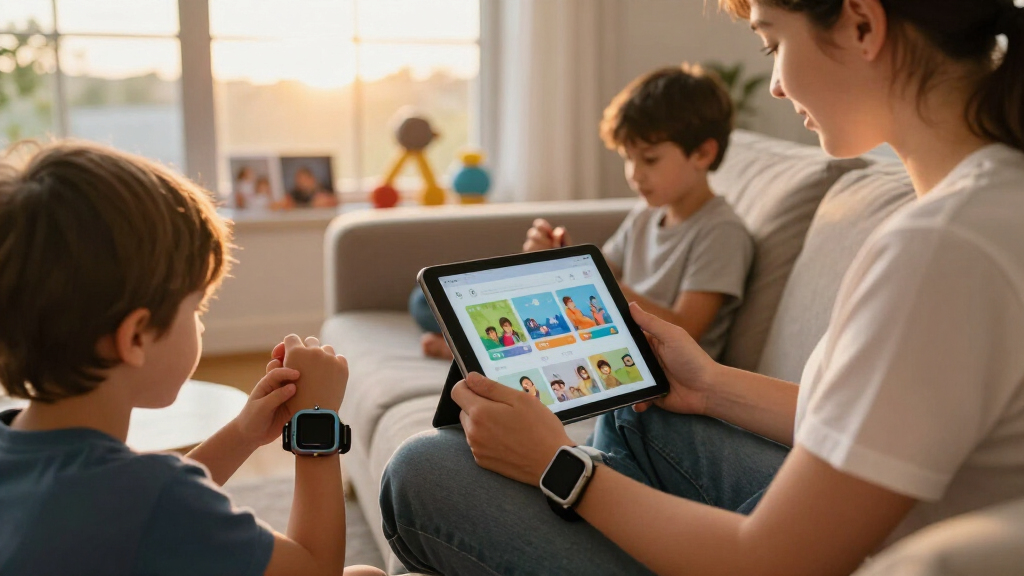
Recent signals from family and parenting products indicate shifts in student behavior, exemplified by incidents like suspensions for bringing coffee. These trends are being monitored to help brands anticipate and respond to emerging student conduct issues.
Recent analysis of family and parenting products signals suggests an emerging pattern in student behavior, highlighted by reports of students being suspended for minor infractions such as bringing coffee to school. These signals are being monitored to understand shifting conduct among students and how parents and schools respond, which could influence product development and safety notices for parenting brands.
Multiple sources indicate that incidents like a student suspension for bringing coffee to school are becoming more visible in parenting and family product signals. These signals are derived from monitoring trends in social media, safety notices, and school reports, revealing a potential rise in minor disciplinary actions among students.
According to a recent analysis by IdeaNavigator AI, these signals are not isolated but part of a broader pattern of student conduct that may reflect changing social norms, safety concerns, or school policies. The signals are being filtered through role-specific monitors designed to alert parenting and kids’ products companies to relevant developments in real time.
Experts note that while such incidents may seem minor, they could indicate larger shifts in student behavior or school environment dynamics, prompting brands to adapt safety messaging, product design, or parental guidance tools accordingly.
Implications for Parenting and Safety Product Strategies
These emerging signals are significant because they provide early insights into evolving student conduct, which can influence how parenting brands develop safety features, communication strategies, and product offerings. Recognizing these trends early allows companies to better support parents and schools in managing behavioral changes and safety concerns, potentially reducing disciplinary incidents or improving intervention tools.
Furthermore, understanding such patterns helps brands anticipate future needs, such as safety alerts, behavioral monitoring apps, or educational resources, aligning their products with current societal shifts. This proactive approach could strengthen brand trust and market relevance amid rapidly changing school environments.
As an affiliate, we earn on qualifying purchases.
Monitoring Trends in Student Behavior and Parental Response
The connection between family products and student behavior trends has grown clearer as digital monitoring tools and safety notices become more integrated into parenting routines. Recent weeks have seen a surge in signals related to minor disciplinary incidents, such as suspensions for bringing coffee or other small infractions, reflecting a possible increase in strict school policies or changing student social norms.
Historically, parenting and family product companies have relied on broader market signals and safety notices, but the current environment emphasizes real-time, role-specific monitoring. This shift allows brands to detect early signs of behavioral changes that may impact product safety, parental guidance, or school-related concerns.
Prior to this, most insights into student conduct came from anecdotal reports or periodic surveys. Now, with advanced trend monitoring and filtering, companies can receive immediate alerts about relevant incidents, enabling faster decision-making and targeted product development.
Extent and Impact of New Student Conduct Trends
It is not yet clear whether these signals represent a temporary fluctuation or a sustained shift in student behavior. The correlation between minor infractions and broader behavioral changes remains under investigation, and the influence of external factors like school policies or social norms is still being analyzed.Next Steps in Monitoring and Responding to Student Behavior Signals
Monitoring systems will continue to track and filter signals related to student conduct, with a focus on verifying whether incidents like suspensions for minor infractions increase or stabilize. Companies and researchers will analyze the data to determine if these patterns reflect deeper societal shifts or are isolated incidents.
Additionally, industry stakeholders plan to develop targeted responses, such as updated safety notices, parental guidance tools, or product modifications, based on verified trends. The goal is to enable proactive engagement with evolving student behaviors and school policies in the coming months.
Key Questions
What does a suspension for bringing coffee to school indicate about student behavior?
It may reflect stricter school policies or changing social norms, but its significance as a broader trend is still being studied.
How can parenting brands use these signals to improve their products?
By monitoring early incidents, brands can adapt safety messaging, develop behavioral support tools, or design products aligned with current student conduct trends.
Are these signals reliable indicators of long-term behavioral shifts?
Currently, it is uncertain whether these incidents are isolated or part of a sustained trend; ongoing analysis is needed.
What external factors might influence these emerging student behavior patterns?
Factors such as school policies, social norms, or external societal influences could impact the frequency and nature of these incidents, but their roles are still under review.
What should parents and schools do in response to these signals?
They should stay informed through monitored signals, communicate openly about behavioral expectations, and consider safety and behavioral support tools as needed.
Source: IdeaNavigator AI
Flea & tick season Picks
flea and tick prevention
As an affiliate, we earn on qualifying purchases.