
TL;DR
Open a free Amazon Business account
Business pricing, bulk buying and tax-exempt orders.
Create a free accountAs an affiliate, we earn on qualifying purchases.
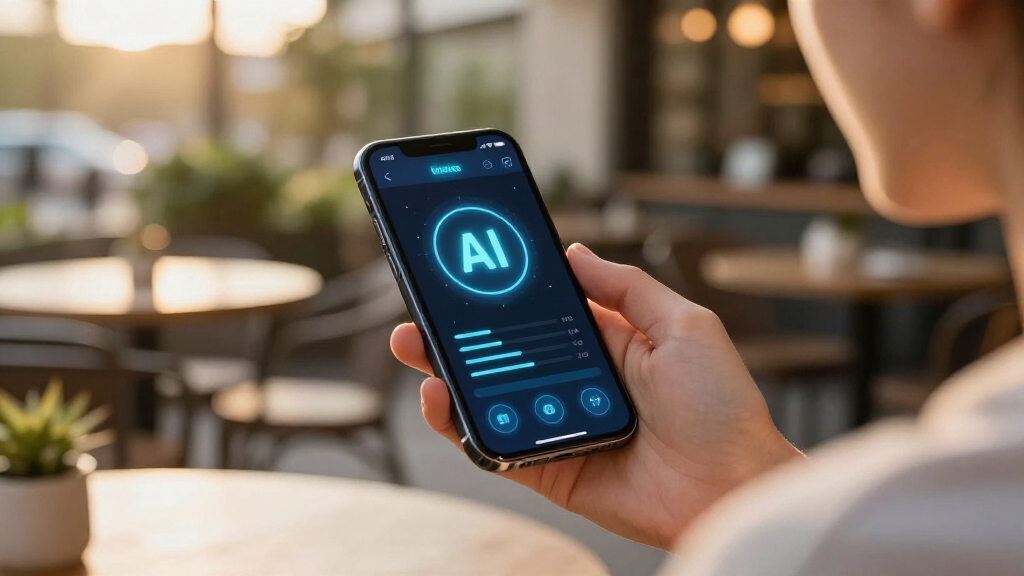
In 2026, ten emerging AI technologies are expected to significantly influence various sectors, including autonomous systems, healthcare, and natural language processing. These developments are based on industry forecasts and current research trends.
Industry experts and market forecasts indicate that by 2026, ten specific AI technologies will be pivotal in transforming sectors such as healthcare, transportation, and communication. These predictions are based on ongoing research, technological advancements, and investment trends, highlighting the growing influence of AI in everyday life. For a detailed overview, see the original analysis.
According to a recent report by Thorsten Meyer AI, experts expect advancements in areas including autonomous systems, AI-powered healthcare diagnostics, natural language processing, and AI-enhanced cybersecurity by 2026. These technologies are projected to improve efficiency, safety, and personalization across industries.
Several key developments are already underway, such as progress in autonomous vehicles, AI-driven medical imaging, and conversational AI models. Industry leaders and research institutions are investing heavily in these areas, signaling their importance for the near future. To explore the best options for home connectivity, see the top mesh Wi-Fi systems.
While many of these technologies are nearing commercial readiness, some claims remain speculative, especially regarding the full capabilities and societal impacts. Experts caution that regulatory, ethical, and technical challenges could influence the pace of adoption. For more insights, see the original analysis.
The 10 picks
- 1
 eero 7 Dual-Band Mesh Wi-Fi 7 Router (3-Pack)View on Amazon →
 - 2
 TP-Link Deco XE75 AXE5400 Tri-Band WiFi 6E Mesh System – 3-Pack, Covers 7200…View on Amazon →
 - 3
 TP-Link Deco X55 AX3000 WiFi 6 Mesh System (3-Pack)View on Amazon →
 - 4
 TP-Link Deco 7 BE25 Dual-Band WiFi 7 Mesh System (3-Pack)View on Amazon →
 - 5
 TP-Link Deco 7 Pro BE63 Tri-Band WiFi 7 Mesh System (3-Pack)View on Amazon →
 - 6
 TP-Link Deco 7 BE23 Dual-Band WiFi 7 Mesh System (3-Pack)View on Amazon →
 - 7
 TP-Link Deco X55 AX3000 WiFi 6 Mesh System – 2-Pack, Covers up to 4500 Sq.Ft,…View on Amazon →
 - 8
 TP-Link Deco S4 2-Pack Whole Home Mesh WiFi SystemView on Amazon →
 - 9
 Eero 6 Mesh Wi-Fi System – 3 Pack (1 Router + 2 Extenders)View on Amazon →
 - 10
 TP-Link Deco S4 Mesh WiFi System (3-Pack) – AC1900, Up to 5,500 sq.ft. Covera…View on Amazon →
Why 2026 AI Tech Predictions Matter for Society
These predicted AI innovations could redefine how industries operate, improve quality of life, and address global challenges like healthcare access and climate change. Understanding these trends helps policymakers, businesses, and consumers prepare for the forthcoming technological shifts.
However, rapid AI development also raises concerns about job displacement, privacy, and ethical use. Staying informed about these predicted technologies enables stakeholders to engage proactively in shaping responsible AI policies.
Current AI Trends and Emerging Research (2023-2025)
Recent advancements in AI include breakthroughs in natural language understanding, reinforcement learning, and multimodal models. Major tech firms and startups are investing in autonomous systems, AI healthcare applications, and cybersecurity tools, reflecting a landscape of rapid innovation.
Industry reports and academic papers indicate that many of these technologies are approaching commercial viability, though widespread deployment still faces technical and regulatory hurdles. The focus remains on improving AI robustness, fairness, and safety.
“While many of these technologies are promising, their societal impacts will depend heavily on regulatory frameworks and ethical considerations.”
— Jane Doe, AI Research Lead at TechInnovate
Unconfirmed Aspects of 2026 AI Technology Adoption
It remains unclear how quickly these technologies will be adopted at scale, as regulatory, ethical, and technical challenges could slow progress. Predictions are based on current research trajectories and investment patterns but are subject to change due to unforeseen obstacles.
Additionally, the societal impacts, such as job displacement or privacy concerns, are still being debated and will depend on policy responses and public acceptance.
Next Steps for AI Development and Policy Frameworks
Researchers and industry leaders will continue refining these technologies through pilot projects and early deployments. Governments and regulators are expected to develop frameworks addressing AI safety, ethics, and privacy in the coming years.
Stakeholders should monitor research breakthroughs, policy developments, and market trends to adapt strategies accordingly, ensuring responsible and beneficial AI integration by 2026.
Key Questions
Which AI technology is most likely to impact daily life by 2026?
AI-powered healthcare diagnostics and autonomous transportation are expected to have significant impacts on daily life, improving safety and efficiency.
Are these predictions based on confirmed breakthroughs?
The predictions are based on current research trends, industry forecasts, and ongoing investments, but full realization by 2026 remains uncertain.
What challenges could delay these AI advancements?
Technical hurdles, regulatory delays, ethical concerns, and societal acceptance are key factors that could influence the pace of adoption.
How should consumers prepare for these AI changes?
Staying informed about AI developments, understanding privacy implications, and adapting skills to new technologies can help consumers navigate upcoming changes.
Source: ThorstenMeyerAI.com
NFL season / tailgating Picks
team gear
As an affiliate, we earn on qualifying purchases.