
TL;DR
The guide compares 10 4K monitors across office work, gaming and mixed use. Its listed options range from 60Hz productivity displays to a 160Hz ASUS gaming model; prices, availability and independent test results are not provided.
Thorsten Meyer AI has published its original analysis of 10 4K monitors for office work, gaming and mixed use, comparing models by screen size, panel type and listed refresh rate. The roundup names the LG 27US500-W as its overall pick and the ASUS TUF Gaming VG27UQ1A as its gaming choice, though the supplied material does not give prices, test methods or confirmation that these picks will remain available in 2027.

Get the latest gadgets delivered free with Prime
- Fast, free delivery on millions of items
- Prime Video, Amazon Music and more included
- Member-only deals all year
The guide’s 10 entries include 27-inch and 32-inch displays from LG, Samsung, ASUS, Dell and Sceptre. All are listed as 3840 × 2160 4K UHD monitors. Most have a stated refresh rate of 60Hz or 120Hz; the ASUS TUF model is listed at 160Hz, while the Sceptre U275W-UPT models are listed at up to 70Hz over DisplayPort.
For general work and color-focused use, the source recommends the LG 27US500-W, citing its IPS panel and a listed 90% DCI-P3 gamut. It highlights the 27-inch Samsung ViewFinity S7 for eye comfort and productivity, while the 32-inch Samsung S70H is presented as a larger-screen value option. The guide identifies the Dell S2725QC as a 27-inch IPS model with 120Hz refresh and the S3225QS as a 32-inch, 120Hz hybrid home-office display.
Tradeoffs differ by model. The ASUS is listed with a 1ms response time and no built-in speakers; the Dell S2725QC has built-in speakers that the source describes as limited in depth and volume. The LG 32U701B-B is listed at 60Hz with a 3000:1 contrast ratio, while the Dell S2725QS is described as having an adjustable ergonomic stand but lacking USB-C power delivery. The two Sceptre entries appear to be closely related U275W-UPT listings, so the source does not establish how they differ.
10 4K monitor picks matched to your needs
The guide compares 10 monitors for office work, gaming and mixed use. Its recommendations are based on listed specifications, with no prices or independent test results provided.
Choose by use case
The roundup groups its picks around work, gaming and larger-screen needs.
LG 27US500-W
A 27-inch IPS option for general work and color-focused use.
ASUS TUF Gaming VG27UQ1A
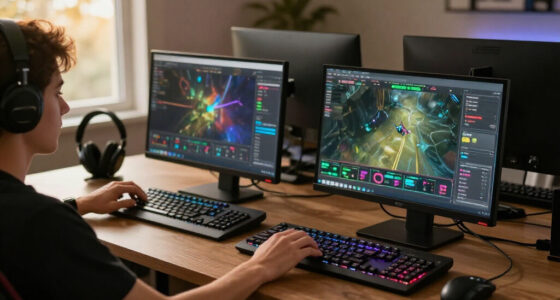
Listed at 160Hz with a 1ms response time; a capable graphics card is needed to make use of high refresh at 4K.
Samsung S70H
Presented as a 32-inch value option for buyers wanting more screen space.
Refresh rate shapes the tradeoff
The listed models span standard productivity refresh rates and faster gaming options.
Compare the buyer priorities
Screen size and listed refresh rate help narrow the shortlist.
| Priority | Guide option | Listed detail |
|---|---|---|
| Color-focused work | LG 27US500-W | 27-inch IPS; 90% DCI-P3 |
| Eye comfort | Samsung ViewFinity S7 | 27-inch productivity pick |
| Hybrid home office | Dell S3225QS | 32-inch; 120Hz |
| Ergonomic stand | Dell S2725QS | Adjustable stand; no USB-C power delivery |
Check before buying
The guide leaves important purchasing details unconfirmed.
- Compare current prices and stock.
- Check full connectivity, stand and speaker specifications.
- For gaming, confirm your system can drive the resolution and refresh rate you want.
- Treat “best overall” as the guide’s recommendation; no independent testing method is supplied.
Choosing Between Sharpness and Speed
The selection illustrates a practical tradeoff for buyers: 4K resolution increases image detail, while higher refresh rates can make motion appear smoother but require more graphics performance to use fully. The guide says the 160Hz ASUS is a better fit for gaming than a budget system, and that standard 60Hz displays are easier to drive. Those are buying considerations rather than results from a disclosed benchmark.
Size and connectivity also affect how a monitor fits a desk and workflow. The source says 27-inch models have sharper text rendering than 32-inch models at the same resolution, though operating-system scaling may be needed for readability. Its Dell comparisons point to USB-C and stand adjustments as features that can matter for laptop-based work, but the listed specifications do not provide a complete port-by-port comparison across all 10 screens.
Products Worth Considering

Bose QuietComfort Headphones (2nd Gen), Wireless Over-Ear Noise-Cancelling Headphones, Black

Kindle Paperwhite (16 GB) – 7 Glare-Free Display, Black

Apple Watch SE 3 GPS 44mm Smartwatch
As an affiliate, we earn on qualifying purchases.
What the Model List Covers
The source frames the roundup as a set of recommendations by use case rather than a record of a new product launch. It groups displays for productivity, eye comfort, gaming, large-screen work and entry-level 4K use. The names and specifications are presented by Thorsten Meyer AI, whose page says it was created with assistance from artificial intelligence and includes an affiliate disclosure for qualifying purchases.
The supplied material lists a handful of technical details, including resolution, size, refresh rate and selected color-gamut figures. It does not provide a dated testing methodology, measured brightness or response-time results for every model, or current price data. As a result, the labels such as “best overall” should be read as the guide’s recommendations, not as independently verified rankings.
Prices and Testing Are Missing
The source does not state when the guide was published, what prices were checked, or whether the products are currently in stock. Although the requested framing refers to 2027, the material does not establish that these models will be sold or remain good-value choices in that year.
Several comparisons also lack detail. The source does not identify the conditions behind the color-gamut figures, provide independent measurements, or list complete connectivity specifications for each monitor. It names both a 27-inch and a 32-inch Dell model at 120Hz, but the material ends partway through the final specifications table. The two Sceptre entries share a model designation, and their relationship is not explained.
Check Listings Before Buying
Readers considering one of the picks should compare current prices, stock and full manufacturer specifications before purchasing, particularly for refresh rate, USB-C power delivery, stand adjustment and speaker availability. Gamers should also check whether their system can drive the resolution and refresh rate they want.
The source provides no announced follow-up, testing schedule or update date. Its recommendations may need revision as pricing, availability and monitor lineups change; the supplied material does not say when that will happen.
Key Questions
Which monitor does the guide recommend for most users?
The guide names the LG 27US500-W as its overall pick, citing its 27-inch IPS panel and listed 90% DCI-P3 color gamut. The source does not provide independent test results or a ranking method.
Which pick has the highest listed refresh rate?
The ASUS TUF Gaming VG27UQ1A is listed at 160Hz at 4K, with a 1ms response time. The guide says using high refresh rates at 4K calls for a capable graphics card.
Are all 10 monitors 120Hz or faster?
No. Several models are listed at 60Hz, including the LG 27US500-W and LG 32U701B-B. The ASUS is listed at 160Hz, while some Dell models are listed at 120Hz.
Does the guide establish that these are the best buys for 2027?
No. It does not give a publication date, current prices, stock information or a 2027 availability check. The recommendations reflect the supplied guide and may not match future prices or product lineups.
Source: Thorsten Meyer AI