

Active recovery involves low-intensity activities like gentle walking, swimming, cycling, stretching, or yoga that promote muscle repair and mental relaxation without putting extra stress on your body. Activities like high-intensity workouts, heavy lifting, or strenuous cardio don’t count as active recovery because they can hinder recovery. To optimize your process, focus on sustainable movements and listen to your body’s signals—there’s more to learn to help you recover better.

Get the latest gadgets delivered free — and shop member deals
- Fast, free delivery on millions of items
- Access to Prime Big Deal Days deals on October 6–7
- Prime Video, Amazon Music and more included
Key Takeaways
- Activities like walking, swimming, cycling, stretching, and yoga at low intensity qualify as active recovery.
- High-intensity workouts, heavy lifting, and strenuous cardio do not count as active recovery.
- Active recovery involves gentle, sustainable movements that promote healing without overexertion.
- Rest days involve complete rest, whereas active recovery includes light activity to support muscle repair.
- Proper hydration, nutrition, and listening to your body’s signals enhance effective active recovery.
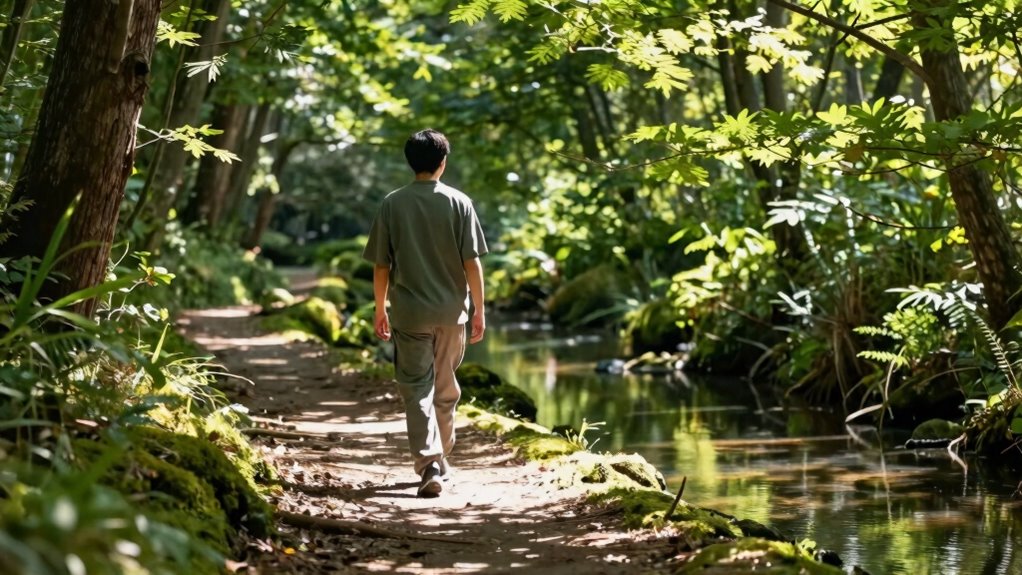
Have you ever wondered how to bounce back faster after intense workouts? One of the best ways to do that is through active recovery, a method that promotes healing without putting additional stress on your body. When you push yourself hard during your sessions, muscle soreness is almost inevitable. Active recovery helps reduce that soreness by increasing blood flow, which delivers oxygen and nutrients to your muscles, aiding in repair and reducing stiffness. But it’s not just about physical benefits; active recovery also plays a significant role in mental relaxation. Engaging in light activity allows your mind to shift focus away from soreness or fatigue, helping you feel more relaxed and less overwhelmed by post-workout discomfort.
Active recovery reduces soreness, boosts blood flow, and promotes mental relaxation after intense workouts.
When considering what counts as active recovery, think about activities that are low-intensity and sustainable. Gentle walking, swimming, or cycling at a relaxed pace are excellent options. These activities keep your muscles moving without overtaxing them, fostering quicker recovery from previous workouts. They also help prevent muscles from tightening up, which can prolong soreness. The key is to stay within a comfortable effort zone, so your body can recover without feeling like you’re working hard. Incorporating stretching or yoga can further enhance recovery by improving flexibility and reducing muscle tension, which contributes to both physical and mental relaxation. Additionally, understanding holistic health tips can help you optimize your recovery process by addressing both mind and body wellness. Recognizing the importance of balancing activity and rest can also support a more effective recovery routine. Incorporating proper hydration and nutrition is essential for optimal muscle repair and overall recovery.
What doesn’t count as active recovery? High-intensity workouts, heavy lifting, or strenuous cardio are off-limits during recovery days. These activities can exacerbate muscle soreness and increase fatigue, hindering your body’s ability to heal. Overdoing it may lead to injury or burnout, defeating the purpose of active recovery altogether. Rest days are different, as they involve complete rest, but active recovery emphasizes movement that feels restorative rather than exhausting. Remember, the goal is to give your muscles and mind a break, so avoid pushing yourself too hard.
Ultimately, active recovery is about listening to your body. If you’re feeling particularly sore or mentally drained, opt for activities that promote gentle movement and relaxation. This approach helps your muscles recover faster and keeps your mind calm, making it easier to stay motivated for your next workout. When done correctly, active recovery becomes an integral part of your fitness routine, ensuring you can train consistently while avoiding burnout and injury. So, next time you finish an intense session, consider a light walk or a relaxing swim — your body and mind will thank you.
As an affiliate, we earn on qualifying purchases.
Frequently Asked Questions
Can I Do Active Recovery Every Day?
You can do active recovery every day, but it’s crucial to take into account rest day considerations and recovery intensity. Light activities like walking or gentle stretching are ideal for daily active recovery, helping your muscles recover without adding stress. However, avoid intense workouts during active recovery days, as they can hinder your progress. Balance your routine to guarantee you’re promoting recovery while preventing burnout or injury.
How Long Should an Active Recovery Session Last?
You should aim for active recovery sessions lasting 20 to 30 minutes. Ironically, that’s enough time to boost hydration strategies and improve sleep quality without overdoing it. Longer sessions might seem tempting, but they could tire you out instead of helping. Keep it light, stay hydrated, and prioritize good sleep afterward. Your body will thank you for the perfect balance between activity and rest.
Is Stretching Considered Active Recovery?
Yes, stretching is considered active recovery, especially when it involves passive stretching techniques. It helps promote muscle relaxation, reducing tension and soreness after intense workouts. Passive stretching allows your muscles to gently lengthen without active effort, aiding recovery. Incorporating stretching into your routine encourages blood flow, eases stiffness, and supports muscle relaxation, making it a beneficial part of your active recovery strategy.
Can Active Recovery Help Prevent Injuries?
Research suggests active recovery can indeed help prevent injuries. By promoting muscle relaxation and increasing circulatory benefits, it aids in reducing muscle soreness and flushing out toxins. These processes allow your muscles to recover more efficiently, decreasing the risk of strains or overuse injuries. Incorporating low-intensity activities after intense workouts helps maintain blood flow, supports tissue repair, and keeps your body resilient against future injuries.
What Are the Best Low-Impact Activities for Recovery?
You should focus on gentle exercises like walking, swimming, or yoga, which are excellent low-impact recovery activities. These recovery techniques help increase blood flow, reduce soreness, and promote healing without stressing your joints or muscles. Incorporating such activities into your routine allows your body to recover more efficiently, preventing injury and enhancing overall performance. Keep the intensity light, and listen to your body’s signals for maximum results.
Conclusion
Remember, active recovery isn’t about pushing yourself to the limit—it’s about gentle movement that helps your body heal and get stronger. Some might think it’s a waste of time or won’t make a difference, but in reality, it speeds up your progress and reduces soreness. So next time you feel like resting completely, consider a light walk or stretch instead. Your body will thank you for the smarter recovery that keeps you moving forward.
Fall Picks
fall essentials
As an affiliate, we earn on qualifying purchases.