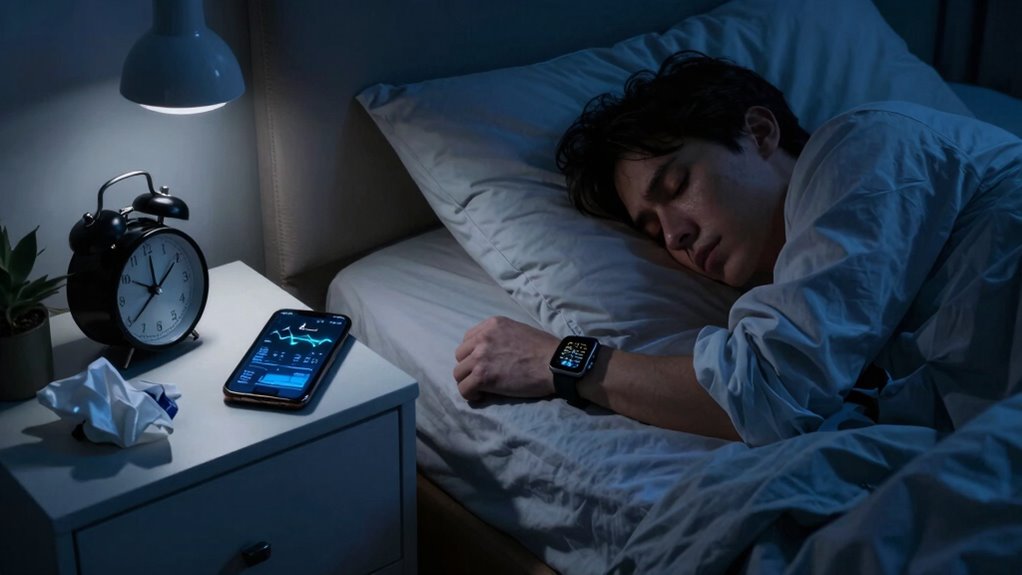

If tracking your sleep causes anxiety or makes you focus more on numbers than how you feel, it’s time to step back. Obsessing over data can lead to stress, worsen sleep quality, and make it harder to relax. Sometimes, environmental factors like noise or lights matter more than what your device says. Learning how to trust your body and set calming routines can help you find better rest. Keep exploring to discover how you can regain peaceful sleep.

Get the latest gadgets delivered free — and shop member deals
- Fast, free delivery on millions of items
- Access to Prime Big Deal Days deals on October 6–7
- Prime Video, Amazon Music and more included
Key Takeaways
- Excessive focus on sleep data can increase worry and disrupt relaxation, making sleep harder to achieve.
- Misinterpreting irregular data as failures may heighten anxiety instead of guiding improvements.
- External sleep environment factors often impact rest more than device metrics, yet may be overlooked.
- Over-reliance on sleep data can reinforce stress, overshadowing natural rhythms and feelings of restfulness.
- Using sleep tracking as a helpful tool rather than a judgment can promote healthier sleep habits.
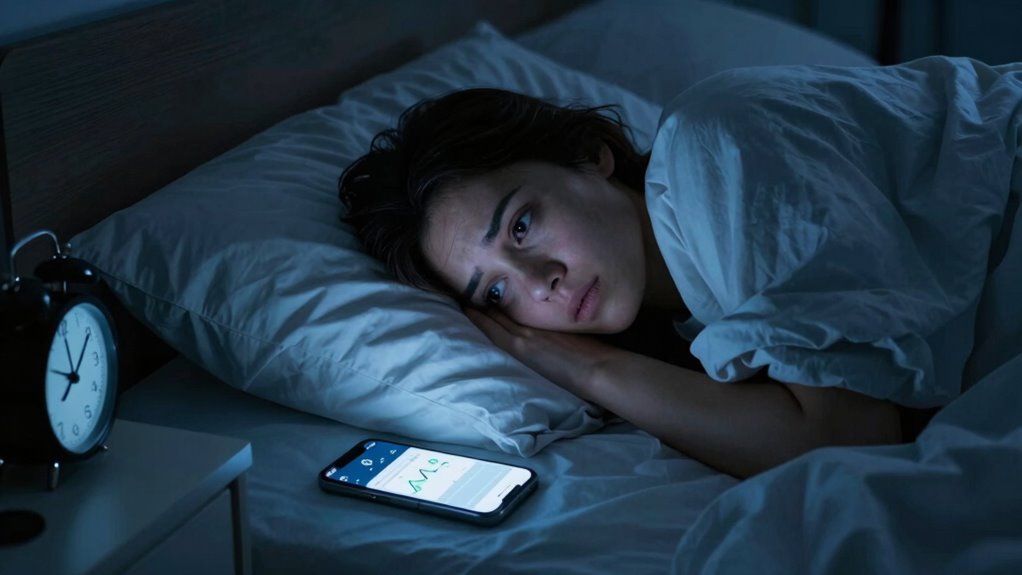
Many people turn to sleep tracking devices to improve their rest, but for some, this technology can lead to increased anxiety about sleep quality. Instead of gaining peace of mind, you might find yourself obsessing over the data, wondering if every night’s sleep was enough or if your dreams reveal something deeper about your health. This constant monitoring can cause more harm than good, especially when you focus too much on numbers rather than how you actually feel throughout the day. Instead of helping you relax, sleep tracking can turn into a source of stress, making it harder to fall asleep and stay asleep.
Sleep tracking can increase stress by obsessing over data instead of listening to how you feel.
One way this anxiety manifests is through overanalyzing your sleep patterns and dream analysis. When you see irregular sleep cycles or frequent awakenings, it’s easy to interpret these signs as failures, even if they’re perfectly normal. You might start questioning your sleep environment—whether your mattress is uncomfortable, your room temperature is off, or your noise levels are disrupting your rest. Instead of addressing these issues straightforwardly, you get caught up in the data, which amplifies worries rather than alleviating them. The more you fixate on your sleep data, the more your mind races, creating a feedback loop that interferes with your ability to unwind naturally. Recognizing that biological rhythms influence sleep naturally can help you understand that not all disruptions are problematic or within your control. Understanding your circadian rhythms can also promote a more balanced perspective on sleep fluctuations.
Your sleep environment plays an essential role here. If your surroundings aren’t conducive to restful sleep—bright lights, loud noises, or an uncomfortable bed—you may feel frustrated that your sleep isn’t improving, even if your device suggests otherwise. But focusing solely on the data can distract you from making simple, effective changes to your sleep environment. It’s also important to remember that sleep data can sometimes be misleading or incomplete, which can reinforce unnecessary worries. Instead of obsessing over minute details or interpreting every dream fragment, it’s better to create a calming bedtime routine and optimize your space for sleep. This helps shift your focus from the numbers to the experience of resting, reducing anxiety and supporting healthier sleep habits.
Ultimately, the key is to use sleep tracking devices as tools rather than sources of judgment. If you notice your anxiety increasing, take a step back and remind yourself that sleep isn’t just about data—it’s about how you feel and function during the day. Prioritize your sleep environment and trust your body’s natural rhythms instead of relying solely on device metrics. Recognizing that sleep data can sometimes be misleading or incomplete is an important concept to keep in mind. By doing so, you’ll foster a healthier relationship with sleep, turning it into a restorative experience rather than a source of stress.
Frequently Asked Questions
Can Sleep Tracking Devices Improve Sleep Quality Over Time?
Yes, sleep tracking devices can improve your sleep quality over time if you focus on data accuracy and use the insights wisely. By regularly reviewing your sleep patterns, you can identify habits that disrupt rest and make targeted changes. However, avoid obsessing over every data point, as stress can hurt your sleep more. Use the device as a helpful guide, not a source of anxiety, to foster better sleep habits.
Are There Healthy Ways to Reduce Sleep Tracking Anxiety?
Yes, you can reduce sleep tracking anxiety through mindful relaxation techniques like deep breathing, meditation, or gentle stretching before bed. Limit your focus on data to prevent dependency on sleep metrics, and instead, trust your body’s natural cues. Establish a calming bedtime routine and set boundaries around device use to help ease anxiety, allowing you to enjoy restorative sleep without feeling overwhelmed by the numbers.
Do Certain Sleep Trackers Provide More Accurate Data?
Like the myth of Icarus, some trackers soar in wearable accuracy but fall short in data interpretation. High-quality devices, such as Fitbit or WHOOP, often provide more reliable data, helping you understand your sleep patterns better. However, no tracker is perfect. Focus on devices known for consistency, and always interpret the data with a critical eye, remembering it’s a guide—not gospel—to your sleep health.
How Often Should I Check My Sleep Data?
You should check your sleep data once a week to avoid falling into a data obsession that can harm your sleep habits. Regularly reviewing your sleep patterns helps identify trends without overwhelming yourself. Daily checks can increase anxiety and lead to overanalyzing, disrupting rest. Focus on overall improvements rather than perfect nightly data, and let your sleep tracker support healthier habits instead of causing stress.
Is It Better to Avoid Sleep Tracking Altogether?
Like a modern-day Galileo, you might question whether to avoid sleep tracking altogether. If your sleep obsession and data dependency cause more stress than benefits, it’s wise to step back. Tracking can become a distraction, fueling anxiety instead of providing clarity. Sometimes, trusting your body and ignoring the numbers helps you rest better. Avoiding constant monitoring allows your mind to relax, ultimately improving your sleep quality.
Conclusion
As you stare at your sleep data, remember it’s just a whisper in the symphony of your rest. Don’t let numbers become shadows that darken your nights, turning peaceful slumber into a battleground. Embrace your sleep as a gentle river, flowing naturally without the need for constant measurement. Sometimes, the most profound rest is found when you silence the data and listen to the quiet rhythm of your body’s needs. Let go, and let sleep be your sanctuary.
Fall Picks
fall essentials
As an affiliate, we earn on qualifying purchases.