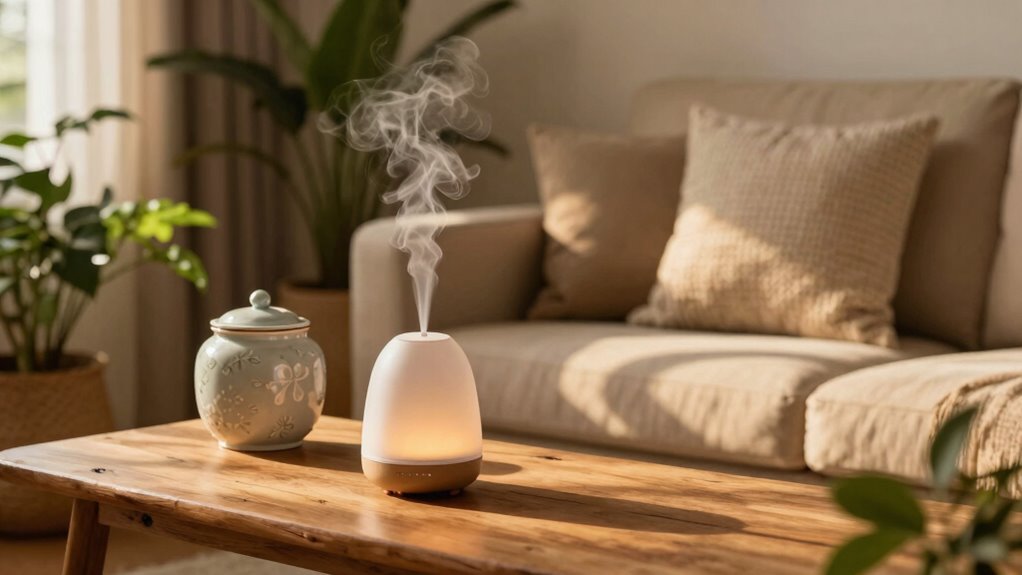

When choosing home fragrances, watch out for synthetic chemicals found in many air fresheners and candles, as they can release irritants into your indoor air and impact your health. Opt for natural ingredients like essential oils and botanicals, which are gentler and less likely to harm air quality. Proper ventilation also helps reduce chemical buildup. To learn how to create a healthier, fragrant home environment, keep exploring ways to improve indoor air quality and safety.

Get the latest gadgets delivered free — and shop member deals
- Fast, free delivery on millions of items
- Access to Prime Big Deal Days deals on October 6–7
- Prime Video, Amazon Music and more included
Key Takeaways
- Synthetic fragrances in air fresheners and candles can release chemicals that irritate respiratory systems and trigger allergies.
- Natural ingredients like essential oils are generally safer and less likely to compromise indoor air quality.
- Overuse of artificial scents can lead to chemical buildup, reducing indoor air quality and potential health risks.
- Proper ventilation helps dissipate scent particles and maintains healthier indoor air.
- Choosing natural fragrances and avoiding synthetic chemicals supports a safer, healthier home environment.
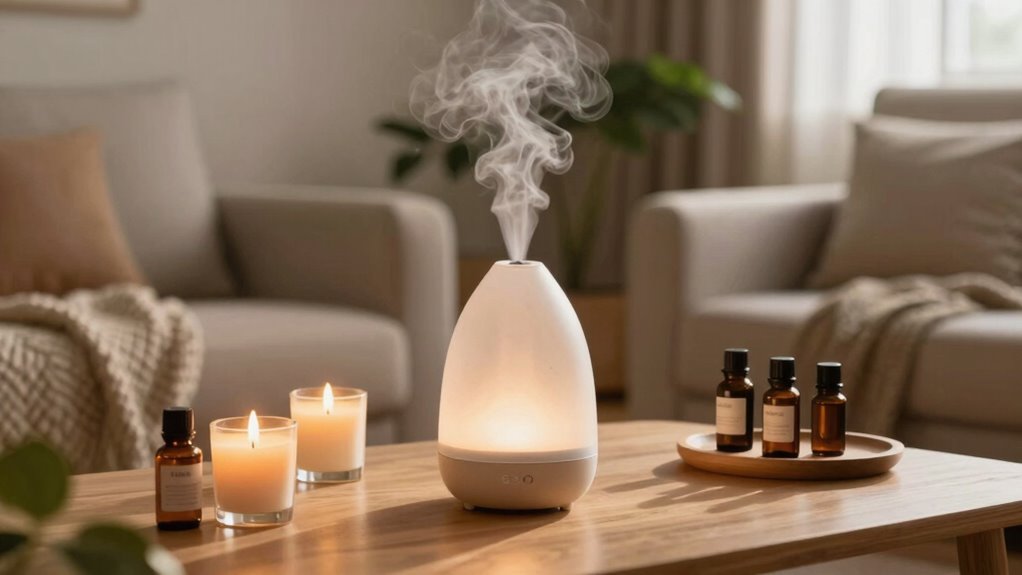
Have you ever wondered how the scents in your home influence the air you breathe? The way your space smells isn’t just about creating a cozy atmosphere; it can also impact your health and well-being. Many commercial air fresheners and candles contain synthetic fragrances that, over time, may release chemicals into the air, potentially irritating your respiratory system or causing allergic reactions. That’s why choosing home fragrances made with natural ingredients becomes so important. Natural ingredients, like essential oils and botanicals, tend to be gentler and less likely to introduce harmful substances into your indoor environment. They can fill your space with authentic, calming scents without the artificial chemicals that might compromise your indoor air quality.
Scent layering is another technique you should consider to create a balanced, harmonious atmosphere in your home. Instead of relying on a single, overpowering fragrance, you can combine different scents at various levels of your space, such as diffusers, candles, and potpourri. This approach allows you to develop a nuanced aroma that enhances your mood without overwhelming your senses. When you practice scent layering with natural ingredients, you not only enjoy a more authentic and complex fragrance but also minimize the risk of exposing yourself to synthetic chemicals. For example, blending lavender and citrus oils can produce a refreshing and relaxing aroma that’s both pleasing and health-conscious. Additionally, understanding how indoor air quality influences your overall health can help you make better choices when selecting fragrances for your home. Maintaining good indoor air quality by choosing natural ingredients can significantly contribute to your overall health and comfort. Incorporating proper ventilation techniques can further improve air circulation and reduce the buildup of potentially harmful substances. Moreover, being aware of synthetic chemicals in fragrances can guide you toward safer, healthier options. Recognizing the importance of air purification methods can also help in maintaining a cleaner indoor environment and reducing airborne pollutants.
As an affiliate, we earn on qualifying purchases.
Frequently Asked Questions
Are Natural Fragrances Safer Than Synthetic Ones?
Natural fragrances, made from natural extracts, are generally safer than synthetic ones because they contain fewer synthetic additives, which can cause allergies or irritation. However, natural doesn’t always mean risk-free—some people may still have sensitivities. Synthetic fragrances can include potentially harmful chemicals, but they’re often more consistent and long-lasting. Always read labels, and if you have allergies or sensitivities, test new scents cautiously to protect your indoor air quality.
How Often Should I Air Out My Home After Using Fragrances?
Think of your home as a castle, needing fresh air to defend against lingering fragrance residue. You should air out your home for at least 15-30 minutes after using fragrances, especially if you notice strong scents or discomfort. Regular ventilation frequency prevents buildup and keeps indoor air healthier. Opening windows and doors helps disperse fragrance residue, ensuring your space remains fresh and safe for you and your loved ones.
Can Home Fragrances Trigger Allergies or Asthma?
Yes, home fragrances can trigger allergies or asthma, especially if you’re fragrance-sensitive. Indoor scent exposure may cause symptoms like sneezing, coughing, or shortness of breath in sensitive individuals. To minimize risks, choose unscented or naturally scented products and make sure proper ventilation. If you notice adverse reactions, consider reducing fragrance use and consult a healthcare professional for guidance. Your health should always come first.
Do Air Purifiers Remove Fragrance Chemicals Effectively?
Air purifiers can effectively remove fragrance chemicals if they feature chemical filtration and VOC removal capabilities. But beware—some devices only target dust or allergens, leaving harmful scent molecules behind. Imagine walking into your home and feeling refreshed, free from lingering fragrances. To truly clear the air, choose an purifier designed for chemical filtration, ensuring it tackles those invisible VOCs and fragrance chemicals that might be affecting your health.
Are There Eco-Friendly Options for Home Fragrances?
Yes, there are eco-friendly options for home fragrances. You can choose products made with sustainable sourcing, ensuring ingredients are responsibly harvested. Look for brands that use biodegradable packaging, which reduces environmental impact. These options often avoid synthetic chemicals, making them safer for indoor air quality. By selecting eco-conscious fragrances, you support sustainability while enjoying pleasant scents that won’t harm your health or the planet.
Conclusion
Remember, your home fragrance is like a double-edged sword—it can lift your spirits or cloud your air. By choosing natural scents and ventilating well, you turn your space into a refreshing gust rather than a trap of hidden dangers. Think of your indoor air as a delicate garden; with mindful care, it blossoms into a haven of health and happiness. Your home’s atmosphere is yours to nurture—keep it fragrant, safe, and inviting.
Fall Picks
fall essentials
As an affiliate, we earn on qualifying purchases.