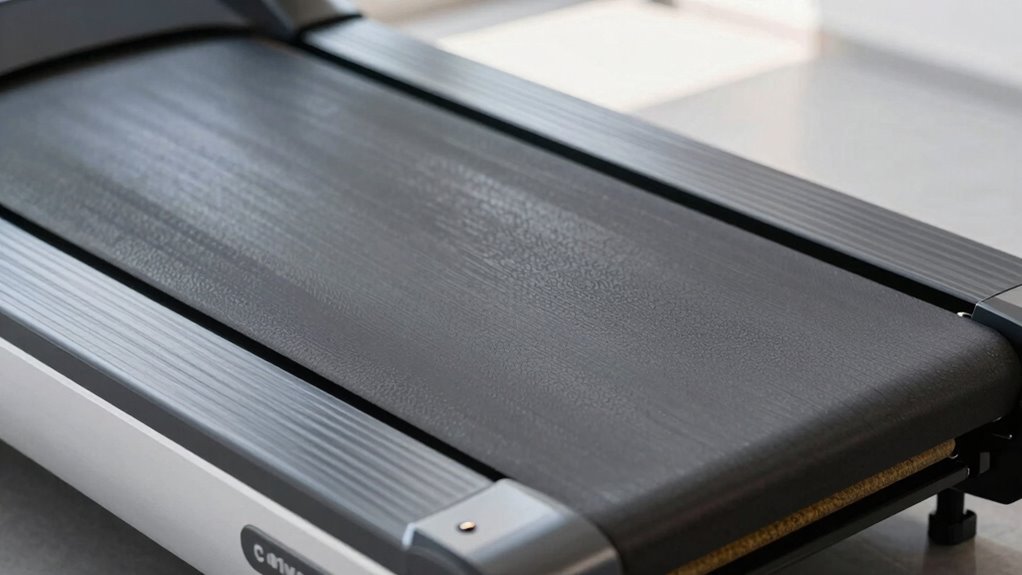

While a cushioned treadmill feels great and reduces joint impact, it can also affect your running form and efficiency. Soft surfaces may cause you to alter your stride unconsciously, weaken stabilizing muscles, and rely more on joints for shock absorption. Over time, this can increase injury risk or lead to imbalances. Balancing cushioning levels and staying mindful of your form can help prevent issues—keep exploring to learn how to strike that perfect balance.

Get the latest gadgets delivered free with Prime
- Fast, free delivery on millions of items
- Prime Video, Amazon Music and more included
- Member-only deals all year
Key Takeaways
- Excessive cushioning may reduce ground feedback, weakening stabilizing muscles and altering running mechanics over time.
- Softer decks can lead to less efficient strides and unconscious gait adjustments.
- Insufficient cushioning increases impact forces, risking joint and tissue injuries.
- Balancing cushioning levels helps optimize comfort, support, and injury prevention.
- Incorporating varied surfaces and mindful running form mitigates tradeoffs associated with cushioning.
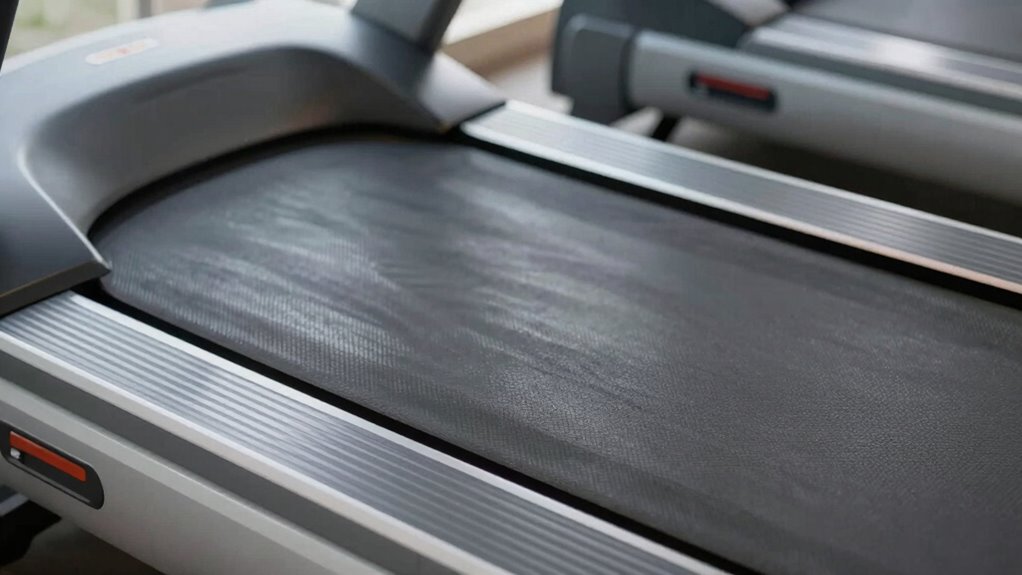
While cushioning on a treadmill can make running more comfortable, it also creates a tradeoff that affects your performance and injury risk. The primary benefit of a cushioned deck is impact absorption. When you land on a soft surface, it reduces the strain on your joints, muscles,, and tendons. This is especially appealing if you’re recovering from an injury or trying to minimize joint stress over long runs. However, the softer surface also influences your running mechanics. Because the deck absorbs some of the shock, you might unconsciously alter your stride, taking longer or shorter steps, or changing your foot strike pattern. These adjustments can lead to less efficient running form over time.
Impact absorption is a double-edged sword. While it protects your joints from excessive force, it can also diminish the feedback your body receives from the ground. When your treadmill’s cushioning is too soft, your muscles may not engage as fully as they would on a harder surface, potentially weakening stabilizing muscles or leading to altered gait patterns. Over time, these changes can contribute to overuse injuries or imbalances because your body isn’t adapting to the natural demands of running on different terrains. Understanding running biomechanics can help you recognize how cushioning affects your overall form and efficiency. Additionally, run biomechanics play a crucial role in sustaining injury-free running.
Excessive cushioning can weaken muscle engagement and alter gait, increasing injury risk over time.
Your running mechanics are essential because they determine how efficiently you move and how much stress you place on your body. Excessively cushioned surfaces can encourage a softer, less controlled stride, making it harder to maintain proper alignment and cadence. This can cause you to rely more on your joints for shock absorption, which might negate the benefits of impact absorption altogether. Conversely, a treadmill with too little cushioning forces you to absorb more impact, increasing the risk of injury, especially if your form isn’t perfect. Finding a balanced level of cushioning can help maintain optimal running efficiency and reduce injury risks. Moreover, understanding impact management can help you select the right surface to support your running goals and prevent long-term damage.
It’s important to recognize that a balanced approach works best. Ideally, you want a treadmill deck that offers enough impact absorption to protect your joints without compromising your running mechanics. Adjusting your stride and staying mindful of your form can help you adapt to different surfaces. Consider alternating between softer and firmer decks or running on outdoor surfaces periodically to strengthen your muscles and improve your impact management. Remember, a balanced cushioning system is key to optimizing both comfort and performance, minimizing the risk of injury and promoting sustainable running habits. The goal is to find that sweet spot where cushioning supports your comfort and health without sacrificing efficiency or increasing injury risk.
treadmill impact absorption cushioning
As an affiliate, we earn on qualifying purchases.
As an affiliate, we earn on qualifying purchases.
Frequently Asked Questions
How Long Does Treadmill Cushioning Typically Last Before Needing Replacement?
The cushioning on your treadmill typically lasts about 3 to 5 years, but this depends on usage and maintenance. Regular cushioning maintenance can extend its lifespan, so check for signs of wear like decreased shock absorption. Replacement frequency varies; if you notice increased joint discomfort or visible deterioration, it’s time to substitute. Staying attentive to your treadmill’s condition helps ensure a safe, effective workout and prolongs the cushioning’s usability.
Does Softer Cushioning Increase the Risk of Ankle Injuries?
You might think softer cushioning offers a gentler run, but ironically, it can increase your risk of ankle injuries. Softer mats may absorb impact, yet they often compromise ankle stability, making your ankles more prone to twists or sprains. So, while your joints enjoy cushioning impact, your ankles might suffer the unintended consequence. Balance your desire for comfort with the need for stability to keep injuries at bay on your treadmill.
Can Cushioning Be Customized on Existing Treadmills?
Yes, cushioning customization is possible on some existing treadmills. Many models offer adjustable shock absorption features, allowing you to tailor the cushioning to your preference. You can often modify the deck’s firmness or softness, enhancing comfort and reducing impact. Check your treadmill’s manual or contact the manufacturer to see if your model supports cushioning adjustments, helping you optimize shock absorption and reduce injury risk based on your running style.
Is There an Optimal Level of Cushioning for Injury Prevention?
Think of your running biomechanics like a tightrope walk—balance is key. The ideal cushioning level acts as a sturdy safety net, providing shock absorption without sacrificing stability. Too much cushioning, and you risk altered biomechanics that may cause injury; too little, and impact forces increase. Aim for a balance that supports proper shock absorption, aligning with your natural gait, to minimize injury risk and enhance your running efficiency.
How Does Cushioning Affect Overall Treadmill Durability?
Cushioning improves impact absorption, making your runs more comfortable, but it can also affect treadmill durability. Over time, softer materials may degrade faster due to repeated impact, leading to uneven wear and potential mechanical issues. If you prioritize longevity, choose a treadmill with balanced cushioning that offers impact absorption without sacrificing material durability. Regular maintenance can also help extend the lifespan of cushioning components and keep your treadmill functioning smoothly.
Conclusion
While treadmill cushioning feels like walking on clouds, remember it’s a double-edged sword. It’s a tempting cushion that can lull you into overconfidence, but beneath that softness lies a hidden trap—less shock absorption from the ground up. So, stay alert and balance your comfort with caution. Think of the treadmill as a delicate dance floor; too much padding might make your steps too easy, but it can also make your footing less firm. Choose wisely, and keep your stride steady.
Halloween Picks
halloween
As an affiliate, we earn on qualifying purchases.