
Movie color grading is the invisible trick that transforms raw footage into scenes that evoke specific moods and emotions, often without you realizing it. By subtly adjusting hues, contrast, and saturation, filmmakers shape the atmosphere and guide your emotional response. These choices help create a consistent visual style that feels natural yet compelling. If you keep exploring, you’ll discover how expert color grading seamlessly enhances storytelling and intensifies your cinematic experience.
Key Takeaways
- Subtle color adjustments influence mood and atmosphere without drawing attention, making scenes feel naturally different.
- Color grading manipulates contrast, saturation, and hue to guide emotional responses subtly.
- Using color psychology, filmmakers evoke specific feelings while maintaining visual coherence.
- Precise control with tools like LUTs and curves allows seamless scene transitions and tonal consistency.
- Invisible grading enhances immersion, making scene differences feel authentic and emotionally impactful.

Movie color grading is an essential step in the filmmaking process that transforms raw footage into a visually compelling story. It’s where you, as a filmmaker, can shape the mood, tone, and emotion of a scene through careful manipulation of color. This process isn’t just about making things look pretty; it’s a powerful tool used to enhance your cinematography techniques and deepen the narrative. When you understand how to use color grading effectively, you can guide your audience’s emotional response without saying a word. It’s like adding a layer of subconscious storytelling, where each hue and contrast choice subtly influences how viewers interpret what they see.
Think of color grading as the final brushstroke on your cinematic canvas. It allows you to emphasize certain elements, create visual coherence, and establish atmosphere. For example, a desaturated, cool-toned palette can evoke feelings of loneliness or suspense, while warm, vibrant hues might communicate happiness or nostalgia. You don’t need to overdo it; sometimes, a slight shift in color balance can make a scene feel entirely different. This is where your understanding of cinematography techniques becomes significantly important. You’ll use tools like color wheels, curves, and LUTs to precisely control the look of your footage. The goal is to craft a visual style that supports your storytelling, whether it’s gritty realism or surreal fantasy.
Color grading shapes mood and atmosphere with subtle shifts in color balance, enhancing storytelling through visual coherence.
By mastering color grading, you’re fundamentally giving your scenes a visual identity. It’s a subtle but powerful way to communicate mood, time of day, or even character psychology. Different colors evoke different emotional responses, so choosing the right palette helps you tell your story more effectively. When you manipulate contrast and saturation, you also affect how viewers perceive depth and focus, guiding their attention to specific details or characters. This is the essence of visual storytelling—using color as a narrative device. Your skill in applying these techniques can turn a good scene into a memorable one, making the emotional impact resonate long after the screen goes dark.
Additionally, understanding color psychology can help you select hues that resonate with your intended emotional tone, making your scenes even more impactful. Ultimately, color grading isn’t about drawing attention to itself; it’s about supporting your story in a seamless, invisible way. When done well, viewers won’t notice the adjustments—they’ll just feel the scene’s mood more intensely. This invisible trick makes your scenes feel different, more immersive, and emotionally charged. As you develop your craft, remember that every color choice should serve the story and enhance your cinematography techniques. When used thoughtfully, color grading becomes your secret weapon, elevating your filmmaking to new levels of visual storytelling mastery.

WYRESTORM 4K AI Tracking Conference Webcam, Auto Framing & Presenter Tracking, 120° Wide Angle, Dual Noise Cancelling Mics, Privacy Cover, USB Plug & Play, Zoom Certified for Teams Meeting Rooms
【Built for Small Conference Rooms】Designed specifically for small meeting spaces, this conference room camera system ensures every participant...
As an affiliate, we earn on qualifying purchases.
Frequently Asked Questions
How Does Color Grading Influence Audience Emotions?
Color grading influences your emotions by using color psychology to evoke specific feelings. When you watch a scene, warm tones can create comfort and intimacy, while cool tones might generate calmness or sadness. By carefully adjusting colors, filmmakers enhance the emotional impact, guiding your mood and reactions without you even realizing it. This subtle manipulation makes scenes feel more immersive and emotionally resonant, deepening your connection to the story.
What Software Tools Are Best for Beginner Color Grading?
Imagine you’re holding a paintbrush, ready to transform your scene’s mood. For beginner color grading, software like DaVinci Resolve offers a gentle entry with its user-friendly interface and powerful tools, making it perfect for mastering color grading fundamentals. Adobe Premiere Pro and Final Cut Pro also provide beginner software comparisons, helping you discover intuitive options that access your creative palette and bring cinematic magic to your projects.
Can Color Grading Be Done During Filming?
Yes, you can do some color grading during filming by choosing the right film stock and lighting design. Using different film stocks can give your footage distinct color tones, while thoughtful lighting enhances mood and contrast. This pre-visualization helps set the scene’s tone, reducing the need for extensive post-production. Combining these techniques allows you to achieve a specific look right on set, making your scenes feel more immersive and visually cohesive.
How Long Does the Color Grading Process Typically Take?
The color grading process typically takes anywhere from a few days to several weeks, depending on the project’s complexity. Industry standards suggest that you should allocate ample time for review and revisions, often around 1 to 3 weeks. Your timeline duration can be affected by the scene count, desired look, and the editor’s expertise. Be patient, as this step considerably enhances your film’s overall mood and visual storytelling.
What Are Common Mistakes to Avoid in Color Grading?
You should avoid common mistakes like mismatching colors across scenes, which can distract viewers and break immersion. Be mindful of film stock characteristics to maintain consistency, and watch out for color mismatches that can make scenes feel disjointed. Rushing the process or overcorrecting can also harm the final look. Always review your work carefully, ensuring seamless progression and cohesive color tones throughout your project.
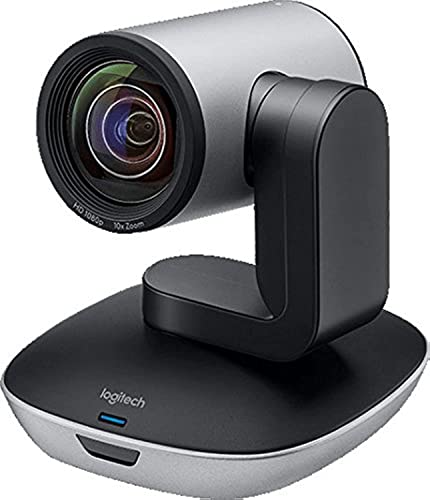
Logitech PTZ Pro 2 Camera – USB HD 1080P Video Camera for Conference Rooms
Ideal for conference rooms, training environments, large events and other Professional video applications
As an affiliate, we earn on qualifying purchases.
Conclusion
Now that you know the secret of color grading, you’ll see every movie in a whole new light—like stepping into a different universe with just a flick of a switch! It’s the invisible magic that turns bland scenes into unforgettable masterpieces, making you feel emotions you didn’t even realize were possible. So next time you watch a film, remember: behind every stunning scene, there’s a color grade working its silent, mind-blowing magic just for you.

WAAWO USB C Webcam PTZ Webcam, 4K Streaming Web Camera with Folded Bracket, 3X Digital Zoom with Remote Control, One Click Mute for Privacy Protection, Works with Zoom,OBS,TikTok,YouTube,etc
【4K Movie-level Video】WAAWO webcam’s 4K video quality allows you to stay indoors and experience the ultra-hd world on...
As an affiliate, we earn on qualifying purchases.

Angetube TrackCam 4K Webcam for PC/Mac - AI Tracking USB 3.0 Streaming Camera with Remote Control, Gesture Control, PTZ, HDR, Microphones, Web Camera for Desktop Computer, Laptop, Meeting, Video Call
【4k webcam with Powerful AI Tracking】 The Angetube Trackcam 4K Webcam for PC features a PTZ design with...
As an affiliate, we earn on qualifying purchases.