
If you’re aiming for smooth wireless PCVR streaming in 2026, I recommend contemplating CPUs like the AMD Ryzen 7 5800XT or Ryzen 7 5700X for their high core counts and fast boost speeds. The Ryzen 5 5600 and Ryzen 5 5500 are good budget options, too. For maximal performance, look at unlocked processors with large caches and overclocking capabilities. Keep in mind that cooling and compatibility matter, and there’s more to consider as you optimize your setup.
Key Takeaways
- Prioritize CPUs with at least 6 cores and 12 threads for smooth VR streaming performance.
- Look for processors with high clock speeds (4.2 GHz or higher) to reduce latency and improve responsiveness.
- Choose CPUs with larger cache sizes (e.g., 36 MB) for faster data access during high-data VR tasks.
- Opt for unlocked, overclockable CPUs to maximize performance with robust cooling solutions.
- Ensure CPU compatibility with modern motherboards supporting PCIe 4.0 and DDR4-3200 for future upgrade flexibility.
| AMD Ryzen 5 3600 6-Core Desktop Processor |  | Best Performance for Gaming | Cores: 6 cores | Threads: 12 threads | Max Boost Clock: 4.2 GHz | VIEW LATEST PRICE | See Our Full Breakdown |
| AMD Ryzen™ 7 5800XT 8-Core 16-Thread Unlocked Desktop Processor | 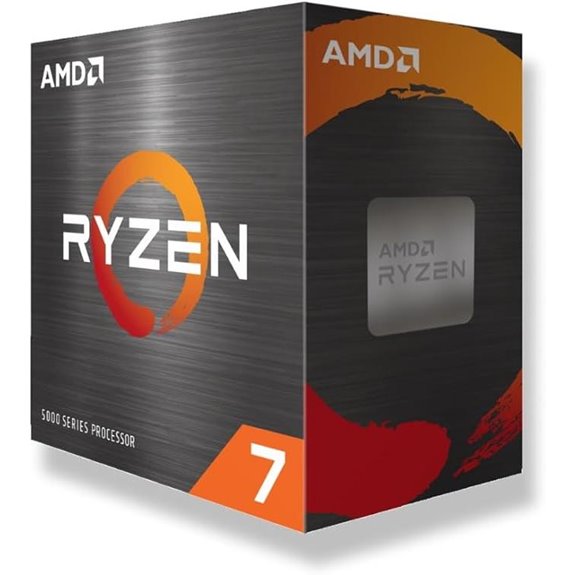 | High-End Powerhouse | Cores: 8 cores | Threads: 16 threads | Max Boost Clock: 4.8 GHz | VIEW LATEST PRICE | See Our Full Breakdown |
| AMD Ryzen 5 5500 6-Core Desktop Processor | 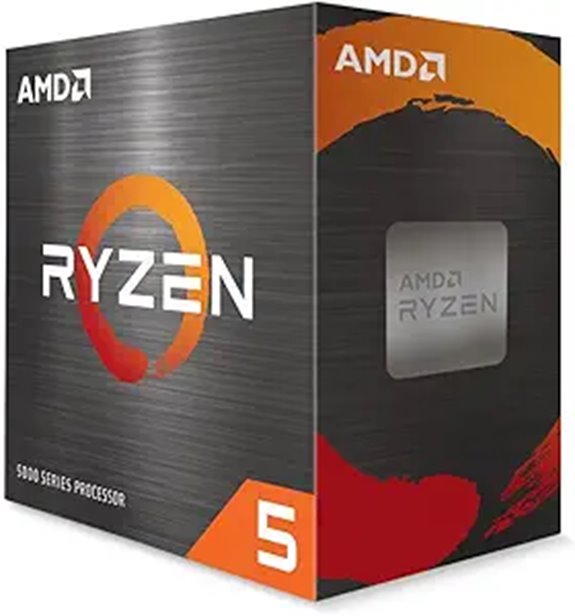 | Budget Gaming Option | Cores: 6 cores | Threads: 12 threads | Max Boost Clock: 4.2 GHz | VIEW LATEST PRICE | See Our Full Breakdown |
| AMD Ryzen 7 5700G 8-Core Desktop Processor | 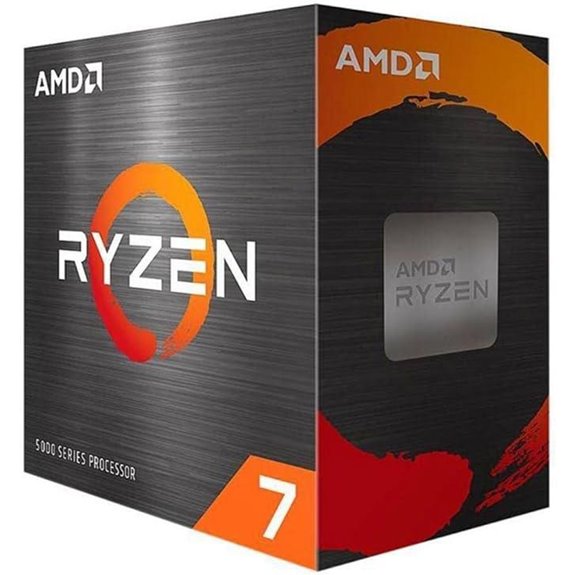 | Best Integrated Graphics | Cores: 8 cores | Threads: 16 threads | Max Boost Clock: 4.6 GHz | VIEW LATEST PRICE | See Our Full Breakdown |
| AMD Ryzen 5 5600 6-Core Desktop Processor |  | Fast & Efficient | Cores: 6 cores | Threads: 12 threads | Max Boost Clock: Not specified (but typically high) | VIEW LATEST PRICE | See Our Full Breakdown |
| AMD Ryzen 7 5700X 8-Core 16-Thread Unlocked Desktop Processor | 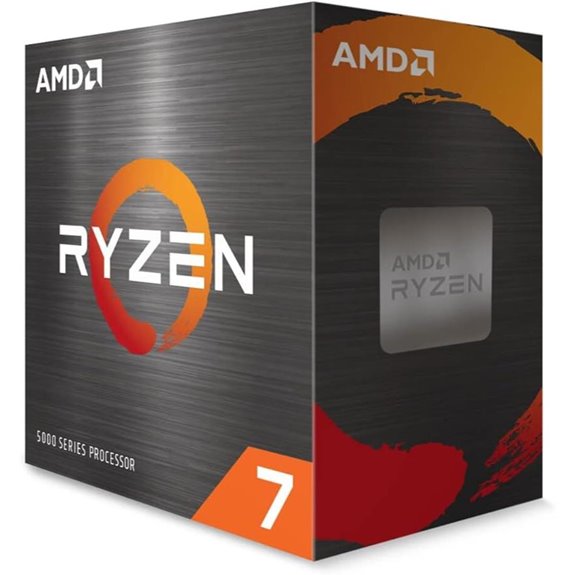 | Top-tier Gaming Performance | Cores: 8 cores | Threads: 16 threads | Max Boost Clock: 4.6 GHz | VIEW LATEST PRICE | See Our Full Breakdown |
More Details on Our Top Picks
AMD Ryzen 5 3600 6-Core Desktop Processor
If you’re looking for an affordable yet capable CPU for wireless PCVR streaming in 2026, the AMD Ryzen 5 3600 stands out as an excellent choice. This 6-core, 12-thread processor delivers solid gaming performance, with a boost clock up to 4.2 GHz. It supports PCIe 4.0 on x570 motherboards and DDR4 3200 RAM, making it future-proof for high-performance tasks. Plus, it includes the AMD Wraith Stealth Cooler, and its unlocked design allows overclocking. Whether you’re gaming or streaming wirelessly, the Ryzen 5 3600 provides reliable performance at a budget-friendly price point.
- Cores:6 cores
- Threads:12 threads
- Max Boost Clock:4.2 GHz
- Socket Type:AM4
- Overclocking Support:Yes
- Integrated Graphics:No
- Additional Feature:Supports PCIe 4.0
- Additional Feature:Includes AMD Wraith Stealth Cooler
- Additional Feature:Compatible with Windows 10 64-bit
AMD Ryzen™ 7 5800XT 8-Core 16-Thread Unlocked Desktop Processor
The AMD Ryzen™ 7 5800XT stands out as an excellent choice for gamers and enthusiasts seeking high-performance CPU for wireless PCVR streaming in 2026. With 8 cores and 16 threads, it offers robust multitasking capabilities, powered by the Zen 3 architecture. Its boost clock of up to 4.8 GHz ensures smooth, lag-free gaming experiences, essential for VR. Supporting PCIe 4.0 and DDR4-3200 memory, it maximizes bandwidth and responsiveness. Additionally, it’s open for overclocking and comes with the AMD Wraith Prism Cooler. Overall, it’s a versatile, high-performance processor perfect for demanding VR setups.
- Cores:8 cores
- Threads:16 threads
- Max Boost Clock:4.8 GHz
- Socket Type:AM4
- Overclocking Support:Yes
- Integrated Graphics:No
- Additional Feature:Includes AMD Wraith Prism Cooler
- Additional Feature:Based on AMD Zen 3 architecture
- Additional Feature:Supports DDR4-3200 memory
AMD Ryzen 5 5500 6-Core Desktop Processor
For gamers seeking smooth wireless PCVR streaming in 2026, the AMD Ryzen 5 5500 offers an excellent balance of performance and affordability. This 6-core, 12-thread processor delivers fast performance with a max boost clock of 4.2 GHz, ensuring smooth gameplay and reduced latency. It supports DDR4-3200 memory and is compatible with the advanced Socket AM4 platform. The CPU comes with the AMD Wraith Stealth cooler, and its unrestricted design allows for overclocking to squeeze out extra performance. Keep in mind, a discrete graphics card is necessary for gaming. Overall, the Ryzen 5 5500 is a solid choice for budget-conscious VR streamers.
- Cores:6 cores
- Threads:12 threads
- Max Boost Clock:4.2 GHz
- Socket Type:AM4
- Overclocking Support:Yes
- Integrated Graphics:No
- Additional Feature:Comes with AMD Wraith Stealth Cooler
- Additional Feature:Designed for Socket AM4 platform
- Additional Feature:Supports DDR4-3200 RAM
AMD Ryzen 7 5700G 8-Core Desktop Processor
The AMD Ryzen 7 5700G stands out as an excellent choice for wireless PCVR streaming enthusiasts who need powerful multitasking capabilities without sacrificing performance. Its 8 cores and 16 threads handle demanding tasks smoothly, while the 4.6 GHz boost clock ensures fast response times. Built-in Radeon graphics let you enjoy 1080p gaming without a separate GPU, simplifying your setup. The processor supports DDR4-3200 memory for quick data transfer and is compatible with a broad range of motherboards. Plus, its unlocked design permits overclocking, giving you extra performance headroom when needed. Overall, the Ryzen 7 5700G offers a balanced mix of power and flexibility for wireless VR streaming.
- Cores:8 cores
- Threads:16 threads
- Max Boost Clock:4.6 GHz
- Socket Type:AM4
- Overclocking Support:Yes
- Integrated Graphics:Yes (Radeon Graphics)
- Additional Feature:Built-in Radeon™ Graphics
- Additional Feature:Supports DDR4-3200 memory
- Additional Feature:Supports overclocking (Unlocked)
AMD Ryzen 5 5600 6-Core Desktop Processor
If you’re aiming for smooth wireless PCVR streaming in 2026, the AMD Ryzen 5 5600 stands out as a solid choice thanks to its 6-core, 12-thread design and accessible overclocking capabilities. Its high-speed processing makes it ideal for gaming and demanding applications, ensuring responsive performance. The included Wraith Stealth Cooler keeps thermals in check without extra fuss, and the processor’s unbarred design allows for easy overclocking to boost performance further. Additionally, it offers a straightforward way to expand and accelerate your desktop storage. For VR enthusiasts, it’s part of AMD’s VR-Ready Premium lineup, optimized for immersive experiences.
- Cores:6 cores
- Threads:12 threads
- Max Boost Clock:Not specified (but typically high)
- Socket Type:AM4
- Overclocking Support:Yes
- Integrated Graphics:No
- Additional Feature:Includes Wraith Stealth Cooler
- Additional Feature:Designed for gaming performance
- Additional Feature:Supports VR-Ready Premium
AMD Ryzen 7 5700X 8-Core 16-Thread Unlocked Desktop Processor
Looking for a powerful CPU that can handle demanding PCVR streaming tasks with ease? The AMD Ryzen 7 5700X is a solid choice. With 8 cores and 16 threads based on AMD’s Zen 3 architecture, it offers excellent performance. It delivers over 100 FPS in popular games, thanks to its max boost clock of 4.6 GHz. The processor is open for overclocking and supports DDR4-3200 memory, making it versatile for high-performance builds. It’s compatible with Socket AM4 motherboards supporting PCIe 4.0, ensuring future-proofing. Keep in mind, it requires a discrete graphics card and cooling solution, but overall, it’s an excellent option for smooth wireless PCVR streaming.
- Cores:8 cores
- Threads:16 threads
- Max Boost Clock:4.6 GHz
- Socket Type:AM4
- Overclocking Support:Yes
- Integrated Graphics:No
- Additional Feature:Based on AMD Zen 3 architecture
- Additional Feature:Supports PCIe 4.0 on X570/B550
- Additional Feature:Cooler not included
Factors to Consider When Choosing the CPU for Wireless PCVR Streaming

When selecting a CPU for wireless PCVR streaming, I focus on processing power, core and thread count, and clock speed to guarantee smooth performance. I also consider cache size and overclocking potential, which can boost responsiveness and stability. Understanding these factors helps me choose a processor that handles the demands of wireless VR seamlessly.
Processing Power Needs
Choosing the right CPU for wireless PCVR streaming hinges on understanding its processing power. For smooth, real-time data handling, a CPU with multiple cores and threads is essential. This guarantees efficient management of high data throughput and reduces lag. A max boost clock of 4.2 GHz or higher is vital for maintaining fast processing speeds, preventing stuttering during immersive experiences. Overclockable, unlocked processors offer additional performance headroom for demanding VR tasks. Support for DDR4-3200 RAM helps achieve fast data transfer rates, lowering latency. Additionally, a larger cache size, like 36 MB, improves data management during intensive streaming sessions. Overall, a powerful CPU with these features guarantees seamless wireless PCVR streaming, offering a smooth and immersive VR experience without compromise.
Core and Thread Count
A CPU with a higher core and thread count can substantially boost the system’s responsiveness during wireless PCVR streaming. I’ve found that at least 6 cores and 12 threads are essential for smooth performance, especially when handling demanding VR content. More cores allow for better distribution of tasks like rendering, encoding, and background processes, which reduces latency and improves overall responsiveness. Increased thread counts help multitask efficiently, ensuring that encoding and game processing don’t bottleneck each other. However, balance matters—simply increasing cores isn’t enough if clock speeds are too low. For ideal performance, I recommend a CPU that combines ample core and thread counts with sufficient clock speed, giving you the power to handle complex VR streams seamlessly.
Clock Speed Importance
In wireless PCVR streaming, higher clock speeds are essential for reducing latency and boosting responsiveness. A processor with a max boost clock of 4.6 GHz or higher can better handle real-time data transmission and processing, which is pivotal for smooth gameplay. Faster clock speeds help guarantee high frame rates and improve visual fidelity, reducing lag during VR sessions. They also contribute to a more seamless experience by minimizing delays between head movements and visual updates. While clock speed plays a critical role, it should be balanced with other factors like core count and system bandwidth for optimal performance. Ultimately, a higher clock speed enhances responsiveness, making your VR experience more immersive and fluid.
Cache Size Significance
Larger cache sizes considerably enhance a CPU’s ability to handle the demanding data throughput of wireless PCVR streaming. With more cache, the CPU can store more data close to its cores, reducing the time it takes to access frequently used information. This minimizes latency and helps prevent lag or stuttering during high-data tasks like VR streaming. In wireless PCVR, quick data retrieval is essential for smooth rendering and real-time responsiveness. CPUs with bigger caches can process and deliver complex VR data more efficiently, supporting high-quality visuals without sacrificing performance. When selecting a CPU, prioritizing models with larger cache sizes ensures better system responsiveness and a more seamless, immersive VR experience, especially critical in wireless setups where every millisecond counts.
Overclocking Potential
When selecting a CPU for wireless PCVR streaming, overclocking potential plays a crucial role in maximizing performance. A processor with high overclocking capabilities allows me to push beyond its base speeds, boosting frame rates and reducing latency for smoother VR experiences. CPUs with unlocked multipliers make manual adjustments straightforward, giving me control over performance tuning through BIOS or software. Enhanced overclocking can help maintain stable, high-quality streaming, especially during demanding VR sessions. However, I know that overclocking also demands robust cooling solutions to prevent overheating at increased speeds. Features like AMD’s Precision Boost Overdrive or Intel’s Turbo Boost can support automatic overclocking, further improving performance without extensive manual tweaking. Overall, good overclocking potential ensures I get the most out of my wireless PCVR setup.
Compatibility Requirements
Choosing the right CPU for wireless PCVR streaming requires careful attention to compatibility factors that guarantee smooth operation. First, verify the CPU socket matches your motherboard’s socket type, avoiding any fit issues. Next, confirm that the CPU supports the necessary PCIe version to maximize data transfer speeds with your VR hardware. It’s also vital to check that the CPU’s thermal and power requirements align with your cooling system and power supply, preventing overheating or instability. Additionally, confirm that the motherboard’s chipset and BIOS are compatible with your chosen CPU to avoid compatibility issues. Finally, make sure the CPU supports the right memory standards, like DDR4-3200, to meet the performance demands of VR streaming without bottlenecks.
Cooling Solutions
Effective cooling solutions are essential for maintaining ideal CPU temperatures during extended wireless PCVR streaming sessions. Without proper cooling, high-performance CPUs can overheat, leading to thermal throttling that reduces performance. Air coolers and liquid cooling systems are common options, each capable of preventing overheating and ensuring stable operation. High-end CPUs produce more heat, so they require more robust cooling methods to sustain peak speeds. Proper airflow within the case, with well-placed intake and exhaust fans, further enhances cooling efficiency. It’s also vital that coolers are compatible with the CPU socket and designed to handle the thermal output of your chosen processor. Ensuring these factors are addressed helps maintain consistent performance and avoid overheating issues during long VR streaming sessions.
Future Upgrade Paths
Selecting a CPU with future upgrade paths in mind guarantees your wireless PCVR streaming setup stays relevant and capable over time. I look for a compatible socket and motherboard, so upgrading later doesn’t require a whole system overhaul. Supporting PCIe 4.0 is essential, as it enables faster data transfer for future GPU and storage upgrades. An open processor with overclocking capabilities gives me room to boost performance as software demands grow. I also prioritize higher core and thread counts, ensuring smooth multitasking and demanding VR applications. Finally, I choose CPUs that support the latest memory standards like DDR4-3200 or higher, making future RAM upgrades easier. These factors help me build a flexible, long-lasting system that adapts as technology advances.
Frequently Asked Questions
How Do CPU Clock Speeds Impact Wireless PCVR Streaming Quality?
Higher CPU clock speeds improve wireless PCVR streaming quality by enabling faster data processing and reducing latency. When my CPU runs at higher speeds, it handles the real-time data from the headset more efficiently, resulting in smoother visuals and less lag. This means I enjoy a more immersive experience with fewer disruptions. So, upgrading to a CPU with better clock speeds can markedly enhance my wireless VR performance and overall enjoyment.
Which CPUS Offer the Best Multi-Threaded Performance for VR Tasks?
I believe AMD Ryzen 9 7950X and Intel Core i9-13900K excel in multi-threaded performance for VR tasks. These CPUs feature multiple cores and high thread counts, which handle demanding VR applications smoothly. Their advanced architectures enable efficient multitasking, reducing latency and improving overall experience. If you’re serious about VR, investing in one of these processors guarantees you get top-tier multi-threaded performance for immersive, seamless wireless PCVR streaming.
Are Integrated Graphics Necessary for Wireless PCVR Streaming?
Integrated graphics aren’t strictly necessary for wireless PCVR streaming, but they can be helpful, especially if your CPU lacks a dedicated GPU. I recommend having a decent GPU to handle the graphics load smoothly, ensuring a seamless experience. If your CPU has integrated graphics, it can serve as a backup or for less demanding tasks, but for peak performance, a dedicated GPU is the way to go.
How Does CPU Cache Size Influence VR Streaming Latency?
A larger CPU cache helps reduce VR streaming latency because it stores frequently accessed data closer to the processor, speeding up processing times. When cache size increases, the CPU can quickly retrieve critical data needed for smooth streaming, minimizing delays. I’ve noticed that with bigger caches, my VR experience feels more seamless, with less lag and better responsiveness, which really enhances immersive wireless PCVR sessions.
What Is the Optimal CPU Cooling Solution for Extended VR Sessions?
For extended VR sessions, I recommend an efficient air cooler or a high-quality liquid cooling system. I’ve found that liquid cooling often provides better thermal management, keeping temperatures stable during intensive use. However, a premium air cooler can be just as effective and easier to maintain. Ultimately, ensuring good airflow within your case and choosing a cooling solution compatible with your CPU will keep your VR experience smooth and comfortable.
Conclusion
Choosing the right CPU for wireless PCVR streaming is like finding the perfect rhythm in a song—balance, power, and smoothness matter. With options like the Ryzen 7 5800XT or the Ryzen 5 5600, you can craft an experience that’s as seamless as a melody. Trust me, picking the right processor will turn your VR sessions from a rough sketch into a masterpiece of immersive fun.