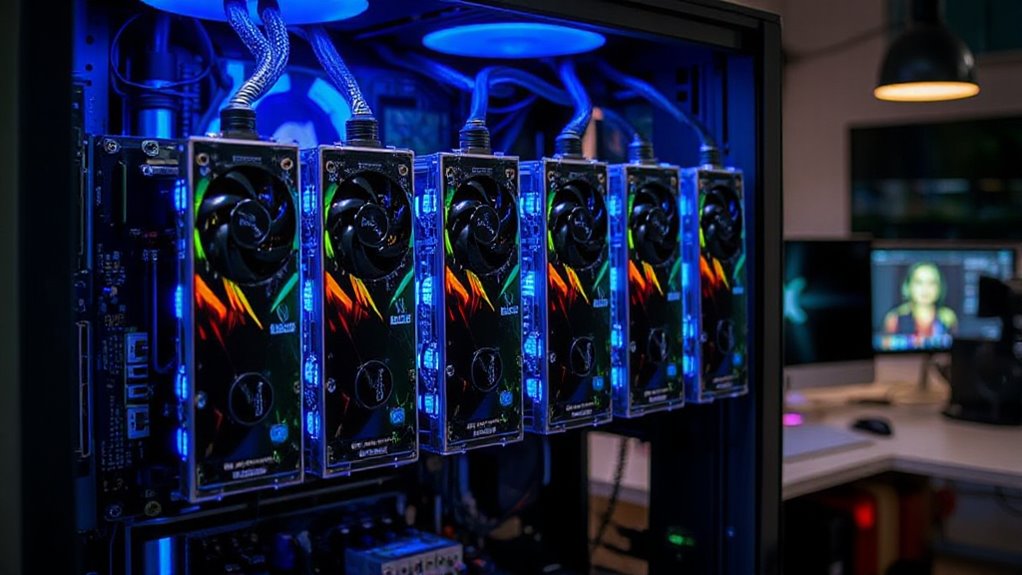

If you’re looking for the best PCIe capture cards for your streaming PC in 2026, I recommend checking out models like the AVerMedia Live Gamer 4K 2.1, Elgato 4K Pro, and AVerMedia GC573 for high-resolution, low-latency capture. These cards support 4K60, HDR, and multiple inputs, making them perfect for professional streaming setups. Keep exploring the options, and you’ll find the ideal solution tailored to your needs.
Key Takeaways
- Prioritize PCIe capture cards supporting 4K60, HDR, and ultra-low latency for high-quality streaming and gameplay.
- Consider compatibility with popular streaming software like OBS, Streamlabs, and platforms such as Twitch and YouTube.
- Focus on models with multiple HDMI or SDI inputs for multi-camera or multi-source professional setups.
- Check for PCIe slot compatibility (x1, x4, x8, x16) to ensure seamless installation with your motherboard.
- Evaluate additional features like VRR support, 8K passthrough, and hardware compression for future-proof streaming.
| AVerMedia PCIe 4K60 HDMI Capture Card | 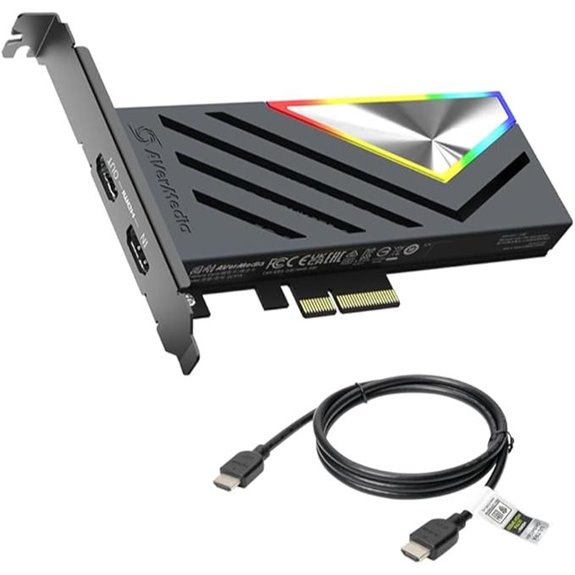 | Premium 4K Performance | Resolution Support: 4K60 HDR | HDMI Inputs: 1 HDMI input | Pass-through / Loop-out: Yes | VIEW LATEST PRICE | See Our Full Breakdown |
| Elgato 4K Pro Internal Capture Card for Gaming | 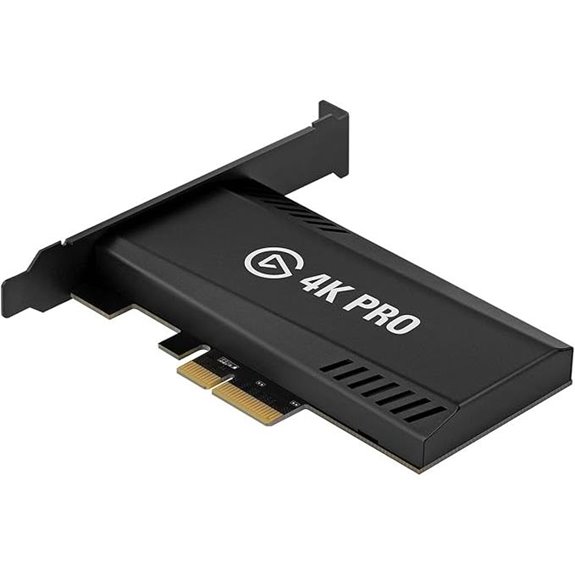 | Versatile Streaming Power | Resolution Support: 8K60, 4K60 | HDMI Inputs: 1 HDMI input/output | Pass-through / Loop-out: Yes | VIEW LATEST PRICE | See Our Full Breakdown |
| AVerMedia GC573 4K Internal Capture Card |  | High-End 4K HDR | Resolution Support: 4K60 HDR | HDMI Inputs: 1 HDMI input | Pass-through / Loop-out: Yes | VIEW LATEST PRICE | See Our Full Breakdown |
| PCIe HDMI Video Capture Card for Streaming and Gaming |  | Retro Gaming Focus | Resolution Support: 1080p@30Hz, 720×576@25Hz | HDMI Inputs: 1 HDMI input | Pass-through / Loop-out: Yes | VIEW LATEST PRICE | See Our Full Breakdown |
| AVerMedia Live Gamer Duo HDMI Capture Card | 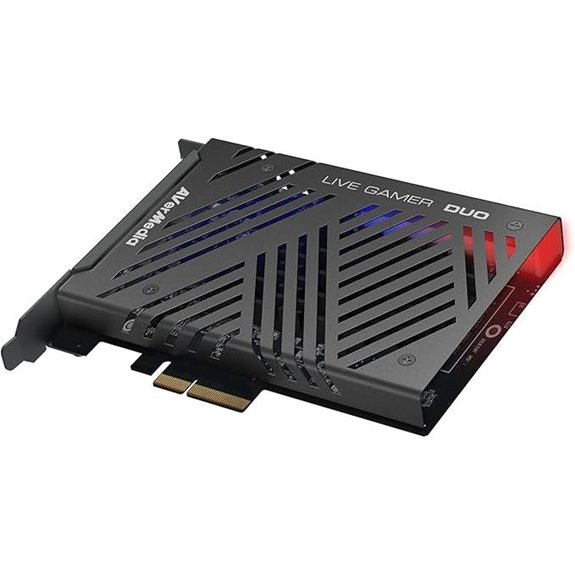 | Dual Source Flexibility | Resolution Support: 1080p60, 4K60 HDR pass-through | HDMI Inputs: 2 HDMI inputs | Pass-through / Loop-out: Yes | VIEW LATEST PRICE | See Our Full Breakdown |
| ACASIS 4K HDMI PCIe Video Capture Card |  | Multi-Channel Efficiency | Resolution Support: 1080p@60FPS | HDMI Inputs: 4 HDMI inputs | Pass-through / Loop-out: Yes | VIEW LATEST PRICE | See Our Full Breakdown |
| AVMATRIX PCIe Capture Card for PC 4CH SDI | 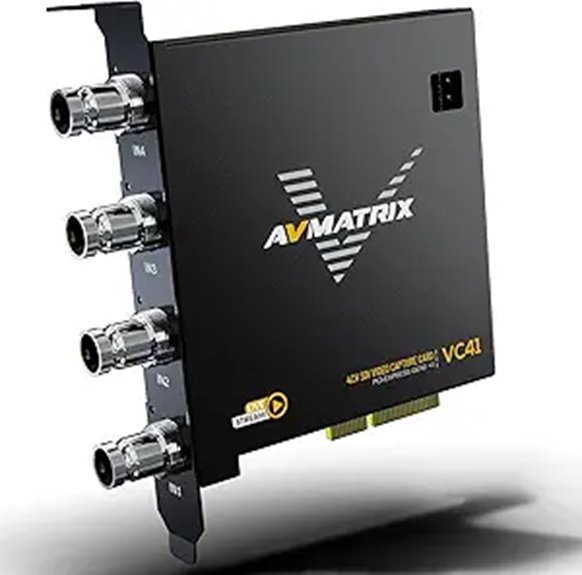 | Professional Multi-Cam | Resolution Support: 1080p60, 4K60 HDR pass-through | HDMI Inputs: 4 SDI inputs (not HDMI, but a similar multi-input feature) | Pass-through / Loop-out: Yes | VIEW LATEST PRICE | See Our Full Breakdown |
| HDMI PCIe 4K Game Capture Card with Loop-Out | 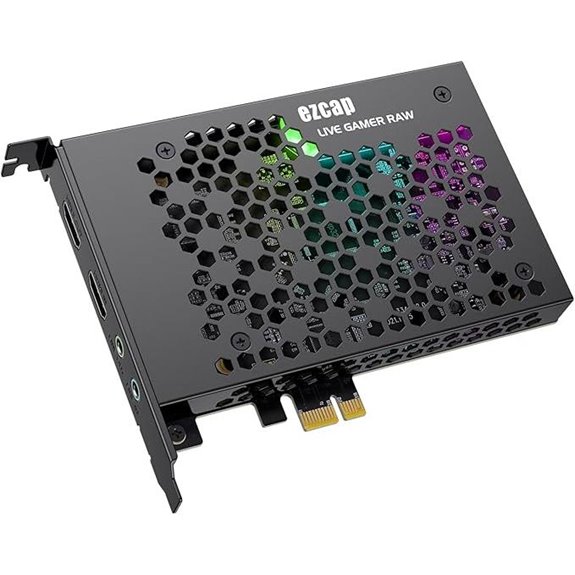 | High-Resolution Simplicity | Resolution Support: 4K@30FPS | HDMI Inputs: 1 HDMI input | Pass-through / Loop-out: Yes | VIEW LATEST PRICE | See Our Full Breakdown |

More Details on Our Top Picks
AVerMedia PCIe 4K60 HDMI Capture Card
Looking for a PCIe capture card that can handle the latest gaming resolutions with minimal delay? The AVerMedia Live Gamer 4K 2.1 (GC575) is exactly that. It supports HDMI 2.1 for ultra-fast data transfer, allowing me to record and stream in stunning 4K60 with almost zero latency. Designed for modern consoles like PS5, Xbox Series X/S, and Switch, it captures high-resolution gameplay smoothly. Its internal PCIe interface makes installation easy, and its professional-grade quality guarantees reliable performance. If you’re serious about streaming crisp, high-quality content without lag, this card is a top-tier choice.
- Resolution Support:4K60 HDR
- HDMI Inputs:1 HDMI input
- Pass-through / Loop-out:Yes
- Compatibility with Streaming Software:Yes (OBS, Streamlabs, etc.)
- Latency / Real-time:Ultra-low latency
- Interface Type:PCIe
- Additional Feature:Supports HDMI 2.1 standard
- Additional Feature:Ultra-low latency design
- Additional Feature:Internal PCIe interface
Elgato 4K Pro Internal Capture Card for Gaming
Are you aiming for stunning 4K gameplay streams with minimal latency? The Elgato 4K Pro Internal Capture Card is perfect for that. It seamlessly connects to popular apps like OBS, Streamlabs, and Twitch Studio, while supporting streaming across platforms like YouTube, Facebook, and Discord. It delivers impressive video quality, capturing gameplay in 4K60, with support for 8K60 passthrough and HDR10. Thanks to HDMI 2.1, it offers high-speed data transfer and compatibility with consoles like PS5 Pro and Xbox Series S. Plus, features like VRR passthrough ensure smooth visuals, making it an excellent choice for professional streamers seeking top-tier performance.
- Resolution Support:8K60, 4K60
- HDMI Inputs:1 HDMI input/output
- Pass-through / Loop-out:Yes
- Compatibility with Streaming Software:Yes (OBS, Twitch, Zoom)
- Latency / Real-time:Ultra-low latency
- Interface Type:PCIe
- Additional Feature:8K60 passthrough support
- Additional Feature:Compatible with dual PC setups
- Additional Feature:Variable Refresh Rate (VRR) passthrough
AVerMedia GC573 4K Internal Capture Card
If you’re aiming for top-tier streaming quality, the AVerMedia GC573 4K Internal Capture Card stands out with its ability to deliver 4K60 HDR10 pass-through and capture. It’s an internal PCIe card compatible with PS5, Xbox Series X/S, and PC, requiring no drivers or external power—just plug and play. It captures gameplay at up to 240 FPS in 1080p and 120 FPS in 1440p, ensuring ultra-smooth visuals. With ultra-low latency and zero-lag pass-through, it keeps your gameplay responsive. Its seamless compatibility with popular streaming platforms makes it perfect for both casual and professional streamers seeking high-quality 4K HDR content.
- Resolution Support:4K60 HDR
- HDMI Inputs:1 HDMI input
- Pass-through / Loop-out:Yes
- Compatibility with Streaming Software:Yes (OBS, Twitch, YouTube)
- Latency / Real-time:Ultra-low latency
- Interface Type:PCIe
- Additional Feature:No drivers or external power needed
- Additional Feature:Supports HDR10 high dynamic range
- Additional Feature:High frame rate up to 240 FPS
PCIe HDMI Video Capture Card for Streaming and Gaming
For streamers and gamers focused on capturing high-quality video from legacy devices, the PCIe HDMI Video Capture Card stands out thanks to its ultra-low latency pass-through and broad compatibility. It supports 1080P@30Hz and 720×576@25Hz, making it perfect for recording analog signals from cable boxes, VCRs, and classic consoles like PlayStation or N64. Its plug-and-play design requires no drivers, working seamlessly with Windows and Linux, and integrates smoothly with OBS, VLC, and other software. The PCIe interface guarantees stable, high-speed data transfer, and the compact hardware is easy to install, ideal for preserving and streaming vintage gaming and AV content.
- Resolution Support:1080p@30Hz, 720×576@25Hz
- HDMI Inputs:1 HDMI input
- Pass-through / Loop-out:Yes
- Compatibility with Streaming Software:Yes (OBS, VLC, Amcap)
- Latency / Real-time:Ultra-low latency
- Interface Type:PCIe
- Additional Feature:Legacy device compatibility (VCR, cable)
- Additional Feature:Supports analog signals (composite)
- Additional Feature:No external power required
AVerMedia Live Gamer Duo HDMI Capture Card
The AVerMedia Live Gamer Duo HDMI Capture Card stands out as an excellent choice for streamers who need to capture multiple sources simultaneously. Its dual HDMI 1080p inputs let you record from two devices at once, perfect for multi-camera setups or console and PC gameplay. Supporting 4K60 HDR pass-through and 240fps FHD, it guarantees smooth, high-quality streaming without lag. Onboard processing handles HDR to SDR conversion and frame rate adjustments, maintaining excellent video quality. Compatible with popular streaming software like OBS and Streamlabs, it offers seamless integration. Overall, it’s a versatile, high-performance card ideal for professionals and enthusiasts aiming for top-tier production.
- Resolution Support:1080p60, 4K60 HDR pass-through
- HDMI Inputs:2 HDMI inputs
- Pass-through / Loop-out:Yes
- Compatibility with Streaming Software:Yes (RECentral, OBS, XSplit)
- Latency / Real-time:Zero lag pass-through
- Interface Type:PCIe
- Additional Feature:Dual HDMI inputs
- Additional Feature:Onboard HDR tone mapping
- Additional Feature:Supports 4K HDR pass-through
ACASIS 4K HDMI PCIe Video Capture Card
The ACASIS 4K HDMI PCIe Video Capture Card stands out for its ability to support four simultaneous HDMI inputs at 1080p@60Hz, making it an excellent choice for streamers who need to manage multiple devices or camera angles effortlessly. It offers ultra-low latency, no compression, and smooth streaming, ideal for gaming, video conferencing, and broadcasting. With support for various devices like DSLRs, computers, and tablets, it’s highly versatile. Its PCIe 2.0 compatibility and built-in turbo fan ensure peak performance and cooling. Whether you’re doing multi-camera streams or professional recordings, this card delivers high-quality output and reliable, long-term operation.
- Resolution Support:1080p@60FPS
- HDMI Inputs:4 HDMI inputs
- Pass-through / Loop-out:Yes
- Compatibility with Streaming Software:Yes (OBS, Wirecast, VMIX)
- Latency / Real-time:Ultra-low latency
- Interface Type:PCIe
- Additional Feature:Supports 4 simultaneous inputs
- Additional Feature:Built-in turbo fan cooling
- Additional Feature:Supports long-term stable operation
AVMATRIX PCIe Capture Card for PC 4CH SDI
If you need to stream multiple SDI sources simultaneously with high-quality, low-latency performance, the AVMATRIX PCIe Capture Card for PC, 4CH SDI is an excellent choice. It supports four SDI inputs, allowing me to connect four devices at once, perfect for multi-camera setups. With 1080p60 Full HD recording and up to 200 Mbps bitrate, it delivers sharp, true-to-source images using YUV2 lossless compression. The PCIe Gen 2 interface ensures fast data transfer, while ultra-low latency makes live broadcasting smooth. Its stability and support for continuous 24-hour operation make it ideal for professional streaming, broadcasting, and multi-platform content creation.
- Resolution Support:1080p60, 4K60 HDR pass-through
- HDMI Inputs:4 SDI inputs (not HDMI, but a similar multi-input feature)
- Pass-through / Loop-out:Yes
- Compatibility with Streaming Software:Yes (OBS, Teams, Twitch)
- Latency / Real-time:Ultra-low latency
- Interface Type:PCIe
- Additional Feature:4 SDI inputs
- Additional Feature:Supports uncompressed HD video
- Additional Feature:24-hour continuous operation
HDMI PCIe 4K Game Capture Card with Loop-Out
For gamers and streamers seeking high-quality 4K visuals with minimal latency, the HDMI PCIe 4K Game Capture Card with Loop-Out stands out as an excellent choice. It supports 4K@30FPS HDMI capture, ensuring sharp images, smooth motion, and clear audio. Compatible with popular devices like consoles, cameras, and media players, it works seamlessly with Windows and Mac systems. Its zero-delay HDMI loop-out provides latency-free viewing, while the PCIe interface delivers fast transfer speeds up to 500MB/s for smooth streaming and recording. Easy to set up with plug-and-play, this card is perfect for professional streaming, game recording, and content creation.
- Resolution Support:4K@30FPS
- HDMI Inputs:1 HDMI input
- Pass-through / Loop-out:Yes
- Compatibility with Streaming Software:Yes (OBS, VLC, Zoom)
- Latency / Real-time:Zero delay with high-speed transmission
- Interface Type:PCIe
- Additional Feature:HDMI loop-out feature
- Additional Feature:Supports low profile brackets
- Additional Feature:Compatible with UVC/UAC protocols
Factors to Consider When Choosing a PCIE Capture Card for Streaming PC
When choosing a PCIe capture card, I look at resolution and frame rate to guarantee smooth gameplay, along with compatibility with my devices. Latency and pass-through are key for real-time streaming without delays, and software support helps me manage recordings easily. Finally, I consider the number of inputs to handle multiple sources simultaneously.
Resolution and Frame Rate
Choosing a PCIe capture card with the right resolution and frame rate is vital for delivering high-quality streams. Higher resolutions like 4K or 8K provide clearer, more detailed visuals, making your content look professional and sharp. Frame rates such as 60fps or 120fps ensure smooth motion, especially important for fast-paced gaming or action scenes. A capture card that can handle high frame rates at high resolutions reduces motion blur and lag, creating a seamless viewing experience. It’s essential to match the card’s maximum supported resolution and frame rate with your display and source device to avoid bottlenecks. Keep in mind, higher capabilities typically demand more powerful hardware and faster data transfer interfaces like PCIe 3.0 or 4.0 for superior performance.
Compatibility With Devices
Selecting a PCIe capture card that works smoothly with your devices requires careful attention to compatibility factors. First, make sure it supports the HDMI version your devices use, like HDMI 2.1, for peak performance. Verify that the input and output connections match your gaming consoles, cameras, or other sources. It’s also essential to check if the capture card supports the resolution and frame rates you need, such as 4K60 or 1080p240, to ensure seamless streaming. Additionally, confirm that the card is compatible with your PC’s operating system and streaming software—whether it’s OBS, Streamlabs, or XSplit. Finally, verify the PCIe slot type on your motherboard (x1, x4, x8, x16) matches the capture card’s interface, so installation is trouble-free.
Latency and Pass-Through
Latency and pass-through quality are critical factors that can make or break your streaming setup, especially during live gameplay. Ultra-low latency pass-through guarantees minimal delay between your gameplay and what viewers see, often under 1 millisecond, creating a seamless experience. High-quality pass-through supports high resolutions like 4K at 60Hz or higher, maintaining visual fidelity during broadcasts. Performance depends on hardware, cables, and system configuration, so testing your setup is essential for ideal results. Some PCIe capture cards even include VRR passthrough, which synchronizes frame rates to reduce lag and screen tearing. To ensure real-time gameplay without noticeable delay, prioritize cards that offer zero-lag or near-zero-lag pass-through to keep your stream smooth and responsive.
Software Support Options
Ensuring your PCIe capture card works smoothly with your preferred streaming software is essential for a hassle-free broadcasting experience. I look for compatibility with popular programs like OBS, Streamlabs, and XSplit to guarantee seamless integration. It’s also important that the device supports plug-and-play operation, so I don’t have to wrestle with drivers or complex setups. Advanced features such as HDR, VRR, and high frame rates should be supported within the software ecosystem, ensuring top-quality streams. Compatibility with multiple operating systems, including Windows and Linux, broadens my options. Additionally, I consider whether the capture card supports cloud-based streaming platforms and remote management tools, which add flexibility and convenience to my broadcasting setup. These factors help me choose a device that’s reliable and easy to use.
Number of Inputs
The number of inputs on a PCIe capture card directly impacts how many video sources I can connect at once, making it a key factor in multi-camera or multi-device setups. A card with multiple inputs lets me switch seamlessly between different video feeds without needing extra hardware, streamlining my workflow. Some cards support up to four or more HDMI inputs, ideal for complex multi-source streaming environments. It’s also vital to take into account the input type—HDMI, SDI, or analog—to ensure compatibility with my devices. Additionally, I look for expandability options, like daisy-chaining inputs, to accommodate future growth. Ultimately, choosing the right number of inputs helps me create a flexible, efficient streaming setup that can handle multiple sources effortlessly.
Ease of Installation
Choosing a PCIe capture card that’s easy to install can save you time and frustration, especially if you’re new to streaming hardware. First, make sure the card is compatible with your motherboard’s PCIe slot—whether it’s x1, x4, x8, or x16—to ensure a straightforward setup. Look for plug-and-play models that require minimal or no driver installation, simplifying the process further. Clear, detailed instructions and user-friendly software are essential to help you set up and configure your device quickly. Also, consider your PC case size; select a card with a compact form factor that fits your chassis. Finally, opt for cards with built-in cooling or low power needs to prevent issues related to heat or power supply limitations.
Video Quality Features
When selecting a PCIe capture card, prioritizing video quality features is essential for delivering sharp, smooth, and vibrant streams. Higher resolutions like 4K or 8K ensure crisp visuals, making your content look professional. Frame rate support, such as 60fps, 120fps, or even 240fps, provides silky-smooth motion, crucial for fast-paced gameplay. HDR support adds richer colors and better contrast, making your streams more lively and true-to-life. Low latency pass-through is fundamental for real-time gameplay, preventing lag between your game and stream. Additionally, compression methods and bit rate options influence clarity and data transfer efficiency, affecting overall video quality. Focusing on these features helps you choose a capture card that guarantees top-tier visual performance.
Use Case Versatility
To get the most out of your streaming setup, you need a PCIe capture card that adapts to various input sources and production needs. A versatile card supports multiple input types like HDMI, SDI, and analog, so you can connect gaming consoles, cameras, or legacy devices without hassle. Multi-channel capture allows you to record or stream from several sources at once, perfect for multi-camera setups or professional productions. Compatibility with popular streaming software like OBS, Streamlabs, and vMix ensures smooth integration. Plus, support for high resolutions and frame rates, such as 4K60 HDR or 1080p240fps, gives you flexibility for different content styles. Features like ultra-low latency pass-through and multi-input support make these cards ideal for live events, gaming, and remote broadcasting.
Frequently Asked Questions
How Do PCIE Capture Cards Impact Overall System Performance?
PCIe capture cards can boost my system’s performance by offloading video processing tasks from the CPU, reducing lag and improving stream quality. They work efficiently thanks to their direct connection to the motherboard, which minimizes latency. However, if I install a high-end card without enough PCIe lanes or power, it might slow down other components. Overall, a well-chosen PCIe capture card enhances my streaming experience without negatively impacting my system.
Are PCIE Capture Cards Compatible With All Streaming Software?
Yes, PCIe capture cards are generally compatible with most streaming software like OBS, Streamlabs, and XSplit. I’ve found that they seamlessly integrate, providing a smooth streaming experience. However, it’s always a good idea to double-check the card’s specifications and software compatibility before purchasing. Most modern cards support standard protocols, ensuring they work well with popular streaming platforms and software.
What Is the Typical Lifespan of a PCIE Capture Card?
A PCIe capture card typically lasts around 3 to 5 years, but this depends on usage and handling. I’ve found that high-quality models tend to be more durable, especially if kept cool and free from dust. As technology advances, newer versions may make older cards obsolete sooner. So, I recommend upgrading when you notice performance drops or when new features become essential for your streaming setup.
Can PCIE Capture Cards Support Multiple Input Sources Simultaneously?
Yes, PCIe capture cards can support multiple input sources simultaneously, but it depends on the model. Some high-end cards are designed with multiple inputs, allowing you to capture from various devices at once, which is great for multi-camera setups or combining different gaming consoles. I recommend checking the specifications before buying to verify it meets your needs, especially if you plan to handle several sources at once.
Do PCIE Capture Cards Require Additional Power Supplies or Cooling Solutions?
PCIe capture cards usually don’t need extra power supplies or cooling solutions, but some high-end models can generate a lot of heat—like a mini volcano! I recommend checking the specific card’s specs, as most are powered directly through the PCIe slot. For the best performance and longevity, make sure your case has good airflow, and consider additional cooling if you’re pushing your setup to the limit.
Conclusion
Choosing the right PCIe capture card can seem overwhelming, but I’ve found that the best options often come down to your specific needs—whether it’s 4K quality, multiple inputs, or ease of use. Sometimes, the perfect card appears just when you least expect it, like a hidden gem. Trust your instincts, consider your setup, and remember, the right choice can elevate your streaming game—sometimes, the best fit is right around the corner.