
If you’re looking for the best VR streaming PCs for wireless PCVR in 2026, I recommend checking out options that support Wi-Fi 6, high bandwidth, and versatile compatibility with headsets like Meta Quest 2/3, HTC Vive XR Elite, and Valve Index. Reliability, fast setup, and smooth performance are key, so prioritize devices with solid hardware, low latency, and advanced streaming features like PrismPulse Mode. Stick around to discover the top choices that can elevate your VR experience.
Key Takeaways
- Compatibility with leading VR headsets like Meta Quest 2/3, HTC Vive XR Elite, Pico, and Valve Index ensures versatile setup.
- Support for Wi-Fi 6 or higher with 3000 Mbps bandwidth and low latency guarantees smooth, lag-free wireless streaming.
- High-quality components, durable build, and efficient cooling promote stability and longevity during intensive VR sessions.
- Features like PrismPulse Mode, Air Link, and intuitive interfaces simplify setup and enhance real-time streaming performance.
- Long-lasting batteries, stable power solutions, and robust hardware enable extended, reliable wireless VR experiences.
| Wireless VR Streaming Router for Meta Quest 3/2 |  | Best Wireless Performance | Compatibility: Meta Quest 3/2, Quest Pro, Pico 4 series, Windows 10/11 | Wireless Technology: 2×2 MIMO 160MHz, PrismPulse Mode | Network Speed: 3000 Mbps total (2402 on 5GHz, 575 on 2.4GHz) | VIEW LATEST PRICE | See Our Full Breakdown |
| VR Router for Meta Quest 2/3/Pro WiFi6 Air Link | 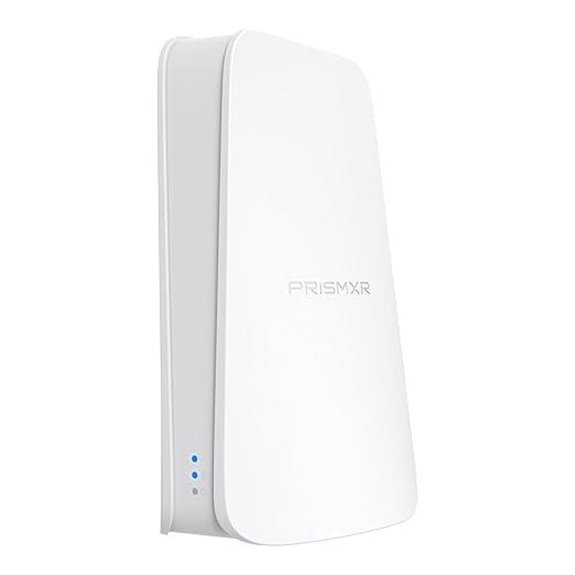 | Top Connectivity Choice | Compatibility: Meta Quest 2/3/Pro, Pico 4, Windows 10/11 | Wireless Technology: Wi-Fi 6 dual-band, PrismPulse Mode | Network Speed: 1500 Mbps (1200 on 5GHz, 300 on 2.4GHz) | VIEW LATEST PRICE | See Our Full Breakdown |
| HTC Vive XR Elite Deluxe Mixed Reality VR Headset |  | Premium Mixed Reality | Compatibility: HTC Vive XR Elite, PC VR (via PC connection) | Wireless Technology: Passthrough, mixed reality sensors (not Wi-Fi tech) | Network Speed: Not applicable (standalone headset) | VIEW LATEST PRICE | See Our Full Breakdown |
| Wireless VR Receiver for SteamVR & Valve Index | 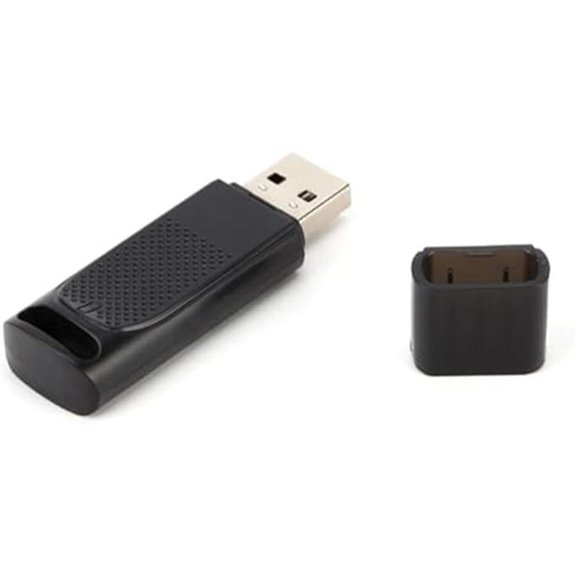 | Best Compatibility | Compatibility: Valve Index, HTC Vive, Logitech VR Ink, N7R Tracking | Wireless Technology: USB receiver with firmware, not Wi-Fi based | Network Speed: Not applicable (USB dongle) | VIEW LATEST PRICE | See Our Full Breakdown |
| PRISMXR VR Charging Dock & Air Link Bridge |  | Best Charging & Streaming Combo | Compatibility: Quest 3S/3/2/Pro, Pico 4 series, Windows 10/11 | Wireless Technology: Wi-Fi 6, PrismPulse Mode, Puppis S1s router | Network Speed: 3000 Mbps (via Puppis S1s) | VIEW LATEST PRICE | See Our Full Breakdown |
| Wireless VR Gaming Headset with Air Link Bridge |  | Ultimate Wireless Gaming | Compatibility: Quest 3S/3/2, Quest Pro, Pico 4, Windows 10/11 | Wireless Technology: 2×2 MIMO 160MHz, PrismPulse Mode | Network Speed: 3000 Mbps (via Puppis S1s) | VIEW LATEST PRICE | See Our Full Breakdown |
More Details on Our Top Picks
Wireless VR Streaming Router for Meta Quest 3/2
If you’re looking to enjoy wireless PCVR with your Meta Quest 3 or Quest 2, the Wireless VR Streaming Router from PRISMXR is an excellent choice. It supports multiple headsets, including Quest 3, Quest Pro, and Pico models, with easy setup via Bluetooth technology—no drivers needed. Powered by a 1.3GHz dual-core chipset, it delivers a stable, high-speed connection with up to 3000 Mbps bandwidth, reducing latency and interference. The router features versatile modes like WiFi Hotspot and WiFi Adapter, making it adaptable for various setups. Its user-friendly PrismXR app ensures seamless performance, making wireless VR streaming more accessible and reliable.
- Compatibility:Meta Quest 3/2, Quest Pro, Pico 4 series, Windows 10/11
- Wireless Technology:2×2 MIMO 160MHz, PrismPulse Mode
- Network Speed:3000 Mbps total (2402 on 5GHz, 575 on 2.4GHz)
- Software Support:PrismXR Desktop App, third-party apps (Virtual Desktop, Steam)
- Power/Battery:Not specified (hardware device)
- Form Factor:Compact wireless router, 6.69 x 4.72 x 3.54 in
- Additional Feature:EaseLink Bluetooth setup
- Additional Feature:PrismPulse dedicated mode
- Additional Feature:Compact, lightweight design
VR Router for Meta Quest 2/3/Pro WiFi6 Air Link
The VR Router for Meta Quest 2/3/Pro with WiFi6 and Air Link stands out as the ideal choice for gamers seeking a seamless, cable-free VR experience. It supports Meta Quest 3, Quest 2, Quest Pro, Pico4, and Windows 10/11, working effortlessly with Virtual Desktop, Steam Link, and other streaming platforms. Its plug-and-play design requires only connecting power and Ethernet—no extra setup needed. With Wi-Fi 6 dual-band, it delivers up to 1500 Mbps, ensuring smooth, low-latency streaming. Advanced beamforming minimizes interference, while features like PrismPulse Mode and one-click checks optimize performance, making wireless VR reliable and immersive.
- Compatibility:Meta Quest 2/3/Pro, Pico 4, Windows 10/11
- Wireless Technology:Wi-Fi 6 dual-band, PrismPulse Mode
- Network Speed:1500 Mbps (1200 on 5GHz, 300 on 2.4GHz)
- Software Support:PrismXR Desktop App, troubleshooting tools
- Power/Battery:Not specified (hardware device)
- Form Factor:Small, plug-and-play router
- Additional Feature:Plug-and-play setup
- Additional Feature:One-Click Stream Check
- Additional Feature:Performance optimization tools
HTC Vive XR Elite Deluxe Mixed Reality VR Headset
For those seeking a versatile and portable mixed reality experience, the HTC Vive XR Elite Deluxe stands out with its standalone design and full-color passthrough cameras, enabling seamless blending of virtual and real worlds. It features a compact headset with four wide FOV tracking cameras, eliminating the need for base stations. The headset offers customizable fit with stepless IPD and diopter adjustments, plus a hot-swappable battery for up to two hours of use. With high-resolution visuals (3840 x 1920), a 110° FOV, and built-in immersive audio, it’s perfect for PC VR gaming and mixed reality applications, supporting hand tracking and PC controller interactions for natural navigation.
- Compatibility:HTC Vive XR Elite, PC VR (via PC connection)
- Wireless Technology:Passthrough, mixed reality sensors (not Wi-Fi tech)
- Network Speed:Not applicable (standalone headset)
- Software Support:Compatible with PC VR software, passthrough features
- Power/Battery:Hot-swappable battery (up to 2 hours)
- Form Factor:Standalone headset with accessories
- Additional Feature:Hot-swappable battery
- Additional Feature:110° field of view
- Additional Feature:Built-in mixed reality passthrough
Wireless VR Receiver for SteamVR & Valve Index
A wireless VR receiver designed for SteamVR and Valve Index stands out as an essential tool for gamers seeking hassle-free, high-performance PCVR experiences. This device offers universal compatibility with Valve Index controllers, HTC Vive tracking devices, Logitech VR Ink Pilot, and N7R tracking devices, making setup straightforward—just plug in, and drivers install automatically. Pre-flashed with Watchman firmware, it mimics the functions of traditional dongles, ensuring reliable tracking. Built to be robust and durable, it undergoes rigorous testing for seamless operation. Its compact, lightweight design makes it perfect for outdoor use or on-the-go gaming, elevating wireless VR convenience to new heights.
- Compatibility:Valve Index, HTC Vive, Logitech VR Ink, N7R Tracking
- Wireless Technology:USB receiver with firmware, not Wi-Fi based
- Network Speed:Not applicable (USB dongle)
- Software Support:SteamVR, automatic driver installation
- Power/Battery:Not specified (dongle)
- Form Factor:Small USB dongle, portable
- Additional Feature:Universal device compatibility
- Additional Feature:Pre-flashed firmware
- Additional Feature:Portable USB receiver
PRISMXR VR Charging Dock & Air Link Bridge
PRISMXR VR Charging Dock & Air Link Bridge stands out for its seamless, magnetic charging system, making it ideal for users who want quick, reliable power without hassle. The FlexiDock’s magnetic, flexible pin design ensures easy, precise alignment for Quest 3S and controllers, automatically attaching when the USB-C adapter nears the dock. It fully charges the headset in about two hours and controllers in six, saving time. The dock also features an extra USB-C port for connecting external devices without unplugging. Paired with PrismPulse Mode software and the Puppis S1s router, it delivers a stable, high-speed wireless connection for smooth PCVR streaming.
- Compatibility:Quest 3S/3/2/Pro, Pico 4 series, Windows 10/11
- Wireless Technology:Wi-Fi 6, PrismPulse Mode, Puppis S1s router
- Network Speed:3000 Mbps (via Puppis S1s)
- Software Support:PrismPulse Mode, PC-VR bridging
- Power/Battery:Fast charging for headset/controllers (~2 hours)
- Form Factor:Magnetic charging dock, portable
- Additional Feature:Magnetic, flexible charging pins
- Additional Feature:Extra USB-C port
- Additional Feature:Fast charging capability
Wireless VR Gaming Headset with Air Link Bridge
If you want a wireless VR gaming experience with minimal lag and maximum stability, the Wireless VR Gaming Headset with Air Link Bridge is an excellent choice. It’s compatible with Quest 3S, Quest 3, Quest 2, Quest Pro, Pico 4, and Pico 4 Ultra, connecting seamlessly through PrismPulse Mode with Puppis S1s software and a 1.3GHz dual-core chipset. The headset supports ultra-fast Wi-Fi with 2×2 MIMO 160MHz bandwidth, delivering speeds up to 3000 Mbps for smooth streaming. It also features Cmedia custom audio for immersive sound, and offers up to 85 hours of Bluetooth battery life, perfect for extended gaming sessions.
- Compatibility:Quest 3S/3/2, Quest Pro, Pico 4, Windows 10/11
- Wireless Technology:2×2 MIMO 160MHz, PrismPulse Mode
- Network Speed:3000 Mbps (via Puppis S1s)
- Software Support:PrismPulse Mode, system optimization tools
- Power/Battery:Battery life in Bluetooth/Adapter modes (up to 85/65 hours)
- Form Factor:Wireless headset with integrated hardware
- Additional Feature:Custom sound detection chip
- Additional Feature:Up to 85 hours Bluetooth
- Additional Feature:Immersive wireless gaming
Factors to Consider When Choosing a VR Streaming PC for Wireless PCVR
When choosing a VR streaming PC for wireless PCVR, I consider several key factors to guarantee the best experience. Compatibility with your VR headset, network performance, and setup ease are vital, along with hardware reliability. Paying attention to these points helps me pick a system that’s both seamless and durable.
Compatibility With VR Headsets
Choosing a VR streaming PC that’s compatible with your headset is vital for a smooth wireless PCVR experience. First, make sure the PC streaming device supports your specific VR headset model, whether it’s a Meta Quest 2, Quest 3, or HTC Vive XR Elite. Compatibility with your operating system, usually Windows 10 or 11, is indispensable for seamless software integration. You’ll also want to verify that the device can connect via Wi-Fi 6 or higher, as newer standards provide faster, more stable streaming. Additionally, check if the hardware supports connection modes like PrismPulse or Air Link, which are often required for peak performance. Finally, consider whether there are dedicated accessories or adapters compatible with your headset to simplify setup and guarantee everything works smoothly together.
Wireless Streaming Performance
To enjoy seamless wireless PCVR, prioritizing streaming performance is essential, especially since high-quality VR experiences demand fast, stable connections. A good VR streaming PC should support Wi-Fi 6 or higher, guaranteeing faster and more reliable data transfer. Low latency is critical—aim for under 20 milliseconds—to prevent lag and maintain smooth gameplay. A network bandwidth of at least 3000 Mbps is recommended to handle high-resolution streams without buffering. Advanced features like beamforming and interference mitigation help keep the connection steady, even in crowded environments. Compatibility with dedicated wireless routers that support PrismPulse Mode or similar optimized streaming protocols can substantially boost performance. Focusing on these factors ensures your setup delivers the smooth, immersive experience that wireless PCVR promises.
Network Bandwidth Requirements
Ensuring your VR streaming PC supports high network bandwidth is essential for smooth, high-quality wireless PCVR experiences. A bandwidth of 3000 Mbps or more is ideal to handle the rapid data transfer required for immersive VR, especially at high resolutions like 3840 x 1920 with wide FOV. Dual-band Wi-Fi, such as 2×2 MIMO with 160MHz bandwidth, is crucial for maximizing throughput. Advanced modulation techniques like 1024-QAM further boost data rates and reduce latency. Low latency and minimal interference are vital, which can be achieved with beamforming and dedicated wireless modes like PrismPulse. Having sufficient bandwidth ensures lag-free, crisp streaming of high-res VR content, making your wireless experience seamless and immersive.
Ease of Setup Process
A smooth setup process can make or break your wireless VR experience, so it’s important to look for a PC that simplifies connections and minimizes frustration. Ideally, the setup should involve minimal software installation, mainly just plugging in via USB or Ethernet. Devices with plug-and-play features enable quick, hassle-free connections without extensive configuration. Wireless VR streaming PCs that support one-click or automated system checks make initial setup and ongoing maintenance easier, saving you time. Compatibility with common operating systems like Windows 10 and 11, along with straightforward pairing with VR headsets, reduces complexity. Features such as automatic driver recognition and intuitive interfaces help you quickly establish a stable, high-performance wireless link—so you can jump into VR faster and with less stress.
Hardware Reliability & Durability
When selecting a VR streaming PC for wireless PCVR, prioritizing hardware reliability and durability is essential for a seamless experience. I look for high-quality components like a robust CPU, GPU, and motherboard that can handle intensive workloads without faltering. Durability is boosted by features such as SSDs, which reduce wear and overheating, and efficient power supplies that ensure stable operation over time. A stable hardware setup minimizes latency and prevents crashes, which are critical for smooth wireless streaming. I also consider build quality and effective cooling solutions to extend the lifespan of the system and prevent failures during long VR sessions. Regular maintenance and choosing components with proven durability ratings help sustain consistent performance and avoid interruptions caused by hardware issues.
Software Integration & Support
Choosing the right software support is vital for a smooth wireless PCVR experience because it guarantees compatibility and stability across your setup. I look for software like Virtual Desktop, Steam Link, or PrismXR Desktop App, which ensure seamless integration with my VR hardware. These platforms should perform real-time system checks and troubleshooting, such as one-click scans and fixes, to keep streaming smooth. High-bandwidth, interference-minimized modes like PrismPulse or PrismXR are essential for stable, high-quality wireless experiences. I also verify compatibility with my VR headset, whether Quest series, Pico, or HTC Vive, through supported software. Additionally, I prefer software that offers performance enhancements like game boost modes or system optimization tools, which help improve overall streaming quality and reduce latency.
Power & Battery Efficiency
To enjoy uninterrupted wireless VR sessions, prioritizing power and battery efficiency is essential, as it directly impacts the device’s endurance and performance. A good VR streaming PC should have a high-capacity battery or support external power sources to keep sessions running longer without interruptions. Efficient power management hardware and software can considerably extend battery life, reducing the need for frequent recharges. Fast-charging capabilities are also crucial, allowing quick replenishment and minimizing downtime. Choosing devices with low power consumption components, like energy-efficient chipsets and Wi-Fi modules, helps maximize operational time without sacrificing performance. Ultimately, a well-designed VR streaming PC balances high performance with ideal power use, ensuring reliable, long-lasting wireless VR experiences that keep you immersed without constant charging concerns.
Frequently Asked Questions
How Does Wifi6 Improve Wireless VR Streaming Performance?
WiFi 6 substantially boosts wireless VR streaming performance by offering faster speeds, lower latency, and improved stability. I notice smoother, more responsive gameplay with less lag and fewer disconnections. Its ability to handle multiple devices simultaneously means my VR experience isn’t interrupted by network congestion. Overall, WiFi 6 creates a more seamless, immersive VR experience, making wireless streaming feel just as reliable as wired connections.
What Are the Compatibility Requirements for VR Streaming PCS?
Did you know that over 70% of VR enthusiasts say compatibility is their top priority? I find that essential too. To guarantee smooth streaming, your PC needs a powerful GPU like the RTX 30 or 40 series, a fast processor, and at least 16GB RAM. Additionally, it must support Wi-Fi 6 or higher, have HDMI 2.0 or DisplayPort 1.4 outputs, and be compatible with your VR headset’s software.
Can Existing Routers Support High-Quality Wireless PCVR?
Yes, many existing routers can support high-quality wireless PCVR, but it depends on their specs. For smooth streaming, I recommend routers with at least Wi-Fi 6 or Wi-Fi 6E, offering faster speeds and lower latency. My experience shows that upgrading to a mesh or dedicated gaming router greatly improves performance. Make sure your router supports the necessary bandwidth and minimal interference for the best VR experience.
How Does Latency Impact Wireless VR Experiences?
Latency plays a huge role in wireless VR experiences because it directly affects how responsive and immersive the virtual environment feels. High latency causes lag, making movements feel delayed and potentially causing motion sickness. I’ve found that even a small delay can ruin the experience, so I always prioritize low-latency setups. Reducing latency guarantees smoother interactions, making virtual worlds feel more natural and enjoyable.
What Future Hardware Innovations Will Enhance Wireless PCVR in 2026?
Imagine a lightning bolt zipping through the sky—that’s how future hardware innovations will streamline wireless PCVR. In 2026, I expect ultra-fast Wi-Fi 7, miniaturized high-performance GPUs, and advanced haptic feedback systems to make experiences smoother and more immersive. These tech leaps will cut latency, boost resolution, and enhance comfort, transforming VR into a seamless, lightning-fast journey where your movements are instantly reflected in virtual worlds.
Conclusion
Choosing the right setup feels like crafting my own portal to another world—where seamless wireless streams transform my living room into a boundless universe. With the right VR streaming PC, I can almost feel the rush of air as I dodge virtual obstacles and hear the distant echoes of distant worlds. It’s not just about technology; it’s about opening adventures that make my heart race and my imagination soar. Ready to step in?