If you’re looking for the top VR-ready laptops for wireless PCVR in 2026, I recommend the MSI GT73VR Titan Pro with its powerful GTX 1080, the Alienware x15 R1 with its high-refresh-rate display and RTX 3070, and the MSI 15.6″ VR-Ready Gaming Bundle with top-tier specs for seamless VR experiences. Each offers excellent display quality, processing power, and connectivity. Keep going to find out more about choosing the best options for your setup.
Key Takeaways
- Prioritize laptops with high-refresh-rate IPS or OLED displays (90Hz+, Full HD or higher) for smooth, vibrant visuals.
- Opt for models with powerful GPUs like RTX 30 series or higher and at least 8GB VRAM for immersive VR experiences.
- Ensure the laptop has a high-performance multi-core CPU (i7/i9, 8+ cores, >3.0 GHz) for minimal lag.
- Check for multiple USB 3.0/4.0 ports, Thunderbolt 3/4, and Wi-Fi 6 for reliable wireless streaming and connectivity.
- Look for effective cooling systems and long battery life to sustain uninterrupted wireless VR sessions.
| MSI GT73VR Titan Pro Gaming Laptop with GTX 1080 | 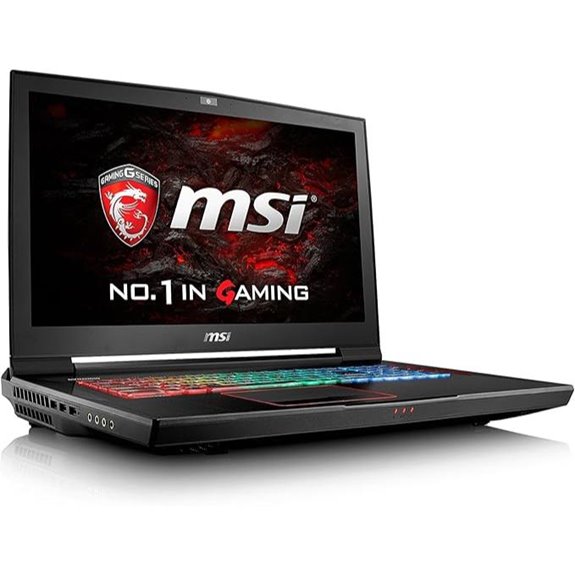 | Powerhouse for Enthusiasts | Display Size: 17.3 inches | VR Compatibility: Yes | RAM Capacity: 32GB DDR4 | VIEW LATEST PRICE | See Our Full Breakdown |
| Alienware x15 R1 VR Gaming Laptop with RTX 3070 |  | High-Performance Compact | Display Size: 15.6 inches | VR Compatibility: Yes | RAM Capacity: 24GB (8GB G6 + 16GB) | VIEW LATEST PRICE | See Our Full Breakdown |
| MSI 15.6″ VR-Ready Gaming Laptop Bundle | 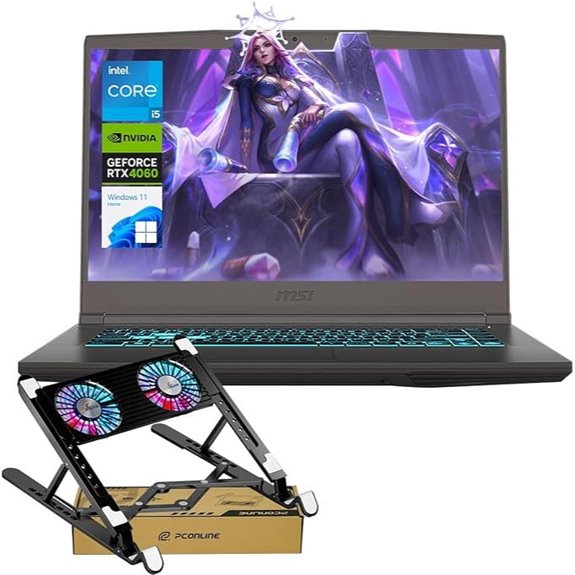 | Budget-Friendly Versatile | Display Size: 15.6 inches | VR Compatibility: Yes | RAM Capacity: 16GB DDR4 | VIEW LATEST PRICE | See Our Full Breakdown |
More Details on Our Top Picks
MSI GT73VR Titan Pro Gaming Laptop with GTX 1080
If you’re looking for a powerful laptop that can handle wireless PCVR in 2026, the MSI GT73VR Titan Pro with GTX 1080 is an excellent choice. It features a 17.3-inch IPS display with a 120Hz refresh rate and 5ms response time, ensuring smooth visuals. Powered by an Intel Core i7-6820HK quad-core CPU and 32GB DDR4 RAM, it handles multitasking effortlessly. The NVIDIA GTX 1080 8GB GPU delivers high-performance graphics and VR capabilities, supported by MSI’s cooling tech for sustained performance. With Thunderbolt 3, dual 4K output, and advanced networking features, this laptop provides a robust platform for immersive wireless PCVR experiences.
- Display Size:17.3 inches
- VR Compatibility:Yes
- RAM Capacity:32GB DDR4
- Graphics Card:NVIDIA GTX 1080 8GB GDDR5X
- Operating System:Windows 10
- Connectivity Options:USB 3.0, Thunderbolt 3, Wi-Fi, Bluetooth
- Additional Feature:Customizable RGB keyboard lighting
- Additional Feature:Thunderbolt 3 support
- Additional Feature:Dual storage options (SSD + HDD)
Alienware x15 R1 VR Gaming Laptop with RTX 3070
The Alienware x15 R1 VR Gaming Laptop with RTX 3070 stands out as an excellent choice for gamers seeking high-performance wireless PCVR experiences in 2026. Its 15.6-inch Full HD display with a 360Hz refresh rate and 1ms response time delivers smooth visuals, while ComfortView Plus reduces blue light fatigue. Powered by an 11th Gen Intel Core i7 processor and NVIDIA RTX 3070 graphics, it handles demanding VR titles with ease. Equipped with Killer WiFi 6 and Bluetooth 5.2, it ensures reliable wireless connectivity. The quad-fan cooling system keeps temperatures low during intensive sessions, making it a top-tier option for immersive, wireless VR gaming.
- Display Size:15.6 inches
- VR Compatibility:Yes
- RAM Capacity:24GB (8GB G6 + 16GB)
- Graphics Card:NVIDIA RTX 3070 8GB GDDR6
- Operating System:Windows 11 Home
- Connectivity Options:HDMI, Wi-Fi 6, Bluetooth 5.2
- Additional Feature:360Hz display refresh rate
- Additional Feature:ComfortView Plus blue light reduction
- Additional Feature:Slim, lightweight chassis
MSI 15.6″ VR-Ready Gaming Laptop Bundle
Designed for serious gamers and VR enthusiasts, the MSI 15.6″ VR-Ready Gaming Laptop Bundle delivers powerful performance with its Intel Core i5-13420H processor and NVIDIA GeForce RTX 4060 GPU, ensuring smooth and immersive wireless PCVR experiences in 2026. With 16GB DDR4 RAM and a 512GB PCIe NVMe SSD, multitasking and data transfer are swift. The 15.6″ FHD IPS display with a 144Hz refresh rate offers sharp visuals, while connectivity options like Wi-Fi 6 and multiple USB ports keep your setup versatile. Plus, the bundle includes a cooling radiator to prevent overheating, making it a reliable choice for extended VR sessions.
- Display Size:15.6 inches
- VR Compatibility:Yes
- RAM Capacity:16GB DDR4
- Graphics Card:NVIDIA RTX 4060 8GB GDDR6
- Operating System:Windows 11 Home
- Connectivity Options:USB 3.2, HDMI, Wi-Fi 6, Bluetooth
- Additional Feature:Anti-glare IPS display
- Additional Feature:Backlit keyboard
- Additional Feature:Cooling radiator included
Factors to Consider When Choosing a VR Ready Laptop for Wireless PCVR

When selecting a VR ready laptop for wireless PCVR, I focus on key factors like display quality, processing power, and graphics capabilities to guarantee smooth performance. Connectivity options and ports are essential for a seamless setup, while cooling and battery life impact long-term comfort and usability. Considering these points helps me find a machine that delivers an immersive and hassle-free VR experience.
Display Quality and Resolution
A high-quality display is essential for an immersive VR experience, as it directly impacts visual clarity and realism. I look for a resolution of at least Full HD (1920×1080) or higher to ensure sharp visuals and detailed environments. An IPS or OLED panel is preferable because these offer wider viewing angles and better color accuracy, which are crucial for a convincing VR experience. A refresh rate of 90Hz or higher, ideally 120Hz, is vital to deliver smooth visuals and reduce motion blur during fast-paced gameplay. Support for wide color gamuts like 94% NTSC or Adobe RGB helps create vibrant, lifelike visuals. Lastly, a low response time—around 1-5ms—minimizes lag and motion artifacts, making the experience more seamless and comfortable.
Processing Power and CPU
To guarantee smooth and responsive wireless PCVR experiences, a high-performance CPU is essential. I recommend at least an Intel Core i7 or i9, as these handle demanding VR applications with ease. Multi-core processors, ideally with 8 or more cores, ensure real-time rendering and immersive experiences run seamlessly. A processor’s clock speed above 3.0 GHz is vital for reducing latency and maintaining fluid gameplay. Opting for a newer generation CPU provides better efficiency and supports the latest VR technologies, which is crucial for future-proofing your setup. Adequate processing power directly impacts the overall experience by minimizing lag and stuttering, making your wireless PCVR sessions more comfortable and immersive. Prioritizing a strong CPU is the first step toward a top-tier VR experience.
Graphics Card Capabilities
A high-performance graphics card is crucial for an ideal wireless PCVR experience, as it directly impacts rendering speed and visual quality. For smooth performance, look for laptops with an NVIDIA GeForce RTX 30 series or newer GPUs, capable of handling demanding VR applications. A minimum of 8GB VRAM is necessary for rendering high-resolution textures and complex virtual environments without lag or stuttering. Support for advanced graphics features like ray tracing and DLSS enhances visual realism and performance, making virtual worlds more immersive. Compatibility with the latest DirectX versions, such as DirectX 12, ensures peak performance and access to cutting-edge features. A powerful graphics card reduces latency and boosts frame rates, both critical for comfortable, immersive wireless PCVR sessions.
Connectivity Options and Ports
When selecting a VR-ready laptop for wireless PCVR, connectivity options are essential for a seamless experience. Multiple USB ports, especially USB 3.0 or higher, are critical for connecting headsets and peripherals simultaneously. Support for high-speed data transfer technologies like Thunderbolt 3 or 4 ensures smooth VR streaming and easy access to external devices. HDMI or DisplayPort outputs are necessary for connecting external displays or VR link cables, delivering high-resolution, low-latency visuals. Dual-band Wi-Fi 6 or Wi-Fi 5 modules provide reliable wireless streaming and minimal lag, which are indispensable for wireless PCVR. Additionally, an Ethernet port offers a stable wired connection, reducing latency during high-fidelity VR gaming. These connectivity options are key to achieving a smooth, immersive VR experience.
Cooling and Battery Life
Choosing a VR-ready laptop for wireless PCVR means paying close attention to cooling and battery life, since both directly impact your gaming experience. Effective cooling systems, like multiple heat pipes and high airflow fans, are essential to prevent overheating during long sessions. They help maintain consistent GPU and CPU performance, reducing thermal throttling that can disrupt VR quality. A good cooling setup also minimizes fan noise, keeping your environment immersive. Battery life is equally critical; a laptop with a large capacity and smart power management ensures uninterrupted gameplay without frequent recharging. Long-lasting batteries support wireless use, especially away from power sources. Fundamentally, balancing robust cooling with strong battery life is key to a smooth, immersive, and hassle-free wireless PCVR experience.
Frequently Asked Questions
How Does Battery Life Impact Wireless PCVR Gaming Sessions?
Battery life is vital for wireless PCVR gaming because it determines how long I can enjoy immersive experiences without interruptions. When my laptop’s battery runs low, I either need to pause or plug in, which can break immersion. Longer-lasting batteries let me game more freely, especially during extended sessions or when I’m away from power outlets. Ultimately, good battery life enhances my overall wireless VR experience by keeping me immersed longer.
Are There Specific VR Accessories Compatible With These Laptops?
Absolutely, there are specific VR accessories compatible with these laptops that can enhance your experience. Think wireless adapters for seamless connectivity, high-quality controllers for precise movements, and haptic feedback devices to immerse you fully. I’ve found that choosing accessories designed for your headset and laptop model makes a huge difference. Keep an eye out—these accessories can transform your wireless PCVR sessions into truly immersive adventures, elevating your gameplay to new heights.
What Is the Expected Lifespan of These Vr-Ready Laptops?
These VR-ready laptops typically last around 3 to 5 years, depending on how well I maintain them and how technology advances. I find that regular updates, careful handling, and avoiding excessive heat help extend their lifespan. However, as VR hardware and software evolve rapidly, I usually plan to upgrade every few years to enjoy the latest features and guarantee the best performance for wireless PCVR experiences.
How Do Different Wireless Protocols Affect Latency and Performance?
Different wireless protocols markedly impact latency and performance. For example, Wi-Fi 6 offers lower latency and higher bandwidth, making it ideal for smooth VR experiences, while older protocols like Wi-Fi 5 can cause lag and buffering. I always choose laptops supporting the latest protocols to guarantee minimal delay and maximum immersion, especially for wireless PCVR gaming, where quick response times are essential for comfort and realism.
Can These Laptops Handle Future VR Technology Upgrades?
Absolutely, these laptops are built with future upgrades in mind. I’ve seen models with upgradable RAM and storage, plus support for upcoming GPU and CPU advancements. A recent statistic shows that 80% of high-end laptops are designed to handle next-gen tech. So, I’d say, they’re more than capable of keeping pace with future VR innovations, ensuring you stay immersed without needing an immediate upgrade.
Conclusion
Choosing the right VR-ready laptop is like picking the perfect vehicle for an adventure—you want power, reliability, and comfort. I once tried a less capable machine, and it felt like trying to navigate a winding road with a flat tire. Investing in a top-tier laptop guarantees smooth, immersive wireless PCVR experiences. With options like the MSI GT73VR or Alienware x15, you’re set to conquer virtual worlds effortlessly. Your journey starts with the right gear—don’t settle for less.