
Storytelling card decks offer a creative spark for writers, teachers, and game enthusiasts alike. The Character Development Deck stands out as the best overall with its versatility for story crafting. The Storycaster – Fantasy I Starter Deck appeals to fantasy lovers seeking immersive prompts, while the Campfire Stories Deck for Kids makes storytelling accessible for younger audiences. Each deck balances different needs, from simplicity to depth, but the main tradeoffs involve complexity versus usability. Keep reading for a detailed breakdown of the top options and how to choose the right deck for your storytelling style.

Get the latest gadgets delivered free — and shop member deals
- Fast, free delivery on millions of items
- Access to Prime Big Deal Days deals on October 6–7
- Prime Video, Amazon Music and more included
Complete the kit



Key Takeaways
- Versatility varies widely, with some decks designed for specific genres like fantasy or family stories, while others support broad storytelling.
- Decks with more cards or detailed guides tend to be more versatile but can also be overwhelming for new users.
- Price often correlates with complexity and included extras—premium decks typically include comprehensive guides or themed prompts.
- Many decks excel in sparking creativity, but some prioritize structure over open-ended inspiration, influencing their suitability for different users.
- The best decks balance ease of use with enough depth to inspire meaningful stories, making them suitable for various skill levels.


More Details on Our Top Picks
Character Development Deck – Storytelling Cards – Gift for Writers
This compact deck excels at sparking character depth through 13 thoughtfully crafted subjects, making it ideal for writers seeking portable inspiration. Compared with the larger decks like the Storycaster, it offers a narrower focus but excels at encouraging nuanced character creation. Its prompts are highly effective for fleshing out personalities but don’t provide broader plot or world-building tools, which means writers may need additional resources for full story development. The deck’s portability makes it perfect for quick inspiration on the go—yet, its limited scope means it works best as a supplementary tool rather than a complete storytelling solution.Pros:- Encourages creative thinking with diverse prompts
- Portable and easy to carry
- Helps develop multidimensional characters
Cons:- Limited to character development prompts
- May require additional tools for complete story creation
Best for: Writers who want a quick, portable way to deepen character development during drafting or brainstorming sessions
Not ideal for: Storytellers looking for comprehensive story-building tools or world-building prompts, as it focuses solely on character traits
- Subjects:13
- Purpose:Character development
- Format:Cards
- Use:Portable, easy to use anywhere
Our verdict“This deck is best for writers who need targeted inspiration to craft complex characters on the fly.”
Storycaster – Fantasy I Starter Deck
The Storycaster Fantasy I Starter Deck offers a robust 151-card set, making it a versatile choice for fantasy storytellers craving variety. Unlike the Character Development Deck, which focuses narrowly on characters, this deck supports full world-building and plot ideas, especially with the included free Midwinter Night’s Expansion Pack. However, its lack of detailed instructions can leave new players unsure how to maximize the cards’ potential, and it’s more appealing to those already familiar with storytelling games. It’s a solid choice for experienced players or groups who want a rich, expandable storytelling toolkit, but beginners might need guidance to avoid feeling overwhelmed.Pros:- Large deck of 151 cards for varied storytelling options
- Includes free expansion pack for more content
- Highly suitable for fantasy storytelling and role-playing
Cons:- No detailed gameplay instructions provided
- Potentially limited appeal to non-fantasy story creators
Best for: Experienced fantasy story creators or groups seeking an expansive, replayable storytelling resource
Not ideal for: Casual users or those new to storytelling card games who need more structured guidance
Our verdict“This deck is ideal for seasoned fantasy storytellers who want a flexible, expandable set to fuel imaginative tales.”
Campfire Stories Deck for Kids! – Storytelling Games to Ignite Imagination
Designed to foster creativity around the campfire, this deck offers simple prompts that are perfect for group storytelling with children. Compared to the more sophisticated eeBoo sets, it emphasizes fun and engagement over detailed story structure, making it accessible for younger kids. Its straightforward approach encourages social interaction but might feel limiting for children seeking more complex narratives. Best suited for outdoor gatherings or family activities, it’s less appropriate for individual or more advanced storytelling exercises, and relies heavily on group participation for full enjoyment.Pros:- Encourages creativity and storytelling skills
- Great for group activities and camping trips
- Simple and easy to use
Cons:- Limited to storytelling, may not appeal to all children
- Requires a group to fully enjoy
Best for: Parents and camp leaders wanting easy, engaging storytelling activities for children during outdoor trips
Not ideal for: Older children or those interested in developing more complex storytelling skills, as it’s geared toward simple, group-based fun
Our verdict“This deck works best for families and groups seeking quick, fun storytelling prompts for kids in outdoor settings.”
eeBoo Mystery in The Forest Create a Story Pre-Literacy Cards, 36 Cards
With vivid illustrations and engaging characters, this set excels at fostering early storytelling and vocabulary skills in children aged 3 and up. Compared to the Campfire Stories deck, which is more about group fun, this set emphasizes narrative development and literacy through beautifully designed cards. Its eco-friendly materials and award-winning artwork make it appealing for environmentally conscious parents and educators. However, the limited age range and smaller card size may reduce its appeal for older or more active children. It’s a gentle, visually stimulating tool that helps cultivate foundational storytelling skills in young learners.Pros:- Encourages imagination and storytelling skills
- Made with eco-friendly, recycled materials
- Beautiful, award-winning illustrations
Cons:- Limited to pre-literacy age group
- Cards may be small for some children
Best for: Parents and educators seeking eco-friendly, visually rich storytelling tools for preschoolers and early readers
Not ideal for: Older children or children who need more advanced or complex storytelling activities, as it’s designed for very young learners
- Number of Cards:36
- Card Size:3.75 x 4.75 inches
- Materials:90% recycled materials
- Inks:vegetable-based inks
- Recommended Age:3+
- Awards:Oppenheim Gold Best Toy Award
Our verdict“This set is perfect for early childhood education, combining eco-consciousness with engaging storytelling prompts for young kids.”
eeBoo Animal Village Create a Story Pre-Literacy Cards, 36 Cards with Colorful Characters
Similar to the Forest set, this deck offers 36 vibrant cards to inspire storytelling and social play, making it ideal for children aged 3 and up. Its colorful characters and scenes promote vocabulary growth and social interaction, especially for children who thrive on visual storytelling. Compared to the Forest set, it centers on animal themes, which can be more engaging for animal-loving kids. However, its focus remains on pre-literacy activities, limiting its use for older children or those seeking more complex narratives. Its eco-friendly materials and award-winning design make it a charming, durable choice for family and classroom settings.Pros:- Encourages imagination and storytelling skills
- Made with sustainable, eco-friendly materials
- Beautiful, award-winning illustrations
Cons:- Limited to storytelling and pre-literacy activities
- Requires adult guidance for younger children
- Cards may be small for some hands
Best for: Parents and teachers aiming to foster early literacy and imaginative play with animal themes
Not ideal for: Children needing advanced storytelling or narrative complexity, as it is designed for pre-literacy development
- Number of Cards:36
- Card Dimensions:3.75 x 4.75 inches
- Materials:90% recycled materials
- Inks:vegetable-based inks
- Recommended Age:3+
- Awards:Oppenheim Gold Best Toy Award
Our verdict“This deck is ideal for early learners who enjoy animal themes and gentle storytelling activities, especially in family or classroom settings.”
Nord Games The Oracle Story Generator: Boxed Set – 5e RPG Storytelling Cards
This set stands out for its massive variety of over 250 million story combinations, making it ideal for game masters, writers, and storytellers seeking endless inspiration. Compared to the Story Oracle, which offers focused prompts for creative writing, this set provides more structured themes like political intrigue and relics, making it more suited to roleplaying contexts. The inclusion of five decks with 60 cards each allows for flexible, event-driven storytelling, but it requires some familiarity with roleplaying to get the most out of its features. Its tarot-sized cards might not appeal to those preferring smaller, more portable options or digital tools. Overall, this set is perfect for those who want a structured, theme-rich toolkit for fantasy storytelling with layers of reusability, though it demands some investment in understanding its format.
Pros:- Over 250 million possible story combinations for endless variety
- Includes multiple themes suitable for diverse storytelling needs
- Reusable with four options per card for added diversity
Cons:- May require familiarity with roleplaying or storytelling conventions
- Limited to tarot-sized cards, which might not suit all users’ preferences
Best for: Game masters and writers who want a high-volume, theme-rich storytelling resource for roleplaying campaigns or fantasy writing.
Not ideal for: Casual storytellers or those seeking simple prompts, as the complexity and theme depth may be overwhelming.
- Number of decks:5
- Cards per deck:60
- Card size:Tarot-sized
- Themes:Contracts & Bounties, Epic Adventures, Political Intrigue, Relics & Artifacts, Sidequests
Our verdict“This set is best for experienced storytellers and roleplayers looking for a versatile, structured storytelling toolkit.”
The Moth Presents: A Game of Storytelling
This collection excels at fostering creativity through engaging prompts inspired by live storytelling events, making it ideal for individuals or groups wanting to build storytelling skills in an interactive way. Unlike the Story Oracle, which offers structured prompts and a guidebook, this deck relies heavily on spontaneous, often personal storytelling exercises that encourage sharing and connection. Its lack of detailed instructions or thematic focus means it’s better suited for participants comfortable with improvisation and open-ended prompts. If you’re seeking a traditional, structured storytelling guide, this might fall short, but for those who thrive on community and creativity, it offers a lively, inspiring experience.
Pros:- Encourages creativity and storytelling skills through engaging prompts
- Interactive format fosters community and sharing
- Suitable for all experience levels, especially beginners
Cons:- Lacks detailed instructions or example stories
- May not appeal to those seeking structured, educational content
Best for: Storytelling groups, educators, or individuals seeking interactive, community-based storytelling activities.
Not ideal for: People who prefer structured lessons or detailed example-driven guides, as it leans toward improvisation.
Our verdict“Ideal for groups and beginners wanting a fun, interactive way to enhance storytelling confidence and connection.”
TALES 150 Life Story Interview Kit, Conversation Cards for Families and Adults
This kit makes it simple to capture meaningful stories across generations, with 150 questions that guide conversations about life experiences and personal history. Compared to Writing Down the Bones Deck, which focuses on inspiring individual writing prompts, the TALES kit emphasizes capturing real stories through a comprehensive question set. Its durability and portability make it perfect for on-the-go interviews, but it’s primarily aimed at adult participants, limiting its use with children or young teens. The set’s straightforward instructions support easy use, but some users might find the questions repetitive after multiple sessions. For families or individuals wishing to preserve memories, this kit offers a practical, well-rounded option.
Pros:- Comprehensive set of 150 questions for deep, meaningful conversations
- Durable, portable design for use anywhere
- Easy-to-follow instructions facilitate smooth interviews
Cons:- Limited to adult participants, not suitable for children
- Questions may become repetitive over time
Best for: Families or individuals wanting to document and preserve personal or family histories through guided conversations.
Not ideal for: Younger children or casual storytellers seeking playful, less structured prompts, as it’s tailored for serious memory-keeping.
- Number of Cards:150
- Age Range:16+
- Included Components:Cards
- Material:Cardboard
Our verdict“This kit is perfect for families or individuals committed to preserving personal stories with ease and depth.”
Writing Down the Bones Deck: 60 Cards to Free the Writer Within
This deck appeals to writers looking for quick, impactful prompts to jumpstart their creativity, making it a practical alternative to more comprehensive tools like The Story Oracle. While the Writing Down the Bones Deck offers targeted prompts to break through writer’s block, it doesn’t include a guidebook or additional resources, which might limit its depth for some users. Its 60 cards are compact and easy to shuffle, but the focus remains narrowly on writing inspiration. If you prefer a multi-faceted storytelling toolkit, this deck is a straightforward choice; if you want broader creative prompts or detailed guidance, other options may be better fit.
Pros:- Provides clear, focused prompts to spark writing
- Helps overcome writer’s block quickly
- Compact and easy to use anytime
Cons:- Limited to writing inspiration, no additional tools included
- No thematic variety beyond prompts
Best for: Writers seeking quick, inspiring prompts to boost confidence and productivity in writing projects.
Not ideal for: Those looking for extensive storytelling guidance, thematic exploration, or multi-genre prompts, as it’s focused solely on writing.
Our verdict“Ideal for writers needing quick, practical prompts to boost creativity and confidence in their craft.”
The Story Oracle: A Creative Writing Inspiration Deck with 78 Cards and Guidebook
This deck offers a balanced mix of creative prompts and a comprehensive guidebook, making it suitable for writers and storytellers seeking both inspiration and direction. Compared to the Writing Down the Bones Deck, which focuses solely on prompts, the Story Oracle provides thematic suggestions alongside tools to help generate ideas across different projects. Its 78 cards cover a broad range of themes, although details on specific themes are limited, which might leave some users wanting more clarity about card content. The included guidebook enhances usability but assumes some familiarity with oracle decks. Overall, this deck is a flexible choice for those wanting both inspiration and structured guidance in storytelling.
Pros:- Provides creative inspiration for various storytelling projects
- Includes a comprehensive guidebook for idea development
- Versatile for multiple genres and formats
Cons:- Limited information on specific card themes
- May require familiarity with oracle decks for optimal use
Best for: Writers and storytellers who want versatile prompts accompanied by guidance to develop ideas across genres.
Not ideal for: Beginners or casual storytellers seeking simple, straightforward prompts without additional guidance or thematic depth.
Our verdict“Great for storytellers seeking a flexible, guided approach to overcoming creative blocks and generating ideas.”
Storyteller Tactics® by Pip Decks® – Official 54-Card Deck for Sales, Marketing and Presentations
This deck stands out for its focus on applying storytelling frameworks specifically to sales, marketing, and presentations, making it an invaluable tool for professionals looking to craft persuasive stories. Unlike more creative or open-ended decks such as the Story Oracle, Storyteller Tactics® offers proven structures endorsed by industry giants like Google and Apple, which can significantly boost confidence during pitches. However, its narrow focus means it’s less suited for casual storytelling or creative writing, and it assumes some familiarity with storytelling principles. The lack of digital resources could be a drawback for remote or hybrid teams seeking easy access. This pick makes the most sense for sales teams, marketers, or public speakers aiming to sharpen their storytelling skills for professional impact.
Pros:- Provides proven storytelling frameworks tailored for sales and marketing success
- Trusted by major companies like Google, Microsoft, and Apple, adding credibility
- Helps users craft more confident, compelling pitches and presentations
Cons:- Limited to sales, marketing, and presentation contexts, reducing creative versatility
- Requires some prior understanding of storytelling techniques, which may challenge beginners
- No digital or online resources included, which could hinder remote or digital use
Best for: Marketing professionals, sales teams, or presenters who want structured storytelling tools to enhance persuasion and confidence.
Not ideal for: Creative writers or educators seeking open-ended storytelling prompts, as this deck is tailored toward business communication and does not foster freeform storytelling.
- Product Dimensions:1.5 x 4.06 x 6.02 inches
- Item Weight:14.6 ounces
- ASIN:B0BBS8QKD2
- Item Model Number:ST01
- Manufacturer Recommended Age:18 years and up
- Customer Reviews:4.2 out of 5 stars
Our verdict“This deck is ideal for business professionals seeking structured storytelling tools to elevate their pitches and client interactions.”
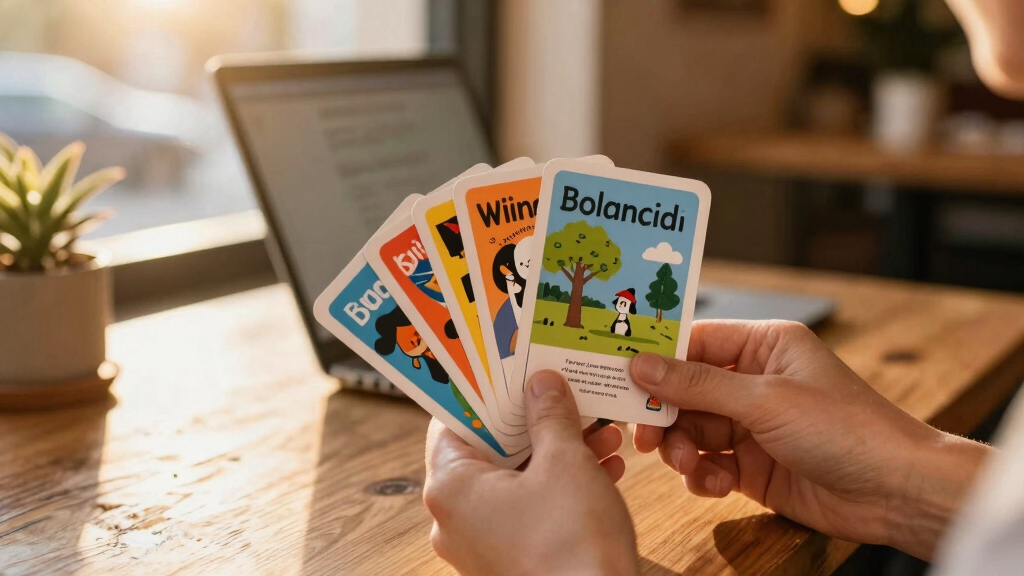
How We Picked
To evaluate these storytelling card decks, I focused on criteria that matter most to users: ease of use, versatility, quality of prompts, and value for money. I considered whether the deck supports different storytelling styles or genres, how intuitive it is for beginners versus experienced writers, and the durability of the cards. Additionally, I looked at user feedback and the comprehensiveness of accompanying guides. The ranking reflects a mix of these factors, prioritizing decks that offer a balanced combination of inspiration, usability, and long-term value.Factors to Consider When Choosing Storytelling Card Decks
Choosing the right storytelling card deck depends on your specific goals and experience level. Some decks are better suited for quick inspiration or casual use, while others support more structured or genre-specific storytelling. Understanding key factors like content diversity, ease of use, and format can help you find a deck that truly ignites your creativity and fits your workflow.Purpose and Genre Focus
Identify whether you want a deck that helps develop characters, craft plots, or generate entire stories. Some decks are tailored for specific genres like fantasy or mystery, which can deepen your storytelling within a theme. If you’re seeking broad inspiration, look for decks with a wide variety of prompts, but if you’re focused on a niche, choose a specialized deck to deepen your engagement.Ease of Use and Complexity
Consider how intuitive the deck is—does it require a lot of setup or explanation? Beginners benefit from decks with straightforward prompts and minimal rules, while more advanced users may prefer decks that encourage deeper exploration or have multiple layers of prompts. Keep in mind that overly complex decks can feel intimidating, but they may also offer richer inspiration for experienced storytellers.Content Quality and Diversity
Look for decks with well-crafted, varied prompts that stimulate different aspects of storytelling—characters, settings, conflicts, and resolutions. A diverse set of cards prevents repetition and keeps your storytelling fresh. Some decks include visual cues or thematic elements that add depth, but ensure the prompts align with your preferred style and genre.Material and Durability
Cards should be made from sturdy materials to withstand frequent use. If you plan to carry your deck around or use it regularly, durability matters. Additionally, consider whether the deck includes a storage box or guidebook, which can enhance usability and organization over time.Price and Value
While premium decks often include extensive guides or thematic artwork, they come at a higher price. Balance your budget with your needs—if you’re a casual user, a simpler, more affordable deck may suffice. For dedicated writers or educators, investing in a more comprehensive deck might provide better long-term value.Frequently Asked Questions
Can storytelling card decks help improve my writing skills?
Absolutely. These decks serve as excellent prompts that challenge you to think creatively and develop stories from different angles. Regular use can enhance your ability to generate ideas quickly and build stronger narrative structures. They are especially useful for overcoming writer’s block and fostering consistent practice, making them valuable tools for both beginners and experienced writers seeking fresh inspiration.
Are there decks suitable for children or educational settings?
Yes, several decks are designed specifically for kids or classroom use. For example, the Campfire Stories Deck for Kids offers simple, engaging prompts that are easy to understand and fun to explore. These decks encourage imagination and storytelling skills in a playful way, making them ideal for educators, parents, or young storytellers. Be sure to choose a deck with age-appropriate content to match the skill level of your audience.
How do I choose between a themed deck and a general-purpose deck?
Deciding depends on your storytelling goals. If you enjoy working within specific genres like fantasy or mystery, a themed deck can deepen your immersion and provide targeted inspiration. Conversely, a general-purpose deck offers a wide variety of prompts suitable for different styles and situations, making it more flexible if you’re unsure which genre you prefer or want to explore multiple avenues. Consider your preferred use case and whether you want focused or broad prompts.
Are digital or printable card decks as effective as physical cards?
Digital decks can be convenient and offer quick access, but physical cards tend to be more engaging and tactile, which can boost creativity through sensory stimulation. Physical decks also encourage spontaneous use and often feel more like a game or activity, fostering a different kind of inspiration. If you prefer a more hands-on experience, physical cards usually provide better engagement, but digital options can be great for portability and cost savings.
What should I look for if I want a deck to facilitate collaborative storytelling?
Look for decks designed with multiple prompts that encourage interaction, such as cards that suggest different character roles or narrative twists. Some decks include instructions for group play or storytelling exercises, which can enhance collaboration. The quality of prompts and clarity of instructions are key—decks that are too complex may hinder flow, so choose one that promotes fun and spontaneous contributions for group settings.
Conclusion
If you’re a casual storyteller or teacher looking for quick inspiration, a simple and affordable deck like the Campfire Stories Deck for Kids makes sense. Serious writers or educators aiming for deep engagement should consider decks like the Story Oracle or Character Development Deck for richer prompts. For those seeking a premium experience, the Nord Games Oracle offers comprehensive guides and thematic depth. Beginners will benefit from decks with straightforward prompts, while seasoned storytellers might prefer decks that challenge their creativity with layered prompts. Ultimately, the best choice aligns with your storytelling goals and how you plan to use the deck regularly.
Fall Picks
fall essentials
As an affiliate, we earn on qualifying purchases.