If you’re looking for the best routers for SteamVR wireless streaming in 2026, I recommend checking out options like the Meta Quest-compatible wireless VR router, the TP-Link AX1800 WiFi 6, the TP-Link AX5400 with long-range, the affordable AC1200 dual-band, and the NETGEAR Nighthawk WiFi 7. These models provide high speeds, low latency, and excellent coverage—vital for a smooth VR experience. Keep reading to get all the details and find the perfect setup for your needs.
Key Takeaways
- Support for Wi-Fi 6 or 7 with speeds over 3000 Mbps ensures smooth VR streaming.
- Low latency (under 20ms) and stable connections prevent lag during immersive VR sessions.
- High-gain antennas and beamforming technology improve signal coverage and reduce interference.
- Compatibility with VR headsets and streaming apps, along with security features like WPA3, enhances reliability.
- Wide coverage and mesh systems ensure consistent performance over large or obstacle-filled spaces.
| Wireless VR Streaming Router for Meta Quest 2/3 | 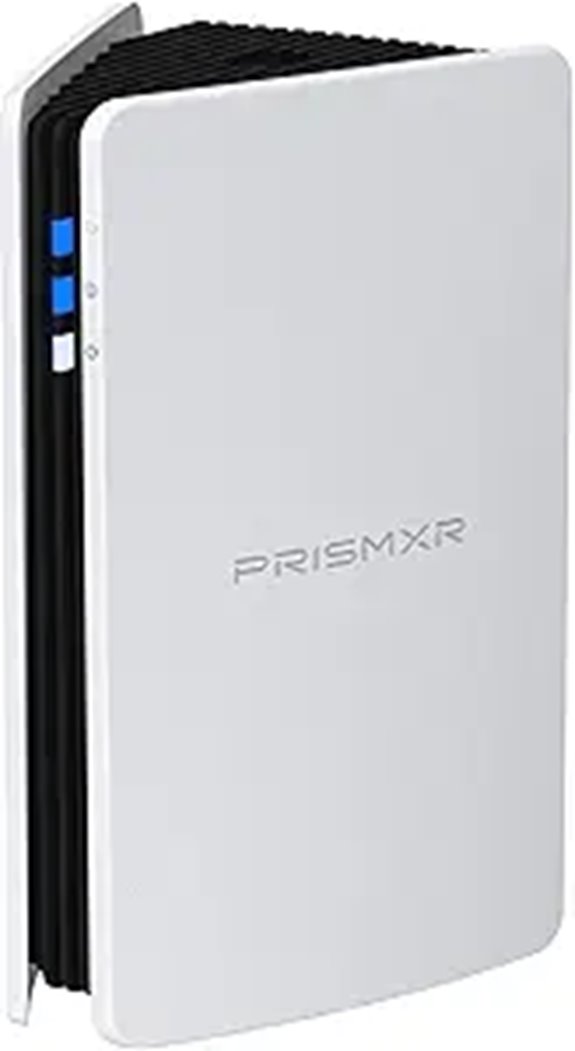 | Best Wireless Performance | Wireless Standard: Wi-Fi 5 (802.11ax) | Band Support: Dual-band (2.4GHz & 5GHz) | Maximum Speed: 3000 Mbps | VIEW LATEST PRICE | See Our Full Breakdown |
| TP-Link AX1800 WiFi 6 Router (Archer AX21) | 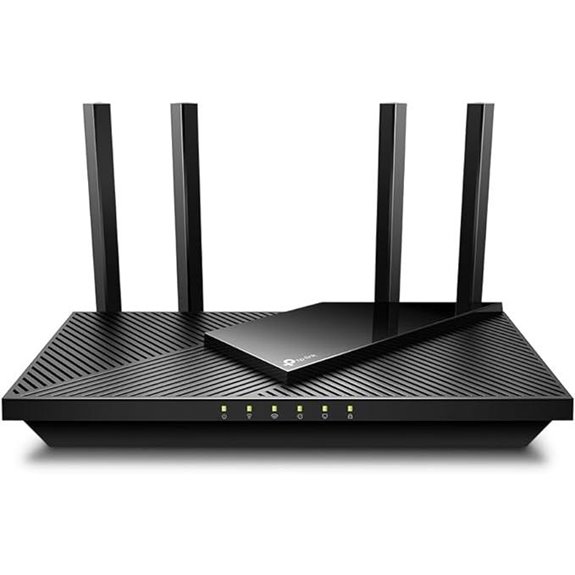 | Best Budget WiFi 6 | Wireless Standard: Wi-Fi 6 (802.11ax) | Band Support: Dual-band (2.4GHz & 5GHz) | Maximum Speed: 1.8 Gbps | VIEW LATEST PRICE | See Our Full Breakdown |
| TP-Link AX5400 WiFi 6 Router with Long Range | 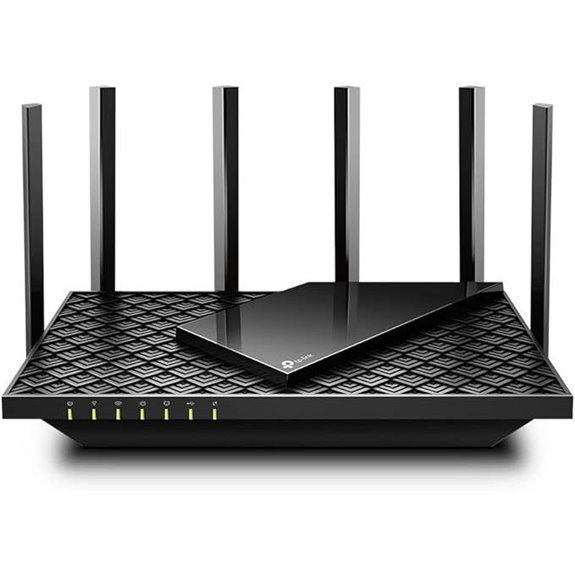 | Best Coverage | Wireless Standard: Wi-Fi 6 (802.11ax) | Band Support: Dual-band (2.4GHz & 5GHz) | Maximum Speed: 5.4 Gbps | VIEW LATEST PRICE | See Our Full Breakdown |
| TP-Link AC1200 Dual Band WiFi Router | 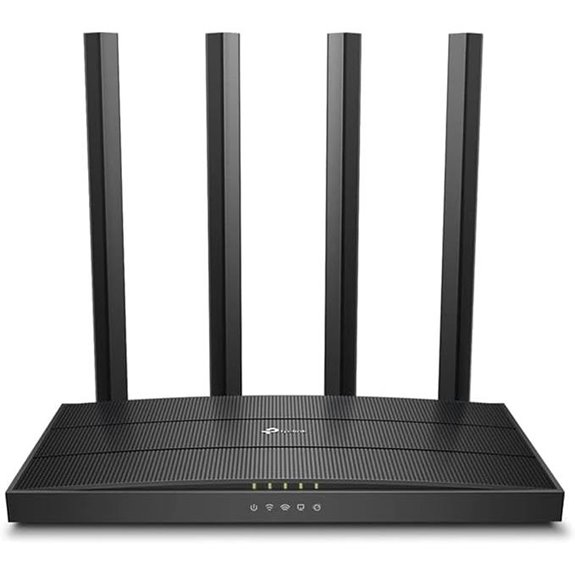 | Best Value Dual-Band | Wireless Standard: Wi-Fi 5 (802.11ax) | Band Support: Dual-band (2.4GHz & 5GHz) | Maximum Speed: 1200 Mbps | VIEW LATEST PRICE | See Our Full Breakdown |
| NETGEAR Nighthawk WiFi 7 Router (BE9300) | 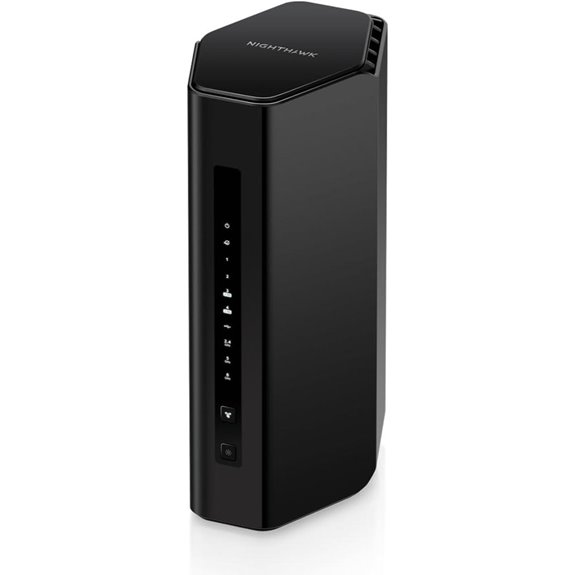 | Best Future-Proof | Wireless Standard: Wi-Fi 7 (802.11be) | Band Support: Dual-band (2.4GHz & 5GHz) | Maximum Speed: Up to 9.3 Gbps | VIEW LATEST PRICE | See Our Full Breakdown |
More Details on Our Top Picks
Wireless VR Streaming Router for Meta Quest 2/3
If you’re looking to upgrade your VR experience with seamless wireless streaming, the Wireless VR Streaming Router for Meta Quest 2/3 is an excellent choice. It’s compatible with Meta Quest 3S/3/2, Quest Pro, Pico 4, and Pico 4 Ultra headsets, supporting popular desktop apps like Virtual Desktop and Steam. Powered by a 1.3GHz dual-core chipset, it delivers stable, low-latency connections with speeds up to 3000 Mbps using advanced beamforming. Setup is quick—no drivers needed—thanks to Bluetooth-based EaseLink technology. Its versatile modes, including WiFi Hotspot and Adapter modes, ensure reliable performance across different environments, replacing cables with a smooth, wireless VR experience.
- Wireless Standard:Wi-Fi 5 (802.11ax)
- Band Support:Dual-band (2.4GHz & 5GHz)
- Maximum Speed:3000 Mbps
- Security Features:Secure internet, device control
- Compatibility:PC-VR software, Meta Quest, Pico, SteamLink
- Setup & Management:Driver-free, Bluetooth setup
- Additional Feature:PrismPulse Mode connection
- Additional Feature:Bluetooth EaseLink setup
- Additional Feature:21-item system scan
TP-Link AX1800 WiFi 6 Router (Archer AX21)
The TP-Link AX1800 WiFi 6 Router (Archer AX21) stands out as an excellent choice for gamers and VR enthusiasts seeking reliable wireless streaming for SteamVR. Its dual-band setup delivers up to 1.8 Gbps, with faster speeds on 5 GHz and solid coverage thanks to four high-gain antennas and Beamforming technology. It supports Wi-Fi 6’s OFDMA, allowing multiple devices to operate smoothly without congestion. Compatibility is broad, working with major ISPs and Alexa, plus easy setup with the Tether app. Security features like VPN support and certified cybersecurity make it a reliable, secure option. Overall, it’s a strong candidate for seamless VR streaming in 2026.
- Wireless Standard:Wi-Fi 6 (802.11ax)
- Band Support:Dual-band (2.4GHz & 5GHz)
- Maximum Speed:1.8 Gbps
- Security Features:WPA3, secure remote access
- Compatibility:All major ISPs, Alexa, easy setup
- Setup & Management:App-based setup, Tether support
- Additional Feature:Certified for Humans
- Additional Feature:Supports multiple ISPs
- Additional Feature:Tether app setup
TP-Link AX5400 WiFi 6 Router with Long Range
For gamers and VR enthusiasts seeking seamless SteamVR wireless streaming, the TP-Link AX5400 WiFi 6 Router with Long Range stands out thanks to its impressive speed and extensive coverage. Supporting up to 5400 Mbps with WiFi 6, it handles multiple devices effortlessly, making it ideal for high-demand VR and gaming setups. Its 4T4R antennas, beamforming, and HE160 technology ensure stable, wide-reaching signals even in large homes. The router’s MU-MIMO and OFDMA boost efficiency, while features like a USB port facilitate easy media sharing. With robust security and compatibility with major ISPs, it’s a reliable choice for smooth, lag-free VR streaming in any environment.
- Wireless Standard:Wi-Fi 6 (802.11ax)
- Band Support:Dual-band (2.4GHz & 5GHz)
- Maximum Speed:5.4 Gbps
- Security Features:Security with HomeShield, parental controls
- Compatibility:Compatible with multiple devices, smart home
- Setup & Management:App support, easy setup
- Additional Feature:HE160 technology 5GHz
- Additional Feature:USB 3.0 media sharing
- Additional Feature:4T4R high-gain antennas
TP-Link AC1200 Dual Band WiFi Router
With its dual-band setup delivering up to 1200 Mbps combined speed, the TP-Link AC1200 Dual Band WiFi Router is an excellent choice for gamers and streamers seeking reliable wireless connections for SteamVR streaming. It features four external antennas with Beamforming technology, which boosts coverage and signal focus. MU-MIMO on the 5GHz band allows multiple devices to stream simultaneously without lag. With four Gigabit LAN ports, it supports high-speed wired connections, ideal for reducing buffering during 4K streaming. Plus, its WPA3 security enhances cybersecurity, and support for TP-Link OneMesh means seamless whole-home coverage. It’s versatile, secure, and capable of handling demanding VR streaming setups.
- Wireless Standard:Wi-Fi 5 (802.11ax)
- Band Support:Dual-band (2.4GHz & 5GHz)
- Maximum Speed:1200 Mbps
- Security Features:WPA3, network security
- Compatibility:All major ISPs, wired or wireless
- Setup & Management:App support, simple management
- Additional Feature:Supports TP-Link OneMesh
- Additional Feature:WPA3 security protocol
- Additional Feature:Four external antennas
NETGEAR Nighthawk WiFi 7 Router (BE9300)
Gamers seeking smooth, high-speed wireless streaming for SteamVR will find the NETGEAR Nighthawk WiFi 7 Router (BE9300) to be an excellent choice, thanks to its impressive speeds of up to 9.3Gbps. It’s perfect for gaming, streaming, and video calls, with WiFi 7 delivering speeds 2.4 times faster than WiFi 6. Its sleek design and powerful antennas provide coverage up to 2,500 sq. ft. and support up to 100 devices simultaneously. While it’s a router-only device requiring a separate modem, its multi-gig port and robust security features, including NETGEAR Armor, make it a top option for seamless, high-performance wireless experiences.
- Wireless Standard:Wi-Fi 7 (802.11be)
- Band Support:Dual-band (2.4GHz & 5GHz)
- Maximum Speed:Up to 9.3 Gbps
- Security Features:Built-in security, NETGEAR Armor
- Compatibility:Multi-device, gaming, streaming
- Setup & Management:App setup, user-friendly management
- Additional Feature:Supports WiFi 7 speeds
- Additional Feature:2.5 Gbps internet port
- Additional Feature:User-friendly Nighthawk app
Factors to Consider When Choosing a Router for SteamVR Wireless Streaming
When selecting a router for SteamVR wireless streaming, I focus on several key factors that can impact performance. Things like network speed, latency, device compatibility, and signal coverage are vital to a smooth experience. Security and potential interference also play a role in ensuring a reliable, safe connection.
Network Speed Requirements
Choosing the right router for SteamVR wireless streaming hinges on understanding network speed requirements. To guarantee smooth, lag-free gameplay, your router should support at least 3000 Mbps combined bandwidth on the 5GHz band. Higher speeds mean less latency and fewer interruptions, creating a more immersive VR experience. I recommend opting for Wi-Fi 6 or Wi-Fi 7 routers because they offer increased speeds and handle network congestion better, which is vital for high-quality VR streaming. Dual-band routers that support both 2.4GHz and 5GHz frequencies help optimize your network’s performance, providing flexibility and stability. Keep in mind, more complex VR content demands even faster, more reliable connections. Meeting these speed requirements is indispensable for enjoying seamless, immersive VR sessions without frustration.
Latency and Stability
Since smooth VR gameplay depends heavily on quick, reliable responses, latency and stability become critical factors in selecting a router. Low latency, ideally under 20 milliseconds, ensures minimal lag, making movements feel instant and natural. A stable Wi-Fi connection prevents lag spikes that can break immersion and cause discomfort. High bandwidth, such as 2400 Mbps or more, supports the large data streams needed for high-quality VR streaming. Advanced beamforming technology helps maintain a consistent signal, reducing connection drops during intense gameplay. Additionally, network congestion from multiple devices can increase latency; routers with QoS features can prioritize VR traffic, ensuring a smoother experience. Prioritizing these factors leads to more responsive, stable VR sessions without interruptions or noticeable delays.
Device Compatibility
Ensuring your router is compatible with your VR setup is essential for a smooth wireless streaming experience. First, make certain it supports the latest Wi-Fi standards like Wi-Fi 6 or Wi-Fi 6E, which deliver faster speeds and better reliability. Check that the router works with your VR headset and any required desktop software or streaming apps, so there are no compatibility issues. It should also handle high data transfer rates—preferably 2400 Mbps or more on the 5GHz band—to ensure low-latency performance. Dual-band or tri-band support is important to reduce interference during intense sessions. Additionally, routers with multiple high-gain antennas or beamforming technology help maintain stable connections over a broader area, giving you a seamless VR experience without interruptions.
Signal Coverage Range
A wide signal coverage range is essential for maintaining a stable wireless connection during SteamVR streaming, especially as you move around your play area. A larger coverage area helps minimize lag and disconnections, ensuring a smooth experience. High-gain antennas and beamforming tech focus signals toward devices, boosting coverage and reaching distant or obstructed spots. Walls, furniture, and other obstacles can weaken Wi-Fi signals, so choosing a router with strong coverage is key. For larger spaces, mesh systems or multi-router setups can expand coverage seamlessly across multiple rooms. Proper placement also matters—positioning your router centrally and away from interference sources maximizes coverage. These considerations help ensure your VR experience remains stable and responsive, no matter how much you move during gameplay.
Security and Interference
Security and interference are key factors to contemplate when selecting a router for SteamVR wireless streaming. A secure Wi-Fi connection with WPA3 encryption helps prevent unauthorized access, keeping your VR session safe. Interference from devices like microwaves or cordless phones can degrade signal quality, causing lag and disrupting your experience. Choosing dual-band or WiFi 6 routers can alleviate congestion by dedicating separate channels for different devices, improving stability. Beamforming technology further enhances performance by focusing the Wi-Fi signal directly toward your VR headset, reducing latency. Additionally, maintaining a clear line of sight and minimizing physical obstructions between the router and headset markedly boosts both security and signal integrity. Prioritizing these factors ensures a smooth, secure, and immersive VR experience.
Frequently Asked Questions
How Does Router Latency Affect VR Streaming Quality?
Router latency directly impacts my VR streaming experience because it determines how quickly data travels between my headset and the PC or server. Lower latency means less lag, smoother visuals, and more responsive gameplay. If latency is high, I notice delays, stuttering, and a less immersive experience. That’s why I prioritize routers with minimal latency to enjoy seamless, high-quality VR streaming without frustrating interruptions.
Can Existing Routers Support Future Steamvr Wireless Standards?
Yes, many existing routers can support future SteamVR wireless standards, but it depends on their hardware capabilities. I recommend checking if your router offers Wi-Fi 6 or later, as these are more likely to handle increased bandwidth and lower latency needed for VR streaming. Upgrading firmware or upgrading your router might be necessary to guarantee compatibility with the latest standards and achieve ideal VR performance.
What Security Features Are Essential for VR Wireless Streaming?
I believe strong security features are vital for VR wireless streaming because they protect sensitive data and prevent unauthorized access. You should look for routers that support WPA3 encryption, which offers better security than WPA2, along with robust firewall options and regular firmware updates. Additionally, features like network segmentation and VPN support help keep your VR experience safe from cyber threats while enjoying seamless streaming.
How Important Is Router Mesh Networking for VR Setups?
Mesh networking is vital for my VR setup because it guarantees a stable, seamless connection across a larger area. I don’t want lag or disconnections ruining my experience, so having a mesh system helps eliminate dead zones and maintains consistent speeds. It’s especially important if I have a bigger space or multiple devices competing for bandwidth, giving me peace of mind and smooth wireless streaming every time.
Are There Specific Router Settings Optimized for VR Performance?
Absolutely, optimizing router settings can make a huge difference for VR performance. I recommend enabling Quality of Service (QoS) to prioritize VR traffic, reducing latency and lag. Turning off unnecessary background applications and ensuring your router operates on the 5GHz band also helps. I’ve seen smoother streams and less jitter when I tweak these settings, creating a seamless VR experience that feels almost real.
Conclusion
Choosing the right router is like finding the perfect dance partner—smooth, reliable, and in sync. With these top picks, you’ll glide through SteamVR wireless streaming without a hiccup, turning your virtual adventures into a seamless symphony. Whether you prefer the speed of WiFi 6 or the range of long-range routers, each one promises a fluid, immersive experience. So, gear up and let your virtual journey flow effortlessly—your perfect connection awaits.