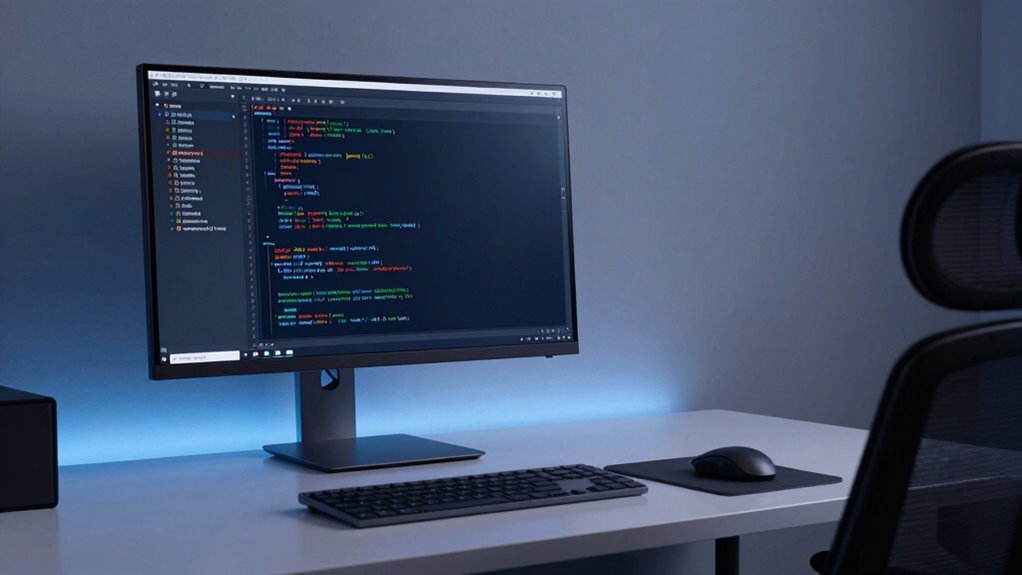
Choosing a monitor for coding that minimizes blue light exposure can significantly reduce eye strain during long sessions. The Philips 22 Inch Full HD Monitor stands out as the best overall choice thanks to its reliable low blue light features and solid performance. For those seeking excellent color accuracy, the BenQ GW2790P offers eye-care technology with a comfortable viewing experience. Meanwhile, the BenQ GW2790C delivers high refresh rates and USB-C connectivity, making it ideal for multitasking and modern workflows. The main challenge in this category often lies in balancing low blue light features with screen quality and price. Keep reading for a detailed breakdown of each option to find your best fit.

Get the latest gadgets delivered free — and shop member deals
- Fast, free delivery on millions of items
- Access to Prime Big Deal Days deals on October 6–7
- Prime Video, Amazon Music and more included
Complete the kit



Key Takeaways
- Top monitors in this roundup combine low blue light modes with flicker-free technology for maximum eye comfort.
- Higher refresh rates, like 144Hz, benefit multitasking and reduce eye fatigue during extended coding sessions.
- Build quality and connectivity options vary widely, influencing suitability for different setups.
- Price points range from budget-friendly to premium, but the most effective low blue light features are found across multiple tiers.
- Choosing a monitor with adjustable height and tilt can significantly improve ergonomics during long coding hours.


| monitors for coding with low blue light | Refresh Rate | Resolution | Size | Panel Type |
|---|---|---|---|---|
| Philips 22 Inch Full HD 1080p | 100Hz | — | — | — |
| ASUS 24-Inch Full HD IPS Monit | 120Hz | 1920×1080 (Full HD) | 24 inches | IPS |
| BenQ GW2790P 27" 1080p IPS Eye | 120Hz | 1080p | 27 inches | IPS |
| BenQ GW2790C 27" IPS Monitor w | 144Hz | 1080P FHD | 27 inches | — |
| ASUS 27” Eye Care Monitor | 75Hz | 1920 x 1080 (Full HD) | 27 inches | IPS |
| MSI PRO MP225V 22-inch FHD Com | 100Hz | 1920 x 1080 (FHD) | — | — |
| BenQ GW2490TC 23.8" IPS Comput | 144Hz | 1080P FHD | 23.8 inches | — |
| ASUS 27" Full HD Monitor | — | 1920×1080 (Full HD) | 27 inches | — |
| Dell 34 Monitor S3425DW WQHD V | 120Hz | 3440 x 1440 | — | VA |
| BenQ GW2490C 23.8" IPS Monitor | 144Hz | 1920×1080 (FHD) | — | IPS |
| Dell 24 Monitor | 144Hz | 1920 x 1080 (FHD) | — | — |
| Philips 24 Inch Full HD VA Mon | 100Hz | 1920 x 1080 (Full HD) | — | VA |
More Details on Our Top Picks
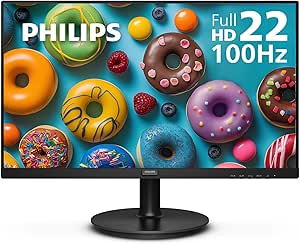
Philips 22 Inch Full HD 1080p Monitor with 100Hz VA Panel and Adaptive-Sync
This Philips monitor stands out for its vibrant Full HD display and wide viewing angles, making it suitable for users who prioritize visual clarity in a small footprint. Its 100Hz refresh rate and Adaptive-Sync technology provide smooth visuals, comparable to the ASUS 24-Inch monitor, but with a slightly lower refresh speed. The inclusion of flicker-free technology and LowBlue Mode emphasizes eye comfort, a key feature for extended coding sessions. The main tradeoffs are its limited 21.5-inch size, which may feel cramped for multitasking, and its modest 250-nit brightness, potentially insufficient in very bright settings. Compared to larger models, it excels in space-saving but sacrifices some screen real estate. This pick makes the most sense for those with limited desk space who need a reliable low blue light display for coding and general use.
Pros:- Vivid Full HD display with wide viewing angles
- Smooth visuals with 100Hz refresh rate and Adaptive-Sync
- Eye-friendly features like flicker-free and LowBlue Mode
- Good contrast ratio for deep blacks and whites
Cons:- Limited to 21.5 inches screen size
- No built-in speakers
- Brightness may be insufficient in very bright environments
Best for: Coders working in tight spaces or with small desk setups who need a compact, eye-friendly monitor.
Not ideal for: Users requiring extensive multitasking or larger screen real estate, as the 21.5-inch size may feel restrictive.
- Screen Size:21.5 inches
- Display Resolution:1920×1080 (Full HD)
- Refresh Rate:100Hz
- Display Technology:VA LCD
- Viewing Angle:178 degrees
- Flicker-Free Technology:Yes
Our verdict“This monitor is ideal for space-constrained environments where eye comfort and decent visual quality are priorities.”
ASUS 24-Inch Full HD IPS Monitor with 120Hz Refresh Rate and Eye Care Technology
Compared with the Philips 22-inch, this ASUS 24-inch monitor offers a larger screen for enhanced productivity and a more immersive experience. Its IPS panel delivers vivid colors and wider viewing angles, making it better suited for detailed coding work and multimedia. The 120Hz refresh rate and 1ms MPRT response time further ensure smooth scrolling and animations, advantageous over the Philips’s 100Hz, especially for fast-paced multitasking. Eye care features like Flicker-Free and Low Blue Light help reduce strain during long hours. The frameless design adds a sleek aesthetic, ideal for multi-monitor setups. However, its resolution remains capped at 1080P, and it lacks built-in speakers, which might be inconvenient for some. This monitor appeals primarily to users who want larger visuals without sacrificing eye comfort, particularly in multi-monitor environments.
Pros:- Vivid colors and wide viewing angles with IPS panel
- 120Hz refresh rate and 1ms response for smoothness
- Eye-friendly features including Flicker-Free and Low Blue Light
- Sleek frameless design for multi-monitor setups
Cons:- Limited to 1080P resolution, not 1440P or 4K
- No built-in speakers
- Requires VESA mount for wall installation
Best for: Professionals or gamers seeking a larger, color-accurate monitor with smooth visuals and eye care features.
Not ideal for: Those who need 4K resolution or integrated audio, since it lacks both and stays at 1080P.
- Size:24 inches
- Resolution:1920×1080 (Full HD)
- Panel Type:IPS
- Refresh Rate:120Hz
- Response Time:1ms MPRT
- Features:Flicker-Free, Low Blue Light
Our verdict“This monitor suits users wanting a larger, vibrant display with smooth performance and eye protection for everyday coding and multimedia tasks.”
BenQ GW2790P 27″ 1080p IPS Eye-Care Monitor
The BenQ GW2790P earns its spot by combining a 27-inch size with accurate color reproduction, covering 99% sRGB, making it ideal for detailed coding and creative work. Its eye-care certifications, including TÜV and Eyesafe, demonstrate a focus on reducing strain, comparable to the ASUS model but with a slightly larger display. The 120Hz refresh rate ensures smoothness for daily multitasking, yet it remains limited to 1080P, which might not satisfy users seeking higher resolution. The ultrathin bezel design offers an immersive experience, especially when used alongside other monitors. Unlike the ASUS, this model emphasizes color accuracy over ultra-sleek aesthetics, but it lacks USB-C or built-in speakers, which could be drawbacks for minimalist setups. It best suits those who prioritize color fidelity and eye comfort in a versatile home or office environment.
Pros:- High color accuracy with 99% sRGB coverage
- Eye-friendly features including Low Blue Light and Flicker-Free
- Ultrathin bezel for immersive viewing
- 120Hz refresh rate for smoother performance
Cons:- Limited to 1080P resolution
- No built-in speakers or USB-C
- Requires compatible graphics card for 120Hz performance
Best for: Users needing color precision and a larger display for coding, creative work, or detailed tasks.
Not ideal for: Gamers or users seeking 4K resolution, as the 1080P limit may feel restrictive.
- Size:27 inches
- Resolution:1080p
- Panel Type:IPS
- Refresh Rate:120Hz
- Color Space:99% sRGB
- Eye-Care Certification:TUV, Eyesafe
Our verdict“This monitor is well-suited for users seeking color fidelity and eye comfort in a larger format for coding or creative tasks.”
BenQ GW2790C 27″ IPS Monitor with 1080P FHD, 144Hz, USB-C, Eye-Care, Flicker-Free, Low Blue Light, Ultra Slim Bezel
Compared with the BenQ GW2790P, the GW2790C ups the ante with a 144Hz refresh rate and USB-C connectivity, making it better suited for gaming and single-cable setups. Its 1080P resolution remains consistent, which might be limiting for those craving higher detail, but the 144Hz provides notably smoother visuals for fast-paced coding or gaming. The inclusion of USB-C simplifies connections, especially for newer laptops, while eye-care features keep strain minimal during long sessions. Yet, its basic design and limited resolution may not appeal to those seeking a premium aesthetic or 4K clarity. This monitor’s strength lies in its balance of high refresh rate, connectivity, and eye comfort, making it a smart choice for productivity and gaming alike.
Pros:- High 144Hz refresh rate for smooth visuals
- USB-C port for simple, single-cable connection
- Eye-care features including Low Blue Light and Flicker-Free
- Energy-efficient and TÜV-Certified
Cons:- Limited to 1080P resolution
- Design may be too basic for premium aesthetics
- No built-in speakers
Best for: Gamers, streamers, or coders who want high refresh rates with USB-C for a seamless setup.
Not ideal for: Users needing 4K resolution or enhanced aesthetic design, as it remains at 1080P with a basic look.
- Size:27 inches
- Resolution:1080P FHD
- Refresh Rate:144Hz
- Connectivity:USB-C
- Eye-Care Technologies:Yes
- Design:Ultra Slim Bezel
Our verdict“This monitor is ideal for users who prioritize high refresh rates and convenience in a space-saving, eye-friendly package.”
ASUS 27” Eye Care Monitor, Full HD IPS, 75Hz, FreeSync, Frameless, Wall Mountable
Compared to the other 27-inch options, this ASUS monitor offers a more modest 75Hz refresh rate but emphasizes versatility and space efficiency. Its IPS panel provides wide viewing angles and decent color reproduction, suitable for long coding sessions with reduced eye strain thanks to Flicker-Free and Low Blue Light technologies. The frameless design and VESA mounting capability make it perfect for customized setups, especially in office or home environments where space is limited. However, its 75Hz refresh rate is lower than the 120Hz or 144Hz options, which could matter to those wanting the smoothest experience during fast scrolling or gaming. It’s a practical choice for users prioritizing adjustable, space-saving configurations over ultra-high refresh rates or 4K resolution.
Pros:- Wide 178° viewing angles with IPS panel
- VESA wall-mountable for flexible setups
- Flicker-Free and low blue light for eye comfort
- Compact, frameless design for space efficiency
Cons:- Limited to 75Hz refresh rate
- No built-in speakers or USB-C
- Resolution at 1080P may feel limited for some users
Best for: Users seeking a VESA-compatible, space-efficient monitor for coding and general use with good eye protection.
Not ideal for: Gamers or high-speed multitaskers who need higher refresh rates or higher resolutions.
- Size:27 inches
- Resolution:1920 x 1080 (Full HD)
- Refresh Rate:75Hz
- Panel Type:IPS
- Adaptive-Sync:Yes
- Wall Mountable:Yes
Our verdict“This monitor suits those needing a space-saving, adjustable display with basic eye care features for everyday coding and office tasks.”
MSI PRO MP225V 22-inch FHD Computer Monitor
The MSI PRO MP225V stands out for offering essential eye-care features like TÜV certification, Anti-Flicker, and Eye-Q Check, making it a practical pick for prolonged coding sessions. Its 22-inch Full HD display provides sufficient clarity, and the 100Hz refresh rate ensures smoother scrolling compared to standard 60Hz monitors. Compared with larger models like the ASUS 27″, this monitor is more compact and budget-friendly but sacrifices size and some ergonomic flexibility. The tilt adjustment and VESA mountability add to its ergonomic appeal. However, its limited connectivity options and absence of built-in speakers mean extra peripherals might be necessary. This pick makes the most sense for those seeking a basic, eye-friendly monitor that fits tight spaces and tight budgets.
Pros:- Affordable price point with essential eye-care features
- Compact size ideal for small desks or dual-monitor setups
- VESA mountable for flexible positioning
Cons:- Limited connectivity options, only HDMI and video port
- No built-in speakers, requiring external audio devices
Best for: Budget-conscious coders who prioritize eye comfort and space-saving design
Not ideal for: Users needing extensive connectivity or built-in audio, or larger screen real estate
- Screen Size:22 inches
- Resolution:1920 x 1080 (FHD)
- Refresh Rate:100Hz
- Response Time:1ms
- Connectivity:HDMI, Video Port
- Features:Low Blue Light, Eye-Q Check, VESA Mountable, Tilt
Our verdict“This monitor suits budget-focused users who need basic eye protection in a small, space-efficient package.”
BenQ GW2490TC 23.8″ IPS Computer Monitor, 1080P FHD, 144Hz, Adjustable Height & Tilt, USB-C, Eye-Care, Flicker-Free, Low Blue Light, Ultra Slim Bezel
The BenQ GW2490TC offers a compelling combination of high refresh rate and ergonomic adjustments, making it ideal for both coding and light gaming or multimedia use. Its 23.8-inch IPS panel ensures wide viewing angles and accurate colors, comparable to the ASUS 27″ but in a smaller form factor. The 144Hz refresh rate provides smoother scrolling and cursor movement compared to traditional 60Hz or 75Hz models, which benefits prolonged work sessions. Its USB-C port simplifies cable management, which is a plus over monitors like the MSI PRO that lack this feature. On the downside, it lacks built-in speakers, and its resolution remains at 1080p, which might be limiting for detailed design work. This monitor is suitable for those who want a versatile, eye-friendly display with fast refresh rates and ergonomic flexibility.
Pros:- High 144Hz refresh rate for smooth scrolling
- USB-C connectivity reduces cable clutter
- Adjustable height and tilt for ergonomic comfort
Cons:- No built-in speakers, requiring external audio
- Limited to 1080p resolution, not suitable for detailed visual work
Best for: Home office workers and gamers seeking smooth visuals with adjustable ergonomics
Not ideal for: Professional designers requiring high color accuracy or 4K resolution
- Size:23.8 inches
- Resolution:1080P FHD
- Refresh Rate:144Hz
- Connectivity:USB-C
- Features:Eye-Care, Flicker-Free, Low Blue Light, Adjustable Height & Tilt
- Bezel:Ultra Slim
Our verdict“This monitor excels for users who value smooth visuals and ergonomic flexibility in a compact package.”
ASUS 27″ Full HD Monitor – Eye Care, Low Blue Light, Flicker-Free, VESA Mountable, Anti-Glare
The ASUS 27″ monitor offers a larger display area with sharp 1080p visuals, making it suitable for multitasking and extensive coding sessions. Its wide viewing angles and anti-glare coating improve comfort over longer periods, similar to Dell’s curved model but with a more traditional flat screen. The eye care technology, including low blue light and flicker-free features, helps reduce strain, though it lacks some advanced ergonomic adjustments found on the BenQ models. Its simple HDMI connectivity limits versatility compared to monitors with USB-C, but its slim profile and ultra-thin bezels enhance aesthetics. This monitor is ideal for those wanting a larger screen in a stylish, space-efficient design, but it may fall short for users needing extensive port options or high-resolution displays.
Pros:- Stylish design with ultra-thin bezels
- Wide viewing angles and anti-glare coating
- Effective eye care technology reduces strain
Cons:- Limited to basic HDMI connectivity
- No mention of built-in speakers or advanced ports
Best for: Designers or developers who want a stylish, larger display with eye care features
Not ideal for: Gamers or users needing more than basic connectivity or high refresh rates
- Size:27 inches
- Resolution:1920×1080 (Full HD)
- Viewing Angle:178°
- Features:Eye Care Technology, Low Blue Light, Flicker-Free, Anti-Glare
- Connectivity:HDMI
- Design:Ultra Slim Bezel
Our verdict“This monitor suits users who want a larger, stylish display with essential eye comfort features for daily extended use.”
Dell 34 Monitor S3425DW WQHD VA, 120Hz, FreeSync Premium, Eye Comfort
The Dell S3425DW delivers a 34-inch curved display with WQHD resolution, enabling immersive multitasking with ample screen real estate. Its VA panel provides deep contrast and vibrant colors, comparable to the color coverage of the BenQ models but in a larger, curved format. The 120Hz refresh rate provides smoother navigation than typical 60Hz monitors, beneficial during long coding marathons. Its built-in eye comfort technology, including low blue light and flicker-free features, helps reduce eye fatigue. Connectivity includes a USB-C port capable of delivering up to 65W, simplifying cable management for a clean workspace. The size may be overwhelming for smaller desks, and stand adjustability details are limited, but overall, this monitor is excellent for those needing a large, immersive display with a focus on eye comfort and smooth visuals.
Pros:- Large, curved display enhances immersion
- Vivid colors with high contrast from VA panel
- 120Hz refresh rate smooths navigation and scrolling
- USB-C port with 65W power delivery
Cons:- Large footprint may not fit smaller desks
- Limited stand height adjustment details
Best for: Developers or multitaskers with spacious desks who value immersive screens and eye care
Not ideal for: Users with limited space or those requiring high-resolution 4K visuals
- Display Size:34 inches
- Resolution:3440 x 1440
- Panel Type:VA
- Refresh Rate:120Hz
- Connectivity:2 HDMI, 4 USB, USB-C
- Features:Eye Comfort, Flicker-Free, Low Blue Light
Our verdict“This monitor is ideal for users who need an expansive, immersive workspace with strong eye comfort and smooth visuals.”
BenQ GW2490C 23.8″ IPS Monitor with 1080P FHD, 144Hz, USB-C, Eye-Care Technologies, Flicker-Free, Low Blue Light, Ultra Slim Bezel
The BenQ GW2490C offers a high 144Hz refresh rate paired with eye-care technologies, making it suitable for both coding and casual gaming. Its 23.8-inch IPS panel ensures wide viewing angles and accurate colors, comparable to the smaller MSI monitor but with a focus on visual clarity. The inclusion of USB-C connectivity adds to workspace simplicity, similar to the BenQ GW2490TC. While its 1080p resolution may not satisfy those needing ultra-high detail, it balances performance and affordability. The flicker-free and low blue light features mitigate eye fatigue, though the monitor’s size and resolution may limit its appeal for detailed graphic work. This monitor fits users seeking smooth visuals and good ergonomics in a compact form factor.
Pros:- High 144Hz refresh rate for smooth visuals
- USB-C port for simplified setup
- IPS panel offers wide viewing angles
Cons:- Limited to 1080p resolution, not suitable for high-detail work
- No built-in speakers, external audio needed
Best for: Home office users and gamers wanting a fast, eye-friendly display in a compact size
Not ideal for: Graphic professionals requiring high resolution or color accuracy for detailed design work
- Display Size:23.8 inches
- Resolution:1920×1080 (FHD)
- Refresh Rate:144Hz
- Connectivity:USB-C
- Features:Flicker-Free, Low Blue Light, Eye Care
- Panel Type:IPS
Our verdict“This monitor is well-suited for users who want fast, smooth visuals with eye protection in a compact and affordable package.”
Dell 24 Monitor – SE2426H – 23.8-inch FHD (1920×1080) 144Hz 1ms IPS Display with AMD FreeSync
This Dell monitor is tailored for users who value smooth motion and fast response times, making it a solid choice for multitasking and casual gaming. Its 144Hz refresh rate and 1ms response time outperform typical office monitors like the Philips 24 Inch Full HD VA, which usually tops out at 100Hz. The IPS panel offers wide viewing angles and rich color accuracy, while TÜV Rheinland certification ensures eye comfort—crucial during long coding sessions. However, its resolution is limited to 1080p, which might feel restrictive compared to higher-resolution options like the BenQ GW2790C, especially for detailed design work. The absence of built-in speakers and the response time not optimized for competitive gaming are notable tradeoffs. This pick makes the most sense for developers who prioritize smooth visuals and eye comfort over ultra-high resolution or built-in audio.
Pros:- High 144Hz refresh rate with 1ms response for smooth motion
- IPS panel provides wide viewing angles and solid color accuracy
- Eye comfort features with TÜV Rheinland certification
Cons:- Limited to 1080p resolution, not suitable for detailed design work
- No mention of built-in speakers or audio features
- Response time may fall short for competitive gamers
Best for: Coders and multitaskers who want smooth, flicker-free visuals combined with eye comfort during long hours
Not ideal for: Designers or video editors needing higher resolution or color accuracy beyond standard sRGB
- Screen Size:23.8 inches
- Resolution:1920 x 1080 (FHD)
- Refresh Rate:144Hz
- Response Time:1ms MPRT
- Display Technology:IPS
- Viewing Angle:178°/178°
Our verdict“This monitor is best for coders who prioritize fluid visuals, eye comfort, and a budget-friendly, high-refresh-rate display.”
Philips 24 Inch Full HD VA Monitor 100Hz with VESA Flicker-Free
The Philips 24 Inch VA monitor offers vibrant visuals with a high contrast ratio of 3000:1, making it suitable for those who want vivid colors and deep blacks. Its 100Hz refresh rate improves smoothness over standard 60Hz models, and the flicker-free technology combined with BlueMode aims to reduce eye strain during extended coding or entertainment sessions. Compared to the Dell SE2426H, which emphasizes fast response times, this model focuses more on contrast and visual depth, making it ideal for multi-monitor arrangements where bezel-free design aids productivity. However, its brightness of 250 nits might be insufficient in brightly lit environments, and the 24-inch size could feel restrictive for users needing larger display real estate. The lack of built-in speakers means external audio is necessary. This monitor makes sense for users who prioritize visual vibrancy and reduced flicker over ultra-high refresh rates or 4K resolution.
Pros:- Vivid Full HD visuals with high contrast for deep blacks
- Wide 178-degree viewing angles support multi-monitor configurations
- Flicker-free technology and BlueMode reduce eye fatigue
Cons:- Brightness may be inadequate in very bright environments
- Limited to 24 inches, which may be too small for some users
- No built-in speakers for audio needs
Best for: Developers and office workers who want vivid visuals, flicker-free comfort, and a sleek multi-monitor setup
Not ideal for: Gamers or designers needing higher refresh rates or larger, more detailed screens
- Display Size:24 inches
- Resolution:1920 x 1080 (Full HD)
- Panel Type:VA
- Refresh Rate:100Hz
- Viewing Angle:178 degrees
- Contrast Ratio:3000:1
Our verdict“This monitor is ideal for users seeking vibrant images, eye comfort, and seamless multi-monitor setups for coding or office work.”

How We Picked
I evaluated these monitors based on their blue light reduction features, flicker-free technology, display quality, ergonomic adjustments, and connectivity options. Performance in real-world use for long coding sessions was prioritized, alongside build quality and value. Monitors with comprehensive eye-care technologies, such as low blue light modes combined with flicker-free screens, ranked higher. The selection also considers versatility for different workspace setups, ensuring options suit both beginners and advanced users. Our rankings reflect a balance between affordability, performance, and features aimed at reducing eye strain during extended use.| monitors for coding with low blue light | Panel Type | Features |
|---|---|---|
| Philips 22 Inch Full HD 1080p | — | — |
| ASUS 24-Inch Full HD IPS Monit | IPS | Flicker-Free, Low Blue Light |
| BenQ GW2790P 27" 1080p IPS Eye | IPS | — |
| BenQ GW2790C 27" IPS Monitor w | — | — |
| ASUS 27” Eye Care Monitor | IPS | — |
| MSI PRO MP225V 22-inch FHD Com | — | Low Blue Light, Eye-Q Check, VESA Mountable, Tilt |
| BenQ GW2490TC 23.8" IPS Comput | — | Eye-Care, Flicker-Free, Low Blue Light, Adjustable Height & Tilt |
| ASUS 27" Full HD Monitor | — | Eye Care Technology, Low Blue Light, Flicker-Free, Anti-Glare |
| Dell 34 Monitor S3425DW WQHD V | VA | Eye Comfort, Flicker-Free, Low Blue Light |
| BenQ GW2490C 23.8" IPS Monitor | IPS | Flicker-Free, Low Blue Light, Eye Care |
| Dell 24 Monitor | — | — |
| Philips 24 Inch Full HD VA Mon | VA | — |
Factors to Consider When Choosing Monitors For Coding With Low Blue Light
When selecting a monitor for coding with low blue light, it’s important to consider several key factors that impact comfort and productivity. Not all low blue light features are equally effective, so understanding how they work and what additional technologies can support your eyes is essential. Ergonomics, connectivity, and display quality also play vital roles in creating an optimal workspace. Being aware of potential tradeoffs between price and features can help you make a smarter investment tailored to your needs.Blue Light Reduction Technology
Look for monitors that include dedicated low blue light modes or software controls. Some screens automatically adjust blue light emissions based on ambient lighting or time of day, which can help reduce eye fatigue. However, not all blue light filters are equally effective; prioritize models with validated technology or flicker-free screens, as flickering can cause additional eye strain even with low blue light settings.
Display Quality and Resolution
While low blue light is crucial, the overall display quality influences your comfort and focus. IPS panels tend to offer better color accuracy and wider viewing angles, reducing strain caused by poor contrast or color shifting. Resolution matters too; Full HD (1080p) is sufficient for most coding tasks, but higher resolutions like QHD can reduce eye fatigue by providing sharper text and more workspace, especially on larger screens.
Ergonomics and Adjustability
Extended coding sessions benefit greatly from adjustable stands that allow you to set the monitor at eye level, tilt, and swivel. Monitors with VESA compatibility also enable mounting on adjustable arms, freeing up desk space and promoting better posture. Neglecting ergonomics can lead to neck and eye strain, so consider these features even if they add to the initial cost.
Connectivity and Size
Ensure the monitor offers sufficient and versatile connectivity options like USB-C, HDMI, or DisplayPort for compatibility with your devices. USB-C can streamline your workspace by reducing cable clutter and supporting power delivery. Size is another factor: larger screens, such as 27 inches or more, provide more space for multitasking but require more desk space and may be more expensive. Smaller monitors can be more affordable and space-efficient but might limit workspace.
Price and Value Tradeoffs
While premium models often include advanced eye-care features, many budget-friendly options still provide effective low blue light modes. Be cautious of monitors that claim eye-care benefits without clear technology or certifications, as they may offer limited real-world relief. Balance your budget against the importance of display quality, ergonomics, and connectivity to find the best value for your specific needs.
Frequently Asked Questions
Can I use software to reduce blue light instead of a specialized monitor?
Yes, many operating systems and third-party applications offer blue light filtering features that can be enabled on any monitor. These can be effective but often lack the consistency and hardware-level quality of built-in low blue light modes. Hardware solutions tend to be more reliable because they reduce blue light at the source and often include flicker-free technology, providing a more comfortable viewing experience during long coding sessions.
Are high refresh rates necessary for coding monitors?
High refresh rates, such as 120Hz or 144Hz, are mainly advantageous for gaming, but they can also reduce eye fatigue by providing smoother motion and less flickering, especially during fast scrolling or multitasking. For typical coding tasks, a standard 60Hz or 75Hz refresh rate might suffice, but if you spend many hours in front of the screen, higher refresh rates can still contribute to overall eye comfort.
Is IPS always better than VA or TN panels for eye comfort?
IPS panels generally offer better color accuracy and wider viewing angles, reducing eye strain caused by poor contrast or color shifting. VA panels provide higher contrast ratios, which can help with readability in darker environments, but may have slower response times. TN panels are usually less expensive but tend to have poorer viewing angles and color reproduction, making them less suitable for long coding sessions focused on visual comfort.
How important is ergonomic adjustability for a coding monitor?
Ergonomic adjustability is vital for maintaining good posture and reducing neck and eye strain during prolonged use. Features like height adjustment, tilt, swivel, and VESA compatibility enable you to position the monitor at eye level, which minimizes discomfort. Ignoring ergonomic features can lead to long-term musculoskeletal issues, making them a worthy investment even if it increases the initial cost.
Should I prioritize size or resolution in a low blue light monitor?
Both size and resolution are important, but your choice depends on your workspace and workload. Larger screens provide more space for multiple windows and reduce the need for excessive scrolling, which can help decrease eye fatigue. Higher resolutions, like QHD or 4K, offer sharper text and images, making long coding sessions more comfortable. Combining a larger size with a high resolution usually yields the best experience, but balance these with your desk space and budget.
Conclusion
For most users seeking a reliable, eye-friendly monitor, the Philips 22 Inch Full HD Monitor offers excellent low blue light performance at a budget-friendly price, making it ideal for beginners or those with limited space. The BenQ GW2790P strikes a balance between affordability and advanced eye-care tech, suited for daily coding without eye fatigue. If you want a premium experience with high refresh rates and extensive ergonomics, the BenQ GW2790C is worth the investment, especially for power users or multitaskers. Budget-conscious coders should focus on models with flicker-free screens and adjustable stands, while professionals working long hours might prioritize larger, higher-resolution displays with comprehensive low blue light features. Choose based on your workflow, budget, and ergonomic needs to find the best fit.
Fall Picks
fall essentials
As an affiliate, we earn on qualifying purchases.