
If you want the best internet gateways for your VR household in 2026, I recommend the T-Mobile 5G High-Speed Home Internet Wi-Fi Gateway and the TP-Link ER605 V2 VPN Router. The T-Mobile device offers fast, reliable 5G connectivity, while the TP-Link provides multiple WAN ports and strong security features. Both are designed to handle high bandwidth and low latency needs. Keep exploring, and you’ll discover how to choose the perfect setup for your immersive experiences.
Key Takeaways
- Prioritize gateways with high bandwidth capacity and low latency to support demanding VR applications seamlessly.
- Choose devices with strong signal coverage, multiple Ethernet ports, and Wi-Fi 6/6E compatibility for future-proofing.
- Consider security features like WPA3, firewalls, and VPN support to protect household data during immersive sessions.
- Opt for easy-to-setup, renewal-friendly gateways to ensure ongoing updates, compatibility, and cost-effective upgrades.
- Look for trusted brands offering advanced traffic management and firmware updates to maintain optimal VR household network performance.
| T-Mobile 5G High-Speed Home Internet Wi-Fi Gateway (Renewed) |  | Best 5G Home Internet | Connectivity Ports: Not specified (built-in Wi-Fi, no ports detailed) | Network Type: 5G home internet (wireless) | Security Features: Not specified | VIEW LATEST PRICE | See Our Full Breakdown |
| TP-Link ER605 V2 VPN Router with Multiple WAN Ports | 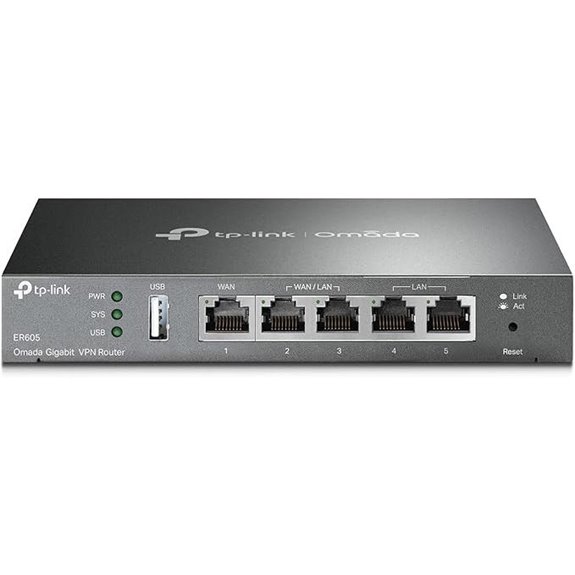 | Top VPN-Ready Router | Connectivity Ports: 5 Gigabit Ethernet ports (1 WAN, 2 WAN/LAN, 2 LAN) | Network Type: Wired Ethernet with VPN | Security Features: Firewall, DoS defense, VPN pass-through, filtering | VIEW LATEST PRICE | See Our Full Breakdown |

More Details on Our Top Picks
-

TP-Link ER605 V2 Wired Gigabit VPN Router, Up to 3 WAN Ethernet Ports + 1 USB WAN, SPI Firewall SMB Router, Omada SDN Integrated, Load Balance, Lightning Protection
【Five Gigabit Ports】1 Gigabit WAN Port plus 2 Gigabit WAN/LAN Ports plus 2 Gigabit LAN Port. Up to...
As an affiliate, we earn on qualifying purchases.
T-Mobile 5G High-Speed Home Internet Wi-Fi Gateway (Renewed)
If you’re looking for a reliable internet gateway that can handle multiple devices in a VR household, the T-Mobile 5G High-Speed Home Internet Wi-Fi Gateway (Renewed) is an excellent choice. It combines router and modem functions, converting T-Mobile’s 5G signals into Wi-Fi that covers your entire home. Setup is simple—just insert your SIM card and follow the easy instructions. The device offers high-speed internet suitable for demanding VR applications and multiple connected devices. Keep in mind, the device is renewed, offering a cost-effective way to access fast, stable internet, but you should verify your area’s signal availability with T-Mobile first.
- Connectivity Ports:Not specified (built-in Wi-Fi, no ports detailed)
- Network Type:5G home internet (wireless)
- Security Features:Not specified
- VPN Support:Not specified
- Compatibility:Requires T-Mobile 5G signal, SIM card not included
- Setup & Management:Easy self-installation, minimal technical knowledge
- Additional Feature:Self-installation process
- Additional Feature:Converts 5G signals to Wi-Fi
- Additional Feature:Cost-effective renewal option
TP-Link ER605 V2 VPN Router with Multiple WAN Ports
The TP-Link ER605 V2 VPN Router stands out for households that need reliable, high-bandwidth internet with multiple WAN ports. It features five Gigabit Ethernet ports, including one WAN, two WAN/LAN, and two LAN, with support for up to three WAN connections for load balancing. The USB port allows mobile broadband via 4G/3G modems, enhancing flexibility. Advanced security features like firewalls, DoS defense, and filtering protect your network. It supports up to 20 LAN-to-LAN VPNs, plus OpenVPN, L2TP, and PPTP, ensuring secure remote access. With Omada SDN integration and durable hardware, it’s a versatile choice for a robust, secure VR household internet gateway.
- Connectivity Ports:5 Gigabit Ethernet ports (1 WAN, 2 WAN/LAN, 2 LAN)
- Network Type:Wired Ethernet with VPN
- Security Features:Firewall, DoS defense, VPN pass-through, filtering
- VPN Support:Supports up to 20 LAN-to-LAN IPsec, OpenVPN, L2TP, PPTP
- Compatibility:Compatible with multiple WAN connections, mobile broadband via USB
- Setup & Management:Centralized management via Omada SDN, advanced configuration
- Additional Feature:Supports multiple WAN ports
- Additional Feature:Omada SDN integration
- Additional Feature:Lightning protection
Factors to Consider When Choosing an Internet Gateway for VR Households
When selecting an internet gateway for a VR household, I focus on signal strength, coverage, and bandwidth capacity to guarantee smooth experiences. Low latency and device compatibility are also vital for seamless interactions, while security measures protect your privacy. Considering these factors helps me choose a gateway that meets the demanding needs of VR setups.
Signal Strength and Coverage
Achieving a stable and immersive VR experience hinges on having strong signal strength and extensive coverage throughout your home. A robust signal ensures your VR devices stay connected without lag or interruptions, which is vital for seamless gameplay. Adequate coverage prevents dead zones where the connection drops, especially in larger or multi-story homes. Walls, furniture, and electronic interference can weaken Wi-Fi, so optimizing your setup is key. Using dual-band or mesh network systems can markedly boost coverage and reduce latency, supporting multiple VR headsets simultaneously. Regularly testing signal strength in different rooms helps identify weak spots and guides proper router placement. Prioritizing strong coverage and minimal interference guarantees a consistent, immersive VR experience that’s free from frustrating disruptions.
Bandwidth Capacity Needs
Choosing an internet gateway that meets your VR household’s bandwidth needs means evaluating both current usage and future growth. I recommend calculating how many devices will connect simultaneously and their bandwidth demands, especially VR applications that need at least 25 Mbps per user for smooth performance. Don’t forget household activities like streaming, gaming, or smart home devices, which all consume bandwidth and can add up quickly. Consider your future plans—adding more devices or upgrading VR setups will require higher capacity. Select a gateway with maximum data transfer rates that can handle peak usage without lag, buffering, or interruptions. Ensuring sufficient bandwidth now and for future expansion helps maintain a seamless VR experience and prevents bottlenecks.
Low Latency Performance
Low latency is crucial for VR households because it guarantees real-time responsiveness and prevents motion sickness during immersive experiences. To achieve this, I look for internet gateways with optimized routing that reduces lag, ensuring smoother interactions. Prioritizing Quality of Service (QoS) settings helps allocate bandwidth specifically to VR traffic, minimizing delays during intense use. Fiber-optic connections are ideal, as they generally offer lower latency compared to DSL or cable, providing immediate response times essential for VR. Additionally, a gateway with advanced traffic management features can maintain consistent low-latency performance even during peak network demand. For me, selecting a device that emphasizes low latency ensures a seamless, immersive VR experience free from lag and motion sickness, making it a key factor in my choice.
Device Compatibility Features
When selecting an internet gateway for a VR household, guaranteeing device compatibility is key to a smooth experience. I look for gateways supporting Wi-Fi 5 (802.11ac) or Wi-Fi 6 (802.11ax) to assure optimal streaming. Compatibility with my VR headset’s network requirements, like sufficient bandwidth and specific connection types, is vital to avoid lag. I also check if the device has multiple high-speed Ethernet ports for wired connections, which provide more stability during intense VR sessions. Additionally, I verify that the gateway supports advanced security protocols to protect sensitive VR data. Finally, I ensure it’s compatible with my internet service provider and local network infrastructure, so everything integrates seamlessly without hiccups. Device compatibility directly impacts the quality and reliability of my VR experience.
Security and Privacy Measures
Security and privacy are critical considerations when selecting an internet gateway for a VR household, especially given the sensitive data transmitted during immersive experiences. I recommend choosing a device that supports strong encryption protocols like WPA3 to safeguard wireless communications. Built-in firewalls are essential; they can block unauthorized access and monitor network traffic for suspicious activity. VPN support is also vital, allowing secure remote connections for added privacy. Regular firmware updates are crucial to fix vulnerabilities promptly and keep your network safe. Additionally, consider gateways with advanced security features such as intrusion detection systems (IDS) and parental controls, which help protect your household’s privacy and ensure a safer VR environment. Prioritizing these measures ensures your network remains secure and your privacy intact.
Ease of Setup
Choosing an internet gateway for a VR household becomes much easier when you prioritize ease of setup, as it can save you time and reduce frustration. Look for devices with plug-and-play functionality that require minimal technical knowledge. Self-installation with clear instructions or guided setup wizards makes the process straightforward and quick. Wireless gateways that automatically configure settings help streamline the connection, especially if you’re not familiar with network details. Many devices support quick activation via smartphone apps or web interfaces, making setup even simpler. Compatibility with your existing devices and network is also essential to guarantee everything integrates seamlessly without extra hassle. Focusing on these aspects can make your initial setup smooth, so you can get to enjoying your VR experience faster.
Cost and Renewal Options
Considering cost and renewal options is essential to making a smart investment in an internet gateway for your VR household, as these factors directly influence your long-term expenses and device compatibility. The initial purchase price, installation fees, and ongoing service or subscription charges all add up, so it’s important to evaluate these costs upfront. Many providers offer flexible renewal plans that allow you to upgrade or replace devices periodically without extra charges, which can save money and keep your setup current. Renewed or refurbished devices can also be a cost-effective alternative, especially when bundled with service plans. By understanding renewal policies, you ensure your gateway stays compatible and secure as technology advances, preventing unnecessary upgrades or security risks down the line.
Frequently Asked Questions
How Does Latency Impact VR Experiences With Different Gateways?
Latency directly affects my VR experience by causing lag, which can make movements feel delayed or choppy. Different gateways handle latency differently; a high-quality gateway reduces delays, providing smoother gameplay. When latency is low, I enjoy more immersive visuals and responsive controls, making my VR sessions more enjoyable. Conversely, higher latency leads to motion sickness or discomfort, so choosing the right gateway is essential for an ideal VR experience.
Can These Gateways Prioritize VR Traffic Over Other Devices?
Think of these gateways as gatekeepers at a busy party. Yes, many can prioritize VR traffic, giving your immersive experience the VIP treatment it merits. They use Quality of Service (QoS) settings to guarantee your VR headset gets the bandwidth it needs, even when other devices are streaming or downloading. So, you can enjoy smooth, lag-free VR sessions without interruptions, just like a well-managed party.
Are There Specific Security Features Ideal for VR Households?
Yes, I believe VR households benefit from gateways with robust security features. I look for routers that offer strong encryption like WPA3, advanced firewalls, and regular firmware updates to protect against threats. Additionally, features like device isolation and parental controls help manage VR device access, ensuring a safer experience. Prioritizing these security measures helps keep my VR environment secure and private, giving me peace of mind while enjoying immersive content.
How Future-Proof Are These Gateways for Upcoming VR Advancements?
I believe these gateways are quite future-proof for upcoming VR advancements. They’re built with the latest technology, supporting higher bandwidths and lower latency, which are essential for immersive VR experiences. As VR continues to evolve, these gateways can handle increased data demands and new protocols. I stay optimistic because manufacturers update firmware regularly, ensuring compatibility with future VR innovations and keeping my setup ready for what’s next.
Do Gateways Support Seamless Multi-Device VR Setups Simultaneously?
Yes, many gateways now support seamless multi-device VR setups simultaneously. I’ve found that dual-band Wi-Fi and Wi-Fi 6E gateways excel at managing multiple high-bandwidth devices without lag or interference. They prioritize traffic efficiently, ensuring each headset gets the necessary bandwidth. This setup lets me enjoy smooth, synchronized VR experiences with friends or family members, making our virtual sessions more immersive and hassle-free.
Conclusion
Choosing the right internet gateway for your VR household means prioritizing speed, coverage, security, and ease of setup. Whether you opt for the T-Mobile 5G Wi-Fi Gateway or the TP-Link ER605 V2, making an informed decision guarantees seamless gaming, smooth streaming, and reliable connections. By considering your needs and these top options, you’ll create a virtual space that’s fast, secure, and ready for the future—because your VR experience deserves nothing less.