If you’re looking for the best budget GPUs for VR in 2026, I recommend models like the XFX Radeon RX 580 GTS XXX Edition, GTX 1060 6GB with dual fans, and AISURIX RX 580 8GB for solid performance and VR certification. These cards support high frame rates, modern connectivity, and 8GB VRAM, ensuring smooth, immersive experiences. Keep in mind system factors like power and cooling, but stay tuned—I’ll share more details to help you choose the perfect fit.
Key Takeaways
- Look for GPUs supporting DirectX 12 or Vulkan APIs for optimal VR performance in 2026.
- Prioritize models with at least 8GB VRAM, HDMI 2.0 or DisplayPort 1.4 outputs, and VR-ready certification.
- Consider budget-friendly options like XFX Radeon RX 580 GTS XXX Edition or GTX 1060 6GB with dual fans.
- Ensure the GPU has efficient cooling, low noise, and compatible power connectors for stable VR sessions.
- Balance GPU cost with system reliability, including a 450-500W power supply and proper connectivity for future-proofing.
| XFX Radeon RX 580 GTS XXX Edition Graphics Card | 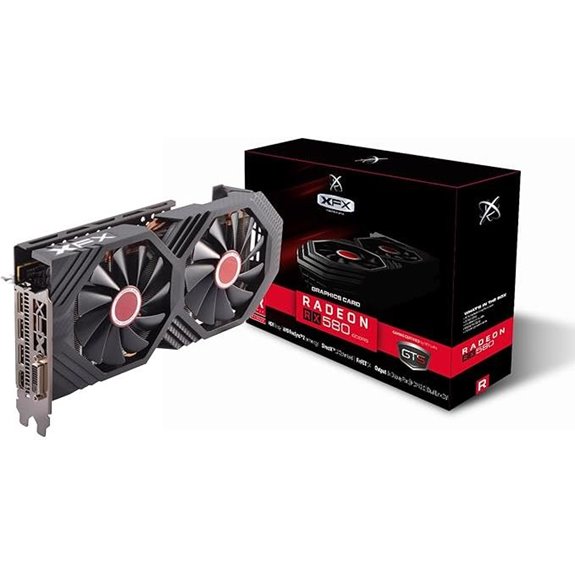 | High-Performance VR Ready | Memory Size: 8GB GDDR5 | VR Support: Yes | Display Outputs: 3xDP, HDMI, DVI | VIEW LATEST PRICE | See Our Full Breakdown |
| GTX 1060 6GB Graphics Card with Dual Fans | 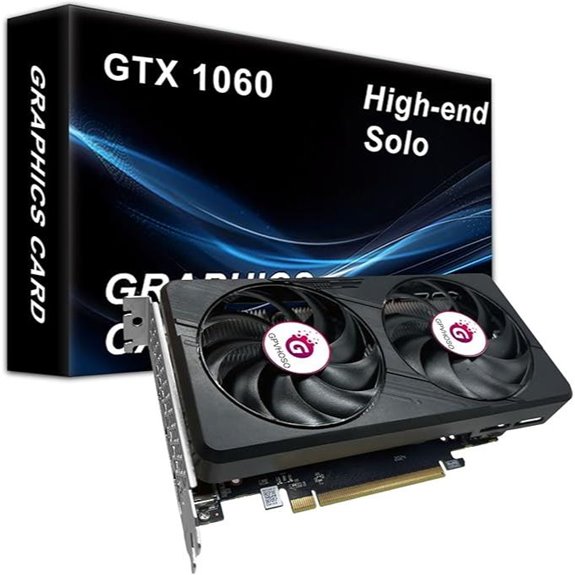 | Reliable Mid-Range | Memory Size: 6GB GDDR5 | VR Support: Yes | Display Outputs: HDMI, 2xDisplayPort | VIEW LATEST PRICE | See Our Full Breakdown |
| XFX Radeon RX 580 GTS XXX Edition Graphics Card | | Expanded Memory | Memory Size: 8GB GDDR5 | VR Support: Yes | Display Outputs: 3xDP, HDMI, DVI | VIEW LATEST PRICE | See Our Full Breakdown |
| AISURIX RX 580 8GB Gaming Graphics Card | 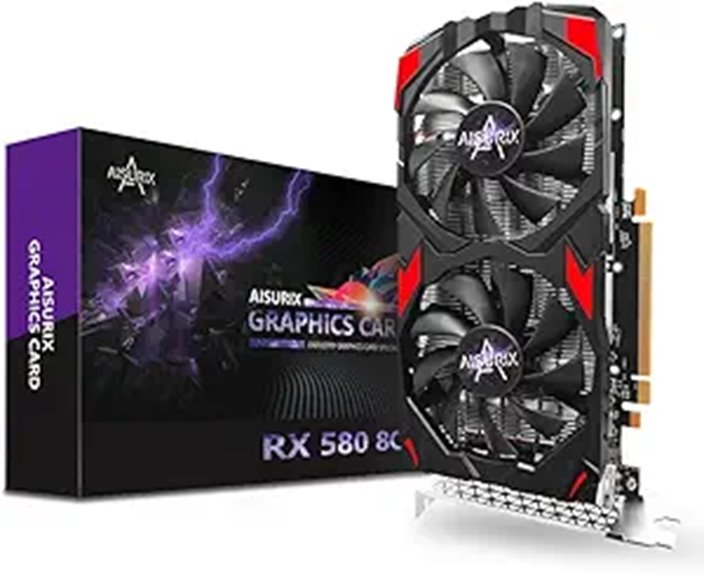 | Quiet & Efficient | Memory Size: 8GB GDDR5 | VR Support: Yes | Display Outputs: 2xDP, HDMI | VIEW LATEST PRICE | See Our Full Breakdown |
| Maxsun AMD Radeon RX 580 8GB Graphics Card | 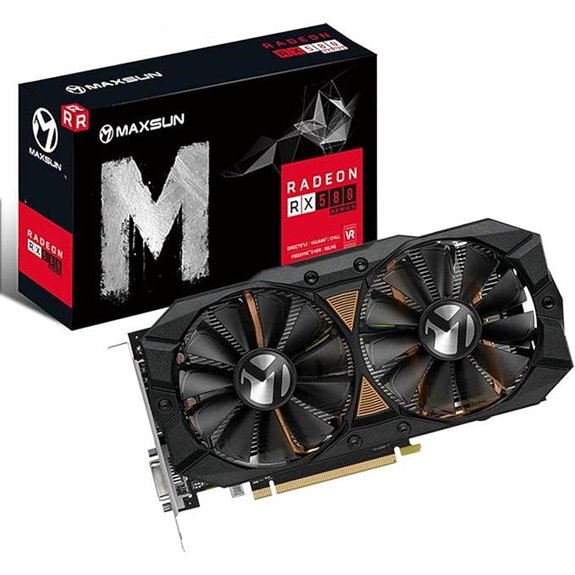 | Budget Powerhouse | Memory Size: 8GB GDDR5 | VR Support: Yes | Display Outputs: HDMI, DisplayPort, DVI | VIEW LATEST PRICE | See Our Full Breakdown |
| XFX Radeon RX 570 RS 8GB Graphics Card | 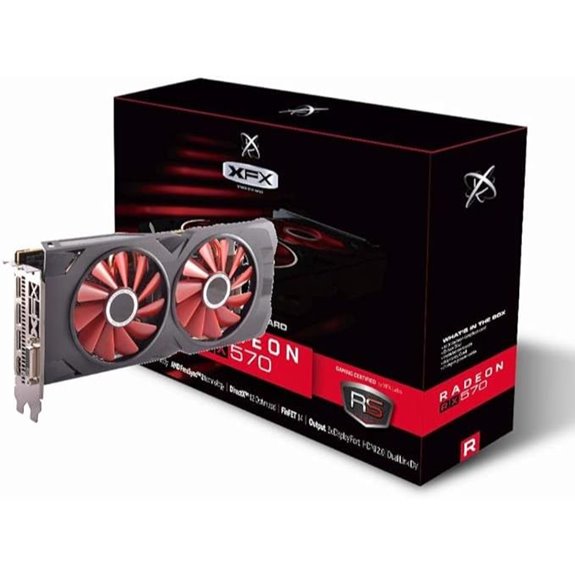 | Value for Gaming | Memory Size: 8GB GDDR5 | VR Support: Yes | Display Outputs: 3xDP, HDMI, DVI | VIEW LATEST PRICE | See Our Full Breakdown |
More Details on Our Top Picks
-
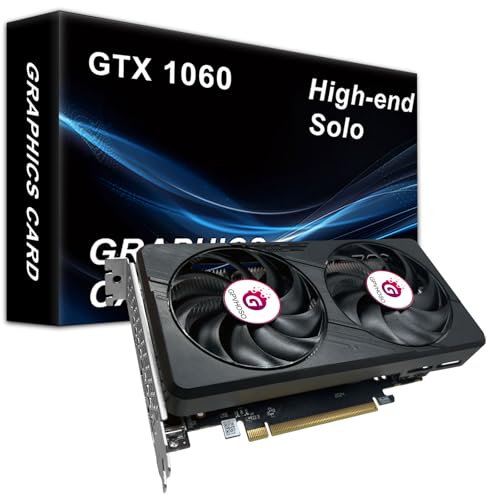
GPVHOSO GTX 1060 6GB Computer Graphics Card.GDDR5 8K 192bit HDR VR Ready, 1060 Video Cards forGaming PC, Tarjeta Gráfica Support Direct X12 PCle3.016, Dual Cooling Fans, HDMI + 2*DP Black
Powerful Performance: The GTX 1060 6gb offers exceptional performance for gaming and other graphics-intensive tasks. With its high...
As an affiliate, we earn on qualifying purchases.
XFX Radeon RX 580 GTS XXX Edition Graphics Card
If you’re building a budget-friendly PC for VR gaming in 2026, the XFX Radeon RX 580 GTS XXX Edition is an excellent choice because it offers solid performance without breaking the bank. It features AMD Polaris architecture, 8GB GDDR5 memory, and a 1386MHz boost clock, making it capable of handling high resolutions up to 4K. Designed for VR, it includes multiple outputs like DisplayPort, HDMI, and DVI. Its cooling system reduces heat by 40%, and Radeon Chill technology manages power and thermal efficiency. With factory overclocking and dual BIOS options, it delivers reliable gaming and mining performance, backed by positive reviews and support.
- Memory Size:8GB GDDR5
- VR Support:Yes
- Display Outputs:3xDP, HDMI, DVI
- Cooling System:Dual Dissipation
- Power Requirements:500W PSU min
- Overclocking / Performance Enhancement:Factory OC, Radeon Chill
- Additional Feature:Multiple factory overclocked settings
- Additional Feature:Ultra-low noise XL inductors
- Additional Feature:Supports AMD LiquidVR technology
-

XFX Radeon RX 580 GTS XXX Edition 1386MHz OC+, 8GB GDDR5, VR Ready, Dual BIOS, 3xDP HDMI DVI, AMD Graphics Card (RX-580P8DFD6) (Renewed)
✅ The XFX RX 580 series graphics card feature the latest Polaris architecture which includes the 4th Gen...
As an affiliate, we earn on qualifying purchases.
GTX 1060 6GB Graphics Card with Dual Fans
The GTX 1060 6GB Graphics Card with Dual Fans stands out as an excellent choice for budget-conscious gamers seeking solid VR performance. It delivers high clock speeds, CUDA cores, and 6GB of GDDR5 memory, supporting DirectX 12, PCIe 3.0, and VR technologies. With multiple outputs like HDMI and DisplayPort, it easily connects to multiple monitors and VR devices. Its dual-fan cooling system keeps temperatures low during intense gaming sessions, ensuring stability and longevity. Designed for systems with at least a 400W power supply, it requires a 6-pin power cable for proper operation. Overall, it’s a reliable, VR-ready GPU at an affordable price point.
- Memory Size:6GB GDDR5
- VR Support:Yes
- Display Outputs:HDMI, 2xDisplayPort
- Cooling System:Dual Fans
- Power Requirements:400W PSU min
- Overclocking / Performance Enhancement:High clock speeds, VR-Ready
- Additional Feature:Dual cooling fans
- Additional Feature:Supports VRWorks technology
- Additional Feature:Compatible with PCIe 3.0
-

Kelinx AISURIX RX 580 Graphics Card, 2048SP, Real 8GB, GDDR5, 256 Bit, Pc Gaming Video Card, 2XDP, HDMI, PCI Express 3.0 with Freeze Fan Stop for Desktop Computer Gaming Gpu
【Arctic Islands architecture and Superior Gaminig Experience】RX 580 8G is a mainstream gaming GPU built on the 14...
As an affiliate, we earn on qualifying purchases.
XFX Radeon RX 580 GTS XXX Edition Graphics Card
For budget-conscious gamers seeking a reliable VR experience in 2026, the XFX Radeon RX 580 GTS XXX 8GB stands out thanks to its VR Ready certification and solid performance. Built on Polaris architecture with 4th Gen GCN cores, it offers efficient performance using Next FinFET 14 technology. Its dual BIOS and XFX Double Dissipation Cooling ensure stability and cool operation during intense gaming sessions. Factory overclocked to 1386MHz, it delivers smooth visuals, while its AMD LiquidVR support guarantees low latency, stutter-free VR experiences. Overall, this card provides impressive VR capability without breaking the bank.
- Memory Size:8GB GDDR5
- VR Support:Yes
- Display Outputs:3xDP, HDMI, DVI
- Cooling System:Double Dissipation
- Power Requirements:Not specified (assumed similar)
- Overclocking / Performance Enhancement:Factory OC+ 1386MHz
- Additional Feature:Built on Next FinFET 14 process
- Additional Feature:Supports AMD VR Ready Premium
- Additional Feature:Dual BIOS setup
AISURIX RX 580 8GB Gaming Graphics Card
The AISURIX RX 580 8GB Gaming Graphics Card stands out as an excellent choice for budget-conscious gamers seeking solid VR performance. Built on Polaris 20 XTX architecture with 14 nm tech, it offers 2048 Stream Processors and 8GB GDDR5 memory running at 1750 MHz. It supports DirectX 12, ensuring compatibility with modern titles, and connects via PCI-Express 3.0 x16. Its dual-display support with HDMI and DisplayPort, combined with 4K capability, enhances visual quality. The semi-automatic fan system reduces noise, while its power-efficient design draws up to 185W with a single 8-pin connector. Overall, it balances performance, durability, and affordability for VR gaming.
- Memory Size:8GB GDDR5
- VR Support:Yes
- Display Outputs:2xDP, HDMI
- Cooling System:Semi-automatic fan system
- Power Requirements:185W max, 8-pin connector
- Overclocking / Performance Enhancement:Designed for high frame rates, optimized performance
- Additional Feature:Semi-automatic intelligent fan system
- Additional Feature:Supports 4K displays
- Additional Feature:Low noise during light use
Maxsun AMD Radeon RX 580 8GB Graphics Card
If you’re building a budget-friendly PC for VR gaming in 2026, the Maxsun AMD Radeon RX 580 8GB is a solid choice because it delivers reliable performance without breaking the bank. Built on a 14 nm process with the Polaris 20 XL GPU, it supports modern APIs like DirectX 12, Vulkan, and Shader Model 5.0. With 8GB GDDR5 memory and a 256-bit interface, it handles high-quality graphics smoothly. It also offers multiple video outputs—HDMI, DisplayPort, and DVI—for multi-monitor setups. Plus, it supports 4K video decoding and encoding, making it versatile for gaming and streaming. Overall, it’s a dependable, budget-friendly option for VR enthusiasts.
- Memory Size:8GB GDDR5
- VR Support:Yes
- Display Outputs:HDMI, DisplayPort, DVI
- Cooling System:Not specified
- Power Requirements:Not specified
- Overclocking / Performance Enhancement:Standard high-performance specs
- Additional Feature:Equipped with metallic backplate
- Additional Feature:Supports Vulkan API
- Additional Feature:High-performance 14 nm process
XFX Radeon RX 570 RS 8GB Graphics Card
The XFX Radeon RX 570 RS 8GB Graphics Card stands out as a cost-effective choice for gamers and VR enthusiasts on a tight budget, thanks to its solid 8GB GDDR5 memory and capable AMD RX 570 chipset. With 2048 stream processors and support for DirectX 12, it handles VR and gaming smoothly. Its cooling system guarantees efficient heat management, and it requires a 500W power supply. The card offers multiple outputs—DisplayPort, HDMI, DVI—making it versatile for various setups. Weighing just 2 pounds, it’s a lightweight, reliable option for budget-conscious users seeking decent VR performance without breaking the bank.
- Memory Size:8GB GDDR5
- VR Support:Yes
- Display Outputs:3xDP, HDMI, DVI
- Cooling System:Double Dissipation
- Power Requirements:500W PSU min
- Overclocking / Performance Enhancement:Factory OC, VR support
- Additional Feature:Supports cryptocurrency mining
- Additional Feature:Dimensions: 9.57 x 1.57 x 4.88 inches
- Additional Feature:2048 stream processors
Factors to Consider When Choosing a GPU for VR on a Budget PC Build
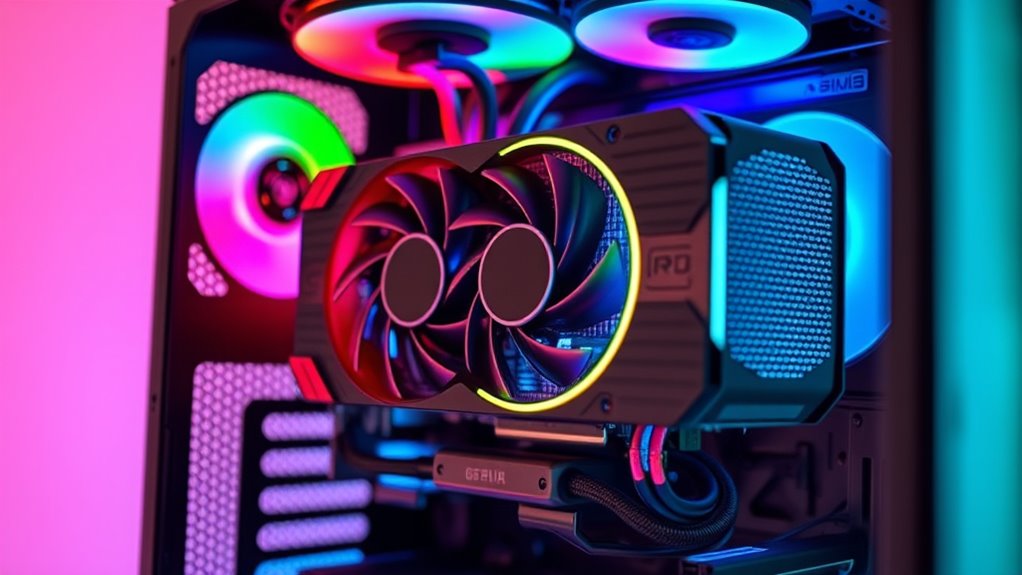
When choosing a GPU for VR on a budget, I focus on compatibility standards and performance to guarantee smooth experiences. I also consider memory capacity and power needs to avoid bottlenecks and stability issues. Finally, cooling and noise levels matter to keep my setup quiet and cool during long gaming sessions.
VR Compatibility Standards
Choosing a GPU for VR on a budget PC build requires making certain to pay close attention to compatibility standards that guarantee a smooth and immersive experience. First, the GPU should support at least DirectX 12 or Vulkan APIs, which are essential for top-tier VR performance. It’s also important to check the video outputs; HDMI 2.0 or DisplayPort 1.4 are necessary to connect VR headsets properly. A VR-ready GPU should have a minimum of 8GB GDDR5 VRAM to handle high-resolution textures and rendering demands. Additionally, the GPU must support low latency and stutter-free rendering to prevent motion sickness and ensure seamless gameplay. Meeting these standards guarantees that your VR experience will be comfortable, immersive, and as smooth as possible within a budget.
Performance and Frame Rates
To guarantee your VR experience is smooth and immersive, a GPU must consistently deliver high frame rates, ideally at least 90 frames per second per eye, totaling a minimum of 180 FPS. Higher frame rates reduce motion sickness and latency, making interactions feel more natural and comfortable. A GPU with a core clock above 1300MHz and at least 8GB of VRAM can better handle demanding VR applications without stuttering. It’s essential that the GPU maintains stable frame times during intense scenes to prevent jitters or lag. Achieving this level of performance ensures a seamless, immersive experience that keeps you engaged without distractions. When selecting a GPU on a budget, prioritize models known for their ability to sustain high, consistent frame rates under VR workloads.
GPU Memory Capacity
Ensuring your GPU has enough memory is essential for a smooth VR experience, especially on a budget. VR gaming demands at least 8GB of VRAM to handle high-resolution textures and complex environments without stuttering. More VRAM also benefits multi-monitor setups and helps future-proof your build as VR titles increase in complexity. High-quality graphics in VR headsets require ample memory to maintain consistent frame rates, reduce latency, and prevent motion sickness. When selecting a GPU, prioritize models with 8GB or more of GDDR5 or GDDR6 memory to guarantee compatibility with demanding VR applications. Adequate VRAM is indispensable for delivering immersive, high-quality experiences and maintaining stability across various VR titles, making it a critical factor in your budget build’s success.
Power Supply Needs
A sufficient power supply is vital for a VR-capable GPU, especially on a budget build where stability matters most. VR gaming demands consistent power delivery, so I look for a PSU rated between 450W and 500W as a baseline. Higher-performance GPUs often need 600W or more, so I check the manufacturer’s recommended wattage and confirm the PSU can handle it comfortably. It’s also important to verify the number of 6-pin or 8-pin PCIe connectors required for my chosen GPU. I prefer power supplies with an 80 PLUS certification, as they improve efficiency, produce less heat, and enhance overall stability. Adequate headroom prevents crashes during demanding VR sessions, making sure my system runs smoothly and reliably.
Cooling and Noise Levels
When selecting a GPU for a VR-focused budget build, paying attention to cooling and noise levels can make a big difference in your overall experience. Effective cooling solutions, like dual fans or advanced heatsinks, help keep temperatures in check during intensive VR sessions, preventing performance dips. Quieter GPUs use technologies such as ultra-low noise inductors, optimized fan designs, and fan stop features that reduce noise during lighter workloads. Some models feature semi-automatic intelligent fan systems that adjust speed based on GPU temperature, balancing cooling and noise. Overly loud GPUs can cause fatigue and distract from immersion, so noise management is essential. Additionally, proper airflow within your case and well-designed cooling architecture further minimize noise and maintain *ideal* GPU temperatures, ensuring a smoother VR experience.
Price and Budget Limits
Setting a clear budget is essential when choosing a GPU for a VR-focused budget build because it helps you identify options that deliver the best performance without overspending. VR-capable GPUs usually start around mid-range prices, which can limit options for tighter budgets. To get the best value, prioritize cost-effective GPUs that are VR-Ready, ensuring compatibility without breaking the bank. Keep in mind that prices fluctuate and discounts can make higher-tier cards more accessible, so staying alert to deals is helpful. Balancing GPU costs with other components is vital; overspending on the GPU might mean sacrificing other parts, impacting overall performance. By setting and sticking to a budget, you’ll be able to find a GPU that offers solid VR experience within your financial limits.
Connectivity Options
Choosing the right GPU for VR on a budget means paying close attention to its connectivity options, since these determine how easily you can connect your VR headset and additional displays. Look for GPUs with multiple outputs like HDMI, DisplayPort, and DVI, ensuring compatibility with various VR headsets and monitors. Ideally, your GPU should support the latest VR standards and have at least one HDMI 2.0 or higher port for smooth, high-quality connections. Also, check how many video outputs are available; you may need to connect both your VR headset and extra monitors. Keep in mind that some cheaper GPUs might require adapters if they lack certain ports, so verify their availability before making a purchase. Proper connectivity guarantees a hassle-free VR experience.
Future Upgrade Potential
To guarantee your budget GPU remains useful as VR technology advances, it’s essential to weigh its future upgrade potential. I look for GPUs compatible with upcoming VR hardware and software updates, ensuring longevity. A more capable GPU with higher VR performance headroom can handle future VR titles and features without immediate replacement. Prioritizing models with at least 8GB of VRAM supports higher-resolution content and graphical improvements down the line. Additionally, support for the latest APIs like DirectX 12 and Vulkan is crucial, as these evolve to enhance performance and compatibility. Modern connectivity options and multiple display outputs also make future upgrades easier, allowing seamless support for new VR headsets and multi-monitor setups. Thinking ahead helps maximize your investment and keeps your VR experience smooth for years to come.
Frequently Asked Questions
How Does VR Performance Vary Between Different RX 580 Models?
I’ve found that VR performance varies between RX 580 models mainly due to differences in clock speeds and VRAM. Higher clock speeds generally deliver smoother gameplay, while more VRAM helps with detailed textures. Overclocked versions tend to perform better, but the core architecture remains the same. So, if you want better VR experience, look for RX 580 models with higher clocks and at least 8GB VRAM for ideal performance.
Can These GPUS Handle Future VR Game Releases Effectively?
Yes, these GPUs can handle future VR game releases, but with some limitations. They’re capable of running many titles smoothly at moderate settings, but as VR games evolve with higher demands, you might notice some performance drops or need to lower settings. I recommend keeping an eye on upcoming hardware requirements and considering future upgrades if you want the best VR experience as new games emerge.
What Is the Best Way to Optimize VR Settings on a Budget GPU?
To optimize VR settings on a budget GPU, I recommend lowering the resolution slightly and reducing in-game details like shadows and textures. Enabling asynchronous reprojection and turning off V-Sync helps smooth out gameplay. I also keep my drivers updated and close unnecessary background apps to free up resources. These tweaks boost performance without sacrificing too much visual quality, making VR experiences more comfortable and immersive on a budget GPU.
Are Older GPUS Still Viable for the Latest VR Experiences?
Older GPUs can still surprise you with their capabilities, but they might not deliver the latest VR experiences at peak quality. I’ve found that while they’re capable of running many titles, the newest VR games demand more power and advanced features. If you’re aiming for smooth, immersive adventures, I’d recommend considering a slightly newer card. Yet, if you’re on a tight budget, an older GPU still offers plenty of fun.
How Much Will VR Headset Compatibility Affect GPU Choice?
VR headset compatibility profoundly influences my GPU choice because not all cards support the latest VR features or resolutions. I look for GPUs that are explicitly compatible with my headset’s requirements, ensuring smooth performance and immersive experiences. If a GPU isn’t compatible or struggles with high refresh rates and resolutions, I’ll consider different options, even if it means spending a bit more to guarantee a seamless VR experience.
Conclusion
So, I’ve shared my top budget-friendly GPUs for VR in 2026. But here’s the thing—just one of these could unlock your ultimate VR experience. Are you ready to take the leap and explore worlds like never before? The perfect card is waiting, and your next adventure might be just a decision away. Stay tuned—your immersive journey could start sooner than you think. Are you prepared to make that choice?