If you’re looking for the best CPUs for seamless VR experiences in 2026, I recommend options like the AMD Ryzen 7 5700X with 8 cores and high clock speeds, along with Intel’s powerful Core i9-14900KF and 12th-gen i7 for exceptional multitasking. These processors handle demanding VR environments smoothly and are ready for overclocking. If you want to see how these fit into a complete system, keep exploring for the full details.
Key Takeaways
- Prioritize CPUs with 8 or more cores and high clock speeds (4.0 GHz+) for smooth VR performance.
- Opt for latest architectures like Zen 3 or Alder Lake for high IPC and efficiency.
- Ensure compatibility with PCIe 4.0 and DDR5/DDR4 memory for future-proofing and faster data transfer.
- Consider overclockable CPUs paired with robust cooling solutions to boost performance during intensive VR sessions.
- Balance CPU performance with GPU and system components to achieve optimal immersive VR experiences.
| AMD Ryzen 7 5700X 8-Core 16-Thread Unlocked Desktop Processor | 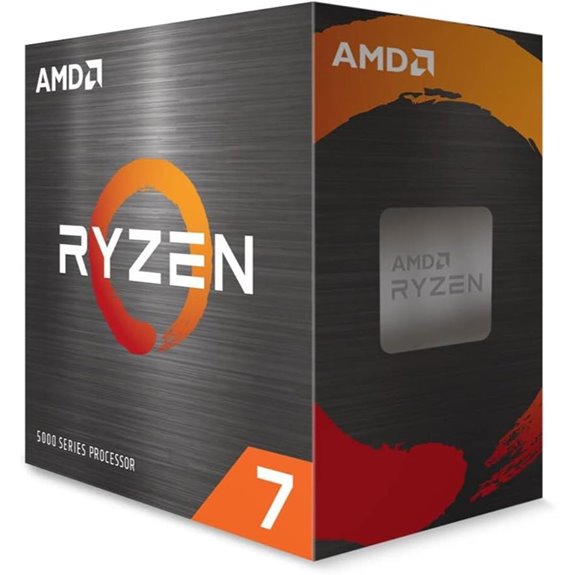 | High-Performance Powerhouse | Cores: 8 cores | Threads: 16 threads | Memory Support: DDR4 | VIEW LATEST PRICE | See Our Full Breakdown |
| CyberPower Gamer Xtreme VR PC with RTX 5070 | 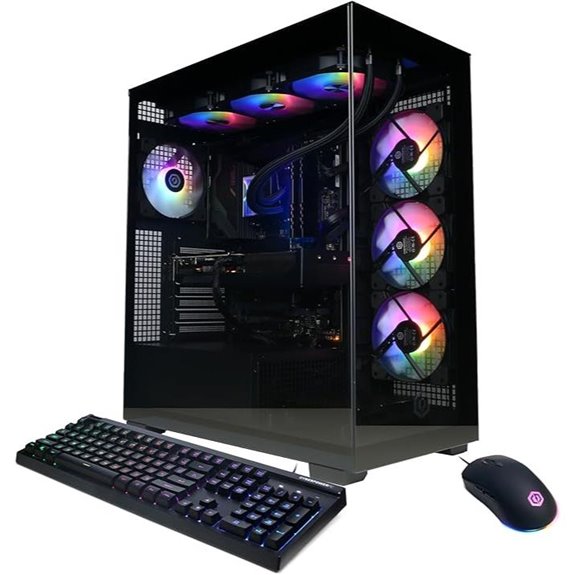 | Top-tier Gaming | Cores: 24 cores | Threads: 48 threads | Memory Support: DDR5 | VIEW LATEST PRICE | See Our Full Breakdown |
| Gaming Desktop PC with 32GB RAM and RTX 3050 | 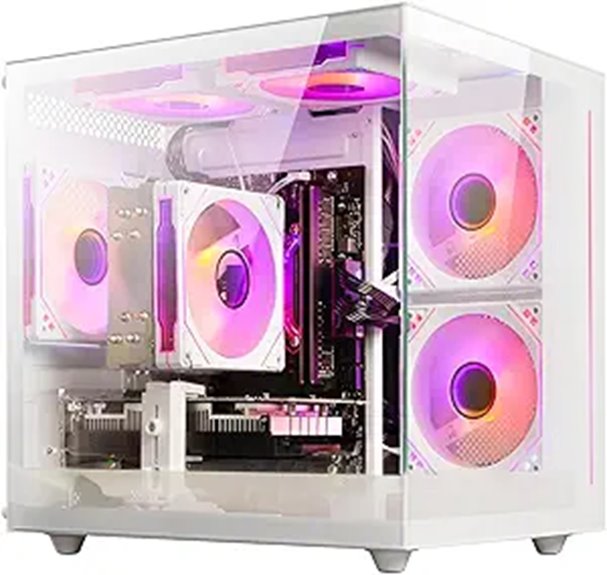 | Stylish & Versatile | Cores: 6 cores | Threads: 12 threads | Memory Support: DDR4 | VIEW LATEST PRICE | See Our Full Breakdown |
| Gaming Desktop PC with Intel i7 & AMD Radeon RX 580 | 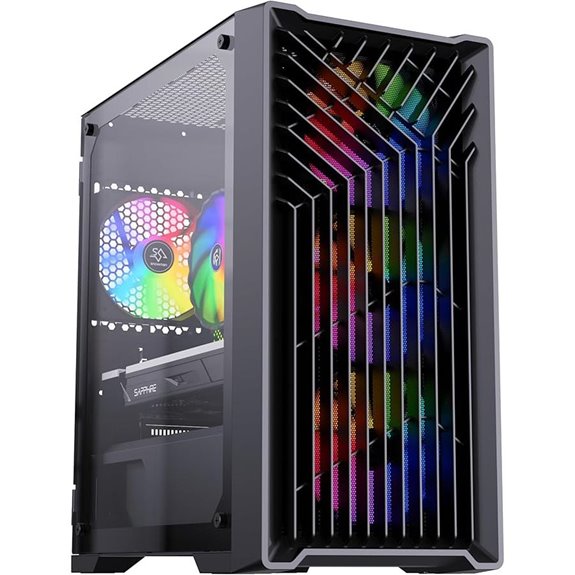 | Budget Gaming Excellence | Cores: 8 cores | Threads: 12 threads | Memory Support: DDR4 | VIEW LATEST PRICE | See Our Full Breakdown |
| CyberPowerPC Gamer Xtreme VR Gaming PC |  | Premium VR Ready | Cores: 20 cores | Threads: 20 threads | Memory Support: DDR5 | VIEW LATEST PRICE | See Our Full Breakdown |
| CyberPowerPC Gamer Xtreme VR Desktop (GXiVR8060A40) | 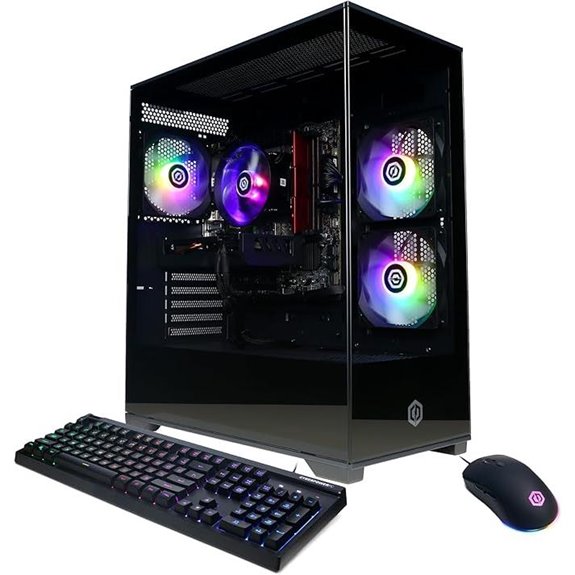 | Compact & Efficient | Cores: 10 cores | Threads: 16 threads | Memory Support: DDR5 | VIEW LATEST PRICE | See Our Full Breakdown |
| Horizon Autherium RGB I9 Gaming PC (RTX 5070) | 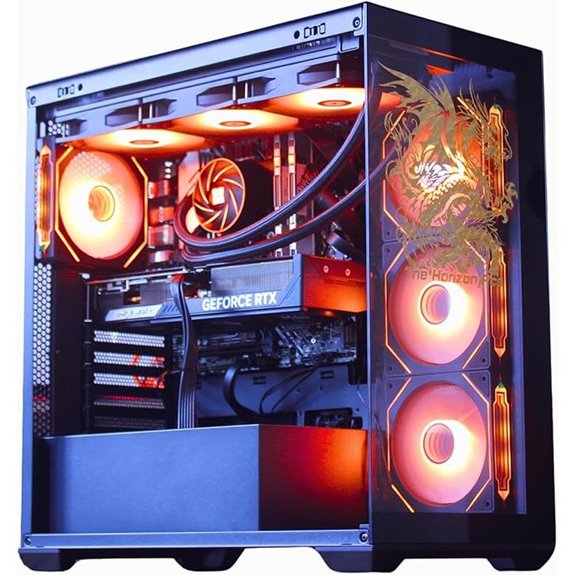 | Extreme Gaming Beast | Cores: 64 cores | Threads: 128 threads | Memory Support: DDR5 | VIEW LATEST PRICE | See Our Full Breakdown |
| CyberPowerPC Gamer Xtreme VR Gaming PC | 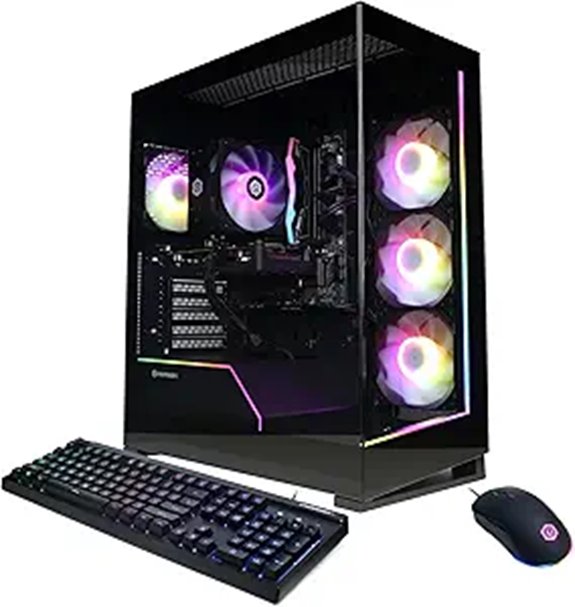 | Advanced VR Setup | Cores: 10 cores | Threads: 16 threads | Memory Support: DDR5 | VIEW LATEST PRICE | See Our Full Breakdown |
More Details on Our Top Picks
-
B0DW48QHFY
Amazon Product B0DW48QHFY
As an affiliate, we earn on qualifying purchases.
AMD Ryzen 7 5700X 8-Core 16-Thread Unlocked Desktop Processor
If you’re building a high-performance VR setup, the AMD Ryzen 7 5700X is an excellent choice thanks to its 8 cores and 16 threads, which provide the power needed for smooth, immersive experiences. Based on AMD’s Zen 3 architecture, it delivers ultra-fast performance, achieving over 100 FPS in popular games. Its max boost clock of 4.6 GHz ensures quick responses and smooth gameplay. The processor is open for overclocking and supports DDR4-3200 memory, making it versatile for high-end builds. Compatibility with the Socket AM4 platform and PCIe 4.0 on X570 and B550 motherboards guarantees future-proofing and expansion options.
- Cores:8 cores
- Threads:16 threads
- Memory Support:DDR4
- Storage Type:Not specified
- VR Readiness:Yes
- Cooling System:Not specified
- Additional Feature:Supports PCIe 4.0
- Additional Feature:Unlocked for overclocking
- Additional Feature:High max boost clock (4.6 GHz)
-

suevery Desktop Computer, Core i5, Gaming PC GeForce RTX 3050 6G, 32G DDR4 RAM, 1TB NVME SSD, Prebuilt Tower Computers Home Business White
Elegant Pure White Aesthetics & Cool Lighting Effects: The entire machine features a pure white theme design, paired...
As an affiliate, we earn on qualifying purchases.
CyberPower Gamer Xtreme VR PC with RTX 5070
Looking for a VR-ready setup that can handle the most demanding experiences? The CyberPower Gamer Xtreme VR PC with RTX 5070 is a powerhouse. It features an Intel Core i9-14900KF processor with 24 cores, paired with the high-performance Z790 motherboard. The 32GB DDR5 RAM and 2TB PCIe 4.0 SSD ensure fast multitasking and quick data access. Its NVIDIA GeForce RTX 5070 12GB GPU delivers stunning visuals, with multiple outputs for versatile display options. Liquid cooling, tempered side panel, and RGB lighting give it a sleek look. Plus, it comes with a 1-year warranty and lifetime tech support, making it a reliable choice for immersive VR gaming.
- Cores:24 cores
- Threads:48 threads
- Memory Support:DDR5
- Storage Type:NVMe SSD
- VR Readiness:Yes
- Cooling System:Liquid cooling
- Additional Feature:Liquid-cooled CPU
- Additional Feature:Advanced RGB lighting
- Additional Feature:Supports multiple displays
-

Blackout Computers Gaming Desktop PC Computer, Intel Core i7 3.6 GHz up to 4.0 GHz,AMD Radeon RX 580 8G GDDR5,16GB RAM,1TB NVME SSD, Windows 11 Pro, WiFi, Bluetooth 5.0, VR Ready,RGB Fans x4
Intel Core i7 4790 3.6GHz (4.0GHz Max Boost) CPU Processor | 1TB NVME SSD – Up to 30x...
As an affiliate, we earn on qualifying purchases.
Gaming Desktop PC with 32GB RAM and RTX 3050
For gamers seeking a balanced setup that handles both mainstream gaming and creative tasks effortlessly, this desktop with 32GB RAM and an RTX 3050 offers an excellent foundation. Its sleek, pure white design with customizable RGB fans creates a modern look, while advanced airflow guarantees efficient cooling. Powered by a 12th-generation Core i5 processor, it delivers smooth multitasking and reliable performance. The RTX 3050 6GB graphics card handles 1080p gaming at high settings and supports creative applications like video editing. With ample storage and high-speed DDR4 memory, this prebuilt PC is perfect for daily work, gaming, or light creative projects, all in a stylish package.
- Cores:6 cores
- Threads:12 threads
- Memory Support:DDR4
- Storage Type:NVMe SSD
- VR Readiness:Yes
- Cooling System:Not specified
- Additional Feature:Elegant white design
- Additional Feature:5 RGB lighting fans
- Additional Feature:Seamless modern aesthetics
Gaming Desktop PC with Intel i7 & AMD Radeon RX 580
This gaming desktop PC with an Intel Core i7 and AMD Radeon RX 580 is an excellent choice for gamers seeking a reliable and VR-ready setup on a budget. It features an i7 4790 CPU running at 3.6 GHz, boosting up to 4.0 GHz, paired with an 8GB Radeon RX 580 GPU. With 16GB DDR3 RAM and a fast 1TB NVMe SSD, it guarantees smooth gameplay and quick load times. It supports 1080p and 4K resolutions, offers multiple display outputs, and includes cooling features like four RGB fans. Its compact design and all-encompassing ports make it versatile for gaming and VR experiences without breaking the bank.
- Cores:8 cores
- Threads:12 threads
- Memory Support:DDR4
- Storage Type:NVMe SSD
- VR Readiness:Yes
- Cooling System:Not specified
- Additional Feature:Multiple graphic outputs
- Additional Feature:VR-ready hardware
- Additional Feature:High airflow airflow design
CyberPowerPC Gamer Xtreme VR Gaming PC
The CyberPowerPC Gamer Xtreme VR Gaming PC stands out as an excellent choice for gamers who demand high-performance hardware capable of handling demanding VR experiences in 2026. It’s powered by an Intel Core i7-14700F with 20 cores, paired with a NVIDIA GeForce RTX 5060 Ti 16GB graphics card, ensuring smooth visuals and responsive gameplay. The system includes 16GB DDR5 RAM, a fast 1TB PCIe 4.0 SSD, and supports high-resolution gaming up to 4K. Connectivity options like WiFi 6 and Bluetooth 5.3, along with multiple USB ports, make it versatile. Overall, it’s a reliable, well-rounded machine designed for immersive VR sessions and demanding gaming.
- Cores:20 cores
- Threads:20 threads
- Memory Support:DDR5
- Storage Type:PCIe 4.0 NVMe SSD
- VR Readiness:Yes
- Cooling System:Not specified
- Additional Feature:High core count CPU (20 cores)
- Additional Feature:16GB DDR5 RAM at 6000 MHz
- Additional Feature:Supports 4K gaming
CyberPowerPC Gamer Xtreme VR Desktop (GXiVR8060A40)
Gamers seeking an entry-level VR experience will appreciate the CyberPowerPC Gamer Xtreme VR Desktop’s balanced performance features. It’s powered by an Intel Core i5-13400F with 10 cores, providing solid multitasking and gaming capability. The 16GB DDR5 RAM and 1TB PCIe 4.0 NVMe SSD ensure fast load times and smooth performance. The NVIDIA GeForce RTX 5060 with 8GB VRAM handles VR rendering effortlessly. Connectivity options like WiFi 6, Bluetooth 5.3, and multiple USB ports keep peripherals connected. Plus, the stylish tempered case with RGB lighting and Windows 11 Home make it a complete, ready-to-go VR setup for gamers on a budget.
- Cores:10 cores
- Threads:16 threads
- Memory Support:DDR5
- Storage Type:NVMe SSD
- VR Readiness:Yes
- Cooling System:Not specified
- Additional Feature:Custom RGB lighting
- Additional Feature:Tempered side panel
- Additional Feature:Supports 1080p gaming
Horizon Autherium RGB I9 Gaming PC (RTX 5070)
If you’re serious about immersive VR gaming in 2026, the Horizon Autherium RGB I9 Gaming PC (RTX 5070) stands out with its high-end components designed for peak performance. It features a Core i9 unlocked OC CPU paired with a premium chipset, ensuring blazing-fast processing. With 64GB of RAM, multitasking and demanding applications run smoothly. The 1TB NVMe SSD delivers ultra-fast data access, complemented by a 4TB HDD for ample storage. Its NVIDIA GeForce RTX 5070 OC 12GB GPU supports real-time ray tracing and DLSS 4.0, making it perfect for VR. Advanced cooling, ARGB lighting, and multiple connectivity options complete this powerhouse.
- Cores:64 cores
- Threads:128 threads
- Memory Support:DDR5
- Storage Type:NVMe SSD + HDD
- VR Readiness:Yes
- Cooling System:Liquid cooling
- Additional Feature:64GB RAM capacity
- Additional Feature:Custom ARGB lighting
- Additional Feature:Premium cooling system
CyberPowerPC Gamer Xtreme VR Gaming PC
For those seeking a powerful VR gaming experience, the CyberPowerPC Gamer Xtreme VR Gaming PC stands out with its high-performance Intel Core Ultra 5 225F processor and ample 16GB DDR5 RAM. It features a rapid 2TB PCIe 4.0 NVMe SSD for quick load times and smooth gameplay. The NVIDIA GeForce RTX 5060 Ti 8GB graphics card ensures stunning visuals and seamless rendering for immersive VR. Connectivity options include WiFi 6, Bluetooth 5.3, multiple USB ports, and HDMI and DisplayPort outputs. It runs Windows 11 Home, has a sleek tempered side panel with RGB lighting, and comes with a keyboard and mouse, plus a 1-year warranty and lifetime tech support.
- Cores:10 cores
- Threads:16 threads
- Memory Support:DDR5
- Storage Type:PCIe 4.0 NVMe SSD
- VR Readiness:Yes
- Cooling System:Not specified
- Additional Feature:Tempered side panel
- Additional Feature:Built-in RGB lighting
- Additional Feature:2TB NVMe SSD
Factors to Consider When Choosing a CPU for VR
When choosing a CPU for VR, I focus on processing power to guarantee smooth performance and responsiveness. I also consider core count and clock speed, since both impact how well the system handles demanding VR tasks. Additionally, compatibility and cooling solutions matter to keep everything running efficiently and prevent overheating.
Processing Power Needs
Choosing the right CPU for VR hinges on understanding its processing power needs, as VR applications demand high core and thread counts to run smoothly. Most VR setups benefit from at least 6 cores to handle complex simulations and multitasking without lag. A boost clock of 4.0 GHz or higher ensures responsiveness and smooth gameplay. Overclockable CPUs give extra headroom for demanding tasks, boosting performance when needed. Supporting PCIe 4.0 is advantageous for faster data transfer between the CPU, GPU, and storage, reducing bottlenecks. Additionally, multi-threaded performance is vital; CPUs with higher instructions per cycle (IPC) and efficient architecture, like AMD Zen 3 or Intel Alder Lake, excel in delivering seamless VR experiences. Balancing core count, clock speed, and architecture is essential for excellent VR performance.
Core Count Importance
A higher core count can substantially enhance VR performance by allowing your system to handle multiple processes and background tasks simultaneously without slowdown. VR applications often require parallel processing to render complex environments smoothly, making multi-core CPUs advantageous. CPUs with 8 or more cores are generally recommended for an ideal experience, especially with demanding games or professional VR workloads. However, core count alone isn’t enough; it must be balanced with high clock speeds to ensure real-time responsiveness. Other factors like architecture, cache size, and compatibility also play pivotal roles in overall VR performance. Choosing a CPU with an appropriate core count helps prevent bottlenecks, enabling smoother visuals and more immersive experiences. Ultimately, a well-balanced processor enhances VR performance, making core count an essential consideration.
Clock Speed Significance
Beyond core count, clock speed plays a pivotal role in VR performance by determining how quickly a CPU can process data and render scenes. Higher clock speeds, measured in GHz, mean the CPU can complete more cycles per second, leading to faster processing and smoother visuals. For a seamless VR experience, I recommend a CPU with at least 3.5 GHz to handle real-time rendering efficiently. Faster clock speeds help reduce latency and increase frame rates, which are essential for immersion and comfort. However, it’s necessary to balance clock speed with core count and architecture for maximum performance. Overclocking can boost clock speeds further, but it requires good cooling solutions to prevent overheating. Overall, clock speed is a key factor in delivering the smooth, responsive VR experience gamers seek.
Compatibility Requirements
Ensuring compatibility between your CPU and other components is vital for a smooth VR experience. First, check that your CPU socket matches your motherboard’s socket type to avoid compatibility issues. Next, verify that the CPU supports features like PCIe 4.0 or higher, which are essential for high-speed data transfer with VR headsets. Processing power and core count matter too; your CPU should handle VR applications without bottlenecks. Additionally, ensure the architecture supports advanced instruction sets such as AVX-512, which boost VR performance. Don’t forget to consider thermal and power requirements, so your cooling system can keep things stable during extended VR sessions. Proper compatibility ensures your setup runs seamlessly, delivering the immersive experience you’re aiming for.
Cooling Solutions
Choosing the right cooling solution is essential for maintaining ideal CPU performance in VR setups, especially during extended gaming sessions. High-quality air coolers with robust heatsinks and fans can effectively manage heat, but liquid cooling systems often provide superior thermal performance, especially for overclocked CPUs. Overclocking generates additional heat, making advanced cooling methods like custom liquid loops necessary to prevent overheating. Proper airflow within the case, with well-placed intake and exhaust fans, ensures heat dissipates efficiently from the CPU and other components. Monitoring CPU temperatures with specialized software helps verify cooling effectiveness and prevents thermal throttling during demanding VR applications. In the end, selecting a cooling solution that matches your CPU’s power and overclocking plans guarantees smooth, stable VR experiences without thermal issues.
Overclocking Potential
When selecting a CPU for VR, it’s important to take into account its overclocking potential, which can considerably boost performance during demanding sessions. CPUs with unlocked multipliers, like AMD Ryzen processors, typically offer better overclocking capabilities, allowing you to push speeds higher for smoother VR experiences. However, overclocking also demands robust cooling solutions to prevent overheating, thermal throttling, and hardware damage. A high-quality motherboard with strong power delivery is essential to maintain stability during overclocking, ensuring consistent performance. While overclocking can improve frame rates and reduce latency, it also increases power consumption and heat output. Balancing overclocking potential with cooling and power stability is key to optimizing your VR setup for seamless, immersive gameplay.
Budget Considerations
Budget constraints play a important role in determining the range of CPUs available for VR setups. If you’re working with a limited budget, you might need to settle for mid-range or entry-level CPUs, which could impact VR performance and future-proofing. Higher-priced CPUs often provide better multitasking, more cores, and higher clock speeds, all essential for smooth VR experiences. However, investing in a balanced CPU that offers good performance without overspending can still deliver satisfactory VR performance. Remember, your budget should also cover compatible components like a suitable GPU, motherboard, and RAM to ensure ideal VR use. Prioritizing features such as high clock speeds and multiple cores within your budget can markedly improve rendering and reduce latency, enhancing your overall VR experience.
Frequently Asked Questions
How Does CPU Performance Impact VR Latency and Motion Sickness?
CPU performance directly impacts VR latency and motion sickness by determining how quickly and smoothly your system processes data. When a CPU is fast and efficient, it reduces lag and delays, making movements feel more natural and synchronized with what you see. If the CPU lags, you might experience delays, causing discomfort, disorientation, or motion sickness. That’s why a powerful CPU is essential for a seamless and comfortable VR experience.
Are Overclockable CPUS Better for VR Gaming?
Overclockable CPUs can be better for VR gaming because they boost performance, reducing lag and improving responsiveness. I’ve found that overclocking helps maintain smoother visuals and lowers latency, which is vital for immersive experiences. However, it’s important to make certain your cooling system supports overclocking to avoid overheating. If you’re comfortable tuning your system, an overclockable CPU can give you a noticeable edge in achieving seamless VR gameplay.
What Is the Ideal Core Count for VR Headsets?
Did you know that most VR headsets today perform best with at least a quad-core CPU? I’d recommend a 6-core processor for ideal VR experiences. It provides enough power to handle demanding games and smooth multitasking without bottlenecks. More cores can help, but beyond six, the gains are marginal. So, I’d aim for a 6-core CPU to enjoy seamless, immersive VR sessions without sacrificing performance.
How Do Different CPU Architectures Affect VR Experience?
Different CPU architectures substantially impact your VR experience by influencing processing efficiency and graphics rendering. For example, newer architectures like ARM or AMD’s latest designs often offer better power management and multi-threading, leading to smoother visuals and lower latency. I’ve found that choosing a CPU with an architecture optimized for VR ensures less lag, sharper graphics, and a more immersive experience overall. So, always check the architecture’s compatibility with your VR setup.
Is Integrated Graphics Sufficient for VR or Is a Dedicated GPU Necessary?
Integrated graphics alone aren’t usually enough for a smooth VR experience. I’ve found that a dedicated GPU makes a huge difference, providing the power needed for high frame rates and detailed visuals. VR demands more graphics processing than standard displays, so investing in a dedicated GPU guarantees you get immersive, seamless experiences without lag or stuttering. If you want quality VR, I definitely recommend a dedicated graphics card.
Conclusion
Choosing the right CPU for VR is like planting a sturdy seed in fertile soil—your virtual world blooms with vibrant detail and smooth motion. As we step into 2026, selecting a powerful processor ensures your experience isn’t just a fleeting spark but a steady flame that illuminates every immersive moment. Trust in the right hardware, and watch your virtual universe flourish, transforming your gaming domain into a boundless garden of endless adventure.