

If you want to boost your team’s reflection sessions, I recommend the Agile Stationery Squad Health Check Cards and the Agile Retrospectives book with activities. The health check cards are quick, visual, and customizable, making team feedback easy and engaging. The book offers structured activities and strategies to handle common challenges. Both tools address different needs and are highly rated—all you need is some guidance to choose what fits best. Keep exploring to discover more!
Key Takeaways
- The Agile Stationery Squad Health Check Cards facilitate quick, visual team health assessments with customizable themes and traffic light indicators.
- The Agile Retrospectives Book provides structured guidance and engaging activities to improve team reflection sessions.
- Choosing between card sets depends on variety, customization options, material durability, and ease of use to suit team needs.
- Durable, laminated cards ensure longevity, withstand frequent use, and maintain a professional appearance in reflection sessions.
- Combining health check cards with structured retrospectives maximizes team engagement and continuous improvement.
Agile Stationery Squad Health Check Cards for Team Retrospectives

If you’re looking for a straightforward way to assess your team’s health during retrospectives, the Agile Stationery Squad Health Check Cards are an excellent choice. I find these cards incredibly useful because they provide quick, visual feedback with traffic light indicators—red, yellow, and green—and cover key health themes. The set includes 6 traffic light card sets and 14 theme cards, making it versatile and easy to customize for your team’s needs. Plus, the instruction card simplifies the process, ensuring everyone can participate. With a high customer rating of 4.8 stars, these cards truly help teams reflect, identify issues, and improve effectively.
Best For: teams and facilitators seeking an easy, visual way to assess and improve their team health during retrospectives.
Pros:
- Provides quick, clear visual feedback with traffic light indicators.
- Includes customizable theme cards for tailored team assessments.
- Comes with an instruction card, making it user-friendly for all team members.
Cons:
- Limited to a set number of pre-designed theme cards, may require additional customization for specific needs.
- Dimensions and weight might be less convenient for on-the-go use or large workshops.
- Some teams may prefer digital tools over physical cards for remote or hybrid retrospectives.
Agile Retrospectives: Making Good Teams Great
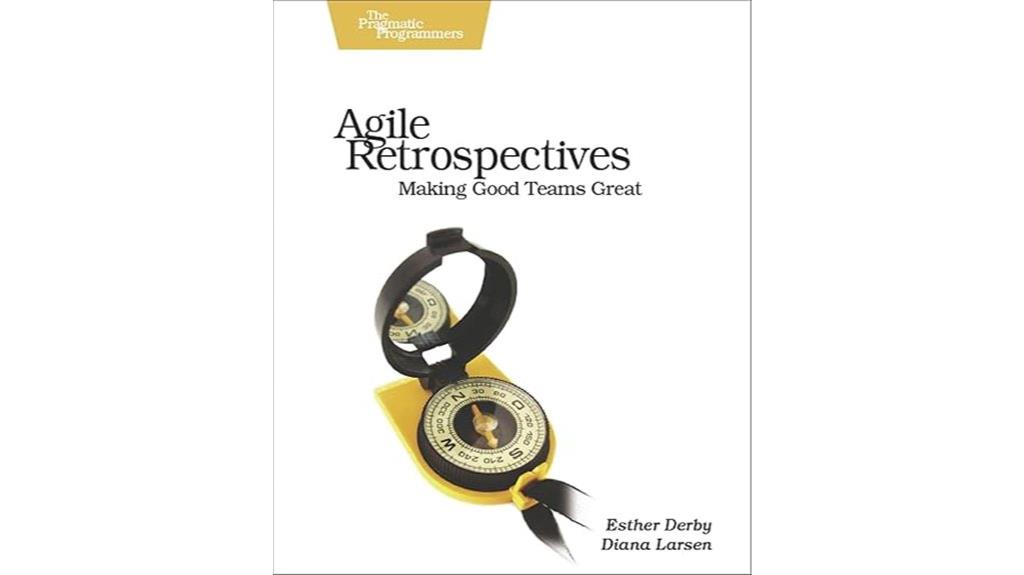
Agile teams and facilitators seeking practical tools to enhance their retrospective sessions will find the “2 Best Agile Retrospective Card Sets” especially valuable. One resource, *Agile Retrospectives: Making Good Teams Great*, offers a clear, structured process covering all phases from setting the scene to closing. It includes detailed activities, like the insightful “ESVP” game, to gauge team mood and foster engagement. The book also provides strategies to manage challenges such as disengagement or dominant personalities, especially in remote settings. Its actionable guidance helps teams learn from past projects, improve continuously, and turn good teams into great ones through engaging, effective retrospectives.
Best For: Agile teams, Scrum Masters, and facilitators seeking practical, structured tools and activities to run engaging and effective retrospectives, especially in remote or challenging team dynamics.
Pros:
- Provides a clear, step-by-step process with detailed activities to enhance retrospective sessions.
- Includes innovative exercises like the “ESVP” game to gauge team mood and boost engagement.
- Offers practical strategies for managing common challenges such as disengagement, dominance, and toxicity, with adaptations for remote teams.
Cons:
- Some users may find the examples less detailed for shorter retrospectives (0.5–1 hour).
- The book may require adaptation for teams with very specific or unique dynamics not covered in the general guidance.
- It focuses primarily on process and activities, potentially needing supplementary content for deeper facilitation techniques.
Factors to Consider When Choosing Agile Retrospective Card Sets

When selecting an agile retrospective card set, I consider factors like the variety of card options and how easy they are to customize for my team’s needs. I also look at the material’s durability to make certain the cards last over time and the overall cost and availability for my budget. These points help me choose a set that’s practical, flexible, and fits our team’s workflow.
Card Variety Options
Choosing the right card set hinges on understanding the variety of themes and features it offers, which can substantially influence the effectiveness of your retrospective. Different sets focus on areas like team health, process improvement, or engagement, helping you target specific goals. Some include customizable or additional question cards, encouraging deeper reflection and personalized discussions. Visual tools like traffic light or rating cards offer quick insights into team sentiment, making assessments faster. A diverse range of topics ensures you can address multiple facets of team dynamics, from collaboration to well-being. Additionally, a broad selection of cards can boost engagement, catering to different team sizes and maturity levels. Evaluating these options helps ensure your retrospective remains focused, relevant, and impactful.
Customization Capabilities
Selecting a card set that offers customization options can substantially boost the effectiveness of your retrospectives. When I choose a set with flexible customization features, I can tailor discussions to address my team’s specific challenges and goals. Adding personal questions or themes makes the session more relevant and engaging, encouraging deeper reflection. Customizable cards also support different team sizes and formats, allowing me to adapt the retrospective process as needed. By modifying or creating new cards, I can highlight key performance indicators or behavioral aspects that matter most to my team’s growth. This flexibility keeps retrospectives dynamic and responsive to evolving team dynamics and project needs, ensuring that our reflection sessions remain focused, meaningful, and impactful.
Ease of Use
Ease of use is a crucial factor in selecting an effective agile retrospective card set because it directly impacts how smoothly the team can engage with the process. Look for card sets with clear, intuitive icons or color codes that facilitate quick understanding and easy navigation during sessions. It’s also important that the cards come with thorough instructions or guidelines, reducing the need for lengthy explanations. Choose sets designed for all skill levels so everyone can participate confidently, regardless of experience. Portability matters too—lightweight cards make setup effortless across different locations or virtual teams. Additionally, customizable options or prompts help adapt the cards to your team’s specific needs, making the retrospective more effective and engaging.
Material Durability
Durability of the cards plays a vital role in guaranteeing they stand up to regular use during retrospectives. I look for cards made from materials like laminated cardstock or plastic because they resist wear and tear from frequent handling. High-quality, heavier materials prevent warping or bending over time, keeping the cards looking professional and functional. Flexible yet sturdy materials make shuffling and handling easier, reducing the risk of tearing or damage during active facilitation. Additionally, durable materials allow for easy cleaning, which is essential in high-traffic environments or when disinfectants are used regularly. Choosing cards with strong materials ensures they remain usable and presentable over many sessions, providing long-term value and a smoother retrospective experience for everyone involved.
Price and Availability
When choosing an agile retrospective card set, considering the price and availability can substantially impact your overall experience and value. I recommend aligning the cost with your team’s budget to avoid overspending and explore options that offer competitive pricing or discounts. Check if the card sets are easily obtainable online or in local stores, ensuring quick procurement and replacements if needed. Restocking frequency and stock levels are also important to prevent delays before scheduled retrospectives. Additionally, look for promotional deals or bundled offers that can enhance cost-effectiveness. Being mindful of these factors helps you select a set that fits your budget and ensures reliable access, making your retrospectives smoother and more productive without unnecessary expenses or delays.
Frequently Asked Questions
How Do Card Sets Improve Team Engagement During Retrospectives?
Card sets make retrospectives more engaging by providing visual prompts and structured activities that spark conversation. I find they encourage quieter team members to share their thoughts, making discussions more inclusive. The variety of cards keeps sessions fresh and fun, helping us stay focused and energized. Overall, they boost participation, foster open communication, and lead to more meaningful insights, making our retrospectives more productive and enjoyable.
Can These Card Sets Be Customized for Specific Team Needs?
Yes, these card sets can definitely be personalized to fit your team’s specific needs. I’ve found that tailoring questions or topics helps focus discussions on relevant issues, making retrospectives more productive. You can add your own prompts, modify existing ones, or create new cards that reflect your team’s goals and challenges. Customization keeps the sessions engaging and ensures everyone feels involved and heard.
Are There Digital Alternatives to Physical Retrospective Card Sets?
Absolutely, there are digital alternatives to physical retrospective card sets. I’ve found online tools and apps that mimic the physical experience, making remote retrospectives just as engaging. These platforms often include customizable templates and interactive features, so you’re not left in the dark. It’s like having a pocket-sized team facilitator—easy to access, versatile, and perfect for keeping everyone involved, no matter where they’re dialing in from.
How Often Should Teams Update or Refresh Their Card Sets?
I recommend updating your card sets every few months or whenever they start feeling stale. Regular refreshes keep the sessions engaging and relevant, encouraging new perspectives and insights. If your team’s dynamics change or you notice declining participation, it’s a good sign to revisit and revise the cards. Staying flexible and attentive to your team’s needs ensures retrospectives remain effective and energizing.
What Are Some Common Challenges When Introducing Card Sets to New Teams?
Like opening Pandora’s box, introducing card sets to new teams can bring surprises. Common challenges include resistance to change, as some team members prefer familiar routines, and understanding how to use the cards effectively. I’ve seen teams worry about slowing down their meetings or feeling overwhelmed by too many options. Patience and clear guidance help, and I always remind myself that every challenge is a chance to grow.
Conclusion
Choosing the right retrospective card set can truly transform your team’s reflection sessions. Did you know that teams using engaging tools like these report a 30% increase in collaboration and problem-solving? With options like the Agile Stationery Squad Health Check Cards or versatile sets that fit your team’s needs, you’re set to boost engagement and growth. Invest in the right tools, and watch your team become more cohesive and productive than ever before.