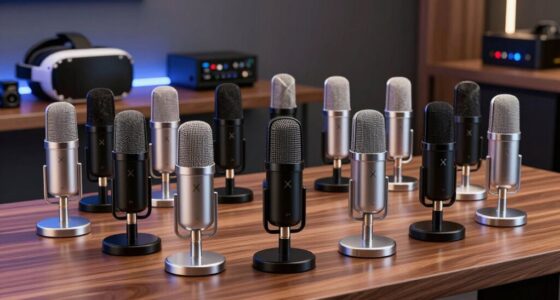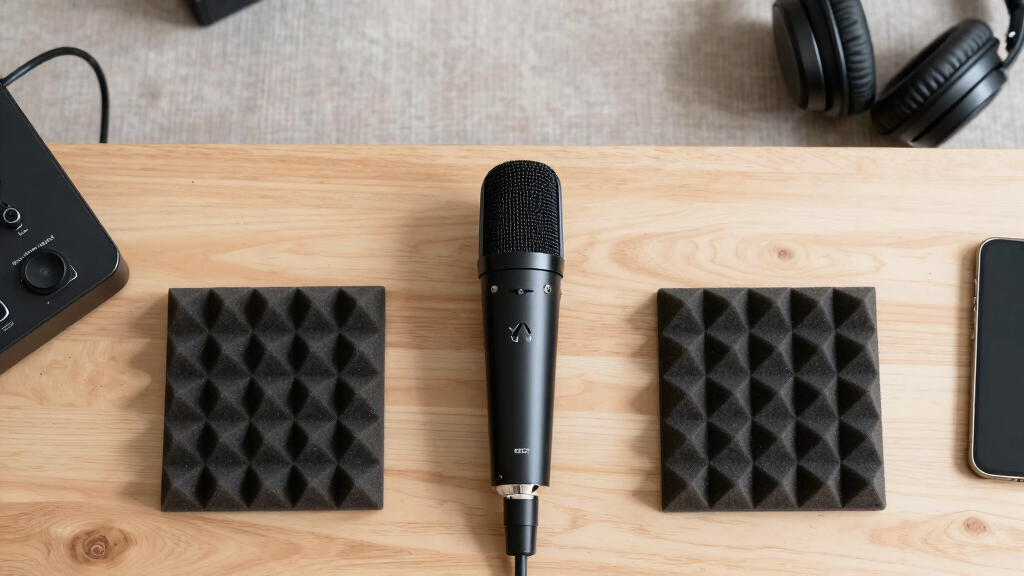

Choosing the best XLR microphone for untreated rooms can be challenging, as many models struggle with background noise and room reflections. The RØDE PodMic stands out as an excellent overall choice due to its dynamic design, which helps reject room noise effectively. The Lewitt LCT 440 PURE offers superb sound quality for a condenser microphone, but it’s more sensitive to room acoustics. Meanwhile, the Shure SM7B remains a favorite for vocal clarity in less-than-ideal spaces. The main tradeoffs often involve balancing noise rejection with sound fidelity and budget constraints. Continue reading for a detailed breakdown of each option and how they suit different needs.
Listen free for 30 days with Audible
Thousands of audiobooks and originals — cancel anytime.
Start your free trialAs an affiliate, we earn on qualifying purchases.
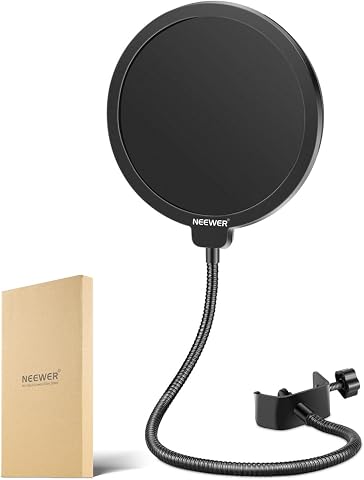
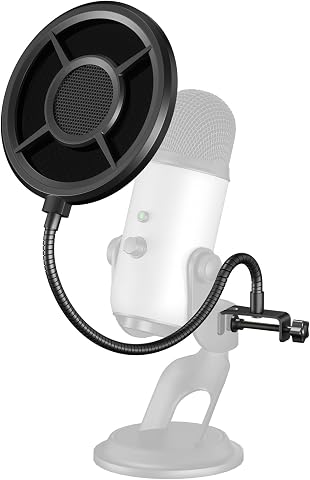
Complete the kit

Key Takeaways
- Dynamic microphones generally outperform condensers in untreated rooms by rejecting background noise more effectively.
- The RØDE PodMic offers a strong balance of affordability and room noise rejection, making it ideal for most home setups.
- Condensers like the Lewitt LCT 440 PURE excel in clarity but require some acoustic treatment or placement considerations.
- Microphones with tighter polar patterns, such as cardioid, tend to pick up less room sound—crucial in untreated spaces.
- Budget-friendly options like the MAONO PD400X provide decent performance but may lack the depth and noise rejection of premium models.
| RØDE PodMic Cardioid Dynamic Broadcast Microphone, XLR |  | Best Overall for Untreated Rooms | Type: Dynamic Broadcast Microphone | Polar Pattern: Cardioid | Connectivity: XLR | VIEW LATEST PRICE | See Our Full Breakdown |
| Lewitt LCT 440 PURE Large Diaphragm Condenser Microphone |  | Best for Detailed Studio Sound | Capsule: 1-inch true condenser | Polar Pattern: Cardioid | Included Accessories: Shock mount, magnetic pop filter | VIEW LATEST PRICE | See Our Full Breakdown |
| RØDE NT1 Signature Series Studio Condenser Microphone, Black |  | Best for Ultra-Low Noise Vocal Recording | Type: Condenser Microphone | Color: Black | Included Accessories: Shock mount, pop filter, XLR cable, dust cover | VIEW LATEST PRICE | See Our Full Breakdown |
| MAONO PD400X Dynamic Microphone, USB/XLR Podcast PC Mic with Software |  | Best for Versatile Podcasting and Streaming | Connectivity Technology: USB, USB C, XLR | Polar Pattern: Unidirectional | Frequency Response: 40-16kHz | VIEW LATEST PRICE | See Our Full Breakdown |
| Shure MV7+ USB-C & XLR Podcast Dynamic Microphone – Black |  | Best for Professional-Quality Versatile Recording | Connectivity: USB-C & XLR | Features: Auto level, real-time denoising, reverb | Color: Black | VIEW LATEST PRICE | See Our Full Breakdown |
| Shure MV7X XLR Dynamic Podcast & Recording Microphone – Black |  | Best Overall for Professional Sound in Untreated Rooms | Connectivity: XLR | Color: Black | Type: Dynamic Microphone | VIEW LATEST PRICE | See Our Full Breakdown |
| Elgato Wave DX Dynamic XLR Microphone, Cardioid Pattern |  | Best for Noise Rejection and Versatile Mounting | Capsule: Dynamic | Polar Pattern: Cardioid | Frequency Response: 50 – 15000 Hz | VIEW LATEST PRICE | See Our Full Breakdown |
| Audio-Technica AT2020 Cardioid Condenser Studio XLR Microphone |  | Best for Wide Dynamic Range and Transient Response | Output connector: 3 pin XLRM | Polar pattern: Cardioid | Application: Studio, home studio | VIEW LATEST PRICE | See Our Full Breakdown |
| Rode PodMic Dynamic Broadcast Microphone Bundle with StreamEye LowPro Boom Arm and 10-Foot XLR Cable |  | Best Complete Kit for Broadcast Quality in Untreated Rooms | Microphone Type: Dynamic | Pickup Pattern: Cardioid | Frequency Response: 20 Hz – 20 kHz | VIEW LATEST PRICE | See Our Full Breakdown |
| Shure SM7B Dynamic Vocal Microphone for Podcasting & Streaming |  | Best for Warm, Focused Vocals in Challenging Rooms | Type: Dynamic Microphone | Application: Podcasting, Streaming | Pickup Pattern: Cardioid | VIEW LATEST PRICE | See Our Full Breakdown |
| Shure MV7X XLR Podcast Microphone with XLR Cable |  | Best for Noise Isolation in Untreated Rooms | Type: Dynamic Microphone | Pattern: Cardioid | Connectivity: XLR | VIEW LATEST PRICE | See Our Full Breakdown |
More Details on Our Top Picks
RØDE PodMic Cardioid Dynamic Broadcast Microphone, XLR
The RØDE PodMic stands out for its broadcast-quality sound tailored specifically for speech and podcasting in untreated environments. Its internal pop filter and shock mount effectively reduce plosives and desk noise, making it a strong choice compared to condenser options like the Lewitt LCT 440 PURE, which excels in capturing detailed sound but is more sensitive to room acoustics. The PodMic’s all-metal build ensures durability, but it requires an audio interface or mixer with XLR input, which adds to the overall setup cost. Its dynamic design minimizes room noise pickup, making it ideal for untreated spaces, but it can be less sensitive to subtle nuances than condensers. This pick makes the most sense for podcasters and streamers seeking a sturdy, noise-resistant mic without complex setup.
Pros:- Broadcast-quality sound tuned for speech
- Built-in pop filter and shock mounting reduce noise
- Durable all-metal construction
Cons:- Requires an external audio interface or mixer
- Not compatible with USB, adding to setup complexity
Best for: Podcasters and streamers recording in untreated or noisy environments who need durability and noise rejection.
Not ideal for: Home musicians wanting capturing detailed instrument nuances or studio-quality recordings, since it’s optimized for speech and resilience over fidelity.
- Type:Dynamic Broadcast Microphone
- Polar Pattern:Cardioid
- Connectivity:XLR
- Built-in Features:Pop protection, shock mount
- Build Material:All-metal
Our verdict“This microphone is perfect for content creators needing a robust, noise-resistant solution for untreated rooms.”
Lewitt LCT 440 PURE Large Diaphragm Condenser Microphone
The Lewitt LCT 440 PURE offers exceptional clarity with its 1-inch true condenser capsule, capturing detailed vocals and instruments even in less-than-ideal acoustic settings. Compared with the Shure NT1, which is ultra-quiet and great for vocals, the Lewitt provides a broader frequency response, but it’s more sensitive to room noise and requires careful placement and acoustic treatment. Its included shock mount and magnetic pop filter help mitigate some untreated room artifacts, yet it’s still more susceptible to reverberations than dynamic mics. This makes it better suited to well-controlled environments, but it can excel in untreated rooms with proper positioning. It’s ideal for users who prioritize sound detail over room noise suppression.
Pros:- High-quality 1-inch condenser capsule for detailed sound
- Effective rear rejection with cardioid pattern
- Includes shock mount and magnetic pop filter
Cons:- Sensitive to room noise and reverberation
- Requires additional acoustic treatment for optimal results
Best for: Home singers, voice-over artists, or instrumentalists who want detailed sound in less-treated spaces.
Not ideal for: Podcasters or streamers in noisy or untreated rooms seeking noise rejection, as condensers are more prone to room artifacts.
- Capsule:1-inch true condenser
- Polar Pattern:Cardioid
- Included Accessories:Shock mount, magnetic pop filter
Our verdict“This microphone suits users prioritizing sound quality in untreated environments, provided placement is carefully managed.”
RØDE NT1 Signature Series Studio Condenser Microphone, Black
The RØDE NT1 Signature is designed for pristine vocal recordings with its ultra-low self-noise, making it a clear choice over other condensers like the Lewitt LCT 440 PURE when noise floor is critical. Its cardioid pattern helps reject room sound, but as a condenser, it remains sensitive to room reflections and background noise, which can be problematic in untreated spaces. The included accessories—a shock mount, pop filter, and dust cover—help optimize the environment, but additional acoustic treatment may still be necessary. This mic shines in controlled environments but can perform admirably in untreated rooms if placed carefully. It’s particularly suited for voice artists and streamers aiming for studio-quality sound in less-than-ideal acoustic settings.
Pros:- Ultra-low self-noise for crystal-clear recordings
- Includes comprehensive accessories for quick setup
- Ideal for vocals and streaming with minimal noise floor
Cons:- Requires external interface for proper recording
- Less suitable for untreated rooms with high reverberation
Best for: Vocalists and streamers needing ultra-quiet, detailed sound in untreated spaces, with proper placement and minimal background noise.
Not ideal for: Podcasters in noisy environments who require high rejection of room artifacts, as condenser mics inherently pick up more ambient sound.
- Type:Condenser Microphone
- Color:Black
- Included Accessories:Shock mount, pop filter, XLR cable, dust cover
- Pattern:Cardioid
- Self-noise:Whisper-quiet
Our verdict“This microphone is perfect for voice recordings where noise floor matters most, but it demands careful placement in untreated rooms.”
MAONO PD400X Dynamic Microphone, USB/XLR Podcast PC Mic with Software
The MAONO PD400X offers remarkable flexibility with dual USB and XLR connectivity, making it suitable for both casual and semi-professional use in untreated environments. Its cardioid pattern effectively rejects background noise, and its user-friendly controls, like mute and gain, simplify setup. Compared to the Shure MV7+, it’s more affordable yet still provides decent noise rejection and audio quality. The built-in software and EQ adjustments allow some room to tailor sound, but this can be overwhelming for beginners. Its gooseneck design helps position it away from reflective surfaces, yet without acoustic treatment, some room artifacts may still be audible. This makes it a versatile choice for content creators who want flexibility without sacrificing too much sound quality.
Pros:- Dual USB and XLR connectivity for versatile use
- Effective background noise rejection with cardioid pattern
- User-friendly controls including mute and gain
Cons:- Features may be complex for beginners
- Additional sound treatment may still be needed in untreated rooms
Best for: Podcasters or streamers seeking an adaptable mic for both casual and semi-professional use in untreated spaces.
Not ideal for: Professional studio engineers or users requiring ultimate sound fidelity, since it balances convenience over absolute noise rejection and clarity.
- Connectivity Technology:USB, USB C, XLR
- Polar Pattern:Unidirectional
- Frequency Response:40-16kHz
- Signal-to-Noise Ratio:78 dB
- Form Factor:Gooseneck
Our verdict“This microphone suits creators looking for flexibility and decent noise rejection in untreated spaces, with some setup effort.”
Shure MV7+ USB-C & XLR Podcast Dynamic Microphone – Black
The Shure MV7+ combines dual USB-C and XLR outputs, offering unmatched flexibility for recording in untreated environments. Its auto level and real-time denoising features help maintain consistent audio despite room imperfections, making it a standout over traditional dynamic mics like the PodMic for casual or semi-professional use. The customizable LED controls and built-in reverb add creative options, but these features introduce a learning curve and higher cost. While the auto level adjustment helps combat room noise, it’s not a substitute for proper acoustic treatment. This mic is best for advanced content creators who want convenience combined with professional features and are willing to learn how to optimize settings in untreated spaces.
Pros:- Flexible connectivity with USB-C and XLR
- Auto level and real-time denoising for consistent sound
- Customizable LED controls and built-in reverb for personalization
Cons:- Features may require time to learn and optimize
- Higher cost compared to basic microphones
Best for: Experienced podcasters and streamers seeking a highly adaptable, feature-rich microphone for imperfect acoustic environments.
Not ideal for: Beginners or those on a tight budget, as the advanced features and price point may be overwhelming or unnecessary.
- Connectivity:USB-C & XLR
- Features:Auto level, real-time denoising, reverb
- Color:Black
Our verdict“This microphone is well-suited for experienced users wanting advanced control and noise management in untreated rooms.”
Shure MV7X XLR Dynamic Podcast & Recording Microphone – Black
The Shure MV7X stands out for its broadcast-inspired design and focused voice isolation, making it an excellent choice for those recording in untreated spaces where background noise can be a challenge. Compared with the Shure SM7B, it offers similar durability and clarity but at a slightly more accessible price point. Its all-metal construction ensures longevity, and the voice isolation tech helps minimize room reverberation without requiring acoustic treatment. The main tradeoff is its lack of onboard features like USB or headphone monitoring, which means you need an audio interface. This pick makes the most sense for podcasters or streamers who need consistent, broadcast-quality sound without professional studio acoustics.
Pros:- Focused voice isolation reduces background noise effectively
- Broadcast-inspired design enhances professional sound quality
- All-metal construction offers durability and reliability
Cons:- Limited to XLR connectivity, needing an audio interface
- No built-in headphone monitoring or USB option
Best for: Podcasters and streamers who need high-quality voice capture in untreated, noisy environments
Not ideal for: Casual users or those wanting a plug-and-play USB solution, since it requires an external audio interface
- Connectivity:XLR
- Color:Black
- Type:Dynamic Microphone
- Design:Broadcast-inspired
- Construction:All-metal
- Included Accessories:Adjustable yoke mount, 3/8″ adapter
Our verdict“This microphone is ideal for serious content creators who want broadcast-grade sound in untreated rooms but are prepared to invest in additional gear.”
Elgato Wave DX Dynamic XLR Microphone, Cardioid Pattern
The Elgato Wave DX excels at rejecting room noise, making it a prime candidate for untreated rooms where echo and ambient sound are problematic. It offers excellent room noise rejection compared to the Rode PodMic, which is more suited for broadcast environments rather than noisy home setups. Its cardioid pattern and swivel mount allow flexible positioning, while its compatibility with any XLR interface keeps setup simple. The tradeoff is that it requires an external audio interface and XLR cable, adding to the overall cost and complexity. This microphone makes sense for streamers or broadcasters who need detailed sound and want to minimize room noise without extensive acoustic treatment.
Pros:- Excellent room noise rejection for cleaner recordings
- Compatible with any XLR interface, offering flexibility
- Adjustable mounting options for versatile positioning
Cons:- Requires an external audio interface and cables
- Limited to XLR connection, no USB option included
Best for: Streamers and content creators seeking clear, detailed sound in untreated, noisy rooms
Not ideal for: Beginners or casual users who prefer USB microphones for plug-and-play simplicity
- Capsule:Dynamic
- Polar Pattern:Cardioid
- Frequency Response:50 – 15000 Hz
- Impedance:600 Ohm
- Connector:3-pin XLR
- Weight:440 g
Our verdict“This microphone is perfect for creators who need to cut through untreated room noise without sacrificing sound detail but are comfortable with additional gear.”
Audio-Technica AT2020 Cardioid Condenser Studio XLR Microphone
The Audio-Technica AT2020 offers a condenser design with high SPL handling and a broad dynamic range, providing clear detail even in untreated rooms where ambient noise could muddy recordings. While it excels in studio environments, its cardioid pattern helps reduce some room noise but not as effectively as dynamic mics like the Elgato Wave DX. Its need for an audio interface and the absence of onboard monitoring make it less convenient for casual users. This model makes the most sense for hobbyists or semi-professionals who want detailed sound and are willing to manage noise reduction through positioning and sound treatment.
Pros:- High SPL handling for loud sources
- Excellent transient response for capturing detail
- Good at reducing ambient noise with cardioid pattern
Cons:- Requires external audio interface
- No onboard monitoring or USB connection
Best for: Home studio owners and hobbyists seeking high-quality recordings with good transient response
Not ideal for: Streamers or podcasters in very noisy untreated rooms who need maximum noise rejection
- Output connector:3 pin XLRM
- Polar pattern:Cardioid
- Application:Studio, home studio
Our verdict“This condenser mic is suited for those who prioritize detailed recordings but can manage some room noise through positioning in untreated spaces.”
Rode PodMic Dynamic Broadcast Microphone Bundle with StreamEye LowPro Boom Arm and 10-Foot XLR Cable
The Rode PodMic bundle offers a solid broadcast-quality sound with built-in pop filtering and a shockmount, making it ideal for voice work in untreated rooms where echo and background noise are issues. Its dynamic design is more forgiving of room acoustics than condenser mics, and the included boom arm keeps the microphone out of view, reducing visual clutter on camera. Compared with the Shure MV7X, this kit provides a more complete setup for those who want a straightforward, plug-and-play broadcast sound without extra gear. The main drawback is its limited application scope—mainly spoken word—and the boom arm’s flexibility may be less than premium models. Overall, a reliable choice for podcasters or streamers seeking simplicity and quality.
Pros:- Excellent broadcast sound with warm tone
- Built-in pop filter and shockmount minimize noise and plosives
- Boom arm keeps microphone out of camera view
Cons:- Limited to spoken word applications
- Boom arm may lack full flexibility compared to higher-end options
Best for: Podcasters and streamers needing a complete, easy-to-setup broadcast kit for untreated spaces
Not ideal for: Music producers or those recording instruments, as it is focused on spoken word
- Microphone Type:Dynamic
- Pickup Pattern:Cardioid
- Frequency Response:20 Hz – 20 kHz
- Impedance:320 ohms
- Cable Length:10 feet
- Included Accessories:LowPro boom arm, XLR cable
Our verdict“This bundle offers a straightforward setup for voice content in untreated rooms, balancing quality and ease of use.”
Shure SM7B Dynamic Vocal Microphone for Podcasting & Streaming
The Shure SM7B is a staple for vocal clarity and noise rejection, making it an outstanding choice for untreated rooms where echoes can distort recordings. Its cardioid pattern and internal air suspension system significantly reduce room reverberation, unlike condenser microphones that tend to pick up more ambient sound. While it offers excellent sound quality and durability, the need for a high-quality XLR interface or a mixer can increase costs and complexity. Compared with the Audio-Technica AT2020, it provides a warmer, more professional tone but at a higher price. This microphone is best suited for those who prioritize vocal warmth and noise control over simplicity.
Pros:- Warm, balanced vocal reproduction
- Effective noise isolation reduces room noise
- Very durable with all-metal construction
Cons:- Requires an external XLR interface or mixer
- Higher price point for casual users
Best for: Podcasters and vocalists who record in untreated rooms and need effective noise reduction
Not ideal for: Beginners or casual users seeking a budget-friendly, plug-and-play USB microphone
- Type:Dynamic Microphone
- Application:Podcasting, Streaming
- Pickup Pattern:Cardioid
- Frequency Response:Wide-range
- Connectivity:XLR
- Construction:All-metal
Our verdict“This mic is suited for serious vocal recordings in untreated spaces where background noise is a concern but setup complexity is manageable.”
Shure MV7X XLR Podcast Microphone with XLR Cable
The Shure MV7X excels at delivering clear, focused sound thanks to its dynamic cardioid capsule and voice isolation technology, making it a strong choice for untreated spaces with background noise. Compared to the RØDE PodMic, the MV7X offers better noise rejection, which is crucial when acoustic treatment isn’t available. Its all-metal build enhances durability, and compatibility with standard mic stands simplifies setup. However, it lacks built-in headphones or monitoring features, and since it relies on an external audio interface, the total setup can be less convenient for beginners. The MV7X’s dedicated noise rejection makes it ideal for podcasters or vocalists recording in non-treated rooms, where background sound is a common challenge. The main tradeoff is the need for additional equipment—an interface or mixer—to fully utilize the mic’s potential.
Pros:- Excellent noise isolation to reject background sounds
- Robust all-metal construction for durability
- Compatibility with standard mic stands and professional interfaces
Cons:- Requires an external audio interface or mixer for recording
- No built-in headphone monitoring or direct USB connection
Best for: Podcasters and vocalists recording in untreated rooms who need effective noise rejection and durable build quality.
Not ideal for: Beginners or users seeking a plug-and-play solution with built-in monitoring, since it requires additional audio gear and lacks onboard features.
- Type:Dynamic Microphone
- Pattern:Cardioid
- Connectivity:XLR
- Construction:All Metal
- Included Accessories:20ft XLR Cable, Thread Adapter, User Guide
- Compatibility:Mic Stand (5/8″ threaded)
Our verdict“This microphone suits those who need reliable noise rejection and durability in untreated spaces but are prepared for a more complex setup.”

How We Picked
I evaluated each microphone based on performance in untreated spaces, focusing on their ability to reject room noise and reflections. Build quality and durability were considered, along with ease of use and versatility for different recording scenarios. Price point and value also played a role, ensuring options suit a range of budgets. The ranking reflects a balance between noise rejection, sound quality, and user-friendliness, with dynamic microphones generally favored for untreated rooms due to their directional nature and ability to minimize room sound pickup.Factors to Consider When Choosing Best Xlr Microphones For Untreated Rooms
When choosing a microphone for untreated rooms, it’s essential to prioritize features that minimize the impact of reflections and background noise. Understanding how room acoustics influence sound capture can save you from costly mistakes and poor recordings. Key factors include microphone type, polar pattern, and proximity effect, which collectively determine how well a mic handles less-than-ideal environments. Considering these aspects ensures you pick a model that delivers clear results without extensive acoustic treatment.Microphone Type
Dynamic microphones are generally more suitable for untreated rooms because their moving coil elements are less sensitive to ambient noise and reflections. Condenser mics, while offering richer detail, tend to pick up more room sound unless paired with acoustic treatment. Ribbon mics are less common but can also be effective if they have tight polar patterns. Your choice depends on whether you prioritize noise rejection or ultimate sound quality in a challenging space.
Polar Pattern
Choosing a microphone with a cardioid or supercardioid polar pattern helps focus on your voice while rejecting side and rear noise. Omnidirectional microphones pick up sound equally from all directions, making them poor choices for untreated rooms. Tight polar patterns reduce room reflections and background noise, which is crucial when acoustic treatment isn’t an option. Pay attention to the mic’s pattern to match your recording environment.
Proximity Effect
The proximity effect causes bass boost when speaking close to the microphone, which can help mitigate some room echo issues. However, getting too close can lead to unnatural sound or plosive issues. Microphones with good proximity control allow you to maintain a natural tone while minimizing room noise pickup. Testing this aspect can be vital for achieving a balanced sound in untreated spaces.
Build Quality and Durability
In a home or makeshift studio, a durable microphone with solid construction reduces the risk of damage and ensures longevity. While high-end models often have better components, many budget options also offer sturdy designs. Consider how much handling or transportation your mic will endure, and choose a model that combines durability with performance.
Budget and Value
While premium microphones offer superior noise rejection and sound quality, they come with a higher price tag. Budget models can still perform well if chosen carefully, especially dynamics with tight polar patterns. Balance your budget against your recording needs—investing in a better mic can be worthwhile if you record frequently or need high-quality results often.
Frequently Asked Questions
Can I use a condenser microphone in an untreated room?
Condenser microphones can be used in untreated rooms, but they tend to pick up more room reflections and background noise, which can affect the clarity of recordings. To improve results, consider positioning the mic closer to your voice and reducing reflective surfaces nearby. Alternatively, using a condenser with a tight polar pattern, or adding some acoustic treatment, can help mitigate these issues. If your setup is primarily untreated, dynamic microphones usually offer a simpler, more effective solution.
Are dynamic microphones really better for untreated rooms?
Yes, dynamic microphones are generally more suitable for untreated rooms because of their directional pickup patterns and lower sensitivity to ambient noise. They focus on capturing your voice directly in front of them, reducing the amount of room sound and reflections recorded. This makes them an ideal choice for home studios or spaces where acoustic treatment isn’t feasible. However, they may not deliver the same level of detail as condenser mics, which is a tradeoff to consider based on your priorities.
Should I prioritize noise rejection or sound quality?
In untreated rooms, noise rejection often takes precedence because background noise and reflections can significantly degrade audio quality. While a microphone with excellent sound reproduction is desirable, it’s more important to choose one that can reject room noise effectively. Dynamic mics with tight polar patterns typically provide a good balance, offering decent sound quality while minimizing unwanted sound pickup. If your space is very noisy, investing in a microphone with strong rejection features can save you from extensive acoustic treatment later.
Is it worth spending more on a microphone for untreated rooms?
Spending more on a microphone can be worthwhile if you want clearer, more professional recordings without additional room treatment. Higher-end models often feature better noise rejection, durability, and fidelity, which can be crucial for content creators, podcasters, or musicians aiming for high-quality output. However, for casual or beginner setups, budget-friendly options like the RØDE PodMic or MAONO PD400X can offer excellent value, especially when paired with proper mic placement and minor acoustic adjustments.
Do I need additional equipment for untreated rooms?
While a good microphone can significantly improve recordings in untreated rooms, additional equipment such as a pop filter, shock mount, or a simple reflection filter can further enhance sound quality. Positioning your mic correctly—close to your mouth and away from reflective surfaces—also makes a difference. If noise remains an issue, consider adding some portable acoustic treatments like foam panels or blankets. These small upgrades can dramatically improve clarity without a full room overhaul.
Conclusion
For most home setups or budget-conscious creators, the RØDE PodMic offers a strong blend of noise rejection and affordability, making it the best overall choice. If you’re seeking a premium experience with excellent sound fidelity and don’t mind a higher investment, the Shure SM7B remains the best option for serious vocal work. Beginners or those with very limited budgets should consider models like the MAONO PD400X for decent performance at a lower cost. For users prioritizing portability and versatility, the Elgato Wave DX provides a compact, effective solution. Ultimately, your choice depends on your environment, budget, and recording goals—matching the right microphone to your needs will ensure clearer recordings despite untreated acoustics.
NFL season / tailgating Picks
team gear
As an affiliate, we earn on qualifying purchases.