When searching for the best open back headphones for mixing and music, clarity and natural sound are top priorities. The Sennheiser HD 560S stands out as the overall best choice, offering precise audio reproduction ideal for critical listening. For those on a tighter budget, the Audio-Technica ATH-R50X provides excellent value with a balanced sound profile. Meanwhile, the beyerdynamic DT 990 PRO is favored for its comfort and detailed highs. However, buyers often face tradeoffs between sound accuracy, comfort, and price. Continue reading for a detailed breakdown to help you find the perfect pair for your needs.

Get the latest gadgets delivered free — and shop member deals
- Fast, free delivery on millions of items
- Access to Prime Big Deal Days deals on October 6–7
- Prime Video, Amazon Music and more included
Complete the kit


Key Takeaways
- Top headphones excel in delivering natural, detailed sound essential for mixing accuracy.
- Comfort and build quality vary widely, impacting long session usability.
- Price points reflect differences in sound fidelity and durability, with premium models offering refined performance.
- Open back design enhances spatial awareness but can leak sound, making them less suited for noisy environments.
- Choosing the right impedance and cable length can improve compatibility with various audio setups.
| AKG K240 Studio Semi-Open Studio Headphones |  | Best for Accurate Mixing and Extended Studio Use | Connectivity: Stereo 1/8″ with 1/4″ adapter | Transducer Size: 30 mm XXL transducers | Design: Semi-open, over-ear | VIEW LATEST PRICE | See Our Full Breakdown |
| Sennheiser HD 560S Open-Back Over-Ear Wired Audiophile Headphones |  | Best for Critical Listening and Accurate Soundstage | Connectivity technology: Wired | Connector type: 1/4-inch | Included components: Headphones, Cable | VIEW LATEST PRICE | See Our Full Breakdown |
| beyerdynamic DT 990 PRO Studio Headphones (80 Ohm, Gray) |  | Best for Natural Sound and Long Studio Sessions | Impedance: 80 Ohm | Frequency Response: 5–35,000 Hz | Cable Length: 3 meters | VIEW LATEST PRICE | See Our Full Breakdown |
| Sennheiser HD 599 Open-Back Wired Audiophile Headphones, Ivory |  | Best for Comfortable Long Listening and Versatile Connectivity | Type: Open-back, wired | Material: Velour ear pads, padded headband | Connectivity: Detachable cables, 3.5mm and 6.3mm jacks | VIEW LATEST PRICE | See Our Full Breakdown |
| Philips Fidelio X3 Open-Back Studio Headphones, Wired Over-Ear, Hi-Res Audio, Premium Finish |  | Best for High-Resolution Sound and Immersive Mixing | Frequency Response: 5 – 40,000 Hz | Impedance: 30 Ohm | Sensitivity: 100 dB @ 1 mW | VIEW LATEST PRICE | See Our Full Breakdown |
| Audio-Technica ATH-R50X Open-Back Headphones |  | Best Overall for Critical Listening and Mixing | Type: Open-back headphones | Weight: 207 g | Cables: Two detachable cables (3.0 m and 1.2 m) | VIEW LATEST PRICE | See Our Full Breakdown |
| HD 490 PRO Open-Back Professional Headphone |  | Best for Accurate and Durable Studio Monitoring | Frequency Response: 5 – 36,000 Hz | Design: Open-back | Pads: Washable, replaceable | VIEW LATEST PRICE | See Our Full Breakdown |
| Beyerdynamic DT 990 Pro X (48 Ohm) | 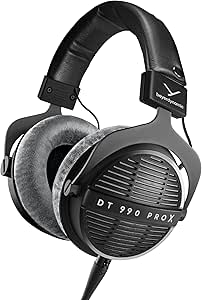 | Best for High-Volume Mixing with Natural Soundstage | Impedance: 48 Ohm | Type: Open-back studio headphones | Color: Black | VIEW LATEST PRICE | See Our Full Breakdown |
| beyerdynamic DT 1990 Pro MKII (30 Ohm) |  | Best for Long Studio Sessions with High-Resolution Detail | Impedance: 30 Ohm | Driver Type: Tesla.45 transducer | Connectivity: Wired, 3.5 mm jack | VIEW LATEST PRICE | See Our Full Breakdown |
| Sennheiser HD 650 Audiophile Hi-Res Open Back Dynamic Headphone | 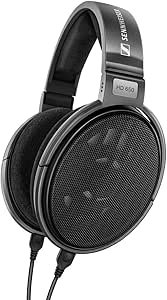 | Best for Long Listening with Natural, High-Res Sound | Frequency Response: 10-41,000 Hz | Connector: 3.5 mm jack, 1/4 inch connector | Series: 508825 | VIEW LATEST PRICE | See Our Full Breakdown |
| beyerdynamic DT 900 PRO X Studio Mixing Open Back Headphones |  | Best for Critical Studio Mixing and Mastering | Impedance: 48 ohms | Driver: 45 high-resolution transducer | Connectivity: Wired, 3.5 mm jack | VIEW LATEST PRICE | See Our Full Breakdown |
More Details on Our Top Picks
AKG K240 Studio Semi-Open Studio Headphones
The AKG K240 Studio headphones are a reliable choice for those seeking accurate sound reproduction in a semi-open design. Compared to the beyerdynamic DT 990 PRO, they offer a slightly more neutral sound profile, making them excellent for mixing and mastering. Their 30 mm XXL transducers deliver a broad dynamic range with solid bass and clear highs, essential for critical listening. The semi-open design provides a good balance between soundstage and noise leakage, but it’s less private than fully closed models. These headphones excel in comfort during long sessions thanks to self-adjusting headbands and plush over-ear pads, though proper fit is key. They lack portability and are not suited for noisy environments due to sound leakage. This model is best suited to professionals who prioritize sound accuracy and durability over portability or noise isolation..
Pros:- Accurate sound with wide dynamic range
- Comfortable for long studio sessions
- Versatile connectivity options
Cons:- Semi-open design leaks sound and ambient noise
- Not ideal for portable use in noisy environments
Best for: Audio engineers and producers working primarily in studio environments needing reliable accuracy.
Not ideal for: Mobile musicians or casual listeners in noisy settings who require noise isolation or portability.
- Connectivity:Stereo 1/8″ with 1/4″ adapter
- Transducer Size:30 mm XXL transducers
- Design:Semi-open, over-ear
- Included Accessories:Adapter and 3-meter cable
Our verdict“This pick makes the most sense for studio professionals who need dependable accuracy and comfort during extended mixing sessions.”
Sennheiser HD 560S Open-Back Over-Ear Wired Audiophile Headphones
The Sennheiser HD 560S headphones stand out for their natural, detailed sound and wide soundstage, making them ideal for mixing, mastering, and audiophile listening. Compared to the Sennheiser HD 599, they offer a more neutral tonal balance, which is preferable for critical audio work. Their ergonomic design ensures comfort during extended sessions, while their open-back architecture provides a spacious feel that reveals subtle nuances in recordings. The wired connection, however, limits mobility, so these are best used in a fixed studio or home environment. Their sound leakage is a tradeoff for the expansive soundstage, so they’re less suitable for public or noisy settings. This headphone is best suited to audiophiles and sound engineers who prioritize accuracy and soundstage over portability..
Pros:- Natural, accurate sound reproduction
- Wide soundstage with realistic depth
- Ergonomic, comfortable fit
Cons:- Open-back design leaks sound and reduces privacy
- Wired connection limits portability
Best for: Critical listeners and professional mixers seeking transparent, natural sound with comfort for long hours.
Not ideal for: On-the-go users or those needing noise isolation, due to open-back design and wired connection.
- Connectivity technology:Wired
- Connector type:1/4-inch
- Included components:Headphones, Cable
- Design:Open-back, over-ear
Our verdict“This option makes the most sense for professionals and audiophiles focused on precise, immersive listening in stable environments.”
beyerdynamic DT 990 PRO Studio Headphones (80 Ohm, Gray)
The beyerdynamic DT 990 PRO headphones are a favorite among professionals for their open-back design that delivers a spacious, natural sound. Compared with the AKG K240, they tend to have a more pronounced bass and a slightly more vibrant treble, making them ideal for detailed mixing and mastering. The 80-ohm impedance requires a decent amplifier to perform at their best, but this also means they can double as high-fidelity headphones for home use. The lightweight build and soft, replaceable ear pads promote comfort across long hours, though their open-back architecture causes sound leakage, reducing privacy and noise isolation. They are heavier than portable models, which could be a concern for mobile use. This model is best for studio environments where sound quality and comfort are priorities over portability..
Pros:- Excellent clarity with natural soundstage
- Comfortable for extended use
- Durable, fully serviceable design
Cons:- Open-back design leaks sound and ambient noise
- Requires amplification for optimal performance
Best for: Audio professionals and serious hobbyists needing detailed, natural sound with long-wear comfort.
Not ideal for: Casual listeners or mobile users who require noise isolation and portability.
- Impedance:80 Ohm
- Frequency Response:5–35,000 Hz
- Cable Length:3 meters
- Design:Open-back, over-ear
Our verdict“This headphone is best suited for studio use where natural sound and comfort are essential, not for portable listening in noisy environments.”
Sennheiser HD 599 Open-Back Wired Audiophile Headphones, Ivory
The Sennheiser HD 599 delivers high-quality audiophile sound with a comfortable fit, making it suitable for extended mixing and critical listening. Compared to the Philips Fidelio X3, they offer a more understated, stylish design with detachable cables and multiple jack options, enhancing versatility. The velour ear pads and padded headband ensure comfort over long periods, while their low distortion and high-quality materials support detailed audio work. The open-back architecture, however, means sound leaks and noise isolation is limited, making them less ideal for noisy environments or public use. Their wired-only setup can be a drawback for those seeking wireless convenience. This headphone is ideal for professionals or enthusiasts who want premium sound combined with comfort for hours of listening..
Pros:- High-quality audiophile sound with low distortion
- Comfortable for long listening sessions
- Multiple connectivity options
Cons:- Open-back design leaks sound and reduces noise isolation
- Wired connection limits portability
Best for: Home studio users and audiophiles who value comfort and high-fidelity sound over portability or noise isolation.
Not ideal for: Mobile users or those in noisy environments requiring noise cancellation or wireless features.
- Type:Open-back, wired
- Material:Velour ear pads, padded headband
- Connectivity:Detachable cables, 3.5mm and 6.3mm jacks
- Color:Ivory
Our verdict“This model is best for those prioritizing comfort and high-fidelity sound quality in a stationary setting.”
Philips Fidelio X3 Open-Back Studio Headphones, Wired Over-Ear, Hi-Res Audio, Premium Finish
The Philips Fidelio X3 headphones are designed for audiophiles and professionals who demand high-resolution audio and a spacious soundstage. Their 5–40,000 Hz frequency response provides detailed highs and impactful bass, making them suitable for nuanced mixing and recording. Compared to the Sennheiser HD 560S, they feature a slightly more engaging bass response, which can be beneficial for certain music genres. The open-back design creates an immersive sound environment, although this means sound leakage and limited noise isolation. The use of premium materials and a lightweight build enhances comfort during long sessions, but their relatively high impedance (30 Ohm) may require a dedicated amplifier for optimal results. This choice is ideal for professionals and dedicated enthusiasts who want a high-fidelity experience with a premium feel..
Pros:- Exceptional detail with high-res audio support
- Spacious, immersive soundstage
- Premium build and materials
Cons:- Open-back design leaks sound and noise
- Requires dedicated headphone amplifier due to impedance
Best for: Recording engineers and mixing professionals seeking detailed, immersive sound with high-resolution certification.
Not ideal for: Mobile users or anyone needing noise isolation or wireless convenience.
- Frequency Response:5 – 40,000 Hz
- Impedance:30 Ohm
- Sensitivity:100 dB @ 1 mW
- Cable Length:3 meters
Our verdict“This headphone is best for professionals who prioritize high-resolution sound and comfort in a stationary setup.”
Audio-Technica ATH-R50X Open-Back Headphones
The Audio-Technica ATH-R50X stands out for its natural, expansive soundstage, making it an excellent choice for detailed mixing and mastering. Compared to the Beyerdynamic DT 1990 Pro MKII, it offers a more neutral sound profile, ideal for critical listening rather than colorized audio. While its open-back design provides an immersive experience, it also causes sound leakage, which might not suit all environments. The lightweight build and detachable cables add to long-term comfort and convenience, but the lack of active noise isolation limits use in noisy settings. This model makes the most sense for studio professionals who prioritize accuracy and comfort over portability or privacy.
Pros:- Natural, expansive soundstage ideal for critical listening
- Lightweight and comfortable for extended sessions
- Detachable cables with multiple lengths and adapters
Cons:- Open-back design causes sound leakage, reducing privacy
- Lacks active noise isolation
Best for: Mixing engineers and mastering professionals working in controlled studio environments.
Not ideal for: Casual listeners or those needing headphones for mobile use in noisy environments.
- Type:Open-back headphones
- Weight:207 g
- Cables:Two detachable cables (3.0 m and 1.2 m)
- Connectors:2.5 mm twist-lock, 3.5 mm stereo mini-plug, 6.3 mm adapter
Our verdict“A top choice for professionals seeking precise, natural sound reproduction in studio settings.”
HD 490 PRO Open-Back Professional Headphone
The HD 490 PRO offers a wide frequency response from 5 to 36,000 Hz, delivering honest and detailed sound that is well-suited for mixing and monitoring. It features washable, replaceable pads and FSC-certified packaging, emphasizing durability and eco-friendliness. The detachable, noise-blocking coil cable helps reduce distortion, providing cleaner audio. Compared to the Sennheiser HD 650, it may not match the latter’s audiophile finesse, but it excels in providing reliable, accurate sound at a more accessible price point. Its open design, however, makes it less suitable for noisy environments, and its bulkier build can hinder portability. This headphone is ideal for studio engineers who need consistent, honest sound with durable construction.
Pros:- Wide sound stage with accurate frequency response
- Washable, replaceable ear pads for longevity
- Detachable cables for easy customization
Cons:- Open-back design leaks sound and isn’t suitable for noisy environments
- Potentially bulky for portable use
Best for: Professional studio engineers focused on accurate monitoring and durability.
Not ideal for: Mobile users or casual listeners in noisy settings needing isolation.
- Frequency Response:5 – 36,000 Hz
- Design:Open-back
- Pads:Washable, replaceable
- Packaging:FSC-certified
Our verdict“Best suited for studio environments requiring honest, durable, and detailed sound reproduction.”
Beyerdynamic DT 990 Pro X (48 Ohm)
The Beyerdynamic DT 990 Pro X with 48-ohm impedance provides full volume from any source, making it highly practical for home studios or portable setups. Its open-back design offers a spacious, natural soundstage that is perfect for mixing, though it shares the common leakage issue with other open-back models like the Sennheiser HD 650. Unlike higher-impedance models, it doesn’t require a dedicated headphone amp, which simplifies setup. However, its open design means it’s unsuitable for environments where sound leakage could disturb others or be compromised by external noise. This headphone is ideal for those who want high-resolution sound without investing in a dedicated amp or complex setup.
Pros:- Full volume from any source without extra amplification
- Open-back design offers natural, spacious sound
- High-resolution sound quality for professional use
Cons:- Open-back design leaks sound, unsuitable for noisy spaces
- Requires careful handling to avoid damage due to open construction
Best for: Home studio musicians and producers needing high-volume, natural-sounding headphones.
Not ideal for: On-the-go users or office environments where sound leakage could be problematic.
- Impedance:48 Ohm
- Type:Open-back studio headphones
- Color:Black
- Cable:Detachable 3m mini-XLR
- Includes:1/4-inch adapter
- Made in:Germany
Our verdict“A practical choice for home studios needing high-quality sound at a reasonable price without extra gear.”
beyerdynamic DT 1990 Pro MKII (30 Ohm)
The beyerdynamic DT 1990 Pro MKII features a low 30-ohm impedance, making it suitable for detailed mixing and mastering without a dedicated amp. Its Tesla driver delivers exceptional high-resolution sound, revealing subtle details that are essential in professional editing. Designed for comfort, it includes velour pads and a lightweight headband, enabling long hours in the studio. Compared to the Audio-Technica ATH-R50X, it offers more refined detail and better imaging, but at a higher price point. Its open design, however, causes sound leakage, and it’s less portable due to its size. This pick makes the most sense for mastering engineers and audiophiles who prioritize clarity and comfort for extended sessions.
Pros:- Excellent sound detail and imaging for mastering
- Comfortable for long studio sessions with velour pads
- No dedicated amp needed due to low impedance
Cons:- Open-back design leaks sound and isn’t suited for noisy environments
- Wired connection limits mobility
- Premium price may be prohibitive for casual users
Best for: Mastering engineers and audiophiles seeking detailed, reference-grade sound with long-term comfort.
Not ideal for: Mobile users or casual listeners who need portability or noise isolation.
- Impedance:30 Ohm
- Driver Type:Tesla.45 transducer
- Connectivity:Wired, 3.5 mm jack
- Weight:13.3 ounces
- Included Accessories:Detachable cable, carrying case
- Made in:Germany
Our verdict“Ideal for professionals demanding high detail and comfort during extended studio work.”
Sennheiser HD 650 Audiophile Hi-Res Open Back Dynamic Headphone
The Sennheiser HD 650 offers a wide frequency response up to 41,000 Hz, delivering an immersive and natural sound that appeals to audiophiles. It excels at revealing nuances in music, making it a favorite for critical listening and mixing in quiet settings. Compared with the HD 490 PRO, it provides a more refined, musical experience, though at a higher price and with a need for an amplifier to unlock its full potential. Its open-back design inevitably leaks sound, which could be a concern in shared environments. The plush comfort and durable build make it suitable for hours of use, but portability is limited. This headphone is best for dedicated listening rooms or professional studios where sound quality takes precedence.
Pros:- Exceptional sound quality with high-res, wide frequency response
- Comfortable for long listening sessions
- High-quality materials and durable construction
Cons:- Open-back design leaks sound and reduces privacy
- Needs an amplifier for optimal performance
- Relatively high price for casual use
Best for: Audiophiles and studio professionals prioritizing sound purity and comfort for long sessions.
Not ideal for: Casual listeners or those in noisy environments needing sound isolation.
- Frequency Response:10-41,000 Hz
- Connector:3.5 mm jack, 1/4 inch connector
- Series:508825
- Warranty:2 years
Our verdict“Designed for audiophiles and professionals seeking detailed, natural sound in a quiet setting.”
beyerdynamic DT 900 PRO X Studio Mixing Open Back Headphones
The beyerdynamic DT 900 PRO X stands out for its natural, spacious soundstage, making it an excellent choice for detailed mixing and mastering tasks. Compared to the Sennheiser HD 560S, which offers similar clarity, the DT 900 PRO X provides a slightly more immersive experience thanks to its open-back design. Its high-resolution 45 mm driver delivers precise, detailed audio, ideal for pinpointing subtle mix elements. The 48-ohm impedance makes it accessible without a dedicated headphone amp, yet it still benefits from a clean, transparent sound that reveals every nuance. The detachable mini-XLR cable and included adapters add versatility for studio setups. However, the open-back design means sound leaks out and reduces privacy—less suited for environments where sound bleed could be disruptive. Additionally, its limited color options and lack of portability make it less ideal for on-the-go mixing sessions. This headphone makes the most sense for professionals who prioritize transparency and accuracy over portability or sound isolation.
Pros:- Open-back design delivers natural, spacious soundstage for detailed mixing
- High-resolution 45 mm driver provides clear, precise audio reproduction
- Detachable mini-XLR cable and adapters enhance studio flexibility
Cons:- Sound leakage can be distracting in shared or quiet environments
- Not suitable for portable use due to open-back design and bulk
Best for: Professional musicians, audio engineers, and mix engineers seeking accurate critical listening in studio environments
Not ideal for: Mobile producers or casual listeners who need closed-back headphones for noise isolation and portability
- Impedance:48 ohms
- Driver:45 high-resolution transducer
- Connectivity:Wired, 3.5 mm jack
- Weight:12.2 ounces
- Color:Space Grey
- Country of Manufacture:Germany
- Warranty:2 years
Our verdict“This headphone is best suited for studio professionals who need accurate, natural sound for critical mixing and mastering tasks.”

How We Picked
To determine the best open back headphones for mixing and music, I focused on several key criteria. Sound quality was paramount, emphasizing neutrality, detail, and spatial accuracy to support critical listening tasks. Comfort and build quality were equally important, especially for prolonged use during mixing sessions. I considered usability factors like impedance, cable design, and versatility across different audio interfaces. Value also played a role—balancing price against performance. The ranking reflects how well each model meets these criteria while offering distinctive advantages for different types of users.Factors to Consider When Choosing Best Open Back Headphones For Mixing And Music
Selecting the best open back headphones for mixing and music involves balancing several factors. Beyond sound quality, comfort and durability influence how often and how long you’ll use them. It’s also vital to consider how well they integrate with your existing setup and whether they meet your specific listening preferences. Understanding these considerations helps prevent common pitfalls like overspending on unnecessary features or choosing headphones that don’t suit your environment.Sound Quality and Neutrality
For mixing and critical listening, sound neutrality is essential. Look for headphones that reproduce audio accurately without emphasizing bass or treble excessively. This ensures your mixes translate well across other systems. Models with wide soundstage and clear separation help you identify subtle details, but be wary of headphones that color the sound, as this can mislead your mixing decisions.
Comfort and Fit
Extended listening sessions demand comfortable ear pads and adjustable headbands. Lightweight designs with plush padding reduce fatigue. Pay attention to clamping force—too tight can cause discomfort, while too loose may affect sound isolation and stability. Investing in well-padded, breathable materials makes a noticeable difference in usability during long hours.
Build Quality and Durability
Your headphones should withstand regular use, especially if you move between locations or studio environments. Metal components and high-quality plastics contribute to longevity. Detachable cables are a practical feature, allowing easy replacement if damaged. Consider how much wear and tear your headphones are likely to endure before choosing a model with the right construction quality.
Impedance and Compatibility
Higher impedance headphones often require more powerful amplification for optimal sound. Check if your audio interface or amplifier can drive your chosen model adequately. Lower impedance options are generally more versatile with portable devices but may sacrifice some fidelity at high volumes. Matching impedance with your equipment ensures you get the best sound without distortion.
Leakage and Environment Suitability
Open back headphones leak sound outward, which enhances spatial awareness but can disturb others nearby. They’re ideal for quiet studio environments but less suited for shared spaces or noisy settings. Consider your environment and whether leakage might be a concern. If privacy or noise isolation is needed, closed-back models could be a better fit, despite their less natural soundstage.
Frequently Asked Questions
Are open back headphones suitable for tracking vocals?
Open back headphones are generally not recommended for tracking vocals because their sound leakage can interfere with live recordings and disturb others in the studio. They excel in mixing and critical listening, where a natural, spacious sound is more important. For tracking, closed-back headphones provide better isolation, preventing sound from bleeding into microphones and ensuring cleaner recordings.
Can I use open back headphones for casual listening at home?
Absolutely, open back headphones are excellent for at-home listening if you prioritize soundstage and natural sound. However, keep in mind they leak sound, so others nearby might hear what you’re listening to. They’re best suited for quiet environments where their open design can shine, delivering an immersive and detailed experience that closed-back models can’t match.
What should I consider if I want headphones for both mixing and casual listening?
Look for a pair that balances neutral sound with comfort and durability. Many open back models excel at critical listening but may leak sound, so consider your environment. If you want versatility, choose a model with a good build and moderate impedance. Some headphones also perform well with both professional gear and portable devices, making them a practical crossover choice.
Is it worth investing in premium open back headphones?
Investing in premium models often results in better sound accuracy, build quality, and comfort, which can significantly improve your mixing process. Premium headphones tend to have a wider soundstage and more refined detail retrieval, making them invaluable for professional work. However, they come at a higher cost, so evaluate whether your budget aligns with your need for precision and durability.
How important is impedance when choosing open back headphones for mixing?
Impedance affects how easily headphones can be driven by your audio equipment. Higher impedance models typically require a more powerful amplifier to reach optimal volume and clarity. For studio setups with dedicated audio interfaces, higher impedance headphones often provide superior fidelity. Lower impedance models are more versatile for portable or entry-level gear but might compromise some detail at higher volumes. Matching impedance to your equipment ensures consistent sound quality.
Conclusion
For serious mixing and music production, the Sennheiser HD 560S stands out as the best overall due to its balanced, natural sound and comfort. Those on a budget should consider the Audio-Technica ATH-R50X for excellent value without sacrificing critical detail. If you want a premium experience, the beyerdynamic DT 1990 Pro MKII offers refined audio and build quality for professional use. Beginners or casual listeners might prefer the more affordable Philips Fidelio X3 for its comfort and spacious sound. Ultimately, your choice should reflect your environment, budget, and the level of audio fidelity you require.
Fall Picks
fall essentials
As an affiliate, we earn on qualifying purchases.