
The best Dell XPS laptop for most buyers is the XPS 13 9350 with Core Ultra 7 258V, 32GB of memory, and a 1TB SSD: it pairs a portable size with a generous memory and storage configuration. For a vivid display and more demanding creative work, the XPS 14 OLED is a strong middle ground, while the XPS 16 with RTX 5060 suits buyers who need more graphics power and a larger screen. The tradeoffs are clear: compact XPS 13 models favor mobility, Snapdragon versions can suit everyday productivity but warrant app-compatibility checks, and larger RTX models bring more capability in a less portable package. Display resolution, memory, and processor platform also vary widely across these listings. Read on for the full comparison and guidance on which configuration fits your work.

Get the latest gadgets delivered free with Prime
- Fast, free delivery on millions of items
- Prime Video, Amazon Music and more included
- Member-only deals all year
Complete the kit



Key Takeaways
- The XPS 13 9350 with Ultra 7 258V, 32GB RAM, and 1TB SSD is the most balanced pick among the listed compact models; the 8GB configuration is a tighter fit for multitasking.
- Screen choice changes the experience more than the XPS name suggests: the lineup ranges from WUXGA and FHD+ panels to 3K and 4K OLED touchscreens.
- RTX 5060 separates the XPS 16 performance configurations from integrated-graphics XPS 13 and XPS 14 options, making the larger models better suited to graphics-heavy work.
- Snapdragon X Elite configurations offer a distinct alternative to Intel models, but buyers who depend on specialist Windows software should check compatibility before choosing one.
- Several listings share similar names but differ in memory, display, or processor details; matching the exact configuration matters more than relying on the model name alone.
| Dell XPS 13 Laptop, 13.4-Inch 2.5K Touchscreen, Intel Core 5, 8GB RAM, 512GB SSD, Windows 11 Pro |  | Best Lightweight Everyday Pick | Display: 13.4-inch 2.5K touchscreen, 2560 × 1600, 500 nits, 120Hz | Processor: Intel Core 5 320, up to 4.6 GHz | Graphics: Integrated Intel Graphics | VIEW LATEST PRICE | See Our Full Breakdown |
| Dell XPS 13 9350 Laptop, 13.4-Inch WUXGA Display, Intel Core Ultra 7 256V, 16GB LPDDR5X, 1TB SSD |  | Best Balanced XPS 13 | Model: Dell XPS 13 9350 | Display: 13.4-inch WUXGA, 1920 × 1200, 30–120Hz, 500 nits | Processor: Intel Core Ultra 7 256V, 8 cores, up to 4.8 GHz | VIEW LATEST PRICE | See Our Full Breakdown |
| Dell XPS 13 9345 Laptop, 13.4-Inch 3K OLED Touchscreen, Snapdragon X Elite, 32GB RAM, 1TB SSD |  | Best Compact OLED for Multitasking | Display: 13.4-inch 3K OLED touchscreen, 2880 × 1800, 60Hz, 400 nits | Processor: Snapdragon X Elite X1E-80-100, 12 cores, up to 4 GHz | NPU: Up to 45 TOPS | VIEW LATEST PRICE | See Our Full Breakdown |
| Dell Premium 16 (XPS 16, 2025) Laptop, Intel Core Ultra 9 285H, 32GB RAM, 1TB SSD, NVIDIA GeForce RTX 5060, 16.3-inch 120Hz Display, Windows 11 Pro |  | Best for GPU-Heavy Work | Display: 16.3-inch LED, 1920 × 1200, 120Hz, 500 nits | Processor: Intel Core Ultra 9 285H, 16 cores, up to 5.4 GHz | Graphics: NVIDIA GeForce RTX 5060, 8GB GDDR7 | VIEW LATEST PRICE | See Our Full Breakdown |
| Dell Premium 16 Laptop, 16.3-Inch 4K OLED Touchscreen, Intel Core Ultra 9, 32GB RAM, 1TB SSD, GeForce RTX 5060, Windows 11 Pro | 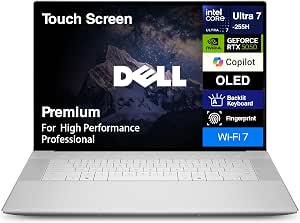 | Best Premium OLED Display | Display: 16.3-inch OLED touchscreen, 3840 × 2400, 120Hz | Processor: Intel Core Ultra 9 285H, 16 cores | Graphics: NVIDIA GeForce RTX 5060, 8GB GDDR7 | VIEW LATEST PRICE | See Our Full Breakdown |
| Dell XPS 15 9530 Laptop, 15.6-Inch FHD+ Display, Intel Core i7-13620H, 32GB DDR5 RAM, 1TB SSD, Intel Arc A370M Graphics, Windows 11 Pro |  | Best XPS 15 for Moderate Graphics Work | Processor: Intel Core i7-13620H, 10 cores, up to 4.90 GHz | Memory: 32GB DDR5 | Storage: 1TB SSD | VIEW LATEST PRICE | See Our Full Breakdown |
| Dell Premium 16 Laptop, 16.3-inch 2K, Intel Core Ultra 7 255H, 32GB RAM, 1TB SSD, NVIDIA GeForce RTX 5050 |  | Best for Dedicated Graphics | Processor: Intel Core Ultra 7 255H, 16 cores, up to 5.10 GHz | Memory: 32GB LPDDR5X, 7467MT/s | Storage: 1TB PCIe NVMe SSD | VIEW LATEST PRICE | See Our Full Breakdown |
| Dell XPS 14 Premium Laptop, 14.5-Inch 3.2K OLED Touchscreen, Intel Core Ultra 7 255H, 32GB RAM, 1TB SSD |  | Best Premium Display | Processor: Intel Core Ultra 7 255H | Memory: 32GB | Storage: 1TB SSD | VIEW LATEST PRICE | See Our Full Breakdown |
| Dell XPS 13 9350 Laptop, 13.4-inch WUXGA 120Hz Display |  | Best Compact XPS | Processor: Intel Core Ultra 7 256V, 8 cores, up to 4.8 GHz | Memory: 16GB LPDDR5X | Storage: 512GB PCIe SSD | VIEW LATEST PRICE | See Our Full Breakdown |
| Dell XPS 15 9530 Laptop, 15.6-inch FHD+ Display, Intel Core i7-13620H, 32GB RAM, 1TB SSD, Windows 11 Pro, Silver |  | Best XPS 15 for Office and Business | Processor: 13th Gen Intel Core i7-13620H, 10 cores and 16 threads, up to 4.9 GHz | Memory: 32GB DDR5, 4800MHz | Storage: 1TB PCIe NVMe M.2 SSD | VIEW LATEST PRICE | See Our Full Breakdown |
| Dell XPS 16 Premium Laptop, 16.3-Inch UHD+ Touchscreen, Intel Core Ultra 9 285H, RTX 5060, 32GB RAM, 1TB SSD |  | Best for Creative Work and Gaming | Processor: Intel Core Ultra 9 285H, 16 cores, up to 5.4 GHz | Graphics: NVIDIA GeForce RTX 5060, 8GB GDDR7 | Memory: 32GB DDR5 | VIEW LATEST PRICE | See Our Full Breakdown |
| Dell XPS 13 9350 13.4-Inch Laptop, Ultra 7 258V, 32GB RAM, 1TB SSD |  | Best Intel Ultraportable | Processor: Intel Core Ultra 7 258V, 8 cores, up to 4.8 GHz | Graphics: Integrated Intel Arc | Memory: 32GB LPDDR5X | VIEW LATEST PRICE | See Our Full Breakdown |
| Dell XPS 13 9345 Laptop, Snapdragon X Elite, 32GB RAM, 1TB SSD |  | Best Snapdragon XPS 13 | Processor: Qualcomm Snapdragon X Elite X1E-80-100, 12 cores | Graphics: Integrated Qualcomm Adreno Graphics | Memory: 32GB LPDDR5X | VIEW LATEST PRICE | See Our Full Breakdown |
| Dell XPS 13 9345 Laptop, 13.4-inch FHD+, Snapdragon X Elite, 16GB RAM, 512GB SSD |  | Best for Everyday Snapdragon Use | Processor: Snapdragon X Elite X1E-80-100, 12 cores, up to 4 GHz | NPU: Up to 45 TOPS | Memory: 16GB LPDDR5X, 8448 MT/s | VIEW LATEST PRICE | See Our Full Breakdown |
| Dell XPS 13 9350 Laptop, 13.4-inch WUXGA Display, Intel Core Ultra 7 258V, 32GB Memory, 1TB SSD |  | Best High-Refresh Intel Compact | Processor: Intel Core Ultra 7 258V, 8 cores, up to 4.8 GHz | Graphics: Intel Arc | Memory: 32GB LPDDR5x | VIEW LATEST PRICE | See Our Full Breakdown |
| Dell XPS laptop | Display | Processor | Graphics | Memory |
|---|---|---|---|---|
| Dell XPS 13 Laptop | 13.4-inch 2.5K touchscreen, 2560 × 1600, 500 nits, 120Hz | Intel Core 5 320, up to 4.6 GHz | Integrated Intel Graphics | 8GB LPDDR5x |
| Dell XPS 13 9350 Laptop | 13.4-inch WUXGA, 1920 × 1200, 30–120Hz, 500 nits | Intel Core Ultra 7 256V, 8 cores, up to 4.8 GHz | Intel Arc | 16GB LPDDR5X |
| Dell XPS 13 9345 Laptop | 13.4-inch 3K OLED touchscreen, 2880 × 1800, 60Hz, 400 nits | Snapdragon X Elite X1E-80-100, 12 cores, up to 4 GHz | Integrated Qualcomm Adreno GPU | 32GB DDR5, 8448 MT/s |
| Dell Premium 16 | 16.3-inch LED, 1920 × 1200, 120Hz, 500 nits | Intel Core Ultra 9 285H, 16 cores, up to 5.4 GHz | NVIDIA GeForce RTX 5060, 8GB GDDR7 | 32GB LPDDR5X |
| Dell Premium 16 Laptop | 16.3-inch OLED touchscreen, 3840 × 2400, 120Hz | Intel Core Ultra 9 285H, 16 cores | NVIDIA GeForce RTX 5060, 8GB GDDR7 | 32GB LPDDR5X |
| Dell XPS 15 9530 Laptop | 15.6-inch FHD+ (1920 x 1200), 60Hz, non-touch | Intel Core i7-13620H, 10 cores, up to 4.90 GHz | Intel Arc A370M, 4GB GDDR6 | 32GB DDR5 |
| Dell Premium 16 Laptop | 16.3-inch IPS, 1900 × 1200, 30–120Hz, 500 nits, non-touch | Intel Core Ultra 7 255H, 16 cores, up to 5.10 GHz | NVIDIA GeForce RTX 5050, 8GB GDDR7 | 32GB LPDDR5X, 7467MT/s |
| Dell XPS 14 Premium Laptop | 14.5-inch 3.2K OLED touchscreen, 3200 x 2000, up to 120Hz | Intel Core Ultra 7 255H | Integrated Intel Arc | 32GB |
| Dell XPS 13 9350 Laptop | 13.4-inch WUXGA LCD, 1920 × 1200, 120Hz | Intel Core Ultra 7 256V, 8 cores, up to 4.8 GHz | Integrated Intel Arc Graphics | 16GB LPDDR5X |
| Dell XPS 15 9530 Laptop | 15.6-inch FHD+ (1920 x 1200), non-touch, anti-glare IPS, 500 nits, 100% sRGB | 13th Gen Intel Core i7-13620H, 10 cores and 16 threads, up to 4.9 GHz | Integrated Intel Iris Xe | 32GB DDR5, 4800MHz |
| Dell XPS 16 Premium Laptop | 16.3-inch UHD+ touchscreen, 3840 × 2400, 400 nits, 120Hz | Intel Core Ultra 9 285H, 16 cores, up to 5.4 GHz | NVIDIA GeForce RTX 5060, 8GB GDDR7 | 32GB DDR5 |
| Dell XPS 13 9350 13.4-Inch Lap | 13.4-inch WUXGA LCD, 1920 × 1200, 120Hz, 500 nits | Intel Core Ultra 7 258V, 8 cores, up to 4.8 GHz | Integrated Intel Arc | 32GB LPDDR5X |
| Dell XPS 13 9345 Laptop | 13.4-inch 2K IPS InfinityEdge, non-touch, anti-glare, up to 500 nits | Qualcomm Snapdragon X Elite X1E-80-100, 12 cores | Integrated Qualcomm Adreno Graphics | 32GB LPDDR5X |
| Dell XPS 13 9345 Laptop | 13.4-inch FHD+ (1920 × 1200), 500 nits, anti-reflective | Snapdragon X Elite X1E-80-100, 12 cores, up to 4 GHz | Integrated Qualcomm Adreno GPU | 16GB LPDDR5X, 8448 MT/s |
| Dell XPS 13 9350 Laptop | 13.4-inch WUXGA, 1920 × 1200, 500 nits, 30–120Hz | Intel Core Ultra 7 258V, 8 cores, up to 4.8 GHz | Intel Arc | 32GB LPDDR5x |
More Details on Our Top Picks
Dell XPS 13 Laptop, 13.4-Inch 2.5K Touchscreen, Intel Core 5, 8GB RAM, 512GB SSD, Windows 11 Pro
At 2.2 pounds, this XPS 13 is the most portable choice in this group, and its 2.5K, 120Hz touchscreen offers a sharper, smoother view than the WUXGA panel on the Dell XPS 13 9350. The Intel Core 5, 512GB SSD, and Windows 11 Pro make it a practical fit for everyday work, study, and travel. Its 8GB of memory is the main limitation: it leaves less room for heavy multitasking than the 16GB XPS 13 9350, and much less than the 32GB OLED XPS 13 9345. The listing also says the computer was resealed for a system upgrade, so buyers should read the warranty terms rather than assume it is factory-sealed. Choose it for portability and screen quality, not demanding workloads.
Pros:- Light 2.2-pound design is easy to carry throughout the day
- 2.5K touchscreen combines high resolution with a 120Hz refresh rate
- Windows 11 Pro includes business and security features
- Wi-Fi 7 and USB-C ports support modern wireless and display connections
Cons:- 8GB of memory gives less headroom for multitasking than the 16GB XPS 13 9350
- Computer was resealed for a system upgrade
- Only two USB Type-C ports are listed, with no other built-in port types specified
Best for: Students and frequent travelers who want a very light Windows 11 Pro laptop for browsing, documents, video calls, and everyday tasks.
Not ideal for: People who keep many demanding apps open, edit large creative projects, or want a factory-sealed computer; 8GB of memory and the resealed condition are meaningful limitations.
- Display:13.4-inch 2.5K touchscreen, 2560 × 1600, 500 nits, 120Hz
- Processor:Intel Core 5 320, up to 4.6 GHz
- Graphics:Integrated Intel Graphics
- Memory:8GB LPDDR5x
- Storage:512GB PCIe SSD
- Operating system:Windows 11 Pro 64-bit
- Weight:2.2 lbs
- Connectivity:Wi-Fi 7, Bluetooth 6.0, two USB Type-C ports with DisplayPort and power delivery
- Condition and warranty:Resealed for a system upgrade; one-year Dell warranty on remaining components
Our verdict“Pick this XPS 13 if low carry weight and a sharp, responsive touchscreen matter more than memory headroom.”
Dell XPS 13 9350 Laptop, 13.4-Inch WUXGA Display, Intel Core Ultra 7 256V, 16GB LPDDR5X, 1TB SSD
This XPS 13 9350 is the more balanced small-laptop choice: its Core Ultra 7 processor, 16GB of memory, and 1TB SSD give it more room for multitasking and files than the 8GB, 512GB Dell XPS 13 with a 2.5K touchscreen. The 13.4-inch 1920 × 1200 display reaches 500 nits and can refresh from 30Hz to 120Hz, but it is less detailed than that model’s 2.5K panel. Intel Arc graphics and two Thunderbolt 4 ports broaden its usefulness for light creative tasks and compatible accessories. The tradeoff is a split warranty: the upgraded SSD has separate coverage from the rest of the computer, and the laptop was resealed for that upgrade. This is the stronger all-rounder when memory and storage matter more than screen resolution.
Pros:- Core Ultra 7 and 16GB memory suit heavier multitasking than the 8GB XPS 13
- 1TB SSD provides more local storage than the 512GB XPS 13 option
- Bright 30–120Hz display adapts to smooth scrolling and lower-refresh use
- Two Thunderbolt 4 ports, Wi-Fi 7, and Windows 11 Pro
Cons:- WUXGA resolution is less detailed than the 2.5K XPS 13 touchscreen
- Computer was resealed to upgrade the SSD
- Warranty is split between the upgraded SSD and remaining components
Best for: Mobile professionals who need a compact XPS for office multitasking, frequent video calls, and a larger local file library.
Not ideal for: Buyers who prioritize a higher-resolution touchscreen or want a straightforward factory-sealed purchase with a single warranty arrangement.
- Model:Dell XPS 13 9350
- Display:13.4-inch WUXGA, 1920 × 1200, 30–120Hz, 500 nits
- Processor:Intel Core Ultra 7 256V, 8 cores, up to 4.8 GHz
- Graphics:Intel Arc
- Memory:16GB LPDDR5X
- Storage:1TB SSD
- Ports:Two Thunderbolt 4 ports
- Wireless:Wi-Fi 7, Bluetooth 5.4
- Condition and warranty:Resealed for SSD upgrade; three-year warranty on upgraded SSD from Issaquah Highlands Tech and one-year Dell warranty on remaining components
Our verdict“Choose this XPS 13 9350 for a stronger mix of memory, storage, and modern ports in a compact laptop.”
Dell XPS 13 9345 Laptop, 13.4-Inch 3K OLED Touchscreen, Snapdragon X Elite, 32GB RAM, 1TB SSD
This XPS 13 9345 combines the lineup’s most vivid compact display with 32GB of memory, making it better suited to demanding multitasking than the 16GB XPS 13 9350. Its 3K OLED touchscreen gives photos, video, and dark interface elements more contrast than the WUXGA panel on that Intel model, while the Snapdragon X Elite and 1TB SSD round out a capable travel setup. The tradeoff is the screen’s 60Hz refresh rate: the 120Hz panels on the smaller XPS 13 options and 16-inch models can feel smoother during scrolling. Its 2.6-pound weight is also slightly above the 2.2-pound XPS 13 pick. Buyers should check software compatibility for their work before choosing the Snapdragon platform, and note that the SSD upgrade involved resealing the computer.
Pros:- 3K OLED touchscreen offers higher resolution and strong contrast
- 32GB of memory provides more multitasking headroom than the XPS 13 9350
- 1TB SSD and Wi-Fi 7 suit mobile work with sizable files
- Two USB4 ports support fast data, DisplayPort, and power delivery
Cons:- 60Hz display is less fluid than the 120Hz screens on other picks
- Snapdragon processor may not suit every specialist app or workflow
- Computer was resealed for an SSD upgrade, with warranty coverage split by component
Best for: Traveling creators and power users who want an OLED touchscreen, 32GB of memory, and substantial storage in a compact laptop.
Not ideal for: People who need a 120Hz display, rely on software that may not suit a Snapdragon-based Windows laptop, or prefer a factory-sealed unit.
- Display:13.4-inch 3K OLED touchscreen, 2880 × 1800, 60Hz, 400 nits
- Processor:Snapdragon X Elite X1E-80-100, 12 cores, up to 4 GHz
- NPU:Up to 45 TOPS
- Graphics:Integrated Qualcomm Adreno GPU
- Memory:32GB DDR5, 8448 MT/s
- Storage:1TB PCIe NVMe M.2 SSD
- Ports:Two USB4 Type-C ports, 40 Gbps, with DisplayPort and power delivery
- Wireless:Wi-Fi 7, Bluetooth 5.4
- Weight and warranty:2.6 lbs; three-year warranty on upgraded SSD and one-year Dell warranty on remaining components
Our verdict“Pick this XPS 13 9345 if OLED image quality and 32GB of memory matter more than a 120Hz refresh rate or Intel platform.”
Dell Premium 16 (XPS 16, 2025) Laptop, Intel Core Ultra 9 285H, 32GB RAM, 1TB SSD, NVIDIA GeForce RTX 5060, 16.3-inch 120Hz Display, Windows 11 Pro
For buyers who need discrete graphics, this 16.3-inch XPS stands apart from the ultraportable XPS 13 models: its GeForce RTX 5060 with 8GB of GDDR7 and 32GB of memory are better matched to GPU-accelerated creative work and demanding graphics workloads. The Core Ultra 9 and three Thunderbolt 4 ports add useful processing and connection capacity, while the 120Hz, 500-nit display keeps motion smooth and remains bright. Its clearest compromise is resolution: the panel is 1920 × 1200, not the 4K OLED screen on the other Dell Premium 16 in this group. That OLED alternative also adds a touchscreen and SD card reader. This model favors graphics hardware and a simpler display over pixel density, and its 16-inch-class chassis is less travel-friendly than any XPS 13.
Pros:- RTX 5060 graphics with 8GB of GDDR7 support GPU-heavy applications
- 32GB LPDDR5X memory and a 1TB SSD suit demanding projects
- Bright 120Hz display supports fluid motion
- Three Thunderbolt 4 ports provide flexible high-speed connections
Cons:- 1920 × 1200 resolution is lower than the 4K OLED Dell Premium 16
- Large 16.3-inch chassis is less convenient to carry than the XPS 13 models
- The listed display is not a touchscreen
Best for: Creative professionals and power users who need RTX graphics, 32GB of memory, and a large high-refresh display for GPU-intensive work.
Not ideal for: Frequent travelers or image-focused buyers who want a compact laptop or the sharper 4K OLED touchscreen offered by the other Dell Premium 16.
- Display:16.3-inch LED, 1920 × 1200, 120Hz, 500 nits
- Processor:Intel Core Ultra 9 285H, 16 cores, up to 5.4 GHz
- Graphics:NVIDIA GeForce RTX 5060, 8GB GDDR7
- Memory:32GB LPDDR5X
- Storage:1TB SSD
- Operating system:Windows 11 Pro
- Ports:Three Thunderbolt 4 Type-C ports with DisplayPort 2.1 and power delivery; universal audio jack
- Wireless:Wi-Fi 7, Bluetooth 5.4
- Battery:6-cell, 99Wh
Our verdict“Choose this Premium 16 when RTX 5060 performance and a large 120Hz screen take priority over 4K detail and portability.”
Dell Premium 16 Laptop, 16.3-Inch 4K OLED Touchscreen, Intel Core Ultra 9, 32GB RAM, 1TB SSD, GeForce RTX 5060, Windows 11 Pro
This Dell Premium 16 pairs the lineup’s highest-resolution listed display with an RTX 5060, giving creative users a large OLED canvas for detailed images, video, and color-focused work. Its 3840 × 2400 touchscreen runs at 120Hz, while the Core Ultra 9, 32GB of memory, and 1TB SSD match the key performance specifications of the 1920 × 1200 Premium 16. The sharper panel is the reason to choose this version; the other Premium 16 is the more straightforward pick if resolution matters less. There is a listing inconsistency to resolve before purchase: the supplied product details conflict over processor, graphics, and display descriptions, even though the detailed specs identify an Ultra 9, RTX 5060, and 4K OLED panel. It also remains a large laptop, not an XPS 13 substitute.
Pros:- 3840 × 2400 OLED touchscreen offers the greatest stated pixel detail in this group
- 120Hz refresh rate combines sharp imagery with smooth motion
- RTX 5060, 32GB memory, and 1TB SSD provide a strong listed creative-work configuration
- Three Thunderbolt 4 ports and an SD card reader support common creative peripherals
Cons:- Supplied listing details conflict about the processor, graphics, and display configuration
- 4K OLED resolution may be unnecessary for buyers focused on general office work
- 16.3-inch size is less portable than the XPS 13 choices
Best for: Photo and video creators who want a large, high-resolution OLED touchscreen alongside dedicated graphics and substantial memory.
Not ideal for: Buyers who need fully consistent listing details before purchase, want a lighter travel laptop, or would not benefit from a 4K OLED display.
- Display:16.3-inch OLED touchscreen, 3840 × 2400, 120Hz
- Processor:Intel Core Ultra 9 285H, 16 cores
- Graphics:NVIDIA GeForce RTX 5060, 8GB GDDR7
- Memory:32GB LPDDR5X
- Storage:1TB PCIe NVMe SSD
- Operating system:Windows 11 Pro
- Ports:Three Thunderbolt 4 ports, SD card reader, headphone/microphone combo jack
- Wireless:Wi-Fi 7, Bluetooth 5.4
- Battery:6-cell, 99Wh
Our verdict“Choose this Premium 16 for the listed 4K OLED touchscreen, but verify the exact configuration because the product details conflict.”
Dell XPS 15 9530 Laptop, 15.6-Inch FHD+ Display, Intel Core i7-13620H, 32GB DDR5 RAM, 1TB SSD, Intel Arc A370M Graphics, Windows 11 Pro
I’d choose this XPS 15 when a buyer wants more graphics headroom than integrated graphics provide without moving to the larger Dell Premium 16. Its Intel Arc A370M and 32GB of DDR5 memory suit light creative workloads and multitasking, while the 1TB SSD leaves room for projects. The 15.6-inch 16:10 FHD+ screen gives useful vertical workspace, but it lacks touch and runs at 60Hz, so it is less polished for animation and touch-led work than the Dell XPS 14 Premium OLED. At 4.21 pounds, it is also a substantial carry. I’d favor it over the Iris Xe XPS 15 for graphics tasks, but skip it for demanding 3D work, where a stronger dedicated GPU is a better fit.
Pros:- Intel Core i7-13620H and 32GB DDR5 memory support demanding multitasking.
- Intel Arc A370M offers more graphics capability than the Iris Xe configuration.
- 1TB SSD provides space for work files and media.
- Thunderbolt 4 ports and an SD card reader support flexible peripherals and card imports.
Cons:- The 60Hz, non-touch FHD+ display is less vivid and interactive than the XPS 14 Premium OLED.
- At 4.21 pounds, it is heavy for regular commuting.
- The 720p webcam is modest for frequent video calls.
Best for: XPS buyers who need 32GB of memory, a roomy 1TB drive, and entry-level dedicated graphics for light creative work.
Not ideal for: Frequent travelers who prioritize a light laptop, or creators who need a high-refresh touchscreen or stronger GPU performance.
- Processor:Intel Core i7-13620H, 10 cores, up to 4.90 GHz
- Memory:32GB DDR5
- Storage:1TB SSD
- Graphics:Intel Arc A370M, 4GB GDDR6
- Display:15.6-inch FHD+ (1920 x 1200), 60Hz, non-touch
- Operating system:Windows 11 Pro
- Ports:1 USB-C 3.2 Gen 2, 2 Thunderbolt 4, SD card reader, 3.5mm headset jack
- Weight:4.21 lbs
Our verdict“Choose this XPS 15 for moderate graphics work and ample memory, but not for demanding GPU workloads or frequent travel.”
Dell Premium 16 Laptop, 16.3-inch 2K, Intel Core Ultra 7 255H, 32GB RAM, 1TB SSD, NVIDIA GeForce RTX 5050
Among these five, this is the clearest pick for buyers who want a dedicated GPU in a current large-screen Dell. Its GeForce RTX 5050 with 8GB GDDR7 gives it a stronger starting point for GPU-accelerated creative tasks than either XPS 15 9530 configuration, while 32GB of LPDDR5X memory and a 1TB SSD suit heavy multitasking. The 16.3-inch screen reaches 120Hz, making scrolling and motion look smoother than on the 60Hz XPS 15, though the 1900 × 1200 IPS panel is not the high-resolution OLED option offered by the XPS 14 Premium. It is also larger than the 13-inch XPS 13 9350. I’d pick it for graphics capability and screen space, not for compact portability or touch use.
Pros:- RTX 5050 graphics with 8GB GDDR7 provide dedicated GPU capability.
- 32GB LPDDR5X memory and a 1TB SSD support substantial multitasking and file storage.
- 16.3-inch 30–120Hz display combines generous workspace with smoother motion.
- Three Thunderbolt 4 ports, Wi-Fi 7, and a 1080p webcam offer modern connectivity and video calling.
Cons:- The 1900 × 1200 IPS screen is less detailed than the 3.2K OLED display on the XPS 14 Premium.
- Its 16.3-inch size is less convenient to carry than the 13.4-inch XPS 13 9350.
- The display is non-touch.
Best for: Creative professionals and power users who want a large display, dedicated RTX graphics, and 32GB memory in a Dell laptop.
Not ideal for: Buyers seeking a compact carry, a touchscreen, or a higher-resolution OLED panel.
- Processor:Intel Core Ultra 7 255H, 16 cores, up to 5.10 GHz
- Memory:32GB LPDDR5X, 7467MT/s
- Storage:1TB PCIe NVMe SSD
- Graphics:NVIDIA GeForce RTX 5050, 8GB GDDR7
- Display:16.3-inch IPS, 1900 × 1200, 30–120Hz, 500 nits, non-touch
- Operating system:Windows 11 Home
- Battery:99.5Wh lithium-ion
- Ports:3 Thunderbolt 4 Type-C ports with DisplayPort 2.1 and Power Delivery; universal audio jack
Our verdict“Pick the Dell Premium 16 if dedicated RTX graphics and a large high-refresh display matter more than compact size or OLED resolution.”
Dell XPS 14 Premium Laptop, 14.5-Inch 3.2K OLED Touchscreen, Intel Core Ultra 7 255H, 32GB RAM, 1TB SSD
This XPS 14 is the display-first choice: its 3.2K OLED touchscreen and refresh rate up to 120Hz offer richer contrast and more detail than the FHD+ XPS 15 9530 panels. The 14.5-inch convertible design also gives it a more flexible role than the conventional XPS 13 9350, while its 3.8-pound weight remains easier to carry than the 16.3-inch Dell Premium 16. With 32GB of memory and a 1TB SSD, it has room for demanding everyday workloads, but its integrated Intel Arc graphics are not the right match for buyers who need the RTX 5050 in the Premium 16. The listed 400-nit maximum brightness may also be limiting in bright spaces. I’d choose it for display quality and touch flexibility, not GPU-heavy work.
Pros:- 3.2K OLED touchscreen delivers higher resolution and contrast than the FHD+ XPS 15 displays.
- Refresh rate up to 120Hz makes scrolling and supported motion appear smoother.
- 32GB memory and a 1TB SSD provide room for multitasking and files.
- Convertible design, Wi-Fi 7, and two Thunderbolt 4 ports add flexibility.
Cons:- Integrated Intel Arc graphics are less suited to demanding GPU work than the RTX 5050 in the Dell Premium 16.
- The listed 400-nit maximum brightness may be limiting in bright environments.
- At 3.8 pounds, it is heavier than the 2.7-pound XPS 13 9350.
Best for: Mobile professionals and media-focused buyers who value a high-resolution OLED touchscreen and convertible flexibility.
Not ideal for: 3D artists, gamers, and other buyers who need dedicated graphics, or people who often work in very bright environments.
- Processor:Intel Core Ultra 7 255H
- Memory:32GB
- Storage:1TB SSD
- Graphics:Integrated Intel Arc
- Display:14.5-inch 3.2K OLED touchscreen, 3200 x 2000, up to 120Hz
- Form factor:Convertible
- Operating system:Windows 11 Home
- Weight:3.8 lbs
Our verdict“Choose this XPS 14 for a premium OLED touchscreen and convertible use, not for dedicated-GPU performance or the lightest carry.”
Dell XPS 13 9350 Laptop, 13.4-inch WUXGA 120Hz Display
For buyers who carry a laptop all day, the 2.7-pound XPS 13 9350 is the most portable option in this group. Its 13.4-inch WUXGA screen keeps the familiar 16:10 workspace, and 120Hz refresh makes movement feel smoother than on the 60Hz XPS 15 9530. The tradeoff is a smaller canvas and 16GB of onboard memory, which leaves less headroom than the 32GB configurations in the XPS 14 Premium and Dell Premium 16. Its 512GB SSD is also half the capacity of those models. Wi-Fi 7 and two Thunderbolt 4 ports keep connectivity current, but integrated graphics limit GPU-heavy projects. I’d select this model for portability and everyday productivity, not as a compact workstation for intensive creative workloads.
Pros:- At 2.7 pounds, it is substantially lighter than either XPS 15 9530.
- 13.4-inch WUXGA display with a 120Hz refresh rate suits portable productivity.
- Wi-Fi 7 and two Thunderbolt 4 ports provide current wireless and wired connectivity.
- 1080p RGB webcam is a step up from the 720p cameras on the XPS 15 options.
Cons:- 16GB of onboard memory cannot be expanded.
- 512GB storage is less than the 1TB drives in the XPS 14 Premium and Dell Premium 16.
- Integrated graphics are not a substitute for the dedicated RTX 5050 in the Dell Premium 16.
Best for: Students, consultants, and frequent travelers who want a light XPS for office work, browsing, and video calls.
Not ideal for: Power users who need more than 16GB of memory, substantial local storage, or dedicated graphics for demanding creative work.
- Processor:Intel Core Ultra 7 256V, 8 cores, up to 4.8 GHz
- Memory:16GB LPDDR5X
- Storage:512GB PCIe SSD
- Graphics:Integrated Intel Arc Graphics
- Display:13.4-inch WUXGA LCD, 1920 × 1200, 120Hz
- Operating system:Windows 11 Pro 64-bit
- Wireless:Wi-Fi 7 and Bluetooth 5.4
- Weight:2.7 lbs
Our verdict“Choose this XPS 13 for a light, capable everyday laptop, but look to a 32GB model for heavier workloads and longer-term memory headroom.”
Dell XPS 15 9530 Laptop, 15.6-inch FHD+ Display, Intel Core i7-13620H, 32GB RAM, 1TB SSD, Windows 11 Pro, Silver
This XPS 15 is a straightforward business-oriented configuration: 32GB DDR5 memory, a 1TB SSD, Windows 11 Pro, and a bright anti-glare screen make it well suited to office workloads and multitasking. Its 500-nit FHD+ panel covers 100% sRGB, giving it a useful color advantage over an ordinary basic display, though it remains 60Hz and non-touch. Unlike the other XPS 15 in this batch, this version uses integrated Intel Iris Xe graphics rather than Arc A370M, so I’d favor the other configuration for graphics-focused work. Compared with the XPS 13 9350, it offers a larger workspace and more memory, but weighs 1.51 pounds more. The listing also notes upgraded memory and storage with a resealed computer, which buyers should factor into their purchase decision.
Pros:- 32GB DDR5 memory and a 1TB NVMe SSD support multitasking and local file storage.
- 500-nit FHD+ anti-glare display with 100% sRGB coverage suits office work and color-conscious everyday use.
- Windows 11 Pro, fingerprint reader, and facial recognition support a business-focused setup.
- Thunderbolt 4 and an SD card reader offer useful connectivity.
Cons:- Integrated Iris Xe graphics are less capable for GPU-heavy work than the Arc A370M version of the XPS 15.
- The screen is non-touch and limited to 60Hz.
- The listing states that memory and SSD upgrades mean the computer has been resealed.
Best for: Business users who want Windows 11 Pro, a bright 16:10 screen, and ample memory for office multitasking.
Not ideal for: Buyers who need dedicated graphics, a touchscreen, or a lightweight laptop; also less appealing to those who prefer an unresealed configuration.
- Processor:13th Gen Intel Core i7-13620H, 10 cores and 16 threads, up to 4.9 GHz
- Memory:32GB DDR5, 4800MHz
- Storage:1TB PCIe NVMe M.2 SSD
- Graphics:Integrated Intel Iris Xe
- Display:15.6-inch FHD+ (1920 x 1200), non-touch, anti-glare IPS, 500 nits, 100% sRGB
- Operating system:Windows 11 Pro 64-bit
- Ports:2 Thunderbolt 4/USB4, USB 3.2 Gen 2 Type-C, headphone/microphone combo jack, SD card reader
- Weight:4.21 lbs
Our verdict“Choose this XPS 15 for business productivity and a bright anti-glare display, but pick the Arc A370M version for greater graphics capability.”
Dell XPS 16 Premium Laptop, 16.3-Inch UHD+ Touchscreen, Intel Core Ultra 9 285H, RTX 5060, 32GB RAM, 1TB SSD
This XPS 16 is the strongest fit here for buyers who need more than an ultraportable: its Core Ultra 9 processor and RTX 5060 graphics are better suited to demanding creative workloads and gaming than the integrated graphics in the XPS 13 9350 or XPS 13 9345. The 16.3-inch UHD+ touchscreen adds a detailed, spacious workspace, while its 120Hz refresh rate keeps movement looking smooth. Thirty-two gigabytes of memory, a 1TB SSD, and three Thunderbolt 4 ports round out a capable workstation-style setup. The tradeoff is portability: at 4.7 pounds, it is substantially heavier than the XPS 13 models. This unit was also resealed for a system upgrade, so its condition and warranty details deserve attention before purchase.
Pros:- RTX 5060 discrete graphics suit demanding visual work and gaming better than the integrated graphics in the XPS 13 models here.
- 16.3-inch UHD+ touchscreen offers a large, detailed workspace with a 120Hz refresh rate.
- 32GB DDR5 memory and a 1TB SSD provide room for multitasking and large files.
- Three Thunderbolt 4 ports, Wi-Fi 7, and a microSD card reader support a versatile desk setup.
Cons:- At 4.7 pounds, it is the least travel-friendly choice among these featured laptops.
- The computer was resealed for a system upgrade, which buyers should weigh against their condition preferences.
- The one-year Dell warranty applies to remaining components, so warranty coverage should be checked carefully.
Best for: Creative professionals and gamers who want dedicated graphics, a high-resolution large touchscreen, and substantial memory in an XPS.
Not ideal for: Frequent travelers or buyers seeking a light everyday laptop; the 4.7-pound chassis is much less portable than the XPS 13 options.
- Processor:Intel Core Ultra 9 285H, 16 cores, up to 5.4 GHz
- Graphics:NVIDIA GeForce RTX 5060, 8GB GDDR7
- Memory:32GB DDR5
- Storage:1TB PCIe SSD
- Display:16.3-inch UHD+ touchscreen, 3840 × 2400, 400 nits, 120Hz
- Operating system:Windows 11 Pro 64-bit
- Connectivity:3 × Thunderbolt 4, microSD card reader, Wi-Fi 7, Bluetooth 5.4
- Weight:4.7 pounds
- Warranty:One year from Dell on remaining components
Our verdict“Choose this XPS 16 if graphics power and a large UHD+ touchscreen matter more than carrying weight or an untouched factory seal.”
Dell XPS 13 9350 13.4-Inch Laptop, Ultra 7 258V, 32GB RAM, 1TB SSD
This XPS 13 9350 is a strong everyday pick for buyers who want a compact Intel laptop without stepping down to modest memory or storage. Its 32GB of LPDDR5X memory and 1TB SSD give it more headroom for heavy browser use, office applications, and large local files than the 16GB XPS 13 9345 configuration. The bright 500-nit WUXGA screen runs at 120Hz, making scrolling feel fluid while remaining a lower-resolution, non-touch panel than the XPS 13 9345’s 2K display. At 2.7 pounds, it is easy to carry, and Wi-Fi 7 plus two Thunderbolt 4 ports keep the compact design practical. Integrated Intel Arc graphics are the main limit: demanding gaming and GPU-heavy work favor the XPS 16 instead.
Pros:- 32GB memory and 1TB storage offer ample capacity for multitasking and local projects.
- Bright 500-nit, 120Hz screen is well suited to varied lighting and smooth everyday navigation.
- At 2.7 pounds, the compact chassis is easier to carry than the XPS 16.
- Wi-Fi 7 and two Thunderbolt 4 ports support modern wireless and wired setups.
Cons:- Integrated Intel Arc graphics are less suited to demanding graphics work than the XPS 16’s RTX 5060.
- The 1920 × 1200 display is less detailed than the 2K panel listed for the XPS 13 9345.
- Memory is onboard, limiting future memory upgrades.
Best for: Students, consultants, and mobile office workers who want an Intel-based 13-inch laptop with generous memory and storage.
Not ideal for: Video editors, 3D creators, or gamers who rely on powerful discrete graphics, or buyers who want a touch or higher-resolution display.
- Processor:Intel Core Ultra 7 258V, 8 cores, up to 4.8 GHz
- Graphics:Integrated Intel Arc
- Memory:32GB LPDDR5X
- Storage:1TB PCIe SSD
- Display:13.4-inch WUXGA LCD, 1920 × 1200, 120Hz, 500 nits
- Operating system:Windows 11 Pro 64-bit
- Connectivity:2 × Thunderbolt 4, Wi-Fi 7, Bluetooth 5.4
- Battery:55Wh, 3-cell
- Weight:2.7 pounds
Our verdict“Pick this XPS 13 for portable Intel performance and plentiful memory, but choose the XPS 16 for graphics-heavy work or a larger, sharper screen.”
Dell XPS 13 9345 Laptop, Snapdragon X Elite, 32GB RAM, 1TB SSD
The XPS 13 9345 pairs a 12-core Snapdragon X Elite with 32GB of memory, making it the Qualcomm-based choice for buyers who regularly keep many apps and browser tabs open. Its 13.4-inch anti-glare display offers a 30–120Hz refresh range and up to 500 nits of brightness, while the non-touch finish suits people who prefer a conventional laptop screen. Compared with the Intel XPS 13 9350, this model uses Qualcomm Adreno graphics and two USB4 ports rather than Intel Arc graphics and Thunderbolt 4; buyers should select based on their software and peripheral needs, not assume the platforms are interchangeable. It is compact and includes Wi-Fi 7, but the display is not touch-enabled, and some weight and battery figures apply only to an FHD+ configuration.
Pros:- 12-core Snapdragon X Elite and 32GB memory are suited to multitasking and productivity.
- Anti-glare display supports variable 30–120Hz refresh and up to 500 nits brightness.
- Wi-Fi 7 and two USB4 ports provide current wireless and wired connectivity.
- Fingerprint reader and 1080p webcam support convenient sign-in and video calls.
Cons:- The display is non-touch, unlike the UHD+ touchscreen on the XPS 16.
- Integrated Adreno graphics are not a substitute for the XPS 16’s discrete RTX 5060.
- Some listed weight, dimensions, and battery-life figures are specifically for the FHD+ configuration.
Best for: Mobile professionals who want a Snapdragon-based XPS with 32GB memory, 1TB storage, and a matte, high-refresh display.
Not ideal for: Buyers who need a touchscreen, depend on Intel-specific software or peripherals, or need verified configuration-specific battery and weight figures.
- Processor:Qualcomm Snapdragon X Elite X1E-80-100, 12 cores
- Graphics:Integrated Qualcomm Adreno Graphics
- Memory:32GB LPDDR5X
- Storage:1TB SSD
- Display:13.4-inch 2K IPS InfinityEdge, non-touch, anti-glare, up to 500 nits
- Refresh rate:30–120Hz
- Operating system:Windows 11 Pro
- Connectivity:Wi-Fi 7, Bluetooth 5.4, 2 × USB4 Type-C
- NPU performance:Up to 45 TOPS
Our verdict“Choose this XPS 13 if you want a Snapdragon platform with 32GB memory and a matte high-refresh screen, and do not need touch or discrete graphics.”
Dell XPS 13 9345 Laptop, 13.4-inch FHD+, Snapdragon X Elite, 16GB RAM, 512GB SSD
This configuration makes the XPS 13 9345’s Snapdragon platform more accessible to buyers whose workload is mainly documents, video calls, and web browsing. The 12-core Snapdragon X Elite, 16GB of memory, and 512GB SSD provide a capable foundation, while the 13.4-inch FHD+ anti-reflective screen reaches 500 nits. Compared with the 32GB, 1TB XPS 13 9345 in this roundup, it gives up memory and storage capacity; the Intel XPS 13 9350 is a closer alternative for those who want 32GB and 1TB without the Snapdragon platform. This model remains a light 2.6-pound option with Wi-Fi 7, USB4, a backlit keyboard, and fingerprint reader. Its resealed SSD upgrade and split warranty need scrutiny before buying.
Pros:- Snapdragon X Elite processor and 16GB LPDDR5X memory support routine productivity multitasking.
- 500-nit anti-reflective FHD+ display is suited to bright work areas.
- At 2.6 pounds, it is lighter than the listed Intel XPS 13 9350.
- Wi-Fi 7, two USB4 ports, a backlit keyboard, and fingerprint reader cover useful daily needs.
Cons:- 16GB memory and 512GB storage provide less headroom than the 32GB, 1TB XPS 13 9345.
- The laptop was resealed for an SSD upgrade, with warranty coverage split between the seller and Dell.
- Integrated Adreno graphics are less capable for demanding graphics work than the XPS 16’s RTX 5060.
Best for: Everyday laptop buyers who want a lightweight Snapdragon XPS for office tasks, browsing, and calls, and can work within 16GB memory and 512GB storage.
Not ideal for: Users with large media libraries, memory-intensive workloads, or a preference for an untouched factory-sealed laptop; the higher-capacity XPS 13 configurations are a better fit.
- Processor:Snapdragon X Elite X1E-80-100, 12 cores, up to 4 GHz
- NPU:Up to 45 TOPS
- Memory:16GB LPDDR5X, 8448 MT/s
- Storage:512GB PCIe NVMe M.2 SSD
- Display:13.4-inch FHD+ (1920 × 1200), 500 nits, anti-reflective
- Graphics:Integrated Qualcomm Adreno GPU
- Operating system:Windows 11 Pro 64-bit
- Connectivity:Wi-Fi 7, Bluetooth 5.4, 2 × USB4 Type-C
- Warranty:Three years on upgraded SSD from seller; one year from Dell on remaining components
Our verdict“Choose this XPS 13 for lightweight everyday Snapdragon computing if 16GB memory and 512GB storage are enough and the resealed condition suits you.”
Dell XPS 13 9350 Laptop, 13.4-inch WUXGA Display, Intel Core Ultra 7 258V, 32GB Memory, 1TB SSD
This XPS 13 9350 is a compact Intel option for buyers who want 32GB memory and 1TB storage alongside a smooth, bright display. Its 13.4-inch WUXGA panel supports 30–120Hz refresh and reaches 500 nits, giving it more flexibility than a fixed-refresh screen, though it is not as detailed as the 2K panel listed for the Snapdragon XPS 13 9345. The Core Ultra 7 258V and Intel Arc graphics make it a sensible productivity machine, but it cannot match the XPS 16’s discrete RTX 5060 for graphics-heavy work. This listing states that the laptop was resealed for an SSD upgrade, and its three-year SSD warranty is separate from Dell’s one-year coverage for remaining components. The listed battery-life figure is a claim, not a guarantee.
Pros:- 32GB LPDDR5x memory and a 1TB PCIe SSD provide substantial capacity for a compact laptop.
- 500-nit WUXGA display supports a variable 30–120Hz refresh rate.
- Two Thunderbolt 4 ports and Wi-Fi 7 support modern connectivity.
- 1080p webcam and Windows 11 Pro suit mobile work and video meetings.
Cons:- Resealed for an SSD upgrade, with separate warranty providers for the drive and remaining components.
- Integrated Intel Arc graphics fall short of the XPS 16’s discrete RTX 5060 for demanding graphics tasks.
- The listed battery-life figure is a seller claim.
Best for: Intel-focused mobile professionals who want 32GB memory, 1TB storage, and a bright variable-refresh display in a compact XPS.
Not ideal for: Buyers who want a factory-sealed laptop, need discrete graphics, or require a single unified warranty and independently verified battery-life figures.
- Processor:Intel Core Ultra 7 258V, 8 cores, up to 4.8 GHz
- Graphics:Intel Arc
- Memory:32GB LPDDR5x
- Storage:1TB PCIe SSD
- Display:13.4-inch WUXGA, 1920 × 1200, 500 nits, 30–120Hz
- Operating system:Windows 11 Pro 64-bit
- Ports:2 × Thunderbolt 4
- Wireless:Wi-Fi 7, Bluetooth 5.4
- Warranty:Three years on upgraded SSD from seller; one year on remaining components from Dell
Our verdict“Pick this XPS 13 for a compact Intel setup with 32GB memory and a bright variable-refresh screen, provided the resealed condition and split warranty work for you.”

How We Picked
I ranked these Dell XPS laptops by how well each listed configuration fits a clear buyer need: everyday productivity, portable work, vivid-screen use, or graphics-heavy tasks. I weighed processor and graphics capability alongside memory and storage, then considered how the screen size and resolution affect usability and portability. A strong configuration ranks higher when its specifications support a broad range of work without forcing buyers into a large system or a costly graphics tier they may not need.
The ranking also reflects tradeoffs within this specific lineup. I favor the XPS 13 9350 configuration with 32GB RAM and a 1TB SSD over the 8GB model for a longer runway with multitasking, while the OLED XPS 14 earns its place for buyers who value display quality in a middle-sized system. The XPS 16 RTX 5060 models lead for graphics capability, but do not outrank the more portable options for general use. Where duplicate or near-duplicate listings differ only by stated configuration, I treat those differences as buying checks, not separate reasons to assume better performance.
| Dell XPS laptop | Operating system |
|---|---|
| Dell XPS 13 Laptop | Windows 11 Pro 64-bit |
| Dell XPS 13 9350 Laptop | — |
| Dell XPS 13 9345 Laptop | — |
| Dell Premium 16 | Windows 11 Pro |
| Dell Premium 16 Laptop | Windows 11 Pro |
| Dell XPS 15 9530 Laptop | Windows 11 Pro |
| Dell Premium 16 Laptop | Windows 11 Home |
| Dell XPS 14 Premium Laptop | Windows 11 Home |
| Dell XPS 13 9350 Laptop | Windows 11 Pro 64-bit |
| Dell XPS 15 9530 Laptop | Windows 11 Pro 64-bit |
| Dell XPS 16 Premium Laptop | Windows 11 Pro 64-bit |
| Dell XPS 13 9350 13.4-Inch Lap | Windows 11 Pro 64-bit |
| Dell XPS 13 9345 Laptop | Windows 11 Pro |
| Dell XPS 13 9345 Laptop | Windows 11 Pro 64-bit |
| Dell XPS 13 9350 Laptop | Windows 11 Pro 64-bit |
Factors to Consider When Choosing Best Dell XPS Laptops
Choosing among these XPS listings is less about finding one universally superior laptop and more about matching the configuration to your daily workload. I would settle the questions of portability, screen, software compatibility, and memory before choosing between similarly named models.
Choose screen size around your actual travel routine
An XPS 13 is the natural starting point if the laptop will move between meetings, classrooms, and travel days. The XPS 14 gives you more screen area without moving to the 16-inch class, while the XPS 16 makes more sense when the display will be your main workspace. A larger panel can reduce the need for an external monitor, but it also makes a laptop less convenient to carry and use in cramped spaces. Think about where you work most often, not only how large a screen looks on a specification sheet. If you regularly dock at a desk, portability may matter less than it would for someone who works on the go every day.
Treat display resolution and OLED as separate decisions
A higher-resolution screen can make text and images look more detailed, but it does not automatically improve every task. WUXGA or FHD+ can be a practical fit for documents, web work, and general productivity, while 3K, UHD+, or 4K OLED options appeal to buyers who value fine detail, rich contrast, or touch input. The higher-resolution listings in this roundup are paired with particular system configurations, so compare the complete laptop rather than assuming the panel can be upgraded later. If your work mostly involves writing and spreadsheets, the added display detail may matter less than memory or portability. For image-focused work, check the precise display specification and your software needs before choosing.
Match processor platform to the software you depend on
The XPS 13 choices span Intel Core Ultra and Snapdragon X Elite systems, so the processor brand is more than a spec-sheet distinction. Snapdragon can be a good match for common productivity workflows, but buyers relying on specialized applications, peripherals, or older software should verify that their setup works on the intended Windows-on-Arm configuration. Intel models are the safer comparison point when software compatibility is a priority or when the buyer cannot easily change their workflow. Do not select by processor name alone: memory, graphics, and the exact model configuration still shape the experience. For a work-critical laptop, confirm compatibility with the applications you use every week before placing an order.
Buy enough memory for the way you multitask
The listed XPS 13 configurations range from 8GB to 32GB of RAM, while many of the larger models come with 32GB. Buyers who keep many browser tabs open, work with large files, or run several demanding applications at once should give memory serious weight. An 8GB configuration may suit lighter everyday tasks, but it leaves less room for heavier workloads and changing needs over time. Storage and memory solve different problems: a 1TB SSD holds more files, while extra RAM helps active programs run together. When two listings appear nearly identical, check both figures and confirm the exact configuration rather than inferring details from the model number.
Pay for discrete graphics only when your workload benefits
The RTX 5050 and RTX 5060 XPS 16 configurations serve a different purpose from the integrated-graphics XPS 13 and XPS 14 choices. Discrete graphics can make the larger models more suitable for graphics-intensive creative work and other GPU-dependent tasks. For browsing, office documents, video calls, and general productivity, a dedicated GPU may add capability you rarely use. Also weigh the size of the 16-inch chassis against the benefit of that graphics hardware; it is a less compact choice than the XPS 13. Choose the GPU around named applications and tasks, not simply because a higher-tier component sounds more future-proof.
Verify the exact listing before comparing near-identical models
This roundup includes repeated XPS 13 9350 and 9345 names, along with multiple XPS 16 listings, but their stated configurations are not all the same. Check the processor, screen resolution, memory, storage, and operating system on the particular listing you plan to buy. A shared model family does not mean two configurations offer the same screen or performance. Pay particular attention when one listing omits a detail that appears on another; do not treat an unstated specification as confirmed. This simple check can prevent choosing a model based on the wrong panel, memory amount, or graphics configuration.
Frequently Asked Questions
Which Dell XPS configuration is the safest choice for everyday work?
For a broad mix of documents, web work, calls, and multitasking, I would start with the XPS 13 9350 configuration listing Core Ultra 7 258V, 32GB of RAM, and a 1TB SSD. It keeps the compact XPS 13 format while offering more memory than the listed 8GB option. If your work depends on specialist Windows programs, check compatibility before choosing a Snapdragon X Elite model instead. Buyers who want a larger working area can compare the XPS 14 or XPS 16, accepting the added size. Confirm the exact configuration on the listing, since several model names recur with different specifications.
Should I choose a Snapdragon X Elite XPS 13 or an Intel XPS 13?
Choose based on the software and peripherals you use, not on processor branding alone. Snapdragon X Elite models provide an alternative to the Intel XPS 13 configurations, but some specialist or older Windows applications may not behave the same way on every platform. If your workflow depends on a particular program, device driver, or accessory, check compatibility with the exact model before buying. Intel is the more straightforward comparison when you want to reduce uncertainty around a Windows software setup. For routine web and office work, either platform may fit, but the right answer depends on your own app list.
Is an OLED XPS worth choosing over a WUXGA or FHD+ model?
OLED makes the most sense if you value a vivid screen, strong contrast, touch input where included, or a display for image-focused work. The XPS 14 offers a 3.2K OLED touchscreen, while the listed XPS 16 options include 4K OLED or UHD+ touch configurations. A WUXGA or FHD+ screen can be a sensible choice for writing, browsing, and office tasks where display detail is not the main priority. Compare the whole configuration as well: panel type is only one part of the decision, alongside memory, graphics, and portability. Check the exact listing, because a model family may include more than one display option.
Do I need an XPS 16 with an RTX GPU for creative work?
Not every creative workload needs a discrete GPU, so start with the applications and tasks you actually use. An RTX 5050 or RTX 5060 XPS 16 is a stronger fit when your work benefits from GPU acceleration or you want a system configured for graphics-heavy tasks. For writing, general productivity, or lighter creative use, an XPS 13 or XPS 14 may be easier to carry and may already fit your needs. The XPS 16 also brings a larger chassis, so the added graphics capability comes with a portability tradeoff. Check whether your editing or design software uses the GPU before paying for that capability.
Is 8GB of RAM enough in an XPS 13, or should I choose 16GB or 32GB?
Eight gigabytes may be adequate for light browsing, email, and a small number of everyday applications, but it leaves less room for heavy multitasking. The 16GB and 32GB configurations in this roundup are better starting points for buyers who keep many tabs open, handle large files, or want more headroom for changing workloads. Memory is separate from SSD capacity: more storage will not compensate for limited RAM when several programs are active. If you expect to keep the laptop for years or cannot easily replace it, favor the higher-memory configuration that fits your needs. Check the exact listing because similarly named XPS 13 models have different memory amounts.
Conclusion
Best overall: I would choose the XPS 13 9350 with Core Ultra 7 258V, 32GB RAM, and 1TB SSD for a capable, compact everyday laptop. Best value for lighter workloads: the XPS 13 9350 WUXGA configuration is a sensible direction if you want a basic portable system, but verify its memory and storage before choosing it. Best premium: the XPS 16 with Core Ultra 9 and RTX 5060 suits buyers who want a larger screen and discrete graphics, with the 4K OLED listing appealing to those who prioritize display detail. Best for beginners: an Intel XPS 13 with a WUXGA screen is an approachable fit for common school and office tasks; I would favor a configuration with more than 8GB RAM when available. Best for specific needs: choose the XPS 14 OLED for a vivid middle-size screen, a Snapdragon X Elite XPS 13 for a compatible everyday workflow, or an RTX 5050/5060 XPS 16 for GPU-heavy work. Compare the precise listing details before deciding, since several entries share model names but differ in important specifications.
Halloween Picks
halloween
As an affiliate, we earn on qualifying purchases.