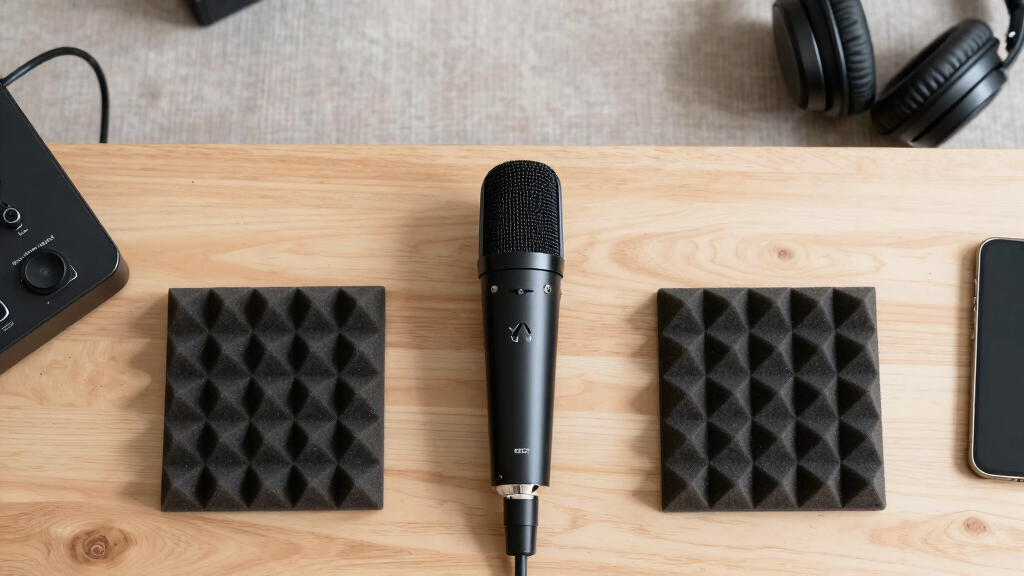

Choosing the best XLR microphones for untreated rooms involves balancing sound quality with room acoustics that haven’t been treated. Dynamic microphones generally perform better in challenging environments by rejecting unwanted noise, while condenser mics can capture more detail but may pick up room reflections. The Shure SM7B remains a favorite for its ability to handle untreated spaces, thanks to its cardioid pattern and built-in noise rejection. The FIFINE Dynamic Microphone offers a budget-friendly, versatile solution for podcasters and streamers alike. However, tradeoffs often include less natural room sound and potential need for additional acoustic treatment. Keep reading for a detailed breakdown of the best options for your needs in 2026.
Key Takeaways
- Dynamic microphones tend to perform better in untreated rooms by minimizing room noise and reflections.
- The Shure SM7B consistently ranks highly for its ability to handle challenging acoustics without additional treatment.
- Budget options like FIFINE can deliver surprisingly good results but may lack some of the premium features of higher-end mics.
- Condenser microphones excel in capturing detail but often require acoustic treatment or proximity to reduce room noise.
- Choosing the right microphone depends on your environment, budget, and intended use—there’s no one-size-fits-all solution.




More Details on Our Top Picks
FIFINE Dynamic Microphone, XLR/USB Podcast Recording PC Microphone for Vocal Voice-Over Streaming, Studio Metal Mic with Mute, Headphone Jack, Monitoring Volume Control, Windscreen-Amplitank K688
This FIFINE K688 stands out for combining versatile connectivity with solid build quality, making it an excellent choice for those recording in untreated environments. Its directional cardioid pattern effectively minimizes background noise, which is crucial for untreated rooms filled with echo and ambient noise. Compared to the Shure SM58, the K688 offers dual USB and XLR outputs, providing quick setup for beginners and room for expansion for professionals. However, the built-in shock mount and windscreen help dampen desk vibrations and plosives, but its requirement for close proximity still makes background noise a challenge if not paired with a good acoustic treatment. The long USB-C cable adds flexibility, and monitoring via 3.5mm jack enhances control during recording. Overall, this pick makes the most sense for content creators needing flexibility and noise rejection without room treatment.
Pros:- Effective background noise reduction with cardioid pattern
- Dual USB and XLR output for flexible recording options
- Durable metal build with included shock mount
- Long USB-C cable for versatile setup
Cons:- Requires close proximity to the mic for best results
- Limited internal noise damping—background noise may still be an issue in very untreated rooms
- USB functions only for direct recording, XLR needs additional interface
Best for: Small home studio owners and podcasters who need decent noise control without acoustic treatment.
Not ideal for: Voice-over artists requiring ultra-quiet environments or those needing to record in highly echoing spaces.
- Connectivity Technology:USB, XLR
- Polar Pattern:Cardioid
- Impedance:16 Ohms
- Frequency Response:50Hz-16KHz
- Signal-to-Noise Ratio:80 dB
- Power Source:USB, External XLR interface
- Built-In Media:Windscreen, Shock mount
- Item Dimensions:4.65 x 6.18 x 8.86 inches
- Weight:0.51 Kilograms
Bottom line: This microphone is the best choice for creators in untreated rooms seeking flexible input options and background noise control.
TZ Stellar X2 Large Diaphragm Cardioid Condenser XLR Microphone
The TZ Stellar X2 offers a carefully tuned, smooth frequency response designed to sit well in untreated spaces where room acoustics are poor. Its high-grade brass capsule and Japanese imported mylar provide sensitivity and subtle detail, making it ideal for vocals and instruments without harshness. Compared to the Shure SM58, the X2’s condenser design captures more nuance, but it’s more sensitive to room reflections, so it benefits from some basic acoustic treatment or placement in a less reflective corner. Its low noise circuit (less than 13dBA) and solid iron body ensure durability while maintaining a neutral tone that won’t accentuate room echo. Perfect for podcasters or home studios looking for a natural sound without elaborate soundproofing.
Pros:- Neutral, smooth frequency response
- High-sensitivity capsule with subtle detail reproduction
- Low self-noise circuit for clean recordings
- Durable metal body with protective grill
Cons:- More sensitive to room reflections than dynamic mics
- Requires phantom power and an audio interface
- Less effective at rejecting background noise in echoing rooms
Best for: Content creators and musicians who need a balanced, detailed sound in untreated, echo-prone environments.
Not ideal for: High-energy live performers or those needing a microphone that minimizes room reflections without any acoustic adjustments.
- Connectivity Technology:XLR
- Polar Pattern:Cardioid
- Impedance:140 Ohms
- Frequency Response:20Hz-20kHz
- Signal-to-Noise Ratio:77.5 dB
- Built-In Media:Aluminum flight case, foam windscreen
- Item Weight:346 Grams
- Item Dimensions:Not specified
- Warranty:1 Year
Bottom line: This condenser mic is well-suited for detailed recordings in untreated spaces where room acoustics are less than ideal.
Shure SM58 Professional Dynamic Vocal Microphone with 25-Foot XLR Cable – Cardioid Mic for Live Performance, Studio Recording, Podcasting & Streaming (SM58-CN)
The Shure SM58 remains a benchmark for durability and clarity, especially in untreated rooms where echo and ambient noise are common. Its uniform cardioid pattern effectively isolates vocals from background sounds, making it a top pick for live performers and home studios without acoustic treatment. The built-in spherical grille and pop filter minimize plosive and breath noise, ensuring clear recordings even in noisy environments. Compared to the FIFINE K688, the SM58’s robust construction and proven track record in tough environments make it more suitable for on-the-go use or rough handling. While it excels at rejecting room noise, it’s less sensitive to room acoustics than condensers, making it ideal for untreated spaces. The included 25-foot XLR cable offers flexible setup options.
Pros:- Excellent rejection of ambient noise and room echo
- Rugged metal construction for durability
- Built-in pop filter reduces plosives
- Long 25-foot XLR cable included
Cons:- Less sensitive for capturing subtle nuances
- Requires a good audio interface for optimal performance
- Limited internal noise damping in very echo-prone rooms
Best for: Live performers, podcasters, and home studio users needing a rugged, reliable mic in untreated rooms.
Not ideal for: Studio engineers seeking ultra-sensitive, detailed recordings where room acoustics are better controlled.
- Connectivity Technology:XLR
- Polar Pattern:Unidirectional (Cardioid)
- Impedance:Not specified
- Frequency Response:50Hz-15kHz
- Signal-to-Noise Ratio:78 dB
- Item Weight:0.32 Kilograms
- Item Dimensions:10.3 x 4.9 x 3.4 inches
- Warranty:2 years
- Included Accessories:25-foot XLR cable, storage bag
Bottom line: This dynamic mic is the go-to for untreatable environments where durability and noise rejection are priorities.
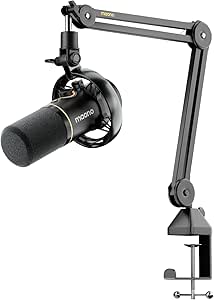
MAONO PD200W Hybrid Wireless Podcast Microphone for PC, XLR USB Dynamic Mic Kit with Boom Arm, Software, Noise Cancellation, for Vocal Recording, Streaming, Content Creation, Home Studio, Voiceover
The MAONO PD200W delivers a versatile, wireless solution ideal for untreatable rooms where cable clutter and echo are issues. Its hybrid design supports wireless, USB, and XLR connections, making it adaptable to various setups, whether on a smartphone, PC, or professional interface. The built-in noise cancellation and cardioid pattern help focus on your voice and reduce room reflections, which is vital in untreated environments. Its large dynamic capsule captures rich sound, and the included boom arm offers positioning flexibility. Compared to the FIFINE K688, the PD200W’s wireless features provide extra convenience in echo-heavy spaces, though it’s more sensitive to room acoustics due to its condenser nature. The app support for sound tuning adds a layer of personalization, making it a top choice for mobile or fixed studio recordings.
Pros:- Wireless, USB, and XLR connectivity options
- Built-in noise cancellation for echo reduction
- Includes a professional boom arm and software support
- Long battery life up to 60 hours
Cons:- More sensitive to room reflections despite noise cancellation
- Requires batteries and regular charging
- Higher price point for multi-mode functionality
Best for: Content creators and streamers who need wireless flexibility and noise reduction in untreated spaces.
Not ideal for: High-end studio engineers requiring ultra-precise, studio-grade sound with minimal room effects.
- Connectivity Technology:Wireless, USB, XLR
- Power Source:Battery (1 AA included)
- Signal-to-Noise Ratio:82 dB
- Frequency Response:16 kHz
- Item Weight:1.92 Kilograms
- Built-In Media:Noise cancellation, software support
- Included Accessories:Boom arm, manual, cables
- Range:Up to 60 meters
- Battery Life:Up to 60 hours
Bottom line: This hybrid wireless microphone is perfect for untreatable rooms needing flexible setup and noise-focused recording capabilities.
Shure SM58-LC Dynamic Vocal Microphone – Professional Handheld Cardioid XLR Mic for Singing, Live Performance, Studio Recording, Podcast & Broadcast, Black
The Shure SM58-LC remains a go-to choice for untreatable rooms due to its legendary durability and focused cardioid pattern. Its tailored frequency response emphasizes midrange clarity, helping vocals cut through ambient noise and room echo typical of untreated spaces. The spherical grille and built-in pop filter significantly reduce plosives and wind noise, making it ideal for loud environments and unpredictable room acoustics. Compared to the FIFINE K688, the SM58 offers superior ruggedness and proven consistency in challenging conditions, though it doesn’t capture as much nuanced detail as condensers. Its long XLR cable ensures flexible placement, and the microphone’s simple, effective design makes it a favorite for live and home use alike.
Pros:- Exceptional durability and rugged construction
- Effective cardioid pattern to reject room noise
- Built-in pop filter for clearer vocals
- Includes 25-foot XLR cable
Cons:- Less sensitive to subtle nuances than condenser mics
- Requires a quality audio interface for best results
- Limited internal noise damping, room reflections can still affect recordings
Best for: Performers and broadcasters who need a tough, reliable microphone that handles untreated spaces well.
Not ideal for: Recordists seeking ultra-sensitive capture or those working primarily on detailed studio recordings in acoustically treated rooms.
- Connectivity Technology:XLR
- Polar Pattern:Unidirectional (Cardioid)
- Impedance:Not specified
- Frequency Response:50Hz-15kHz
- Signal-to-Noise Ratio:78 dB
- Item Weight:0.32 Kilograms
- Item Dimensions:10.3 x 4.9 x 3.4 inches
- Warranty:2 years
- Included Accessories:25-foot XLR cable, storage bag
Bottom line: The SM58-LC offers unmatched durability and noise rejection, making it ideal for untreatable environments where toughness matters most.
Shure SM7dB Dynamic Vocal Microphone with Built-in Preamp – Studio Mic for Streaming, Podcasting, and Recording – Smooth Sound, Wide Frequency Range, Rugged Build, Windscreen Included, XLR, Black
The Shure SM7dB stands out for its ability to deliver broadcast-quality sound with minimal environmental interference, making it ideal for untreated rooms. Unlike the MAONO A04 Gen2, which offers versatile USB/XLR connectivity and software controls, the SM7dB’s built-in preamp and rugged construction provide a more consistent, studio-like experience without needing external gear. Its wide frequency response and excellent noise rejection make it especially suitable for voiceover artists and podcasters who can’t treat their space. The adjustable bass roll-off and presence boost switches allow for quick tonal adjustments, which is a plus over more basic mics. However, its higher price point and larger size might be drawbacks for budget-conscious or space-limited users. For those seeking a durable, top-tier microphone with simplified setup, this is a clear winner.
Pros:- Exceptional sound clarity with broadcast-grade quality
- Excellent noise rejection suitable for untreated rooms
- Adjustable tonal switches for versatile voice shaping
- Rugged, durable construction for long-term use
Cons:- Higher cost compared to entry-level microphones
- Larger and heavier, requiring more space and sturdy mounting
- No included XLR cable, which is an additional expense
Best for: Professional content creators, voiceover artists, and broadcasters working in untreated or acoustically challenging environments.
Not ideal for: Beginners or casual streamers on a tight budget who prefer plug-and-play simplicity without investing in a premium microphone.
- Connectivity Technology:XLR
- Frequency Response:50Hz-20kHz
- Built-in Media:Preamp
- Polar Pattern:Unidirectional
- Enclosure Material:Stainless Steel
- Item Weight:2.7 Pounds
Bottom line: This mic is best for serious professionals needing reliable, high-quality sound in untreated spaces who are willing to invest in durability and performance.
MAONO XLR/USB Condenser Microphone: 192kHz/24Bit Plug & Play PC Computer Podcast Cardioid Metal Mic Kit with Software, Professional Sound Chipset for Recording, Studio, Singing, YouTube A04 Gen2
This MAONO A04 Gen2 excels in offering flexibility with its dual XLR and USB connections, making it suitable for both beginner setups and more advanced studio environments. Compared to the Shure SM7dB, which is more of a dedicated broadcast mic, the A04’s software-controlled noise reduction and scene EQ presets help mitigate room imperfections effectively. Its 16mm large-diaphragm capsule provides warm, clear vocals, ideal for streaming, podcasts, or singing in untreated spaces. The included pop filter, shock mount, and sturdy boom arm simplify setup and help reduce external noise and vibrations. A tradeoff is that its frequency response (30Hz-16kHz) is narrower than high-end studio mics, which may limit some tonal flexibility. For content creators needing an adaptable, all-in-one solution, this makes perfect sense.
Pros:- Dual XLR and USB connectivity for maximum flexibility
- Effective noise reduction with software controls
- Warm, rich sound with large-diaphragm capsule
- Includes pop filter, shock mount, and adjustable arm
Cons:- Limited frequency response compared to high-end studio mics
- Narrower frequency range (30Hz-16kHz) may affect tonal depth
- Build quality is solid but not as rugged as premium models
Best for: Content creators and streamers who want a flexible, easy-to-use microphone that performs well in untreated environments and supports both USB and XLR setups.
Not ideal for: Professionals requiring studio-level fidelity or those who prefer dedicated hardware with fewer software adjustments, like the SM7dB.
- Sampling Rate:192kHz/24bit
- Connectivity Technology:USB/XLR
- Frequency Response:30Hz-16kHz
- Polar Pattern:Cardioid
- Enclosure Material:Metal
- Item Weight:1.1 Pounds
Bottom line: This pick is ideal for creators seeking a versatile, beginner-friendly microphone that performs well in untreated rooms and supports multiple connection types.
FIFINE USB/XLR Dynamic Microphone for Podcast Recording, PC Computer Gaming Streaming Mic with RGB Light, Mute Button, Headphones Jack, Desktop Stand, Vocal Mic for Singing YouTube-AmpliGame AM8
The FIFINE AM8 is a budget-friendly microphone that packs impressive features for casual creators working in untreated rooms. Its dynamic capsule and cardioid pattern effectively reject ambient noise, which is crucial when you can’t treat your space. Compared with the MAONO A04 Gen2, which offers software noise reduction, the AM8 relies on its dynamic design to limit room noise naturally, making it easier for beginners. Its RGB lighting and mute button add fun and practicality, while the included desktop stand enhances stability. The main tradeoff is its frequency response range (50Hz-16kHz), which is narrower than professional mics, possibly affecting vocal richness. Still, for streaming, gaming, and casual podcasting in untreated environments, it’s a strong, affordable choice.
Pros:- Effective noise rejection suitable for untreated rooms
- Built-in RGB lighting for aesthetic customization
- Mute button and headphone jack for real-time monitoring
- Solid metal and ABS construction
Cons:- Limited frequency response (50Hz-16kHz) for rich vocal tone
- No included XLR cable, requiring additional purchase
- Basic features compared to more advanced models
Best for: Budget-conscious streamers, gamers, and hobbyists who need decent noise rejection without the complexity of studio gear.
Not ideal for: Professional recording or serious vocalists aiming for studio-quality sound, as the mic’s frequency range and build are more basic.
- Frequency Range:50Hz-16kHz
- Connectivity Technology:XLR/USB
- Signal-to-Noise Ratio:80 dB
- Polar Pattern:Cardioid
- Enclosure Material:ABS Plastic, Metal
- Item Weight:1.32 Pounds
Bottom line: This mic is best for casual creators and gamers seeking an affordable, noise-rejecting solution for untreated spaces with fun features.
MAONO USB/XLR Podcast Dynamic Microphone, Studio Mic Kit with Volume Control, Shock Mount, Pop Filter, Ideal for Vocal, Instruments Recording, Voice Over, Live Streaming (HD300T)
The MAONO HD300T offers a comprehensive package for creators working in untreated spaces, combining XLR and USB outputs with accessories that optimize sound quality. Unlike the FIFINE AM8, which is more basic, this model includes a shock mount, pop filter, and volume control, helping to reduce room noise and plosives effectively. Its cardioid dynamic capsule captures clear vocals and instruments, making it suitable for podcasts, streaming, and voiceovers without requiring room treatment. The dual output support enhances versatility, whether you’re recording on a computer or with a mixer. The main tradeoff is its somewhat bulkier size and slightly higher price. For those needing a full setup that handles untreated acoustics well, this kit is a solid investment.
Pros:- Dual XLR and USB outputs for flexible use
- Includes shock mount and pop filter for noise reduction
- Clear, natural sound with dynamic capsule
- Volume control for easy adjustments
Cons:- Slightly bulkier than compact mics
- Higher price point compared to basic models
- Requires additional XLR cable for XLR mode
Best for: Content creators who want a versatile, all-in-one microphone kit for recording in untreated rooms with minimal setup fuss.
Not ideal for: High-end studio engineers or vocal professionals seeking maximum tonal fidelity with advanced room acoustics.
- Connection Type:USB/XLR
- Frequency Response:50Hz-16kHz
- Signal-to-Noise Ratio:80 dB
- Included Accessories:Shock mount, pop filter
- Enclosure Material:Metal
- Item Dimensions:Approx. 9.65 x 4.96 x 3.35 inches
Bottom line: This microphone kit is perfect for creators seeking a versatile, all-in-one solution to produce clean sound in untreated spaces with minimal hassle.
Shure MV7X XLR Dynamic Microphone – Voice-Isolating Cardioid Mic for Podcasting, Vocal Recording & Broadcasting, All-Metal, Black
The Shure MV7X stands out for its ability to deliver professional-grade sound in less-than-ideal acoustic environments, thanks to its advanced voice isolation technology. Unlike the SM7B, which requires additional preamps like a Cloudlifter, the MV7X’s dynamic capsule naturally minimizes background noise, making it perfect for untreated rooms. Its all-metal build feels sturdy and durable, and the included shock mount further reduces mechanical noise. While it doesn’t come with an XLR cable, it connects seamlessly to any audio interface. Compared to condenser mics, the MV7X’s dynamic design is less susceptible to room reflections, ensuring clearer vocals without soundproofing. The tradeoff is that it might lack the subtle detail of condenser mics, but for noisy environments, this is a clear advantage. Overall, this mic is ideal for creators who need quality sound without room treatment or complex setups.
Pros:- Excellent background noise rejection due to voice-isolation tech
- Robust all-metal construction for durability
- Seamless XLR connection with universal compatibility
Cons:- Requires an external preamp or Cloudlifter for optimal gain
- Limited high-frequency detail compared to condensers
Best for: Podcasters and streamers recording in untreated, noisy rooms who want straightforward professional sound.
Not ideal for: Musicians or acoustic performers seeking the most detailed sound, as dynamic mics tend to have less high-frequency response.
- Connectivity Technology:XLR Only
- Polar Pattern:Unidirectional
- Frequency Response:50-16000 Hz
- Sensitivity:38 Decibels
- Microphone Form Factor:Large Diaphragm
- Power Source:Corded Electric
Bottom line: This pick is best suited for creators who need reliable, studio-quality vocals in untreated environments without extra gear.
Shure SM7B Dynamic Studio Microphone – XLR Mic for Podcasting, Streaming, Vocal Recording & Broadcasting, Wide Frequency Range, Smooth Warm Audio, Detachable Windscreen, Black
The Shure SM7B remains a favorite for its ability to produce warm, natural vocals, especially in environments with little room treatment. Its broad frequency response and flat, wide-range response handle vocals, speech, and instruments with clarity. The cardioid pickup pattern, combined with air suspension shock isolation and the included pop filter, effectively minimizes room reflections, plosives, and ambient noise, making it suitable for untreated rooms. Unlike the MV7X, the SM7B often requires a dedicated preamp or Cloudlifter to achieve the necessary gain, but it offers more subtle tonal control. Its rugged all-metal construction ensures reliability in demanding environments. The main tradeoff is size and cost, which might be overkill for casual users, but professionals will appreciate its consistent performance. Overall, ideal for those prioritizing broadcast-quality sound in less-than-ideal spaces.
Pros:- Delivers warm, natural, broadcast-quality vocals
- Effective noise and room reflection suppression
- Rugged all-metal, professional build
Cons:- Requires a high-gain preamp or Cloudlifter for optimal performance
- Larger and pricier than typical podcast mics
Best for: Voice-over artists and broadcasters who need a warm, natural sound in untreated or noisy rooms.
Not ideal for: Beginners or those on a tight budget, since it often requires additional gain boosters and is more expensive.
- Frequency Response:50-20000 Hz
- Impedance:150 Ohms
- Signal-to-Noise Ratio:60 dB
- Form Factor:Dynamic
- Connector Type:XLR
- Weight:2.7 Pounds
Bottom line: This microphone is best for professionals who want studio-grade sound in challenging acoustic environments and are willing to invest in additional gear.
MAONO PD200W Hybrid Wireless Podcast Microphone for PC, Dynamic XLR USB Mic with Desktop Stand, Software, Noise Cancellation, for Vocal Recording, Streaming, Content Creation, Home Studio, Voiceover
The MAONO PD200W offers a flexible solution for content creators working in untreated spaces, combining wireless, USB, and XLR connectivity. Its dynamic capsule and cardioid pattern help focus on your voice while rejecting room noise, making it suitable for noisy environments. Unlike the SM7B and MV7X, it supports wireless operation with a long-range (up to 60 meters) and 60-hour battery life, providing mobility and convenience. The built-in noise cancellation and multiple preset modes further enhance clarity in less-than-ideal acoustics. The software allows real-time sound adjustments, giving it an edge over single-mode mics. However, its size and weight are less portable, and the reliance on batteries could be a drawback for some. This mic is an excellent choice for creators who want versatility and quality without room treatment, especially when mobility is important.
Pros:- Supports wireless, USB, and XLR connections for maximum flexibility
- Excellent noise cancellation and sound focus
- Long battery life and portable design
Cons:- Bulky and heavier than traditional mics
- Requires batteries, which need recharging or replacement
Best for: Streamers and podcasters who need a flexible, multi-mode microphone for untreated or noisy environments.
Not ideal for: Professional studio engineers or musicians requiring maximum subtlety and high-frequency detail.
- Connectivity Technology:USB, Wireless, XLR
- Frequency Response:16-16000 Hz
- Signal-to-Noise Ratio:82 dB
- Battery Life:Up to 60 hours
- Weight:1.32 kg
- Built-In Media:Noise Cancellation
Bottom line: This microphone is best for creators needing an adaptable, high-quality mic that works well in untreated environments with mobility in mind.
Pyle Microphone, Dynamic Cardioid, XLR Cable Included, Unidirectional, Rugged Construction, Built-in Pop Filter, Perfect for Stage & Studio, High Gain, Ultra-Wide Frequency Response, 15ft Cable
The Pyle Microphone provides a highly affordable yet effective solution for capturing vocals and instruments in untreated spaces. Its unidirectional cardioid pattern helps isolate the source from ambient noise, making it a good choice for live performances or home studios with poor acoustics. The rugged zinc alloy body and steel mesh windscreen promise durability, while the built-in pop filter reduces plosives and breath noises. Although it doesn’t match the nuanced response of high-end condensers, it offers a solid, high-gain output suitable for most beginner or semi-professional setups. The included 15-foot XLR cable adds convenience, but its frequency response (50Hz-15kHz) is narrower than more expensive counterparts. Still, for budget-conscious creators in noisy environments, it’s a dependable, no-frills option that gets the job done without breaking the bank.
Pros:- Affordable and reliable for basic needs
- Effective cardioid pattern minimizes room noise
- Rugged, durable construction
Cons:- Limited frequency response compared to premium mics
- Less detailed sound quality, especially in high frequencies
Best for: Entry-level podcasters, streamers, and performers working in untreated, noisy environments on a tight budget.
Not ideal for: Professional musicians or audiophiles seeking detailed, high-fidelity recordings.
- Frequency Response:50Hz-15kHz
- Impedance:600 Ohms
- Sensitivity:-54dB
- Microphone Element:Dynamic
- Connector Type:XLR
- Cable Length:15 ft
Bottom line: A practical, budget-friendly microphone suitable for beginners or casual users in untreated or noisy spaces.

How We Picked
The microphones included in this roundup were selected based on their performance in untreated or acoustically challenging environments, focusing on their ability to reject room noise and reflections. We prioritized models with cardioid or dynamic pickup patterns, as these are more effective in minimizing unwanted ambient sound. Build quality, ease of use, and overall value also influenced our rankings, with a preference for versatile options suitable for streaming, podcasting, or recording in less-than-ideal rooms. Products were evaluated for their clarity, noise rejection, durability, and user feedback, ensuring that each choice offers a meaningful advantage for untreated spaces.Factors to Consider When Choosing Best Xlr Microphones For Untreated Rooms
When selecting an XLR microphone for untreated rooms, understanding key factors that influence sound quality is essential. The environment’s acoustics can dramatically shape your recordings, so choosing the right microphone can make a significant difference. It’s important to balance features such as pickup pattern, build quality, and ease of use with your specific recording setup and budget. Being aware of common pitfalls, like relying solely on condenser mics in untreated spaces, helps prevent disappointing results. This guide highlights critical considerations to help you make an informed decision.Microphone Type and Pickup Pattern
Dynamic microphones with cardioid patterns are generally better suited for untreated rooms because they focus on sounds directly in front of them and reject ambient noise. Condenser mics, while capable of capturing more detail, tend to pick up room reflections and background noise, which can muddy recordings in untreated spaces. For environments with poor acoustics, prioritizing cardioid or supercardioid patterns helps retain clarity and reduces unwanted room sound.
Build Quality and Durability
In less controlled environments, a sturdy, well-built microphone is important to withstand regular handling or setup variations. Metal-bodied models tend to last longer and resist damage better than plastic ones. Additionally, some microphones include built-in features like internal shock mounts or rugged casings that help reduce handling noise, which is especially beneficial when acoustic treatment isn’t available.
Proximity Effect and Handling Noise
Mic placement is key in untreated rooms, and microphones with controlled proximity effect help maintain consistent sound quality without increasing bass buildup when close to the source. Handheld mics with good internal shock absorption reduce handling noise, making them more suitable for mobile or live-use scenarios. Understanding how close-miking affects your recordings helps avoid excessive bass or background noise.
Connectivity and Compatibility
Ensure the microphone’s connectors and required accessories match your existing setup. Many models come with XLR cables, but check if you need additional accessories like pop filters, shock mounts, or boom arms. Also, consider whether your audio interface or mixer supports phantom power if you choose condenser mics, or if a built-in preamp can improve your gain staging in noisy environments.
Budget and Future-Proofing
While budget options can work well in untreated rooms, investing a bit more often yields better noise rejection, build quality, and versatility. Premium microphones like the Shure SM7B are designed for professional use and offer superior sound isolation, but they come at a higher price. Consider your long-term needs—if you plan to upgrade your space or expand your setup, choosing a microphone with room to grow can be a smart move.
Frequently Asked Questions
Can I use a condenser microphone in an untreated room?
Yes, but with some caveats. Condenser microphones tend to be more sensitive and will pick up room reflections and background noise unless you use close-miking techniques or add acoustic treatment. They are best suited for environments where you can control or reduce ambient sound, or if you combine them with a shock mount and a pop filter to minimize unwanted noise.
Is a dynamic microphone better for untreated rooms than a condenser?
Generally, yes. Dynamic microphones are less sensitive and focus more on the sound source directly in front of them, which helps reject ambient noise and room reflections. This makes them more reliable in untreated spaces, especially for vocal recording or streaming where background noise can be an issue. However, they may lack some of the detail captured by condensers, so your choice depends on your priorities.
Should I invest in acoustic treatment if I use a condenser microphone?
While a condenser can perform better with some acoustic treatment, adding basic panels or bass traps can significantly improve sound quality. Untreated rooms will always introduce some coloration to recordings, but treatment helps reduce echoes and reflections, allowing your microphone to capture cleaner sound. If upgrading your space isn’t an option, choosing a more directional, less sensitive microphone becomes even more important.
What features should I prioritize in a microphone for streaming in an untreated room?
Focus on microphones with cardioid or hypercardioid pickup patterns that reject side and rear noise. Features like internal shock mounts, built-in pop filters, and good noise rejection improve clarity. Ease of use and compatibility with your existing setup are also important, especially if you want quick setup and consistent results without extensive acoustic treatment.
Is the Shure SM7B worth the investment for untreated spaces?
The Shure SM7B is often regarded as a top choice for untreated environments thanks to its excellent rejection of ambient noise and its ability to produce warm, professional sound. It is a solid investment if you plan to record vocals or voice in less-than-ideal spaces frequently. However, it requires a good preamp and may be overkill for casual or occasional use, making it best suited for serious streamers and podcasters.
Conclusion
For those seeking a reliable all-around performer in untreated rooms, the Shure SM7B remains the best overall choice, especially for professional-quality recordings. Budget-conscious creators will find the FIFINE Dynamic Microphone offers excellent value without sacrificing too much performance. Beginners or casual users might prefer simpler, easy-to-use models like the MAONO USB/XLR Microphone for straightforward setup and decent sound. For high-end, studio-grade recordings directly in challenging acoustics, investing in a premium model like the Shure SM7dB provides the best results, albeit at a higher price. Tailor your choice to your environment, budget, and future needs to get the best results in 2026.