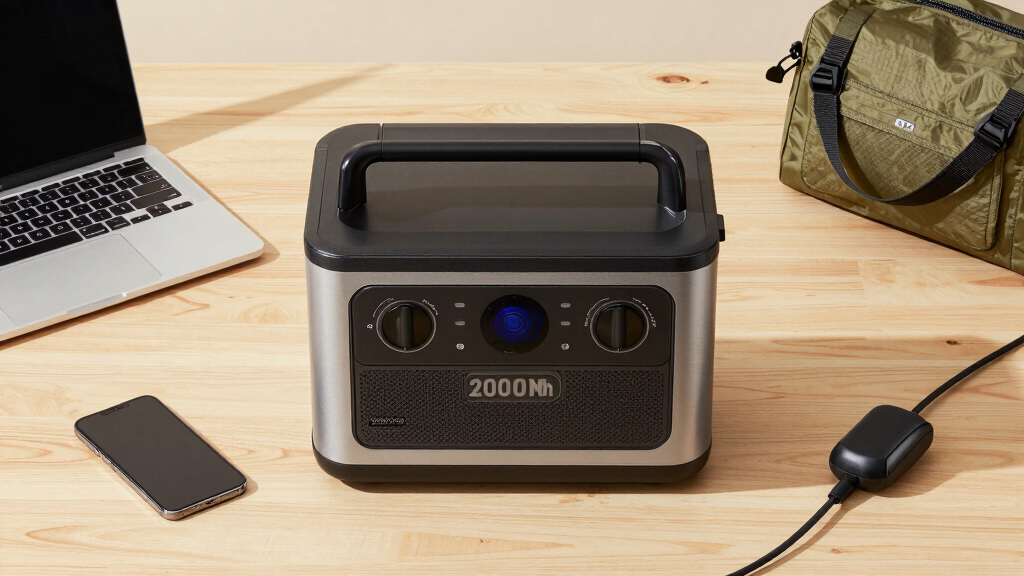

For those seeking reliable power on the go, portable power stations over 2000Wh offer substantial energy capacity for camping, emergency backup, or off-grid living. The BLUETTI Elite 200 V2 stands out as the best overall choice with its high-capacity LFP battery and fast charging. The Jackery Explorer 2000 v2 balances power and portability, making it ideal for versatile outdoor use. Meanwhile, the GRECELL 4000W provides massive capacity for extended off-grid scenarios but comes with a heftier price and weight. Buyers face tradeoffs between capacity, portability, cost, and charging speed. Continue reading for a detailed breakdown of these top options to find the best fit for your needs.
Key Takeaways
- High-capacity models like the GRECELL and Jackery Explorer 2000 v2 excel in extended power availability, suitable for prolonged off-grid use.
- Fast charging capabilities significantly reduce downtime, with some models reaching 80% in under an hour, ideal for urgent situations.
- Battery chemistry matters—LFP (LiFePO4) batteries offer longer cycle life and better safety compared to older chemistries.
- Portability varies widely; even with over 2000Wh, some units remain manageable for frequent transport, while others are more suited for stationary use.
- Price ranges reflect build quality, capacity, and features; investing more often yields longer-lasting, more versatile units.




More Details on Our Top Picks
BLUETTI Elite 200 V2 Portable Power Station, 2073.6Wh LFP Battery Backup w/ 4 2600W AC Outlets (3900W Power Lifting), 0-80% Fast Charging in 50 Min, Solar Generator for Camping, Off-grid and Emergency
This model stands out for its impressive 2600W continuous power and industry-leading 3900W peak in power lifting mode, making it ideal for running multiple high-demand appliances simultaneously—much like the Anker SOLIX C2000, but with superior surge capacity. Its true automotive-grade LiFePO4 battery ensures over 6,000 cycles and a 17-year lifespan, far exceeding typical power stations. The fast-charging options, including 50-minute turbo recharge and solar compatibility, provide unmatched convenience for off-grid use. Compared to less robust options, this unit offers longer durability and higher power output, but it comes at a higher price and larger size, which could be a drawback for portability. Tradeoff: You gain extraordinary power and lifespan, but sacrifice some compactness and budget friendliness.
Pros:- Exceptional 2600W continuous power with 3900W surge capacity
- Industry-leading 17-year lifespan with over 6,000 cycles
- Fast recharge from 0-80% in just 50 minutes
Cons:- Relatively large and heavy for frequent portability
- Higher price point compared to smaller or less powerful models
Best for: Homeowners, campers, and off-grid users needing reliable, high-capacity backup with long-term durability.
Not ideal for: Travelers or those with limited storage space who prioritize lightweight, portable options.
- Capacity:2073.6Wh
- Continuous Power:2600W
- Peak Power:3900W
- Battery Type:LiFePO4
- Charge Time (50%):25 min
- Lifespan:17 years / 6,000 cycles
Bottom line: A top-tier choice for those who need serious power, long life, and fast recharging for home backup or off-grid use.
Anker SOLIX C1000 Gen 2 Portable Power Station, 2,000W (Peak 3,000W) Solar Generator, Full Charge in 49 Min, 1,024Wh LiFePO4 Battery for Home Backup, Power Outages, and Camping (Optional Solar Panel)
This unit makes the list for its remarkable 49-minute full recharge time, outpacing many competitors like the EF ECOFLOW Delta 2. Its 1024Wh LiFePO4 battery provides reliable power for essential devices, and its lighter, more compact design (weighing just 24.9 pounds) enhances portability. While it doesn’t match the raw capacity of larger models, its fast charging and multiple outlets make it perfect for quick, efficient power on the go. Compared to the DABBSSON 2048Wh, it offers easier handling and a more user-friendly interface, though with less total capacity. Tradeoff: You gain rapid recharge and portability at the expense of lower overall capacity, which may limit longer off-grid stays.
Pros:- Full charge in just 49 minutes with HyperFlash tech
- Lightweight and compact for easy transport
- Supports up to 3,000W peak output for multiple devices
Cons:- Limited capacity at 1024Wh, less suited for prolonged outages
- Higher price relative to capacity
Best for: Campers, tailgaters, and emergency prepper users seeking quick recharge and manageable size.
Not ideal for: Those needing continuous power for heavy-duty appliances or extended off-grid living.
- Capacity:1024Wh
- Peak Power:3000W
- Charge Time:49 min
- Battery Type:LiFePO4
- Weight:24.9 lbs
- Recharging Method:AC, Solar
Bottom line: Ideal for users prioritizing rapid recharging and portability over large capacity needs.
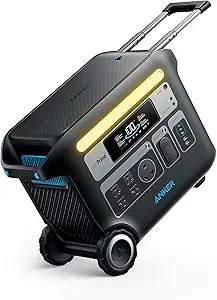
Anker SOLIX C2000 Gen 2 Portable Power Station, 2,400W (Peak 4,000W) Solar Generator, Full Charge in 58 Min, 2048wh LiFePO4 Battery for Home Backup, Power Outages, and Camping (Optional Solar Panel)
This pick excels in its massive surge capacity of 4,000W peak, making it suitable for heavy appliances like air conditioners and power tools—surpassing the AFERIY 2048Wh in raw power. Its 2048Wh battery offers a solid balance between capacity and weight, and the ability to expand to 4kWh with an additional battery addresses longer off-grid needs. Its rapid 58-minute recharge is competitive, but slightly slower than smaller models like the Anker SOLIX C1000. Compared to the DABBSSON 2048Wh, its higher surge and expandability make it more versatile for demanding tasks, though it is somewhat heavier. Tradeoff: You get superior surge capacity and expandability at a marginally increased weight and cost.
Pros:- Peak surge power up to 4,000W for demanding devices
- Expandable capacity to 4kWh for longer use
- Recharges in under an hour (58 min) via AC or solar
Cons:- Slightly heavier than smaller units at around 48 lbs
- Price premium for surge capacity and expandability
Best for: Remote workers, RV travelers, and homeowners needing reliable power for multiple heavy-duty appliances.
Not ideal for: Light campers or those prioritizing ultra-lightweight gear for minimal setups.
- Capacity:2048Wh
- Peak Power:4000W
- Charge Time:58 min
- Battery Type:LiFePO4
- Expandable Capacity:up to 4kWh
- Weight:around 48 lbs
Bottom line: A smart choice for users who need high surge power, expandability, and rapid charging for versatile applications.
AFERIY 2048Wh Portable Power Station 2400W (Peak 4800W),P210 LiFePO4 Battery Generator,AC Fast Charging, 12V/25A XT60 DC output port,UPS Power Outages,Home Backup,Camping(Solar Panel Optional)
This model distinguishes itself through its ultra-responsive UPS system with less than 10ms response time, ideal for protecting sensitive electronics during power fluctuations—making it a standout over the DABBSSON 2048Wh which lacks such instant backup. Its 2400W continuous and 4800W surge power support demanding appliances, and the 16 ports provide extensive device compatibility. Its 7-year warranty and 24/7 support add confidence in reliability. However, with a weight of 22 kg (around 48 lbs), it’s less portable than smaller counterparts like the Anker SOLIX C1000. While its high surge and UPS capabilities are unmatched, it’s more suited for stationary or emergency backup than frequent travel. Tradeoff: Superior instant power and protection come with increased weight and cost, making it less ideal for lightweight camping.
Pros:- Ultra-fast <10ms UPS response for sensitive electronics
- High continuous and surge power (2400W/4800W)
- Supports up to 16 devices simultaneously
Cons:- Relatively heavy and less portable
- Higher price point for advanced UPS features
Best for: Power users, data centers, and emergency preparedness enthusiasts needing uninterrupted, high-power backup.
Not ideal for: Light campers or users seeking ultra-light portable solutions for casual outdoor activities.
- Capacity:2048Wh
- Continuous Power:2400W
- Peak Power:4800W
- Response Time:<10ms
- Number of Ports:16
- Battery Type:LiFePO4
Bottom line: Best suited for critical backup and sensitive electronics requiring instantaneous power with high surge capacity.
DABBSSON 2048Wh Portable Power Station, Safe Semi-Solid LiFePO4, 3300W Power Boost, 2200W AC Output 6, 41lb,Compact & Lightweight, 1.3X Runtime, 2000L Solar Generator for Camping/Home/RV
This model is prized for its 2200W continuous output and 3300W surge, enabling it to power most heavy-duty appliances, similar to the Anker SOLIX C2000, but with a more compact form factor weighing only 41 pounds. Its semi-solid LiFePO4 cells provide enhanced safety and a 10+ year lifespan, making it suitable for long-term off-grid or emergency use. The 1.3x extended runtime and rapid 1.5-hour recharge appeal to users who need more endurance without sacrificing portability. Compared to larger units like the BLUETTI Elite 200 V2, it trades some surge capacity for a lighter, more manageable size. Its multiple ports and hybrid input options support versatile recharging and device charging. Tradeoff: You gain extended runtime and portability, but with slightly lower peak power and surge capacity than bulkier models.
Pros:- 2200W continuous power with 3300W surge
- Lightweight and compact at 41 lbs
- Supports hybrid charging with solar and AC inputs
Cons:- Lower surge peak than larger models like BLUETTI Elite
- Limited capacity compared to bigger units for prolonged outages
Best for: Campers, RV owners, and emergency preppers seeking reliable, long-lasting power in a lightweight package.
Not ideal for: Heavy-duty industrial or commercial applications requiring maximum surge power or ultra-high capacity.
- Capacity:2048Wh
- Peak Power:3300W
- Continuous Power:2200W
- Charge Time:1.5 hours
- Battery Type:Semi-solid LiFePO4
- Weight:41 lbs
Bottom line: An excellent portable option for extended off-grid use that balances power, safety, and weight.
Jackery HomePower 3000 Portable Power Station with 2X 200W Solar Panels, 3600W (Surge 7200W) Output, 3072Wh LFP Battery Solar Generator, Essential Backup for Home Use, Power Outage, RV, Emergencies
The Jackery HomePower 3000 stands out for its impressive 3600W continuous output and 3072Wh capacity, making it ideal for reliably powering essential home appliances during outages. Its UL-certified UPS switch within ≤20ms ensures critical devices like security cameras or medical refrigerators stay online without interruption, a feature not matched by many portable units. Compared with the EcoFlow DELTA 2, this model offers a larger capacity and faster hybrid recharge in under 2 hours, but it’s heavier at nearly 60 pounds, which could limit portability. Its LiFePO4 batteries deliver 4,000 cycles, promising years of dependable use, and the integrated design with AC, USB-C, USB-A, and RV ports offers versatile connectivity. The optional solar panels enable off-grid charging, but note they ship separately, adding to the total cost. This pick makes the most sense for homeowners seeking a robust, long-lasting backup with quick recovery times.
Pros:- Large 3072Wh capacity with 3600W continuous output
- Fast hybrid recharge under 2 hours via AC/DC combination
- Seamless ≤20ms UPS switch for critical appliance protection
- Long-lasting LiFePO4 batteries with 4,000 cycles
Cons:- Heavy at nearly 60 pounds, less suitable for frequent portability
- Solar panels ship separately, increasing overall setup cost
Best for: Homeowners needing reliable, high-capacity backup power for critical devices during outages.
Not ideal for: Frequent travelers or those seeking a lightweight, portable unit for outdoor activities.
- Capacity:3072Wh
- Continuous Power:3600W
- Surge Power:7200W
- Recharge Time:1.7 hours with hybrid charging
- Battery Type:LiFePO4
- Ports:AC, USB-C, USB-A, RV
- Weight:59.5 pounds
Bottom line: This model offers unmatched reliability and capacity for home use, ideal for those prioritizing dependable backup power.
DJI Power 2000 Portable Power Station, 2048Wh LFP Battery, Compact Size, 3000W Stable Output, 0-80% Recharge in 55 Mins, Electric Generator for Home, Camping & RVs, Off-Grid
The DJI Power 2000 offers a compelling blend of high capacity (2048Wh) and a compact, lightweight design, making it perfect for outdoor adventures or smaller home backup needs. Its 0-80% recharge in just 55 minutes outpaces many competitors like the Jackery Explorer 2000, which takes over an hour. This unit excels in portability, weighing significantly less at around 30 pounds, yet it still delivers a stable 3000W output, perfect for powering tools, appliances, or electronics during off-grid living. The inclusion of a smart BMS, flame-retardant housing, and IP-rated ruggedness ensures safety and durability in harsh conditions. While it supports expansion up to 22.5kWh, the need for additional batteries raises the price and complexity, and its slightly smaller capacity compared to the HomePower 3000 means less run time for large loads. Ideal for outdoor enthusiasts and those needing quick recharging in a portable form.
Pros:- Lightweight and highly portable at ~30 pounds
- Fast 0-80% recharge in 55 minutes
- Stable 3000W output for high-wattage devices
- Rugged, weather-resistant design with safety features
Cons:- Lower capacity than larger models like Jackery 3000
- Expansion batteries sold separately, increasing overall cost
Best for: Campers, RV travelers, and outdoor users seeking quick recharge and portability.
Not ideal for: Home users who want the highest capacity backup with longer runtime without expansion.
- Capacity:2048Wh
- Output Power:3000W
- Recharge Time:55 mins to 80%
- Battery Type:LiFePO4
- Weight:30 pounds
- Expandability:Supports up to 22.5kWh with additional batteries
Bottom line: A superb choice for outdoor and RV use where fast recharge and portability are prioritized over absolute capacity.
EF ECOFLOW Portable Power Station DELTA 2, 1024Wh LiFePO4 (LFP) Battery, Solar Generator(Solar Panel Optional) for Home Backup Power, Camping & RVs
The EcoFlow DELTA 2 delivers a practical 1024Wh capacity with 1800W continuous output, making it well-suited for light home backup or outdoor use. Its fast 0-80% charging in 50 minutes makes it convenient for quick replenishment, comparable to larger units like the Jackery Explorer 2000. Its expandable capacity up to 3kWh via additional batteries offers flexibility for longer off-grid stays, but this also means added cost and complexity. The unit operates at a low noise level (30 dB), favoring outdoor and indoor use alike, and its rugged design with IP65 rating ensures durability. While its capacity is less than the Jackery HomePower 3000, it excels in portability and rapid recharge, especially for those with limited space or lighter power needs. It also supports solar input up to 500W, making it a green option for off-grid charging.
Pros:- Compact size with 1024Wh capacity
- Fast 0-80% recharge in 50 minutes
- Expandable up to 3kWh with extra batteries
- Low noise operation (30 dB) and rugged design
Cons:- Lower capacity compared to larger models like Jackery 3000
- Additional batteries increase overall cost
Best for: Outdoor enthusiasts and small household backup users wanting a compact, expandable solution.
Not ideal for: Users needing high-capacity, long-duration power for large appliances during outages.
- Capacity:1024Wh
- Output Power:1800W
- Recharge Time:50 mins to 80%
- Battery Type:LiFePO4
- Expandability:Supports up to 3kWh
- Weight:around 20 pounds
Bottom line: A versatile, lightweight power station ideal for moderate backup and outdoor use with room to grow.
Jackery Explorer 2000 v2 Portable Power Station, 2042Wh LiFePO4 Home Backup Battery, 2200W Solar Generator, USB-C PD 100W Fast Charging for Emergencies, Power Outages, Camping
The Jackery Explorer 2000 v2 combines a substantial 2042Wh capacity with a lightweight design at just under 40 pounds, making it a standout for portable home backup or outdoor adventures. Its 2200W continuous output supports most household appliances, and the USB-C PD 100W port allows for fast device charging. Compared to the DJI Power 2000, it offers a similar capacity but is notably lighter and more compact, making it easier to carry for camping or remote work. Its UL1778 certification ensures reliable UPS functionality, switching seamlessly during outages. The unit charges from 0 to 80% in about 66 minutes, and solar input supports quick off-grid recharging. While it may not match the extreme capacity of the HomePower 3000, it strikes a balance between power, weight, and speed, suitable for those who need mobility without sacrificing significant capacity.
Pros:- High 2042Wh capacity in a portable package
- Lightweight at 39.5 pounds, easy to carry
- Fast recharge in 66 minutes to 80%
- Supports seamless UPS switching during outages
Cons:- Slightly less capacity than the HomePower 3000
- Higher price point for comparable capacity
Best for: Outdoor enthusiasts and emergency preparedness users seeking high capacity in a portable form.
Not ideal for: Home users needing long-duration backup for large appliances running continuously.
- Capacity:2042Wh
- Output Power:2200W
- Recharge Time:66 mins to 80%
- Battery Type:LiFePO4
- Weight:39.5 pounds
- UPS:Seamless 20ms switch
Bottom line: A portable, high-capacity power station ideal for outdoor use and emergency backup with quick recharge capabilities.
Anker SOLIX F2000 Portable Power Station, PowerHouse 767, 2400W Solar Generator, GaNPrime Battery Generators for Home Use, LiFePO4 Power Station for Outdoor Camping, and RVs (Solar Panel Optional)
The Anker SOLIX F2000 offers a substantial 2400W peak power and 2048Wh capacity, making it a versatile choice for both home backup and outdoor adventures. Its 5-year warranty and advanced GaNPrime technology ensure durability and rapid charging—recharging from 0 to 80% in just 1.4 hours, which surpasses many competitors like the Jackery Explorer 2000. The unit is designed with safety in mind, featuring a smart BMS and long-lasting LiFePO4 batteries capable of over 3,000 cycles. Its extensive port selection allows simultaneous charging of multiple devices, and the rugged, weather-resistant design makes it suitable for outdoor use. While it’s slightly heavier than some portable units, it balances capacity, speed, and reliability effectively. Its expandability and fast recharge make it ideal for users who need dependable power over many years.
Pros:- Large 2400W peak power with 2048Wh capacity
- Rapid recharge in 1.4 hours via HyperFlash tech
- 5-year warranty and durable GaNPrime design
- Extensive port options for multiple devices
Cons:- Heavier than smaller units, around 30.5 kg
- Higher upfront cost for extensive features
Best for: Long-term outdoor users, emergency preppers, and those needing a durable, fast-charging backup.
Not ideal for: Lightweight travelers or those with limited space seeking minimalistic power solutions.
- Capacity:2048Wh
- Peak Power:2400W
- Recharge Time:1.4 hours to 80%
- Battery Type:LiFePO4
- Warranty:5 years
- Weight:30.5 kg
Bottom line: A highly reliable, fast-charging, long-lasting power station suited for demanding outdoor and backup needs.
GRECELL-4000W Portable Power Station, 5040Wh Solar Generator with LiFePO4 Battery, 6 AC Outlets (7000W Peak), 1.5H Fast Charge, Expandable Emergency Power for Power Outage, RV Camping & Off-grid Use
The GRECELL S5 stands out for its enormous 5040Wh capacity and rapid 1.5-hour recharge time, making it ideal for long-term off-grid living or emergency backup. Its extensive outlet array, including 6 AC ports and 4 USB-A ports, ensures versatility, while the LiFePO4 battery guarantees safety and longevity—over 4000 cycles and a 10+ year lifespan. Compared to the Jackery Explorer 1000, which offers a smaller capacity and lighter weight, the GRECELL is better suited for those needing sustained power for multiple devices or entire households. However, its hefty weight of 112.4 pounds makes it less portable for frequent transport, and the high upfront cost reflects its premium build. The expandable design up to over 10kWh positions it as a long-term energy investment. This model suits users seeking maximum capacity, rapid recharge, and long-term reliability for off-grid or emergency use.
Pros:- Enormous 5040Wh capacity supports multiple devices or appliances for days
- Fast 1.5-hour recharge with proprietary fast charging technology
- Expandable up to over 10kWh for long-term power storage
- LiFePO4 battery offers superior safety and 4000+ cycle life
Cons:- Very heavy at 112.4 pounds, limiting portability
- High purchase price may be prohibitive for some users
- Large size can be cumbersome for limited storage spaces
Best for: Homeowners or RV enthusiasts needing large capacity and quick recharging during extended outages or off-grid scenarios
Not ideal for: Small-scale campers or those who prioritize portability over capacity, due to its weight and size
- Watt-hours:5040Wh
- Peak Wattage:7000W
- Recharge Time:1.5 hours
- Battery Type:LiFePO4
- Number of AC Outlets:6
- Weight:112.4 pounds
Bottom line: This station is perfect for users who need reliable, high-capacity power with quick recharge times and are less concerned about mobility.
Jackery Solar Generator 1000 v2 with 200W Solar Panel, 1070Wh Portable Power Station LiFePO4 Battery, 1500W AC/100W USB-C Output, 1Hr Fast Charge for Outdoor, Off-Grid Living, RV, Emergency
The Jackery Explorer 1000 v2 offers a compelling balance of capacity and portability with 1070Wh, making it well-suited for outdoor adventures and emergency preparedness. Its LiFePO4 battery ensures durability, with over 4000 charge cycles and a lifespan exceeding 10 years, comparable to the GRECELL but with less overall capacity. The 1500W AC output handles most small to medium appliances, while the 1-hour fast charge feature via the Jackery app is a major convenience, especially compared to larger stations that require hours to recharge. Weighing just 23.8 pounds and equipped with a foldable handle, it’s clearly designed for mobility, yet it sacrifices some capacity and runtime compared to bulkier options. The included 200W solar panel enhances off-grid usability but may limit rapid recharging if sunlight is scarce. This pick suits outdoor users, campers, and those seeking reliable backup power in a portable form factor.
Pros:- Lightweight at 23.8 pounds with foldable handle for easy transport
- Fast one-hour recharge capability with app control
- Durable LiFePO4 battery with over 10-year lifespan
- Multiple output ports including USB-C PD 100W
Cons:- Limited capacity for large appliances or multi-day backup
- Relatively high price for its size and capacity
- Solar input may be insufficient in low sunlight conditions for rapid recharge
Best for: Outdoor enthusiasts, RV travelers, or emergency preppers needing portable, fast-charging power with reliable longevity
Not ideal for: Homes or users with high power demands who require sustained, large-scale backup or long-term off-grid power
- Watt-hours:1070Wh
- Peak Wattage:1500W
- Recharge Time:1 hour
- Battery Type:LiFePO4
- Weight:23.8 pounds
- Number of AC Outlets:3
Bottom line: This station fits users needing a reliable, portable power source for outdoor or emergency use, prioritizing quick charging and long battery life over sheer capacity.

How We Picked
I selected these power stations based on their capacity, build quality, charging speed, and versatility. Priority was given to models with proven reliability, high cycle life, and fast recharging to minimize downtime. I also considered the balance between portability and capacity, ensuring that each product offers a distinct role—whether for emergency backup, extended off-grid use, or portable camping. Price-to-performance ratio was a key factor, along with user safety features and expandability options. The ranking reflects a combination of overall value, real-world usability, and how well each unit meets the demands of high-capacity portable power.Factors to Consider When Choosing Best Portable Power Stations Over 2000wh
Choosing the best portable power station over 2000Wh requires understanding several key factors. These units are significant investments, and your choice should match your specific needs for capacity, portability, and features. Beyond just reading specs, it’s important to consider how each model aligns with your intended use, whether for emergency backup, off-grid living, or outdoor adventures. This guide highlights the critical considerations that influence overall value and user satisfaction.Capacity and Runtime
While all these units exceed 2000Wh, the actual runtime depends on the connected devices and load. Larger capacity allows for longer use without recharging, which is essential for extended off-grid scenarios. However, bigger batteries often mean increased weight and size. Balancing capacity with portability is key—consider how much weight you are willing to carry, especially if frequent mobility is involved.Charging Speed and Input Options
Fast recharge times, especially under 1 hour to 80%, are a major advantage for minimizing downtime. Look for models with multiple input options like AC, solar, and car charging, which increase flexibility during outdoor trips or power outages. Remember that rapid charging may sometimes come at a higher cost or increased wear on the battery over time, so evaluate how often you’ll need quick recharging.Battery Chemistry and Longevity
LiFePO4 (LFP) batteries dominate this category for their long cycle life, safety, and stability. They typically last 2,000 to 3,000 cycles or more, translating into years of dependable use. Older chemistries like NMC or lead-acid fall short in longevity and safety, making LFP the preferred choice for high-capacity, frequent use models. Be mindful of the warranty and cycle count to gauge long-term value.Portability and Design
Despite their large capacity, some models remain surprisingly portable thanks to thoughtful design and lightweight materials. Conversely, heavier units may offer more capacity but are less suited for frequent transport. Consider handle design, weight, and size relative to your typical use—whether you need a backpack-friendly unit or a stationary backup solution.Additional Features and Expandability
Features like multiple AC outlets, USB-C PD, and solar input enhance usability. Expandability options—such as daisy-chaining batteries—can extend runtime further but often add complexity and cost. Also, look for safety features like overcurrent, overvoltage, and thermal protections, which safeguard both the device and connected equipment.Frequently Asked Questions
How do I choose between capacity and portability?
Balancing capacity and portability depends on your primary use case. If you need a power source for long-term off-grid living or extended outages, prioritizing capacity makes sense, even if it means a heavier, less portable unit. However, if you plan to frequently move the power station between locations or carry it over longer distances, opting for a lighter model with slightly less capacity could be more practical. Understanding your typical usage pattern helps determine the right balance for you.
Are fast charging features worth the extra cost?
Fast charging can be highly beneficial if you rely on rapid turnaround times between uses, such as in emergency scenarios or frequent outdoor trips. It reduces downtime significantly, making your power station more reliable. However, these features often come with increased upfront costs and may impact battery longevity over the long term. Consider how often you’ll need quick recharge capabilities before deciding whether the premium is justified.
What safety features should I look for in these units?
Safety features like overcurrent, overvoltage, short-circuit protection, and thermal safeguards are essential, especially for high-capacity units that power sensitive electronics. Lithium iron phosphate (LFP) batteries inherently offer better safety and thermal stability compared to other chemistries. Confirm that the device has certifications or compliance with safety standards, as this provides peace of mind during prolonged or critical use.
Can I expand the capacity of these power stations?
Some models offer expandability options, such as daisy-chaining additional batteries to increase runtime. This feature is more common in higher-end units and can be a cost-effective way to scale capacity gradually. However, expandability often adds complexity and can increase weight and size. Evaluate whether your typical use case justifies investment in expandable systems or if a larger, standalone unit better fits your needs.
How important is solar input for these high-capacity units?
Solar input becomes increasingly valuable for off-grid and emergency use, allowing you to recharge without relying solely on grid power. Many of these units support solar charging, but the effectiveness depends on panel quality and sunlight conditions. While solar can extend your runtime significantly, it’s usually supplementary and not a replacement for fast AC charging. Consider your typical environment and whether solar input features are a priority for your setup.