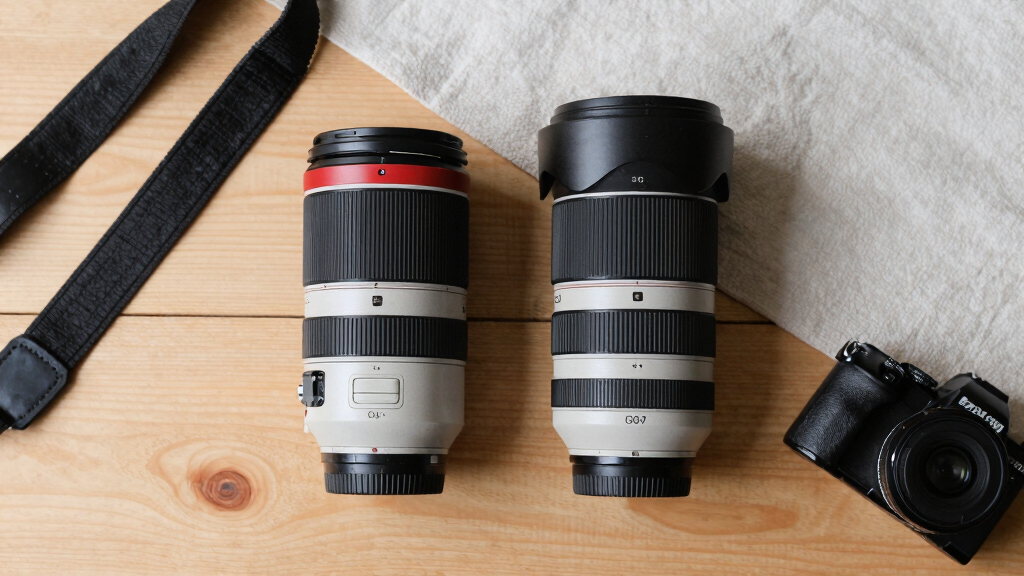

When searching for the best 24-70mm lenses for event photography, versatility, speed, and image quality are key factors. The Sony FE 24-70mm f/2.8 GM II stands out as the overall top choice thanks to its sharpness and build quality. The Canon RF 24-70mm f/2.8 L is USM offers excellent image stabilization for dynamic shoots, while the Sigma 24-70mm f/2.8 DG DN II provides a more affordable option without sacrificing too much performance. The main tradeoffs involve balancing cost against features like aperture, autofocus speed, and weight. Continue reading for a detailed breakdown of each lens and how they compare.
Key Takeaways
- The Sony FE 24-70mm f/2.8 GM II is the best overall for its combination of sharpness, build, and autofocus speed.
- Canon’s RF 24-70mm f/2.8 L USM excels for videographers and those needing superior stabilization.
- Sigma’s 24-70mm f/2.8 DG DN II offers a compelling blend of performance and affordability for budget-conscious buyers.
- Weight and size vary significantly; lighter options are better for extended event shoots where mobility is key.
- Price differences often reflect added features like stabilization, weather sealing, and autofocus speed, so prioritize based on your event type.




More Details on Our Top Picks
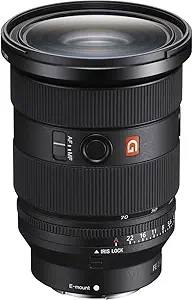
Sony FE 24-70mm f/2.8 GM II Lens (Sony E) (SEL2470GM2) + Filter Set + Cap Keeper + Cleaning Set (Renewed)
This lens stands out for its combination of size reduction and optical upgrades that make it a highly adaptable choice for both photography and videography, outperforming older models like the Sony FE 24-70mm f/2.8 GM in weight and handling. Its revamped optics with XA and Super ED elements deliver exceptional resolution and beautiful bokeh, making it ideal for event shooters who need sharp images in varied lighting conditions. The inclusion of a filter kit and cleaning set adds value for on-the-go shooting. Compared to the Sony GM, this model offers a more compact form factor without sacrificing image quality, though it may lack some of the autofocus speed and silent operation of newer Sony G Master lenses. Its dust and moisture resistance make it suitable for outdoor events. Tradeoffs involve a slightly higher price and the absence of in-lens stabilization, which some might find limiting in certain scenarios.
Pros:- Significantly smaller and lighter than previous GM models
- Revamped optical design with XA and Super ED elements for sharpness
- Excellent bokeh and resolution suitable for dim or complex lighting
Cons:- Lacks in-lens stabilization, relying on camera stabilization instead
- Premium price point may be a barrier for amateurs
Best for: professional event photographers who prioritize optical excellence and portability
Not ideal for: beginners or those on a tight budget who might prefer stabilized or less expensive alternatives
- Full-Frame Compatible:Yes
- Maximum Aperture:f/2.8
- Minimum Aperture:f/22
- Weight:Approx. 1.2 pounds
- Lens Elements:4 ED, XA, Nano Coatings
- Focus Motor:XD Linear AF
- Weather Resistance:Dust and moisture resistant
- Filter Size:82mm
Bottom line: This lens makes the most sense for seasoned professionals demanding top-tier image quality without added bulk.
Canon EF 24-70mm f/2.8L USM Standard Zoom Lens for Canon SLR Cameras (Renewed)
This lens offers a solid, dependable option for Canon DSLR shooters who want a consistent f/2.8 aperture and robust build, comparable in focal range to the Sigma 24-70mm but with a focus on classic USM autofocus for quiet operation. It provides excellent image quality with minimal chromatic aberration thanks to its Ultra-low Dispersion glass and aspherical elements. While it doesn’t feature modern image stabilization, its USM motor ensures quick and quiet focusing, making it suitable for dynamic event coverage. Compared to the Sigma bundle, this lens is more traditional and proven but might lack some of the latest coatings and optical refinements. Its full-metal construction and weather sealing make it ideal for challenging outdoor environments. The main tradeoff involves potential weight and a slightly less modern lens design.
Pros:- Proven USM autofocus for quick, quiet operation
- Robust, weather-sealed construction
- Excellent optical correction with low chromatic aberration
Cons:- No image stabilization, which can be limiting in handheld video
- Older design may be heavier and less compact than newer lenses
Best for: Canon DSLR shooters who need a reliable, weather-sealed zoom for event work
Not ideal for: users of mirrorless cameras or those seeking the latest optical innovations
- Mount:Canon EF
- Maximum Aperture:f/2.8
- Focus Type:USM
- Weight:Approx. 2.2 pounds
- Lens Elements:Ultra-low Dispersion, aspherical
- Weather Resistance:Yes
- Filter Size:77mm
Bottom line: This lens is best suited for Canon DSLR photographers who value durability and proven performance over the latest tech.
Sigma 24-70mm f2.8 DG DN II Art Lens Sony E, Full Frame Format, Six SLD Elements, Rounded 11-Blade, Godox Flash TT350S Mini, 64GB Extreme PRO Memory Card & Waith Cleaning Cloth (Bundle Set)
This Sigma bundle caters to photographers who want a versatile zoom paired with essential accessories to elevate their event photography. The Sigma 24-70mm f/2.8 DG DN II Art lens is renowned for its sharpness, six SLD elements for minimizing chromatic aberration, and a sleek, lightweight design that outperforms many OEM lenses in handling. Its autofocus is fast and quiet, comparable to Sony’s GM lenses, but at a lower price point. The included Godox flash and memory card provide immediate tools for shooting in challenging lighting, making this an excellent value pick. Compared to higher-end Sony GM lenses, the Sigma offers similar optical performance but with fewer advanced coatings and slightly less refined autofocus. The bundle’s main tradeoff is that it lacks in-lens stabilization, relying on camera IS and user stability.
Pros:- Sharp optical quality with six SLD elements
- Lightweight and compact for travel and event use
- Bundle includes flash, memory card, and cleaning cloth for immediate use
Cons:- No in-lens stabilization, which may affect handheld shots
- Compared to Sony GM, slightly less advanced coatings and flare resistance
Best for: enthusiast photographers seeking high performance with a comprehensive accessory set
Not ideal for: professional shooters needing the absolute fastest autofocus and stabilization
- Focal Length:24-70mm
- Maximum Aperture:f/2.8
- Focus Motor:HLA (High-speed Linear AF)
- Weight:Approx. 1.2 pounds
- Lens Elements:6 SLD, 11-blade diaphragm
- Compatibility:Sony E Full Frame
- Water Resistance:No
- Bundle Includes:Godox TT350S flash, 64GB SD card, cleaning cloth
Bottom line: This bundle delivers excellent value for photographers who want a capable lens with essential accessories for diverse event scenarios.
Sony SEL2470GM2 FE 24-70mm f/2.8 GM II Full-Frame Constant-Aperture G-Master Standard Zoom Lens
This lens is distinguished by its lightweight design and cutting-edge autofocus technology, making it ideal for fast-paced event coverage. Weighing just over a pound, it is significantly lighter than the Sony GM, yet it maintains top-tier optical performance with XA and ED elements that deliver superb resolution at f/2.8. Its advanced AF system with XD Linear Motors offers rapid, quiet focus perfect for both stills and video. Compared with the Sony GM II, it offers a more compact form factor without sacrificing much in optical quality, though it may lag slightly in overall build robustness. The reduced size enhances mobility, but it does not include in-lens stabilization, so users relying solely on in-body IS should consider this.
Pros:- Lightest in its class at just over 1 pound
- Fast, precise autofocus with quiet operation
- Excellent optical quality with minimal aberration
Cons:- No in-lens stabilization, relying on camera stabilization
- Premium cost, though slightly less than Sony GM II
Best for: professional videographers and photographers needing lightweight, high-speed autofocus
Not ideal for: users seeking built-in stabilization or on a tighter budget
- Full-Frame Compatible:Yes
- Maximum Aperture:f/2.8
- Weight:Approx. 1.3 pounds
- Focus Motor:XD Linear AF
- Lens Elements:XA, ED, Super ED
- Image Stabilization:No
- Filter Size:82mm
- Autofocus Speed:Fast and quiet
Bottom line: This lens suits professionals who prioritize mobility and autofocus performance in a lightweight, high-quality package.
Canon RF 24-70mm f/2.8 L is USM Lens – Pro Standard Zoom with Image Stabilization for Events, Portraits, Weddings & Video (3680C002) + 64GB Memory Card
This Canon lens combines professional-grade optics with built-in image stabilization, making it an excellent choice for event photographers working in low light or on the move. Its versatile 24-70mm range covers most situations, from wide shots to tight portraits, with a bright f/2.8 aperture for excellent background blur. The USM focus motor ensures quick, silent autofocus, ideal for both stills and video. Compared to the Sony GM II, this lens offers added stabilization, which can be crucial for handheld shooting in dynamic settings. Its weather-sealed, durable construction further enhances reliability in outdoor environments. However, it’s heavier and bulkier than compact mirrorless options, which might be a drawback for those seeking extreme portability.
Pros:- Built-in image stabilization for handheld shooting
- Fast and silent USM autofocus
- Weather-sealed, rugged design for outdoor use
Cons:- Heavier and larger than some mirrorless lenses
- Premium price may be a concern for casual shooters
Best for: Canon mirrorless shooters who need a reliable, stabilized zoom for professional event coverage
Not ideal for: users with Canon DSLR bodies or those seeking the smallest lens option
- Mount:Canon RF
- Maximum Aperture:f/2.8
- Focus Motor:USM
- Weight:Approx. 2.2 pounds
- Image Stabilization:Yes
- Weather Resistance:Yes
- Filter Size:82mm
Bottom line: This lens is ideal for Canon RF users who want a sturdy, stabilized zoom capable of handling diverse event environments.
Canon EF 24-70mm f/2.8L II USM Standard Zoom Lens Black
This lens stands out for its exceptional sharpness and durable build, making it the go-to choice for professionals who need reliable image quality across various event scenarios. Compared with the Sigma 24-70mm f/2.8 DGDN II, it offers slightly superior optical clarity and faster autofocus, though at a higher price and weight. Its constant f/2.8 aperture ensures excellent subject separation in low light, and the robust construction resists dust and moisture, ideal for demanding environments. The main tradeoff is its weight and the absence of image stabilization, which can be tiring during extended handheld shoots. This pick makes the most sense for seasoned event shooters and photojournalists who prioritize durability and top-tier optics over portability. Specs include a focal length of 24-70mm, 82mm filter size, f/2.8 maximum aperture, 9 diaphragm blades, 1.25 ft closest focus, and USM autofocus.Pros:- Unmatched sharpness throughout the zoom range
- Solid, weather-sealed construction for tough environments
- Fast, accurate autofocus with full-time manual override
Cons:- Relatively heavy and bulky for all-day handheld use
- No image stabilization, which can be a drawback in low-light situations
Best for: Professional event photographers who need a versatile, high-performance lens for diverse conditions.
Not ideal for: Amateur shooters or those seeking lightweight gear, due to its weight and lack of stabilization.
- Focal Length:24-70mm
- Maximum Aperture:f/2.8
- Filter Size:82mm
- Closest Focusing Distance:1.25 feet
- Lens Mount:Canon EF
- Diaphragm Blades:9
- Image Stabilization:No
- Weight:805 grams
Bottom line: This lens is perfect for seasoned professionals demanding exceptional image quality and durability despite its weight.
24-70mm F2.8 DGDN II for Sony E
This lens makes a compelling case for Sony shooters needing a sharp, reliable zoom with consistent performance across the entire zoom range. Compared to the Canon RF24-105mm f/2.8 L USM, it offers a more specialized focal range with a fast aperture, though lacking stabilization. Its high sharpness and excellent contrast make it suitable for event photography, capturing both wide scenes and intimate portraits. The lens’s optical formula, including aspherical and ED elements, ensures minimal aberrations, but it does lack optical stabilization, which could be a concern in handheld low-light conditions. This lens is ideal for Sony mirrorless users who want a professional-grade, compact zoom for dynamic event coverage. Specs include a focal length of 24-70mm, f/2.8 maximum aperture, 82mm filter size, optical design with aspherical elements, and silent AF motor.Pros:- Excellent edge-to-edge sharpness and contrast
- Compact and lightweight for a professional zoom
- Fast, quiet autofocus suitable for video work
Cons:- No optical stabilization, potentially affecting handheld shots
- Price is relatively high for a non-stabilized lens
Best for: Sony full-frame event photographers seeking a sharp, portable zoom for versatile shooting.
Not ideal for: Sony APS-C users or those needing stabilization, as the lens is designed primarily for full-frame and lacks OSS.
- Focal Length:24-70mm
- Maximum Aperture:f/2.8
- Filter Size:82mm
- Lens Mount:Sony E
- Optical Elements:Aspherical, ED
- Autofocus:Silent Wave Motor
- Weight:745 grams
- Water Resistance:Water Resistant
Bottom line: This lens provides Sony mirrorless shooters with superb optical quality in a compact form, best suited for those comfortable with no stabilization.
Canon EF 24-70mm f/2.8L USM Standard Zoom Lens for Canon SLR Cameras
This lens remains a staple for Canon DSLR shooters who want a dependable, high-quality zoom for event coverage. Compared with the newer EF 24-70mm f/2.8L II, it offers slightly less sharpness and build refinement but still delivers excellent image quality and durability. Its constant f/2.8 aperture and fast USM autofocus make it suitable for low-light environments and quick shot scenarios. The sealed design protects against dust and moisture, making it a solid choice for outdoor events. A key tradeoff is its weight—over 2 pounds—and the absence of image stabilization, which can be limiting for handheld shooting in dynamic settings. This lens is ideal for Canon photographers who prefer tried-and-true gear with reliable performance. Specs include a 77mm filter size, 24-70mm focal range, f/2.8 aperture, 13 lens elements, and USM autofocus.Pros:- Reliable autofocus and consistent image quality
- Sealed against dust and moisture for outdoor use
- Excellent optical performance with UD and aspherical elements
Cons:- Heavy and somewhat bulky for all-day handheld shooting
- No image stabilization, limiting in low-light conditions
Best for: Canon DSLR shooters seeking a rugged, proven zoom lens for professional event photography.
Not ideal for: Travelers or shooters prioritizing lightweight gear, due to its heft and lack of stabilization.
- Focal Length:24-70mm
- Maximum Aperture:f/2.8
- Filter Size:77mm
- Closest Focus Distance:1.25 feet
- Lens Elements:13
- Autofocus:USM
- Weight:2.1 pounds
- Water Resistance:Not Water Resistant
Bottom line: A dependable workhorse for Canon DSLR users who value durability and proven optical excellence despite weight considerations.
Nikon 24-70mm f/2.8G ED Auto Focus-S Nikkor Wide Angle Zoom Lens (Renewed)
This lens offers Nikon DSLR users a well-rounded, high-performance zoom with excellent sharpness and contrast across the frame. Compared to the Canon EF 24-70mm f/2.8L II, it provides comparable optical quality but is tailored specifically for Nikon’s sensor formats, including DX crop cameras. Its Nano Crystal Coat reduces flare and ghosting, enhancing image clarity in challenging lighting conditions. The inclusion of two ED elements minimizes chromatic aberrations, making it suitable for detailed event work. Autofocus is fast and quiet thanks to Nikon’s SWM technology, making it suitable for capturing fleeting moments. The main downside is that, as a used or renewed lens, it may carry some uncertainty in longevity, and it lacks stabilization. This lens suits Nikon professionals or serious enthusiasts needing sharpness and reliability. Specs include a focal range of 24-70mm, f/2.8 maximum aperture, 77mm filter size, ED and aspherical elements, and a 90-day warranty on renewed models.Pros:- Outstanding sharpness and contrast across the zoom range
- Effective flare reduction thanks to Nano Crystal Coat
- Fast, quiet autofocus with solid build quality
Cons:- Lacks optical stabilization, which can limit handheld low-light shooting
- Renewed unit may have less guaranteed longevity
Best for: Nikon DSLR event photographers seeking a sharp, reliable zoom with excellent optical qualities for professional use.
Not ideal for: Entry-level Nikon users on a tight budget or those needing stabilization for handheld shots.
- Focal Length:24-70mm
- Maximum Aperture:f/2.8
- Filter Size:77mm
- Optical Elements:ED, Aspherical
- Autofocus:Silent Wave Motor
- Weight:Approximately 900 grams
- Water Resistance:Not Water Resistant
- Warranty:90-day (renewed)
Bottom line: This Nikon lens provides professional-level sharpness and durability ideal for serious event photography, with considerations for stabilization and used status.
Canon RF24-70mm F2.8 L is USM Lens, Standard Zoom Lens, Compatible with EOS R Series Mirrorless Cameras, Black
The Canon RF 24-70mm F2.8 L is USM stands out for its combination of exceptional image quality, fast autofocus, and weather resistance, making it an ideal choice for professional event shooters who need reliability across various scenarios. Compared with the Sony GM lens, it offers slightly better weather sealing and a more refined control ring, but at a higher price and size. This lens’s bright f/2.8 aperture and close focusing distance support creative depth of field effects and macro-like shots, essential for capturing detailed moments in fast-paced environments. Its optical image stabilization of up to 5 stops enhances handheld performance in low light, though some may find it a bit bulky for extended carry. The Nano USM technology ensures quiet, high-speed autofocus suitable for video and stills. However, the lens’s weight and cost could be limiting factors for non-professionals or those seeking more portability. This lens makes the most sense for experienced photographers who prioritize top-tier quality and weather resistance in demanding event settings.
Pros:- Exceptional image quality with sharpness throughout the zoom range
- Fast, smooth autofocus with Nano USM technology
- Weather-resistant construction with fluorine coating
Cons:- Relatively heavy and bulky, which can be tiring for all-day shooting
- Higher price point may be prohibitive for hobbyists
- Focus breathing can be noticeable in video if not managed
Best for: Professional event photographers who need a versatile, high-performance lens with weather sealing.
Not ideal for: Amateur shooters or travelers seeking lightweight gear, due to its size and premium price.
- Maximum Focal Length:70 Millimeters
- Minimum Focal Length:24 Millimeters
- Aperture Range:f/2.8
- Lens Coating:Air Sphere and Fluorine Coatings
- Optical Image Stabilization:Up to 5 stops
- Compatible Camera Mount:Canon RF
- Weight:898 Grams
- Weather Resistance:Dust and Weather-Resistant
Bottom line: This lens is best suited for seasoned professionals who demand durability, top image quality, and versatility in any event setting.
Sony SEL2470GM E-Mount Camera Lens: FE 24-70 mm F2.8 G Master Full Frame Standard Zoom Lens
The Sony FE 24-70mm F2.8 GM is distinguished by its outstanding optical precision, minimal chromatic aberration, and robust build, making it a top pick for photographers who prioritize image clarity and sharpness in fast-paced event photography. Unlike the Canon RF lens, it lacks built-in stabilization, so shooters relying on IBIS with their Sony A7 series cameras will find it advantageous. The XA (extreme aspherical) elements and Super ED glass minimize distortions and aberrations, ensuring crisp images from corner to corner. Its compact and weather-sealed design makes it suitable for on-the-go shooting in various conditions, and the quiet DDSSM focus motor is perfect for video work. However, its lack of optical stabilization might be a concern for handheld shooting in low light, and its weight, while lighter than some full-frame zooms, still requires consideration for all-day use. This lens is ideal for experienced shooters who demand top-tier resolution and a compact form factor for dynamic event coverage.
Pros:- Exceptional resolution with minimal chromatic aberration
- Robust, weather-sealed build suitable for outdoor events
- Quiet autofocus motor ideal for video and candid shots
Cons:- No optical image stabilization, relying on camera IBIS
- Heavier than some comparable zooms, which could fatigue long shoots
- Higher cost due to G Master branding
Best for: Event photographers who need the highest optical quality and are equipped with Sony cameras supporting in-body stabilization.
Not ideal for: Beginners or those needing built-in stabilization, as the lens itself does not support optical stabilization and may be less forgiving in handheld low-light conditions.
- Maximum Focal Length:70 Millimeters
- Minimum Focal Length:24 Millimeters
- Maximum Aperture:f/2.8
- Lens Coating:Nano AR Coating
- Focus Motor:Direct Drive Super Sonic wave Motor (DDSSM)
- Weight:2 Pounds
- Weather Resistance:Yes
- Aperture Blades:9 Circular Blades
Bottom line: This lens excels for professional event shooters who prioritize image perfection and operate with stabilization-equipped Sony bodies.

How We Picked
I evaluated these lenses based on their performance in fast-paced, unpredictable event environments, focusing on image quality, autofocus reliability, and handling. Durability and weather resistance were also important for outdoor or long events. Cost was considered relative to features, ensuring each lens offers good value without unnecessary extras. The ranking emphasizes versatility, low-light performance, and ease of use, which are critical for capturing spontaneous moments. Lenses that excel in these areas naturally rose to the top, while tradeoffs like size or price helped refine the selection for different user needs.Factors to Consider When Choosing Best 24 70mm Lenses For Event Photography
Choosing the best 24-70mm lens for event photography involves balancing several factors. First, consider the aperture; a wider f/2.8 allows better low-light performance and subject separation, vital for indoor or evening events. Autofocus speed and accuracy are equally important because capturing fleeting moments requires reliability. Size and weight influence comfort during long shoots, so lighter models can reduce fatigue. Weather sealing adds durability for outdoor events, while stabilization is crucial if you’ll shoot handheld in dynamic environments. Lastly, compatibility with your camera system and budget constraints should guide your decision-making process.Aperture and Low-Light Performance
An aperture of f/2.8 is standard for professional event lenses, providing excellent light gathering capabilities and depth control. This is especially important in dimly lit venues or evening settings where flash may not be permitted. However, lenses with wider apertures (like f/2.0) tend to be more expensive and heavier, so weighing the benefits against your budget and handling comfort is vital. Remember, a constant aperture throughout the zoom range simplifies shooting in varying lighting conditions, making f/2.8 models highly desirable.
Autofocus Speed and Accuracy
Fast, reliable autofocus is essential for capturing candid moments without blurring, particularly in unpredictable event scenarios. Cameras paired with lenses featuring advanced autofocus motors, such as USM or STM, tend to perform better. Consider how quickly the lens can lock onto subjects at different focal lengths and whether it maintains focus in low light. Some lenses also offer eye-tracking or face detection, which can be game-changers in busy environments.
Size, Weight, and Handling
Event photography often involves long hours and moving around a lot. Lenses that are lighter and more compact can significantly reduce fatigue. However, smaller lenses sometimes compromise on build quality or feature set. Balance portability with durability—weather-sealed lenses, although often heavier and pricier, provide peace of mind in outdoor settings. Assess your typical shooting style; if you prefer handheld shooting over tripod work, prioritize ergonomics and weight.
Durability and Weather Resistance
Events can take place outdoors or in unpredictable environments, so a lens with weather sealing can prevent damage from dust, moisture, or sudden rain. While these features usually add to the cost and weight, they extend the lens’s lifespan and reliability. Consider this investment if you frequently shoot in challenging conditions, but recognize that sealed lenses tend to be bulkier and more expensive.
Price and Compatibility
Matching your lens choice with your camera system is fundamental. Mirrorless systems often favor compact, lightweight lenses like Sigma’s DG DN series, while DSLR users might prioritize traditional brands with extensive lens ecosystems. Budget constraints are real, but investing in a lens with better autofocus, stabilization, and build quality often pays off in the long run by saving you from needing upgrades or repairs. Be mindful of your specific event types—more demanding environments may justify higher investment.
Frequently Asked Questions
Is a constant f/2.8 aperture necessary for event photography?
A constant f/2.8 aperture provides consistent low-light performance and control over depth of field, which is beneficial in many event scenarios. It allows you to shoot in dim environments without raising ISO excessively or sacrificing image quality. While some photographers opt for slightly smaller apertures like f/4, they may struggle in low-light settings or with subject separation. Therefore, if your events often occur indoors or in low-light conditions, a lens with f/2.8 remains a strong choice.
Should I prioritize image stabilization in my 24-70mm lens?
Image stabilization can be a significant advantage during handheld shooting, especially in dynamic event environments where using a tripod isn’t practical. Stabilization helps minimize camera shake, resulting in sharper images at slower shutter speeds. However, it adds to the cost and weight of the lens. If you primarily shoot with a tripod or in well-lit venues, stabilization might be less critical. For fast-paced, handheld event work, a lens with effective stabilization is highly recommended.
Are sealed lenses worth the extra cost for event photography?
Weather-sealed lenses offer protection against dust, moisture, and light rain, making them more durable during outdoor or unpredictable conditions. Investing in sealed lenses is worthwhile if your events often take place outside or in challenging environments. While they tend to be heavier and more expensive, the added durability can prevent costly repairs and downtime. For indoor or controlled settings, non-sealed lenses may suffice, offering better portability at a lower price.
How important is autofocus speed for capturing moments at events?
Fast autofocus is critical in event photography where moments happen quickly and unpredictably. A lens with rapid, accurate focusing ensures you don’t miss fleeting expressions or decisive moments. Features like dual autofocus motors or face/eye detection further enhance performance. If your style involves candid shots and spontaneous action, prioritizing autofocus speed and reliability will improve your results significantly.
Is it better to buy a zoom or prime lens for event shooting?
For events, a versatile zoom like the 24-70mm offers the flexibility to handle different scenarios without changing lenses, saving time and reducing missed shots. Prime lenses typically offer wider apertures and sharper images but lack zoom capability, which can limit your framing options in fast-paced environments. The 24-70mm zoom strikes a good balance, allowing quick adjustments and covering a broad focal range suitable for various event types.
Conclusion
For those seeking the best overall performance, the Sony FE 24-70mm f/2.8 GM II is the top pick thanks to its exceptional sharpness and autofocus. Budget-conscious photographers or those starting out should consider the Sigma 24-70mm f/2.8 DG DN II for solid performance at a lower price point. Professionals needing durability and advanced stabilization might lean toward the Canon RF 24-70mm f/2.8 L USM. Beginners or casual shooters will benefit from lighter, more manageable options, while outdoor or tough environments warrant weather-sealed models. Ultimately, your choice should align with your typical shooting conditions, experience level, and budget constraints.