
If you’re searching for the best full frame cameras for low light creators, you’re likely after equipment that excels in capturing clear, detailed images in challenging lighting conditions. The Sony FX3 stands out as the overall top pick for its exceptional low-light performance and professional video features, while the Canon EOS R6 Mark II offers a balanced mix of speed and versatility. The main tradeoffs in this category involve balancing sensor sensitivity, autofocus capabilities, and price—more advanced models often come with a higher cost and complexity. Continue reading to see a detailed breakdown of these options and find the best fit for your creative needs.
Key Takeaways
- Sensor performance in low light is the most critical factor, with larger sensors and newer tech providing better results.
- Autofocus speed and accuracy in dim conditions can greatly impact usability for dynamic shooting scenarios.
- Video capabilities and stabilization features are vital for creators working in low light environments with moving subjects.
- Budget models often compromise on high ISO performance, so investing more can significantly improve low-light results.
- Portability and lens availability play roles in practical shooting, especially for creators on the go.
| Sony FX2 Full-Frame Cinema Camera Body Only, Gray |  | Best for Professional Filmmakers Needing Low Light Flexibility | Sensor Type: Full-Frame Exmor R CMOS | Resolution: 33 MP | Dynamic Range: 15+ stops | VIEW LATEST PRICE | See Our Full Breakdown |
| Sony Alpha 7 IV Full-Frame Mirrorless Interchangeable Lens Camera with 28-70mm Zoom Lens Kit |  | Best for Versatile Creators Balancing Low Light and Still Photography | Sensor Resolution: 33 MP | Video Resolution: 4K 60p 10-bit | Image Processor: BIONZ XR | VIEW LATEST PRICE | See Our Full Breakdown |
| Nikon Z5 II | Full-Frame mirrorless Stills/Video Camera | USA Model, Black |  | Best for Low-Light Photographers Who Also Value Video Features | Sensor Resolution: 24.5 MP | Autofocus: -10EV detection | In-Body Stabilization: 7.5 stops | VIEW LATEST PRICE | See Our Full Breakdown |
| Sony Alpha 7 V Full-Frame Hybrid Mirrorless Camera: 30fps Blackout-Free Shooting, AI Autofocus, 5-Axis in-Body Stabilization (Body only) |  | Best for Cutting-Edge Creators Needing Speed and Low-Light Precision | Sensor Type: Partially stacked Exmor RS CMOS | Dynamic Range: Up to 16 stops | Frame Rate: 30 fps blackout-free | VIEW LATEST PRICE | See Our Full Breakdown |
| Canon EOS R6 Mark II Mirrorless Camera RF24-105mm F4-7.1 is STM Lens Kit |  | Best for Enthusiasts Who Want Reliable Low-Light Hybrid Shooting | Sensor Resolution: 24.2 MP | ISO Range: 100-102400 | Autofocus: Down to -6EV | VIEW LATEST PRICE | See Our Full Breakdown |
| Sony FX3 Full-Frame Cinema Line Camera (V2) |  | Best for Cinematic Low Light Performance | Sensor Type: Full-Frame CMOS | Video Resolution: 4K 120p | Dynamic Range: 15+ stops | VIEW LATEST PRICE | See Our Full Breakdown |
| Canon EOS RP Full-Frame Mirrorless Interchangeable Lens Camera + RF24-105mm Lens F4-7.1 is STM Lens Kit |  | Best Compact Full Frame for Low Light Creators on a Budget | Sensor Resolution: 26.2 MP | Image Stabilization: Optical | Lens Focal Range: 24-105mm | VIEW LATEST PRICE | See Our Full Breakdown |
| Blackmagic Design Cinema Camera 6K, Full Frame Sensor, L Mount |  | Best for Cinematic Low Light Video and Image Quality | Sensor Type: Full-Frame | Resolution: 6K | Dynamic Range: 13 stops | VIEW LATEST PRICE | See Our Full Breakdown |
| Sony ILCE-7M3K/B a7 III 24.2MP Full Frame Mirrorless Camera w 28-70mm Lens |  | Best Versatile Hybrid for Low Light Photography and Video | Sensor Resolution: 24.2 MP | Autofocus Points: 693 | ISO Range: 50-204,800 | VIEW LATEST PRICE | See Our Full Breakdown |
| Canon EOS R50 Mirrorless Camera RF-S18-45mm F4.5-6.3 is STM Lens Kit | 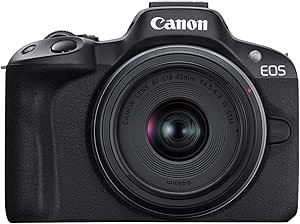 | Best Entry-Level for Low Light Content Creators | Sensor Resolution: 24.2 MP | Autofocus: Deep learning tracking | Video Resolution: 4K 30 fps | VIEW LATEST PRICE | See Our Full Breakdown |
More Details on Our Top Picks
Sony FX2 Full-Frame Cinema Camera Body Only, Gray
The Sony FX2 stands out for its impressive 15+ stops of dynamic range and dual base ISO (800/4000), making it highly suited for low light filmmaking where detail in shadows and highlights is critical. Compared with the Sony Alpha 7 IV, the FX2’s cinema-oriented features and log modes provide superior control over image quality in challenging lighting, though it sacrifices some still photography versatility and ease of use. Its flexible Log shooting modes and high mobility make it ideal for solo shooters on set, yet the complexity of its interface can overwhelm beginners. The 33MP full-frame CMOS sensor delivers excellent resolution, but the camera’s primary focus on video means still shooters might find the controls less intuitive. This pick makes the most sense for professional videographers working in variable low-light conditions who require expandability and reliability in demanding environments.
Pros:- Exceptional 15+ stops of dynamic range for rich low-light footage
- Dual base ISO enhances flexibility in varying lighting conditions
- Log modes enable advanced color grading and post-production control
- Compact, lightweight design improves mobility for solo shooting
Cons:- Limited still photography features and lower resolution compared to dedicated still cameras
- Steep learning curve for users unfamiliar with cinema cameras
- High price point may be prohibitive for hobbyists
Best for: Professional filmmakers and videographers who need exceptional low-light performance and cinematic control.
Not ideal for: Casual shooters or photographers primarily interested in stills, as the FX2’s cinema features add complexity and price without significant benefit for still photography.
- Sensor Type:Full-Frame Exmor R CMOS
- Resolution:33 MP
- Dynamic Range:15+ stops
- ISO Range:800/4000 Dual Base ISO
- Video Resolution:4K UHD 2160p
- Viewfinder:Electronic EVF
Bottom line: This camera is best suited for professional videographers who need high low-light capability and extensive cinematic options, despite its complexity.
Sony Alpha 7 IV Full-Frame Mirrorless Interchangeable Lens Camera with 28-70mm Zoom Lens Kit
The Sony Alpha 7 IV makes this list for its balanced combination of high-resolution 33MP sensor and advanced BIONZ XR processing, enabling strong low-light performance with good detail retention. Unlike the FX2, the Alpha 7 IV is more approachable for hybrid shooters who want both high-quality stills and decent video capabilities, though it doesn’t match the FX2’s cinematic log modes or dynamic range. Its 4K 60p 10-bit recording and S-Cinetone color profile support professional-grade video, yet some users may find the autofocus system less specialized for low-light conditions compared to dedicated cinema models. The camera’s improved sensor and processing engine make it a reliable choice for creators needing flexibility across photo and video, but it does not excel in extreme low-light environments like dedicated cinema gear. This makes it an excellent pick for hybrid creators who prioritize both low-light stills and quality video.
Pros:- High-resolution 33MP sensor with solid low-light performance
- 8x more powerful BIONZ XR engine improves image quality and speed
- 4K 60p 10-bit recording with S-Cinetone color profile
- Versatile for both photography and videography
Cons:- Slightly less cinematic log options compared to FX2
- Autofocus system less optimized for extreme low-light conditions
- Price premium for high-end hybrid capabilities
Best for: Content creators who need a capable all-rounder for low-light photography and high-quality video production.
Not ideal for: Pure videographers or low-light specialists who require cinema-grade log options and maximum dynamic range, as it lacks the cinema-specific features of the FX2.
- Sensor Resolution:33 MP
- Video Resolution:4K 60p 10-bit
- Image Processor:BIONZ XR
- ISO Range:100-51200 (expandable to 50-204800)
- Autofocus:Hybrid AF with Eye Detection
- Display:Articulating LCD
Bottom line: This camera is ideal for hybrid creators seeking a versatile full-frame system that performs well in low light for both stills and video, with some compromises on cinematic features.
Nikon Z5 II | Full-Frame mirrorless Stills/Video Camera | USA Model, Black
The Nikon Z5 II earns a place here for its strong low-light autofocus capabilities, detecting down to -10EV, and its 7.5 stops of in-body stabilization, making it suitable for handheld shooting in dim environments. Compared to the Sony Alpha 7 IV, the Nikon offers a brighter EVF and dual SD UHS-II slots, appealing to photographers who need reliable storage and viewfinder clarity in low light. While it doesn’t feature the same cinematic log options, its high ISO sensitivity and impressive autofocus make it a reliable tool for low-light still photography and video. Its 24.5MP sensor provides excellent detail, but it may fall short in extreme low-light conditions compared to cinema-centric models like the FX2. This is a solid choice for dedicated low-light photographers who also shoot video.
Pros:- Autofocus detection down to -10EV for excellent low-light focusing
- In-body stabilization with 7.5 stops of correction
- Bright, detailed electronic viewfinder
- Dual SD UHS-II slots for flexible storage
Cons:- Limited cinematic log options compared to FX2
- Lower resolution (24.5MP) than some competitors for large prints
- Less suitable for extreme low-light cinema use
Best for: Low-light photographers looking for a dependable hybrid camera with good stabilization and autofocus in dim conditions.
Not ideal for: High-end cinema production professionals who need extensive log modes and maximum dynamic range, as it’s more geared toward stills and general video.
- Sensor Resolution:24.5 MP
- Autofocus:-10EV detection
- In-Body Stabilization:7.5 stops
- Viewfinder:Electronic, Bright
- Memory Slots:2 SD UHS-II
- Video Resolution:4K
Bottom line: This camera is perfect for low-light photographers who want reliable autofocus and stabilization for both stills and casual video, with some limitations in cinematic features.
Sony Alpha 7 V Full-Frame Hybrid Mirrorless Camera: 30fps Blackout-Free Shooting, AI Autofocus, 5-Axis in-Body Stabilization (Body only)
The Sony Alpha 7 V excels with its partially stacked Exmor RS CMOS sensor, offering up to 16 stops of dynamic range and fast readout speeds that support blackout-free bursts at 30 fps—ideal for low-light action and fast-paced shooting. Its AI-based Real-time Recognition AF and advanced tracking outperform many competitors like the Nikon Z5 II in subject recognition, especially in dim lighting. While it provides exceptional low-light still and video performance with ISO expandable to 204800, its high price and complex interface might be daunting for casual users. The 33MP sensor, combined with in-body stabilization and 4K 120p video, makes it a top choice for demanding creators who want speed, precision, and excellent low-light capability in one package.
Pros:- Up to 16 stops of dynamic range for detailed low-light images
- Fast 30 fps blackout-free shooting with AF/AE tracking
- AI-enhanced Real-time Recognition AF for accurate subject tracking in dim conditions
- 4K 120p video for versatile high-quality recording
Cons:- Premium price limits accessibility for casual users
- High complexity may require learning curve
- Large file sizes demand substantial storage
Best for: High-end content creators and professionals needing rapid autofocus and excellent low-light video and stills for dynamic environments.
Not ideal for: Budget-conscious hobbyists or those primarily focused on static low-light photography, as its advanced features come with a higher cost and complexity.
- Sensor Type:Partially stacked Exmor RS CMOS
- Dynamic Range:Up to 16 stops
- Frame Rate:30 fps blackout-free
- Video Capabilities:4K 120p
- ISO Range:Expandable to 204800
- Autofocus:AI-based Real-time Recognition
Bottom line: This camera is ideal for professionals who need speed, AI-driven focus, and top-tier low-light performance, despite its cost and complexity.
Canon EOS R6 Mark II Mirrorless Camera RF24-105mm F4-7.1 is STM Lens Kit
The Canon EOS R6 Mark II earns its spot for its 24.2MP full-frame sensor and DIGIC X processor, delivering solid low-light autofocus detection down to -6EV and stable 5-axis in-body stabilization. Compared with the Nikon Z5 II, the R6 II’s autofocus system and Canon’s color science provide a more natural low-light performance, though it offers slightly lower maximum ISO sensitivity. Its 12 fps continuous shooting and 4K 120p video make it suitable for fast-moving low-light scenarios like events or vlogging. The included RF24-105mm lens offers versatility for various shooting conditions but may limit some ultra-wide or telephoto low-light applications. This camera makes good sense for enthusiasts who want dependable low-light capabilities combined with high-speed shooting and strong video features, though it’s less tailored to cinema-grade workflows.
Pros:- Solid low-light autofocus down to -6EV
- In-body stabilization with 5-axis correction
- Fast 12 fps continuous shooting
- Strong 4K 120p video performance
Cons:- Maximum ISO sensitivity slightly lower than cinema-focused cameras
- Lens kit limits ultra-wide and telephoto low-light options
- Less cinematic log options than FX2
Best for: Enthusiast photographers and videographers seeking reliable low-light performance in a versatile hybrid system.
Not ideal for: Professional filmmakers requiring extensive log modes and maximum cinematic control, as the R6 II is more of a hybrid than a cinema camera.
- Sensor Resolution:24.2 MP
- ISO Range:100-102400
- Autofocus:Down to -6EV
- In-Body Stabilization:5 stops
- Video Resolution:4K 120p
- Continuous Shooting:12 fps
Bottom line: This camera is well-suited for enthusiasts who need dependable low-light autofocus and stabilization for both photo and video, with some compromises on cinematic features.
Sony FX3 Full-Frame Cinema Line Camera (V2)
The Sony FX3 stands out for its exceptional low-light sensitivity and cinematic capabilities, thanks to its 15+ stop dynamic range and high sensitivity sensor. Compared to the Sony a7 III, it offers superior video quality and in-body cooling, allowing for uninterrupted 4K 60p recording—ideal for filmmakers working in challenging lighting. However, its focus on video means it lacks some still photography features, and its price can be a barrier for casual users. This camera makes the most sense for dedicated videographers or content creators prioritizing cinematic quality in low light, while still being portable enough for on-the-go shoots. It features a compact cage-free design, XLR top handle, and multiple mounting points, perfect for professional setups. The main tradeoff is its limited still photo functionality and higher cost.
Pros:- 15+ stop dynamic range for rich, cinematic images
- High sensitivity sensor ideal for low-light shooting
- Uninterrupted 4K 60p recording with in-body cooling
Cons:- Limited stills capabilities compared to hybrid models
- Higher price point may be prohibitive for amateurs
Best for: Professional videographers and filmmakers needing top-tier low-light video performance
Not ideal for: Casual photographers or users seeking advanced still photography features in a hybrid camera
- Sensor Type:Full-Frame CMOS
- Video Resolution:4K 120p
- Dynamic Range:15+ stops
- Inbody Cooling:Yes
- Mounting Points:¼”-20, multiple
- Audio Inputs:XLR
Bottom line: This camera is best for dedicated videographers who need cinematic quality in low-light conditions and are willing to invest in a premium tool.
Canon EOS RP Full-Frame Mirrorless Interchangeable Lens Camera + RF24-105mm Lens F4-7.1 is STM Lens Kit
The Canon EOS RP makes a compelling case for low-light creators who want full-frame quality without the bulk and cost of higher-end models. Its 26.2 MP sensor performs well in dim conditions, especially when paired with the versatile RF24-105mm lens, which offers stabilization and a broad zoom range. Unlike the Sony a7 III, the EOS RP is smaller and lighter, making it perfect for travel, vlogging, and casual low-light shooting. The autofocus is reliable, but it’s not as fast or advanced as newer models, and the lens’s maximum aperture of f/4-7.1 limits depth of field in very low light. This makes it ideal for hobbyists and vloggers who prioritize portability and value but less so for fast-action photography or professional low-light scenarios. Its affordable price and compact design are significant advantages, but the lens aperture is a clear compromise.
Pros:- Compact, lightweight design ideal for travel and vlogging
- Versatile RF24-105mm lens with stabilization and broad zoom range
- Good low-light performance for a budget-friendly full-frame camera
Cons:- Limited maximum aperture (f/4-7.1) reduces low-light depth of field control
- Autofocus not as fast as newer or higher-end models
Best for: Travelers, vloggers, and hobbyists seeking full-frame low-light performance in a lightweight package
Not ideal for: Fast-action sports or professional photographers needing maximum low-light aperture performance
- Sensor Resolution:26.2 MP
- Image Stabilization:Optical
- Lens Focal Range:24-105mm
- Maximum Aperture:F/4-7.1
- Weight:16 ounces
- Video Resolution:4K UHD
Bottom line: This camera is excellent for casual low-light shooting, travel, and content creation where size and cost matter most.
Blackmagic Design Cinema Camera 6K, Full Frame Sensor, L Mount
The Blackmagic Cinema Camera 6K excels in delivering stunning cinematic images with a full-frame sensor and 13 stops of dynamic range, making it ideal for low-light filmmaking and high-end video projects. Its native 6K resolution and dual gain ISO up to 25,600 mean it performs remarkably well in challenging lighting, with minimal noise. Compared with the Sony FX3, it offers professional-grade recording options and comes bundled with DaVinci Resolve Studio, providing an all-in-one editing and color correction suite. The camera’s relatively bulky body and external storage options may be less portable for casual shooters, and its primary focus on video rather than stills limits versatility. It’s best suited for indie filmmakers or videographers who need high-quality footage in low light, with the flexibility of external recording and professional color grading tools. The main tradeoff is its bulk and learning curve.
Pros:- 13 stops of dynamic range for rich low-light footage
- Native 6K resolution and dual ISO for minimal noise
- Includes DaVinci Resolve Studio for post-production
Cons:- Heavier and less portable than mirrorless options
- Primarily designed for video, less suited for still photography
Best for: Indie filmmakers and professional videographers seeking cinematic low-light footage
Not ideal for: Casual shooters or photographers needing a hybrid still/video camera
- Sensor Type:Full-Frame
- Resolution:6K
- Dynamic Range:13 stops
- ISO Max:25,600
- Recording Media:CFexpress Type B, USB-C SSD
- Included Software:DaVinci Resolve Studio
Bottom line: This camera is perfect for filmmakers who need cinematic quality and low-light performance in a professional-grade body, with an emphasis on video production.
Sony ILCE-7M3K/B a7 III 24.2MP Full Frame Mirrorless Camera w 28-70mm Lens
The Sony a7 III is a well-rounded full-frame mirrorless camera that balances high-quality stills and video, making it suitable for low-light creators who want flexibility. Its 24.2 MP back-illuminated sensor performs admirably in dim environments, and its fast hybrid autofocus with 693 phase-detection points ensures sharp focus even in challenging light. Compared to the Canon EOS R50, it offers more advanced low-light autofocus and better noise handling at higher ISO settings. Its 10 fps burst shooting and 4K 30p video make it appealing for versatile content creation. However, it’s bulkier than smaller models like the EOS R50, and its menu system can be complex for beginners. This pick makes the most sense for enthusiast photographers and videographers who need reliable low-light performance without sacrificing still image quality. The main tradeoffs are size and complexity versus ease of use.
Pros:- Excellent low-light autofocus with high ISO capabilities
- 693 phase-detection AF points for sharp focus in dim conditions
- 4K UHD video recording with in-body stabilization
Cons:- Relatively bulky compared to smaller mirrorless models
- Complex menu system for new users
Best for: Enthusiast photographers and videographers needing reliable low-light hybrid performance
Not ideal for: Beginners or those prioritizing compactness and simple operation
- Sensor Resolution:24.2 MP
- Autofocus Points:693
- ISO Range:50-204,800
- Video Resolution:4K UHD
- Burst Speed:10 fps
- Stabilization:In-body 5-axis
Bottom line: This camera is ideal for serious hobbyists and professionals seeking dependable low-light hybrid shooting with high image quality.
Canon EOS R50 Mirrorless Camera RF-S18-45mm F4.5-6.3 is STM Lens Kit
The Canon EOS R50 offers excellent image quality with its 24.2 MP APS-C sensor and advanced DIGIC X processor, making it a strong choice for low-light content creators starting out. Its autofocus system with deep learning tracking is reliable, and the 6K oversampled 4K video provides sharp footage suitable for vlogging and social media. Compared to the Sony a7 III, it is smaller, lighter, and more user-friendly, ideal for vloggers and casual shooters. The included RF-S 18-45mm lens is versatile, but its variable aperture (f/4.5-6.3) limits low-light control, especially in darker environments. This makes it most suitable for beginners or hobbyists who prioritize portability and ease, less so for professionals needing maximum low-light aperture control. Its affordability and compact size are key benefits, with the main tradeoff being limited low-light depth of field flexibility.
Pros:- Compact, lightweight design perfect for vlogging and travel
- Good low-light performance for an APS-C sensor
- Reliable autofocus with deep subject tracking
Cons:- Variable aperture lens limits depth of field in dark environments
- Not suited for fast action or professional low-light work
Best for: Beginner vloggers and hobbyists focused on low-light content creation in portable setups
Not ideal for: Professional low-light photographers or videographers requiring larger apertures
- Sensor Resolution:24.2 MP
- Autofocus:Deep learning tracking
- Video Resolution:4K 30 fps
- Lens:RF-S 18-45mm F/4.5-6.3
- Size:Compact
- ISO Range:100-25,600
Bottom line: This camera is a strong entry-level option for low-light content creators who need portability and good image quality without complex features.

How We Picked
These products were selected based on their low-light performance, sensor size, autofocus reliability, video features, and overall usability in dim conditions. We prioritized cameras with larger sensors and advanced noise reduction, as these excel in capturing detail without excessive grain. Ease of use, build quality, and value for money also influenced the rankings, with a focus on models that suit both professional and enthusiast creators. To ensure relevance, we compared these options across various budgets and feature sets, highlighting what makes each suitable for different types of low-light creators.Factors to Consider When Choosing Best Full Frame Cameras For Low Light Creators
Choosing the right full frame camera for low light work involves weighing several key factors. Understanding your specific needs—whether photography, videography, or hybrid use—helps narrow down options. Beyond sensor size, consider autofocus performance, image stabilization, and ISO range, as these directly influence low-light quality. Budget constraints can lead to tradeoffs in sensor technology and features, so balancing your priorities is essential. Additionally, lens compatibility and available accessories can impact your shooting experience, especially in challenging lighting.Sensor Size and Technology
Sensor performance in low light is driven by size and technological advancements. Full frame sensors naturally gather more light, resulting in cleaner images at high ISO settings. Look for models with recent sensor improvements, such as back-illuminated (BSI) tech or larger pixel sizes, which help reduce noise. Investing in a camera with a proven low-light sensor can save frustration and ensure better image quality, especially in night or indoor settings.
Autofocus and Tracking in Dim Conditions
Autofocus systems that perform well in low light are essential for capturing moving subjects or maintaining focus in tricky conditions. Cameras with advanced phase-detection or AI-driven autofocus tend to lock focus faster and more accurately when lighting is limited. This functionality is especially valuable for videographers or event shooters where quick reactions matter. Skipping on autofocus quality can lead to missed shots or blurry footage, so prioritize models with proven low-light AF performance.
Image Stabilization and Video Features
In low light, longer exposures and handheld shooting require effective stabilization to prevent blur. In-body stabilization (IBIS) is a significant advantage, especially for video or static shots in dim environments. Also, consider models that offer high-quality video recording with features like good low-light autofocus, high ISO performance, and noise reduction. These factors help create sharp, steady footage even in challenging lighting, but often come at a higher price point.
ISO Range and Noise Management
Your camera’s native ISO range and noise handling capabilities define its low-light prowess. Higher maximum ISO settings are less useful if noise reduction degrades image quality. Look for cameras praised for their high ISO performance, where noise remains controlled without sacrificing too much detail. Remember, sensor technology evolves, so newer models tend to have better noise performance, which can justify the investment for serious low-light creators.
Budget and Compatibility Considerations
Budget influences many features, from sensor technology to autofocus and stabilization. Lower-cost full frame cameras often compromise on high ISO noise performance or autofocus in low light, but some models strike a good balance. Additionally, lens selection and compatibility matter—more affordable systems might limit your options, affecting your ability to shoot effectively in dim conditions. Consider long-term costs, such as lenses and accessories, when evaluating your investment.
Frequently Asked Questions
Is a higher ISO range always better for low light photography?
Not necessarily. While a higher ISO range provides more flexibility in dim conditions, the real value lies in how well the camera handles noise at high ISO settings. Some cameras with a lower maximum ISO perform better in low light because their sensors manage noise more efficiently. Focus on the overall noise reduction capabilities and image quality at high ISO rather than just the maximum ISO number to make an informed choice.
Should I prioritize video features over photo performance for low light shooting?
If your main focus is low light videography, prioritize cameras with strong video capabilities, such as excellent autofocus in dim environments, good ISO performance, and stabilization. However, for still photography, sensor size and noise control are more critical. Many hybrid models balance both, but understanding your primary use will help you choose a camera that excels in your preferred area.
Are mirrorless cameras better than DSLRs for low light conditions?
Generally, yes. Mirrorless cameras tend to have newer sensor technology and better high ISO performance, along with features like in-body stabilization and advanced autofocus, which are beneficial in low light. They are also more compact and often more user-friendly for video. However, some high-end DSLRs still perform well in low light, so the choice depends on your specific needs and preferred system.
How much should I spend to get good low-light performance?
Expect to spend at least $2,000 to access full frame cameras with strong low-light capabilities. Premium models often offer superior sensors, autofocus, and stabilization, making them worth the investment if low-light shooting is a priority. Budget options under $1,500 can work but typically require compromises in noise control and autofocus accuracy. Weigh your needs carefully to find the best value within your budget.
Do I need special lenses for low light shooting?
Yes, lenses with wide apertures (f/1.4 or f/1.8) allow more light to reach the sensor, improving low light performance. Prime lenses are often better suited due to their larger apertures, but high-quality zooms are available as well. Combining a good full frame camera with fast lenses maximizes low-light capability and ensures sharper, clearer images in dim environments.
Conclusion
For most creators, the Sony FX3 offers unparalleled low-light performance with professional video features, making it ideal for videographers and hybrid shooters. The Canon EOS R6 Mark II provides excellent versatility at a more accessible price point, suitable for both stills and videos in low light. Beginners or those on a tighter budget might find the Sony Alpha 7 III or Canon EOS R50 to be compelling choices, offering strong performance without overwhelming complexity. Ultimately, your choice should align with your primary focus—whether professional video, versatile hybrid work, or budget-conscious still photography—so you can capture compelling images in the darkest conditions.