

The future of passwordless authentication looks bright, with biometric and token-based systems leading the way. You’ll experience faster, more secure logins that don’t rely on remembering complex passwords. Biometric traits like your face or fingerprints, combined with tokens, create layered protection that’s hard for hackers to breach. These advancements aim to make your digital access seamless and safer. Continue exploring to discover how these innovations can transform your security experience even further.

Get the latest gadgets delivered free with Prime
- Fast, free delivery on millions of items
- Prime Video, Amazon Music and more included
- Member-only deals all year
Key Takeaways
- Biometric and token-based systems are increasingly integrated to create seamless, passwordless authentication experiences.
- Advances in biometric sensors improve accuracy, making biometric authentication more reliable and widespread.
- Multi-factor, passwordless solutions enhance security by combining biometrics and tokens, reducing reliance on passwords.
- Passwords are likely to become obsolete as unified, biometric-token authentication systems gain adoption.
- Cybersecurity standards are shifting toward passwordless methods to improve security and user convenience.
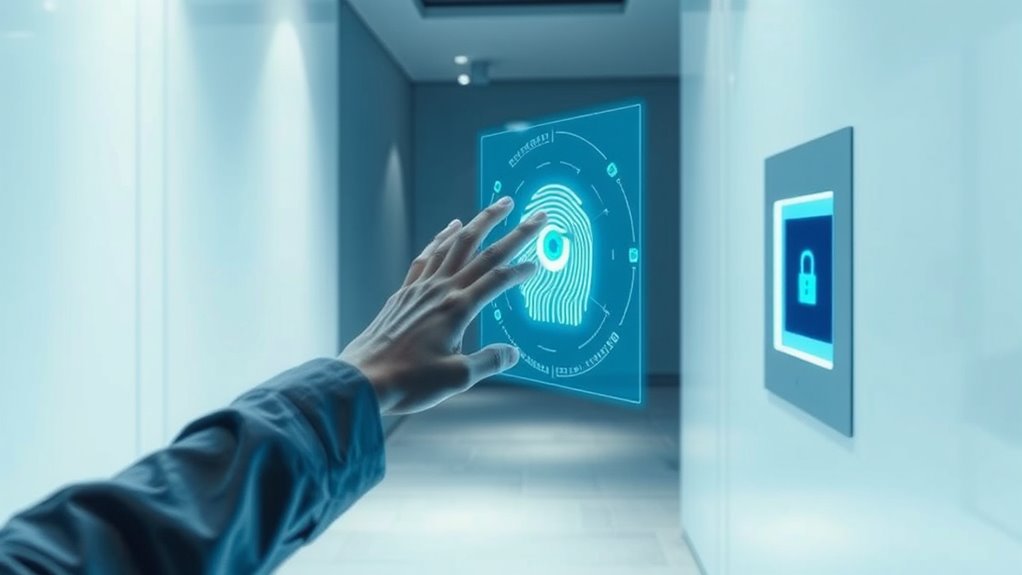
Have you ever wondered if there’s a safer, more convenient way to log into your accounts? Traditional passwords have long been the go-to method, but they come with vulnerabilities—weak passwords, reuse, and the risk of theft. The future of passwordless authentication aims to eliminate these issues by offering more secure, user-friendly options. Biometric security is at the forefront of this shift, allowing you to authenticate using unique physical traits like your fingerprint, face, or iris. This method not only speeds up login times but also makes it harder for hackers to impersonate you. Instead of remembering complex passwords, you simply present your biometric data, which is difficult to replicate or steal. This approach reduces the chances of account compromise considerably.
Biometric security offers faster, more secure login by using unique physical traits instead of traditional passwords.
Alongside biometric security, token authentication plays an essential role in advancing passwordless solutions. Token authentication involves using a physical device or a digital token to verify your identity. For example, you might receive a one-time code on a secure app or a hardware token that generates unique passwords each time you log in. This method adds an extra layer of security because even if someone manages to steal your password, they still need the physical token or access to your device to complete the login. Many organizations are adopting multi-factor authentication (MFA), combining biometric data with token authentication to create robust security protocols that are both seamless and resistant to cyberattacks.
The integration of biometric security and token authentication is setting the stage for a future where passwords could become obsolete. Imagine walking up to your device, and instead of typing a password, you just look into the camera or place your finger on a sensor. This process is fast, intuitive, and less prone to errors or forgetting credentials. As technology advances, biometric sensors are becoming more accurate and widespread, making this method practical for everyday use. Meanwhile, tokens are evolving from physical devices to digital solutions, such as app-based authenticators, which provide flexibility without sacrificing security. Combining these technologies creates a layered defense, making unauthorized access almost impossible.
In the future, you’ll likely see a shift from traditional passwords to integrated systems that use biometrics and tokens together. These innovations will streamline your login experience, reduce friction, and enhance security. As companies continue to innovate, expect more secure, convenient, and personalized ways to access your digital world—no passwords needed. Instead, you’ll rely on your unique physical traits and secure tokens, making digital identity theft much more difficult while simplifying your everyday interactions online. Passwordless authentication is rapidly becoming a standard in cybersecurity, leveraging advanced technology to protect users better.
As an affiliate, we earn on qualifying purchases.
Frequently Asked Questions
How Does Passwordless Authentication Impact User Privacy?
Passwordless authentication can enhance your privacy by reducing reliance on traditional passwords, but it also involves biometric data, which raises concerns about security and consent. You might worry about your biometric data being stored or misused, potentially compromising your user anonymity. While it aims to protect your identity, it is crucial to select systems that prioritize secure biometric data handling to truly safeguard your privacy.
What Are the Costs Associated With Implementing Passwordless Systems?
When considering the costs associated with implementing passwordless systems, you should conduct a thorough cost analysis to understand the full scope. Implementation expenses can include upgrading infrastructure, integrating new authentication methods, and staff training. While initial investments might seem high, they often lead to long-term savings through reduced password management costs and improved security. Be prepared for ongoing maintenance and potential troubleshooting to guarantee smooth operation.
How Do Passwordless Methods Compare in Security to Traditional Passwords?
You’ll find that passwordless methods often provide stronger security than traditional passwords. They rely on multi-factor security, combining biometric reliability like fingerprint or facial recognition with device authentication, making it harder for hackers to breach. Unlike passwords, which can be stolen or guessed, these methods offer a more secure, seamless experience. This enhanced security helps protect your data without sacrificing convenience, making passwordless systems a smart choice.
Can Passwordless Authentication Be Integrated With Existing Legacy Systems?
You can definitely integrate passwordless authentication with legacy systems, but it requires careful attention to technical compatibility. You’ll need to implement gateways or APIs that bridge new authentication methods with existing infrastructure. This process guarantees seamless legacy system integration, allowing you to enhance security without overhauling your entire setup. While it might involve some initial adjustments, the improved security and user experience make it a worthwhile investment.
What Are Potential Legal and Regulatory Challenges for Passwordless Tech?
You need to consider legal compliance and regulatory hurdles when implementing passwordless technology. These challenges include ensuring data protection laws like GDPR and CCPA are met, as well as navigating industry-specific regulations. You might face issues with user consent, data storage, and security standards. Addressing these legal and regulatory concerns upfront helps you avoid penalties, build trust, and ensure your passwordless systems operate smoothly within the legal framework.
Conclusion
You might worry that going passwordless means sacrificing security, but that’s not true. Modern methods like biometrics and device-based authentication actually offer stronger protection against hacking than traditional passwords. Embracing this shift not only simplifies your login experience but also boosts your security. Don’t let outdated methods hold you back—future-proof your digital life today by adopting passwordless authentication. It’s safer, easier, and ready to meet your needs now and in the future.
Halloween Picks
halloween
As an affiliate, we earn on qualifying purchases.