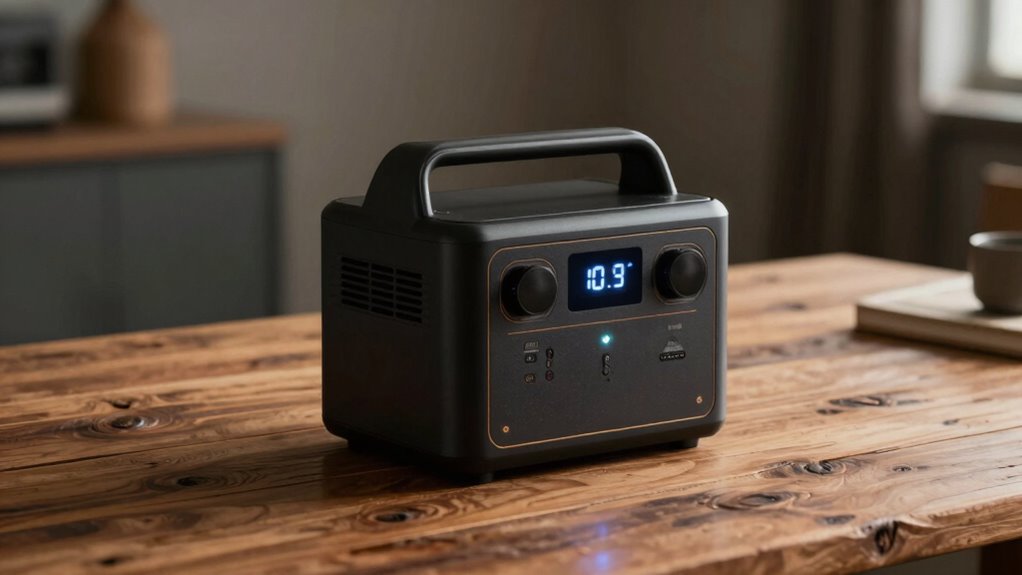

Your portable power station loses energy even when you’re not using it due to natural battery discharge and parasitic loads from internal components. Environmental factors like heat or cold can speed up this process, and complex chemical reactions within the battery also play a role. Proper storage, regular maintenance, and energy-saving features help minimize energy loss. If you want to discover more ways to keep your power station efficient, there’s plenty to learn ahead.

Get the latest gadgets delivered free — and shop member deals
- Fast, free delivery on millions of items
- Access to Prime Big Deal Days deals on October 6–7
- Prime Video, Amazon Music and more included
Key Takeaways
- Internal chemical reactions cause natural self-discharge, leading to energy loss even when the power station is idle.
- Parasitic loads from circuitry and displays continuously draw small amounts of power.
- Environmental factors like heat accelerate chemical processes, increasing battery self-discharge.
- Inactive internal components remain active, contributing to gradual energy depletion over time.
- Proper storage and power management features can minimize unnecessary energy loss during inactivity.
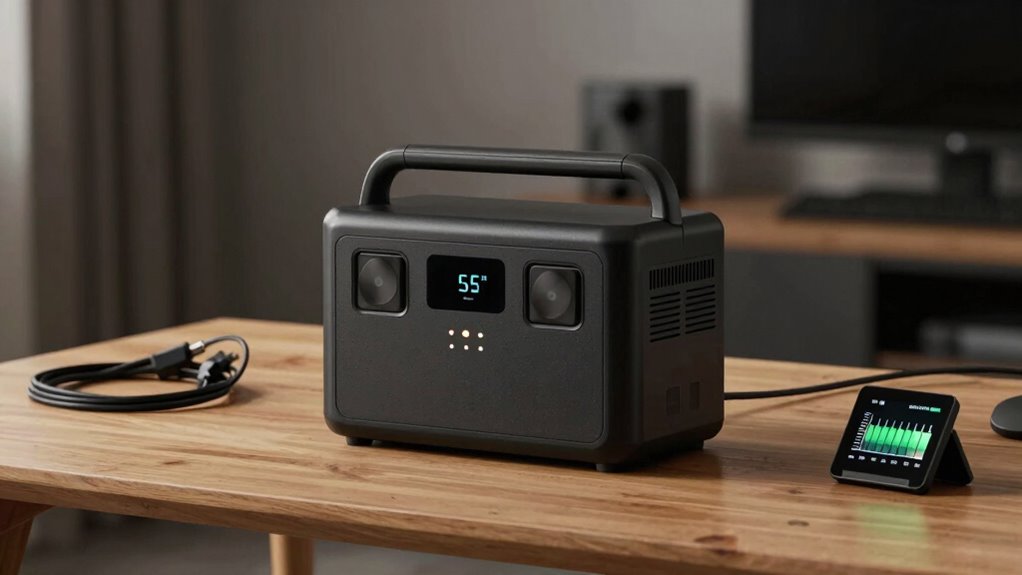
Have you ever wondered why your portable power station seems to drain faster than expected? It’s frustrating to see your device lose energy even when you’re not actively using it. This phenomenon often puzzles users, but understanding the underlying reasons can help you better manage your power station’s battery storage and improve energy efficiency. Many factors contribute to this energy drain, starting with the way batteries naturally discharge over time. All rechargeable batteries, including those in portable power stations, experience a slow loss of charge even when idle. This is called self-discharge, and it happens because of internal chemical processes within the battery. Although manufacturers design batteries to minimize this effect, it still results in some energy loss during periods of inactivity.
Batteries naturally lose charge over time due to internal chemical processes, even when idle.
Beyond self-discharge, your power station might be losing energy due to parasitic loads—small amounts of power consumed by internal components like circuitry, displays, or charging ports that remain active even when not in use. These minor drains can add up over days or weeks, reducing your overall battery storage capacity without you realizing it. Additionally, environmental factors such as temperature can influence how quickly your power station loses energy. Extreme heat accelerates chemical reactions within the battery, increasing self-discharge rates, while cold temperatures can temporarily reduce battery efficiency, leading to unexplained power loss. Understanding battery chemistry and its effects can help you take better care of your device. Proper storage conditions and understanding internal chemical processes can further help in maintaining your battery’s health. Being aware of internal chemical reactions and how they impact your battery’s performance allows you to adopt better storage and usage habits. To improve energy efficiency and minimize energy loss, it’s essential to understand how your device manages power. Many portable power stations are equipped with features designed to conserve energy, such as automatic shutoff or low-power modes, which you should activate when the station isn’t in use. Storing your power station in a cool, dry place also helps maintain battery health and reduces unnecessary energy drain caused by temperature fluctuations. Regularly monitoring the battery’s charge level and recharging it before it drops too low can prevent deep discharges that strain the battery’s lifespan. Recognizing parasitic loads can help you identify hidden energy drains that contribute to overall inefficiency. Being mindful of battery degradation over time can also help you plan for replacements or maintenance to ensure optimal performance.
Ultimately, managing your portable power station’s battery storage carefully can extend its operational life and ensure you’re getting maximum energy efficiency. Even when you’re not actively using it, small energy drains occur naturally, but understanding these processes empowers you to take steps to mitigate them. Proper storage, routine maintenance, and awareness of internal and external factors will help you keep your power station functioning optimally for longer periods. By doing so, you’ll make smarter use of your device’s energy, reducing waste and ensuring you have reliable power whenever you need it.
portable power station battery monitor
As an affiliate, we earn on qualifying purchases.
As an affiliate, we earn on qualifying purchases.
Frequently Asked Questions
Do All Portable Power Stations Lose Energy When Idle?
Yes, all portable power stations lose some energy when idle due to battery degradation and charging cycles. Over time, their batteries slowly discharge even when not in use, which is normal. Frequent charging and discharging accelerate battery wear, reducing overall capacity. To minimize energy loss, store your power station in a cool, dry place and avoid unnecessary charging cycles. Proper maintenance extends the lifespan and efficiency of your device.
How Much Energy Do They Typically Lose Over Time?
Sure, your portable power station’s secretly sipping energy while idle, losing about 1-5% monthly—just enough to keep you guessing. Thanks to battery degradation, it gradually declines in capacity, making energy conservation a game of patience. So, don’t be surprised if your station’s “full” indicator lies, or if your gadgets run out of juice faster. It’s nature’s way of reminding you that even in standby, energy’s a sneaky little thief.
Can Storage Conditions Reduce Energy Loss?
Yes, proper storage conditions can reduce energy loss in your portable power station. Keep it in a cool, dry place, away from direct sunlight, to slow down battery degradation. Avoid full charges or discharges during storage, as frequent charging cycles accelerate battery wear. By maintaining ideal conditions, you minimize energy loss and prolong the lifespan of your power station, ensuring it stays ready when you need it most.
Are Newer Models More Energy-Efficient?
Yes, newer models are more energy-efficient, but don’t be fooled—battery degradation still happens over time. These advancements reduce energy loss and improve lifespan, yet no station is immune. You might wonder if renewable alternatives could replace traditional power stations soon. As technology progresses, these options become more viable, promising longer-lasting power with less waste. Stay tuned; the future holds exciting improvements that could change how you power your adventures.
Is It Better to Unplug Them When Not in Use?
Yes, it’s better to unplug your portable power station when not in use. Keeping it plugged in can lead to unnecessary energy drain and potentially shorten its battery lifespan over time due to more charging cycles. Unplugging helps reduce energy loss, preserves battery health, and minimizes wear caused by frequent charging cycles. This way, your power station stays ready when you need it, maintaining best performance and longevity.
Conclusion
So, next time you notice your portable power station’s battery draining even when idle, remember it’s more common than you think. It’s almost like these devices have a mind of their own, quietly losing energy in the background. Keep an eye on your station’s power levels, especially during those unexpected power outages or camping trips. After all, staying prepared means understanding your gear—even the sneaky ways it can lose energy when you least expect it.
Halloween Picks
halloween
As an affiliate, we earn on qualifying purchases.