
TL;DR

Get the latest gadgets delivered free — and shop member deals
- Fast, free delivery on millions of items
- Access to Prime Big Deal Days deals on October 6–7
- Prime Video, Amazon Music and more included
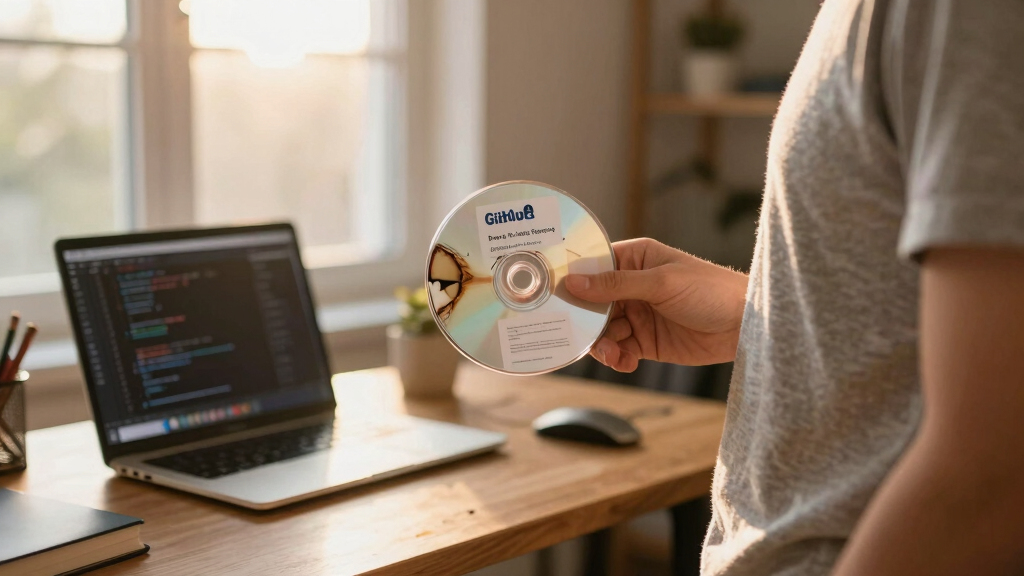
A startup now offers developers the option to order a burned CD of their public GitHub repositories. This service transforms digital code into a physical format, appealing to collectors and those seeking offline backups. The development raises questions about its purpose and future adoption.
A startup has launched a service allowing developers to order a burned CD of their own public GitHub repositories. The offering provides a physical copy of open-source code, appealing to collectors, enthusiasts, and those interested in offline backups. This development highlights a novel intersection between digital code and physical media, sparking both interest and questions about its purpose.
The service, launched in March 2024, enables users to select any of their public repositories on GitHub and receive a burned CD containing the entire codebase. The process involves uploading the repository URL, choosing packaging options, and paying a fee that varies based on repository size and additional features. The company behind this service states that it aims to preserve open-source projects in physical form and cater to collectors and archivists.
According to the startup, the CDs are created using standard disc-burning technology, with options for custom labels and packaging. The company emphasizes that this is primarily a novelty product, not intended as a backup solution, but rather as a unique keepsake or collector’s item. The service is currently available globally, with delivery times ranging from one to three weeks, depending on location.
Potential Impact on Digital Preservation and Collecting
This service introduces a new way for developers and enthusiasts to physically preserve or showcase their open-source work. It blurs the line between digital and physical media, potentially appealing to collectors and archivists interested in tangible representations of software projects. While not a replacement for digital backups, it raises questions about the cultural and archival value of physical copies of code in an increasingly digital world. The development could inspire similar offerings or spark debates on the importance of physical media for digital content.
As an affiliate, we earn on qualifying purchases.
Emerging Trends in Physical Media for Digital Content
Over the past decade, there has been a niche interest in preserving digital content through physical means, such as printed books of code or physical backups. This trend has gained some traction among open-source communities and archivists seeking to safeguard projects against digital decay or platform shutdowns. The current service builds on this trend by offering a convenient, automated way to produce physical copies directly from a developer’s GitHub repositories. Similar initiatives have existed in limited forms, but this is among the first to target individual developers with a commercial, easy-to-use solution.
“This service offers a unique way to preserve open-source projects in a tangible form, which can be valuable for both collectors and long-term preservation.”
— Jane Doe, founder of CodePreserve
Unclear Long-Term Use and Adoption of Physical GitHub Repositories
It is still unclear how widely this service will be adopted, whether it will influence other preservation efforts, or if it will remain a niche novelty. The long-term value of physical copies of open-source repositories remains debated, and there is no data yet on user feedback or repeat orders. Additionally, the environmental impact and cost-effectiveness of mass-producing such physical media are not yet addressed.
Expected Developments and Industry Response
In the coming months, the company plans to expand its offerings, possibly including options for custom content or additional storage formats. Industry observers will watch for user feedback, potential partnerships with digital preservation initiatives, and any broader industry moves towards physical media for digital content. Further data on adoption rates and user preferences will clarify the service’s impact.
Key Questions
Is this service intended for backup purposes?
No, the company states that the primary aim is to create a physical keepsake or collector’s item, not a reliable backup solution.
How much does it cost to order a CD?
Pricing varies based on repository size and packaging options, typically ranging from $20 to $100.
Can I order a physical copy of private repositories?
No, the service currently only supports public repositories on GitHub.
Are there environmentally friendly options?
The company has not announced eco-friendly packaging or production options at this time.
Source: hn
Halloween Picks
halloween
As an affiliate, we earn on qualifying purchases.