Many creators believe telephoto lenses physically flatten or compress backgrounds, but that’s a misconception. The compression effect actually comes from how focal length influences framing, perspective, and perception of depth, not a physical change in the scene. Standing closer with a telephoto can still show perspective effects. Understanding how positioning and framing impact depth will help you create the desired look intentionally. Keep exploring to uncover the true relationship between focal length and perspective.

Get the latest gadgets delivered free with Prime
- Fast, free delivery on millions of items
- Prime Video, Amazon Music and more included
- Member-only deals all year
Key Takeaways
- Telephoto lenses create a compression effect due to perspective changes, not because they physically flatten scenes.
- The perceived “flattening” is influenced by camera position, framing, and scene arrangement, not solely by focal length.
- Wide-angle lenses exaggerate depth, while telephoto lenses reduce it—these effects depend on distance and framing, not just lens choice.
- Standing closer with a telephoto lens can still produce perspective distortion; focal length alone doesn’t determine scene flatness.
- Misconceptions arise when creators assume focal length directly changes scene structure, ignoring the roles of position and perspective.
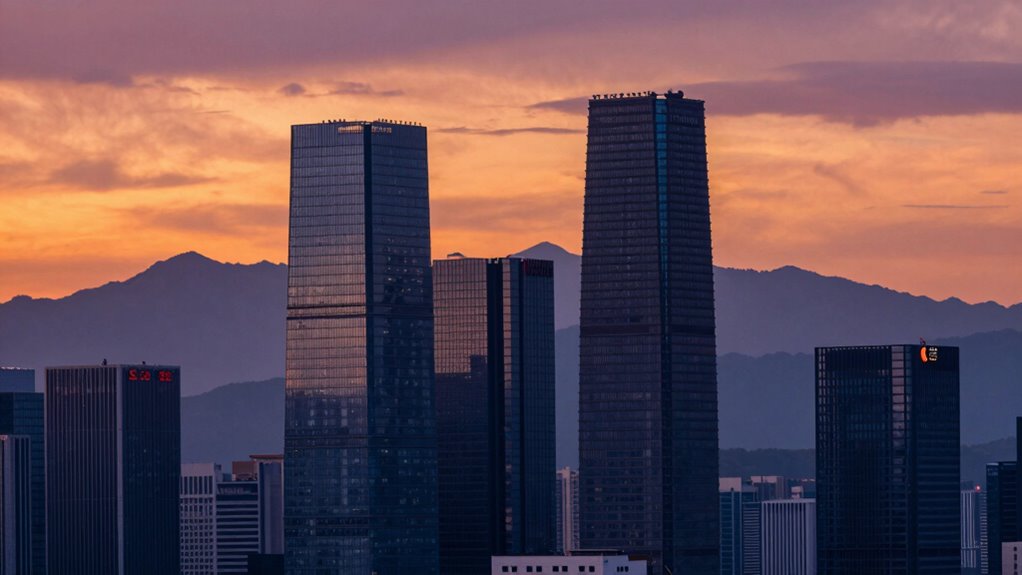
Have you ever heard that using a telephoto lens always compresses the background and makes distant objects appear closer together? This common belief oversimplifies what’s really happening when you change focal lengths. While telephoto lenses do tend to create a sense of compression, it’s important to understand that this effect isn’t solely about the lens itself. Instead, it’s about how focal length influences your perception of depth and perspective distortion. When you switch to a telephoto lens, you’re effectively narrowing your field of view, which alters how your brain perceives depth in the scene. Distant objects seem closer because the relative size differences between foreground and background are reduced, giving that characteristic compressed look. But this doesn’t mean that the lens physically flattens the scene; it’s about the way your brain interprets spatial relationships through the lens’s perspective.
Many creators get confused about what causes this compression. It’s tempting to believe that the lens physically alters reality, but in truth, it’s your perspective that changes. Wide-angle lenses exaggerate depth perception, making foreground objects appear larger and pushing backgrounds further away. Conversely, telephoto lenses lessen this sense of depth, creating a flatter, more compressed scene. This effect is often mistaken for perspective distortion, but perspective distortion refers to how straight lines and proportions are affected by the viewpoint and distance from objects, not just focal length. When you shoot with a telephoto lens from a position closer to a subject, you’ll notice less perspective distortion, which contributes to the sense of compression, but it’s primarily about the way your eye perceives depth. Additionally, understanding focal length effects can help you better predict how your images will appear before you even take the shot. Recognizing the role of perceived depth can also aid in planning your compositions more effectively.
Moreover, being aware of these depth cues can help you avoid common misconceptions and create more intentional compositions, especially when trying to achieve a specific visual effect. Sometimes, the distance between objects can be more impactful on perceived depth than the focal length itself, making it essential for creators to consider their positioning and framing. People often assume that longer focal lengths automatically flatten or compress scenes, but the real factor is how proximity and framing influence depth perception. If you stand close to a subject with a telephoto lens, you’ll still see some perspective effects, just less exaggerated than with a wide-angle lens. This understanding of perspective perception allows creators to manipulate their scenes more intentionally to achieve the desired visual outcome. The key is understanding that focal length changes the framing and perceived spatial relationships, not the physical structure of the scene. So, the myth that telephoto lenses always flatten or compress backgrounds is misleading; it’s about the interplay between your position, framing, and how your brain interprets depth and perspective distortion. Mastering this understanding helps you use focal lengths more intentionally, rather than relying on misconceptions about what lenses do.
As an affiliate, we earn on qualifying purchases.
Frequently Asked Questions
Does Lens Compression Affect Image Sharpness or Clarity?
Lens compression doesn’t directly affect image sharpness or clarity. Instead, it influences the depth illusion and aesthetic impact of your shot. By using a longer focal length, you can make distant objects appear closer and flatter, creating a more dramatic or cinematic look. This effect enhances the overall visual storytelling without sacrificing sharpness, so your images stay crisp while achieving the desired depth and aesthetic appeal.
Can Lens Compression Be Achieved With Any Lens?
Think of your lens as a paintbrush shaping perception; not every brushstroke creates the same depth perception or perspective distortion. Lens compression isn’t achieved with any lens—it’s about focal length and distance. Telephoto lenses, like a magnifying glass, bring distant elements closer, creating a flattened, compressed scene. Wide-angle lenses, on the other hand, exaggerate depth perception. So, choose your lens carefully to craft the emotional story you want to tell.
How Does Sensor Size Influence Perceived Lens Compression?
Sensor size markedly influences perceived depth and lens compression. A larger sensor captures a narrower field of view with a shallower depth of field, enhancing the sense of compression, making distant objects appear closer. Conversely, smaller sensors produce a wider field of view and less perceived compression. So, when choosing lenses, consider your sensor size, as it directly affects how depth and compression are perceived in your images.
Is Lens Compression Solely Determined by Focal Length or Distance?
Did you know that a 50mm lens can create similar compression effects at different distances? Lens compression isn’t solely determined by focal length or distance—it’s about how perspective distortion affects depth perception. When you change your distance from the subject, you alter the perceived depth and compression, regardless of focal length. So, both focal length and distance work together to shape the final look, not just one or the other.
Do Telephoto Lenses Always Produce More Compression Than Wide-Angle Lenses?
No, telephoto lenses don’t always produce more compression than wide-angle lenses. The depth illusion and perspective distortion you see depend on your distance from the subject, not just focal length. Telephoto lenses flatten the background and bring distant objects closer, creating a compressed look. But if you shoot a wide-angle lens from very close, you can also achieve strong perspective distortion, making objects appear exaggerated in size and distance.
Conclusion
Now that you’ve uncovered the myths behind lens compression, remember that understanding your gear is like wielding Excalibur — it’s not about the sword but the skill. Don’t let misconceptions hold you back from capturing true perspective. As with any legend, the real magic lies in your vision, not just the lens’ reputation. So go ahead, experiment boldly, and let your creativity tell its own story beyond the myths.
Halloween Picks
halloween
As an affiliate, we earn on qualifying purchases.