
TL;DR

Get the latest gadgets delivered free with Prime
- Fast, free delivery on millions of items
- Prime Video, Amazon Music and more included
- Member-only deals all year
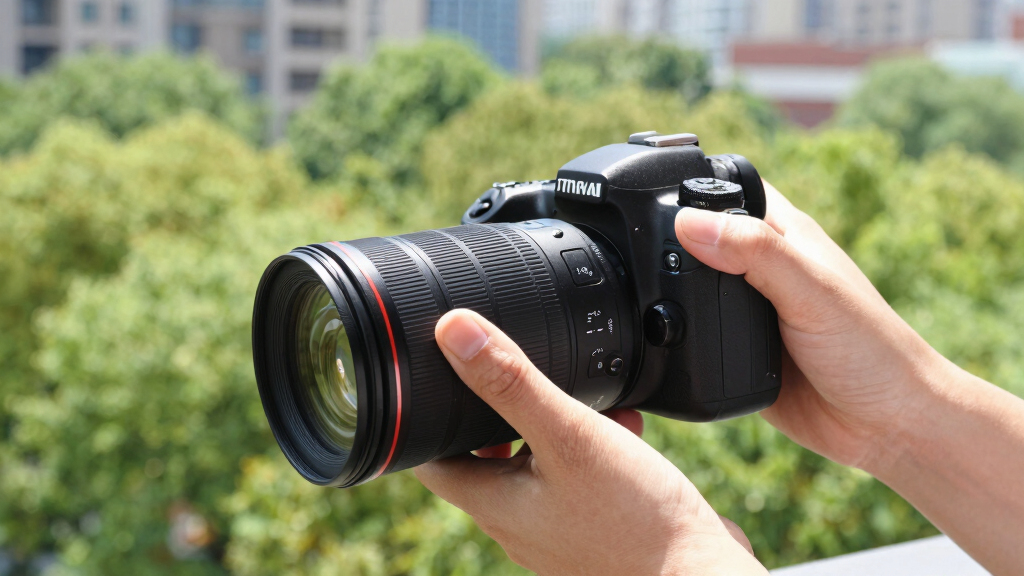
In 2026, new AI-enhanced camera lenses are launching, promising to significantly improve photo quality and ease of use. This development could reshape professional and amateur photography.
Camera lens manufacturers are set to introduce AI-enhanced lenses in 2026, promising to revolutionize image quality and user experience. These lenses incorporate artificial intelligence to optimize focus, exposure, and image processing in real time, marking a significant technological leap. This development is expected to impact both professional and amateur photographers, offering new capabilities and simplifying complex shooting scenarios.
Several leading companies, including Sony, Canon, and Nikon, have confirmed plans to launch AI-integrated lenses in 2026. These lenses will feature embedded AI algorithms capable of analyzing scenes instantly, adjusting focus and exposure dynamically, and providing real-time suggestions to improve composition. Early prototypes demonstrated enhanced autofocus accuracy in challenging lighting conditions and smoother image stabilization, according to industry insiders.
Manufacturers emphasize that these AI features will be seamlessly integrated into existing lens designs, maintaining compatibility with current camera bodies. The AI systems will also learn from user behavior, tailoring adjustments over time to individual shooting styles. While specific models and release dates vary, the consensus is that AI-enhanced lenses will become a standard feature in high-end and mid-range offerings by the end of 2026.
The 6 picks
- 1
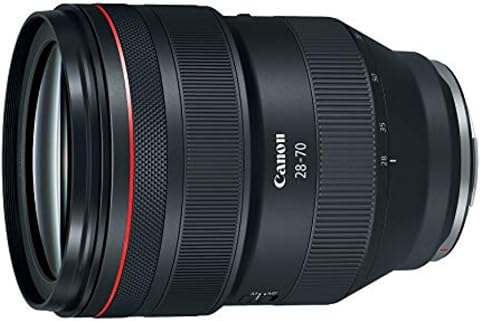 Canon RF28-70mm F2 L USM Lens, Zoom Lens for EOS R Series, BlackView on Amazon →
 - 2
 Sony FE 24-70mm F/2.8 GM II Full Frame E-Mount Standard Zoom LensView on Amazon →
 - 3
 Canon RF 24-70mm F2.8L IS USM Lens for Canon EOS R Series Mirrorless CamerasView on Amazon →
 - 4
 Canon RF 24-105mm f/4L IS USM Zoom Lens for EOS R SeriesView on Amazon →
 - 5
 Canon RF100-400mm F5.6-8 IS USM Telephoto Lens for EOS R Series CamerasView on Amazon →
 - 6
 Canon EF 50mm f/1.8 STM Lens for Canon EOS DSLR CamerasView on Amazon →
Why AI-Enhanced Lenses Will Change Photography
This innovation could dramatically improve image quality, especially in difficult conditions such as low light or fast-moving subjects. For professionals, AI-driven focus and stabilization can reduce post-processing time and improve shot accuracy. For amateurs, these lenses simplify complex settings, making high-quality photography more accessible. The integration of AI also opens new creative possibilities, such as intelligent scene recognition and adaptive adjustments, potentially transforming how photos are captured and shared.
Background on AI in Camera Technology
Artificial intelligence has increasingly been integrated into camera systems, primarily through software features like scene recognition and automatic adjustments. However, the next step involves embedding AI directly into camera lenses, enabling real-time, hardware-level enhancements. Past developments have focused on software updates; now, manufacturers are investing in dedicated AI processors within lenses to achieve faster, more precise control. This shift builds on recent prototypes and industry patents indicating a move toward smarter optical hardware.
While some high-end cameras already feature AI-driven autofocus, the upcoming lenses aim to extend these capabilities directly into the optics, promising a more integrated and user-friendly experience. The move aligns with broader trends in consumer electronics, where AI is used to optimize performance and user interaction across devices.
Unanswered Questions About AI Lens Adoption
It remains unclear how quickly AI-enhanced lenses will become mainstream across different market segments. While high-end models are confirmed for 2026, affordability and compatibility with existing camera systems could influence adoption rates among amateur photographers. Additionally, the extent of AI customization and user control in these lenses is still being defined, with some industry insiders questioning how much automation users will want.
Further details about specific models, pricing strategies, and software updates are expected to emerge as manufacturers finalize their releases.
Next Steps for Manufacturers and Consumers
Manufacturers are expected to announce specific models and release dates throughout 2026, with initial products targeting professional and enthusiast markets. Consumers should anticipate updates on pricing, compatibility, and software features at upcoming trade shows and product launches. As AI-enhanced lenses become available, early adopters will likely test their capabilities in real-world scenarios, providing feedback that could shape future iterations.
Meanwhile, photographers and videographers should monitor industry announcements to understand how these new tools can integrate into their workflows and creative projects.
Key Questions
How will AI-enhanced camera lenses improve my photography?
They will provide real-time scene analysis, improved autofocus, exposure adjustments, and stabilization, resulting in sharper images and easier shooting in challenging conditions.
Are AI-enhanced lenses compatible with existing camera bodies?
Most manufacturers plan to ensure compatibility with current camera models, but some features may require firmware updates or specific camera systems. Details will vary by brand and model.
Will AI features be customizable or automatic?
Manufacturers are still defining user controls, but initial prototypes suggest a combination of automatic adjustments with options for manual override, giving users flexibility.
When will these lenses be available for purchase?
Major brands have announced plans to release AI-enhanced lenses throughout 2026, with some models expected in early to mid-year, depending on development progress.
Will AI-enhanced lenses increase the cost of photography gear?
Yes, the integration of AI technology is likely to add to manufacturing costs, which may be reflected in retail prices. However, the extent of the price increase remains to be seen.
Source: ThorstenMeyerAI.com
Halloween Picks
halloween
As an affiliate, we earn on qualifying purchases.