
📊 Full opportunity report: Independent Retailers And Small-Order Wholesale: How Sourcing Works on IdeaNavigator AI — validation score, market gap, and execution plan.

Get the latest gadgets delivered free with Prime
- Fast, free delivery on millions of items
- Prime Video, Amazon Music and more included
- Member-only deals all year
TL;DR
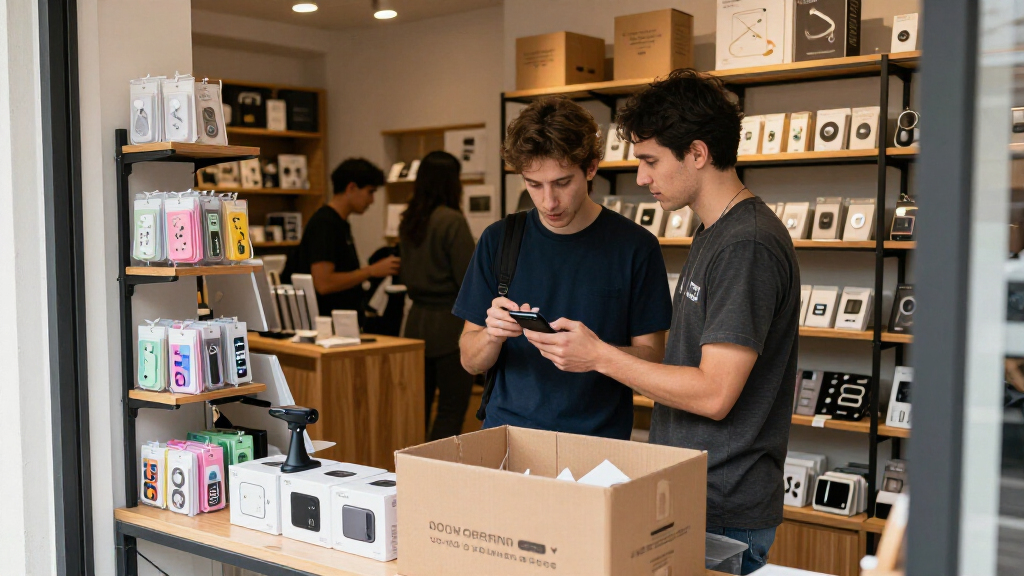
A proposal for a small-order wholesale marketplace targets independent retailers that cannot meet some distributors’ minimum orders. It recommends manually testing trial orders with 20 brands and 50 shops, then measuring how many trials convert to standard reorders within a quarter; no pilot results or operating platform are reported.
IdeaNavigator AI’s proposal outlines a small-order wholesale service that would let independent retailers test new products in quantities as small as five units, addressing a gap for shops unable to meet some distributors’ minimum orders. The proposal is a business concept, not a report of a launched platform or completed trial; it recommends manually arranging orders with 20 brands and 50 shops and tracking whether test purchases lead to standard reorders within a quarter.
According to IdeaNavigator AI’s proposal, the marketplace would create a dedicated lane for trial-size orders. Brands would set lower minimum quantities, while the service would combine fulfillment across orders to make small shipments more workable. Retailers could buy a five-unit assortment, monitor how it sells, and move to a regular wholesale relationship if the test performs well. The proposal does not specify how shipping costs, returns, or unsold inventory would be allocated.
For an initial validation, IdeaNavigator AI recommends brokering orders manually between 20 brands and 50 independent shops, rather than first building a full platform. The proposed main measure is the share of trial orders that become standard reorders within a quarter. The proposal provides no conversion target, results, or confirmed participants.
The suggested business model in the proposal combines a commission on orders with subscriptions for brand-side analytics on trial performance. It does not provide proposed fees, projected revenue, or evidence that brands and retailers have agreed to pay for the service.
A Lower-Cost Way to Test Stock
For independent shops, the proposal addresses a purchasing constraint: a retailer may want to assess customer interest in an unfamiliar product but find a distributor’s minimum order too large for a cautious test. Smaller quantities could let shops try more products while limiting the stock committed to each one. That could matter most to retailers with limited cash, shelf space, or sales data, though the proposal offers no evidence yet that the approach would improve sales or reduce risk.
Brands could also gain a structured way to reach shops that might not place a large opening order. Trial sales data might help them decide which products merit wider distribution. But the value of such data would depend on how consistently sales are tracked and whether results from small shops can support broader decisions.
The operational question is whether consolidated fulfillment can keep the cost of small orders manageable. A five-unit purchase is useful only if shipping, handling, and platform charges do not make it uneconomic for either side. The proposed pilot’s reorder measure tests demand, but alone would not establish whether the service can operate profitably.
Products Worth Considering

Bose QuietComfort Headphones (2nd Gen), Wireless Noise-Cancelling Over-Ear Headphones, Black

Jackery Explorer 300 Portable Power Station, 292Wh

Sony WH-1000XM6 Wireless Noise Cancelling Headphones – Midnight Blue
As an affiliate, we earn on qualifying purchases.
From Marketplace Model to Micro-Orders
IdeaNavigator AI’s proposal points to the existing wholesale-marketplace model as evidence that online platforms can connect brands with retailers. It describes the remaining opportunity as serving genuinely small trial orders, rather than treating the general marketplace model itself as new. The proposal supplies no comparative data or named marketplace results to substantiate how large this gap is.
In the model described by IdeaNavigator AI, conventional distributor minimums and opening orders can make product discovery difficult for a small shop. Retailers may instead rely on trade shows or stick to products they already know. A marketplace offering smaller quantities would change the order size and fulfillment arrangement, not remove the need for brands to supply stock or retailers to judge local demand.
The sequence suggested in the proposal is deliberately limited: broker orders by hand, observe whether trial purchases turn into larger reorders, and use the findings to decide whether software and a broader service are justified. The proposal is therefore best understood as a testable business hypothesis, not a confirmed change in the wholesale sector.
Pilot Results and Costs Remain Unknown
IdeaNavigator AI’s proposal identifies no operating marketplace, participating businesses, or completed pilot. Its proposed 20-brand, 50-shop test is a recommended validation step; it is not evidence that those businesses have signed on. The proposal also does not clarify whether the quarter refers to a fixed period after each trial order or one common measurement window.
Key commercial details remain unspecified in the proposal, including order and subscription fees, minimum quantities by product, shipping arrangements, and who bears the cost of unsold or damaged goods. It gives no baseline reorder rates for comparison, so a future conversion figure would need clearly defined timing and methodology to be meaningful. The proposal also gives no estimate of the number of retailers affected by distributor minimums.
A Manual Trial Is the Proposed Next Step
IdeaNavigator AI proposes manually arranging trial orders between a group of brands and independent shops, then tracking whether those purchases convert to standard wholesale reorders within a quarter. The proposal does not say that this test has begun or give a launch date.
If conducted, the trial would need to report how participants were recruited, what counted as a successful conversion, and the costs of consolidating and shipping small orders. Those details would help distinguish genuine repeat demand from one-off interest and show whether order commissions or analytics subscriptions could support the service. Until results are available, the concept’s demand and commercial viability remain unverified.
Source: IdeaNavigator AI proposal
Key Questions
Has a small-order wholesale platform launched?
IdeaNavigator AI’s proposal does not report a launched platform. It describes a possible marketplace and recommends first testing the idea through manually brokered orders.
How small would the proposed orders be?
The proposal gives a five-unit assortment as an example of a trial order. It does not set a confirmed minimum for every product or brand.
How would the idea be tested?
IdeaNavigator AI recommends a pilot that would broker trial orders between 20 brands and 50 shops and measure conversion to standard reorders within a quarter. The proposal reports no results or confirmed participants.
How might the service make money?
The proposal suggests combining a commission on orders with subscriptions for brand analytics. Fees and willingness to pay have not been established.
Source: IdeaNavigator AI