Chiplets are small, specialized processing units designed to be assembled into a complete CPU, allowing for scalable and customizable performance. Modular CPUs are built by connecting these chiplets using advanced interconnect technologies like silicon interposers or high-speed links. This flexible approach lets you select and upgrade components easily, reduce costs, and improve manufacturing yields. If you want to understand how these pieces come together to create powerful, adaptable processors, keep exploring the details.
Key Takeaways
- Chiplets are small, specialized processor components assembled together to form a complete CPU.
- Modular CPUs are built by integrating multiple chiplets via high-speed interconnects.
- This approach allows customization, scalability, and easier upgrades compared to monolithic designs.
- Interconnect technologies like silicon interposers and EMIB enable reliable high-speed communication between chiplets.
- Manufacturing complex, multi-chiplet CPUs involves precise assembly, advanced packaging, and thermal management.

As the demand for more powerful and flexible computing solutions grows, chiplets and modular CPUs are emerging as game-changers in processor design. These innovations allow you to build high-performance, customizable processors by combining smaller, specialized components. Instead of designing a single monolithic chip, manufacturers now create a collection of smaller modules, or chiplets, that can be interconnected to form a complete CPU. This approach offers notable advantages in scalability, cost, and adaptability, especially as technology nodes shrink and manufacturing complexities increase. However, integrating multiple chiplets introduces unique challenges, particularly around interconnects. Achieving high-speed, reliable communication between these tiny modules requires sophisticated interconnect technologies. As you assemble a modular CPU, you need to guarantee that data flows seamlessly across chiplets without bottlenecks or latency issues. This demands advanced interconnect architectures, such as silicon interposers, high-speed serial links, or embedded multi-die interconnect bridges (EMIB). These solutions help bridge the physical gaps between chiplets and maintain performance, but they also add layers of complexity to the design and manufacturing processes. Manufacturing complexities become more pronounced because each chiplet might be fabricated on different process nodes or even different foundries to optimize performance and cost. Aligning these diverse components accurately during assembly is a delicate process, often requiring precise wafer-level bonding, advanced packaging techniques, and meticulous quality control. These steps increase production costs and time, but they’re essential to guarantee the final product functions correctly. Additionally, thermal management becomes more complicated since multiple chiplets generate heat in close proximity, requiring innovative cooling solutions. Incorporating efficient thermal management strategies is crucial to prevent overheating and ensure long-term reliability of modular CPUs. As you work through these challenges, you realize that the benefits of modular CPUs—such as easier upgrades, better yield, and tailored performance—often outweigh the added complexities. The modular approach allows you to replace or upgrade specific chiplets without redesigning the entire processor, which can markedly reduce costs and development time in the long run. While the interconnect challenges and manufacturing complexities are non-trivial, ongoing advancements in packaging, materials, and interconnect technology continue to push the boundaries of what’s possible. As a result, chiplets and modular CPUs are poised to redefine the future of processor design, offering a flexible, scalable path to meet the evolving demands of computing. In this landscape, understanding the delicate balance between innovation and manufacturing realities is key to harnessing the full potential of these cutting-edge solutions.
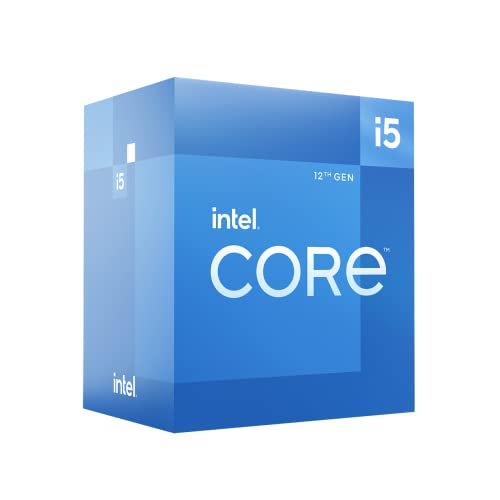
Intel® Core™ i5-12600 Desktop Processor 18MB Cache up to 4.80GHz
- Processor Model: Intel Core i5-12600
- Generation: 12th Generation
- Cache Size: 18MB Cache
As an affiliate, we earn on qualifying purchases.
As an affiliate, we earn on qualifying purchases.
Frequently Asked Questions
How Do Chiplets Impact CPU Manufacturing Costs?
Chiplets help reduce your CPU manufacturing costs by enabling cost reduction and manufacturing scalability. By breaking down complex processors into smaller, standardized modules, you can produce chips more efficiently and with less waste. This modular approach allows you to upgrade or customize parts without redesigning the entire processor, streamlining production and lowering expenses. Overall, chiplets make it easier for you to scale manufacturing while keeping costs manageable.
Can Chiplets Be Reused Across Different CPU Models?
Imagine building with versatile building blocks—you’ll find that chiplets can often be reused across different CPU models, thanks to chiplet compatibility. This cross-platform reuse allows manufacturers to save time and resources, much like assembling various structures with the same set of bricks. While some customization may be needed, reuse becomes feasible, streamlining production and fostering innovation across multiple product lines.
What Are the Main Challenges in Designing Modular CPUS?
You face main challenges in designing modular CPUs, like managing interconnect complexity and achieving design standardization. Interconnect complexity arises from linking chiplets efficiently without latency issues, while standardization guarantees compatibility across different modules. Balancing these factors requires careful planning and innovation. If not addressed properly, they can increase costs, reduce performance, and limit flexibility. You must develop reliable standards and optimize interconnects to build effective, scalable modular CPUs.
How Do Chiplets Affect CPU Performance and Power Efficiency?
Imagine you’re in a spaceship like the Millennium Falcon, optimizing every inch for performance. Chiplets can boost CPU performance by allowing you to scale cores and features efficiently. They also help reduce power consumption and improve thermal management by isolating heat-generating components. This modular approach enables you to design CPUs tailored to specific needs, balancing speed and energy use, ultimately making your system more efficient and reliable.
Are Chiplets Suitable for Emerging Technologies Like AI and Quantum Computing?
Yes, chiplets are suitable for emerging technologies like AI and quantum computing. They offer scalability advantages, allowing you to customize components for specific tasks. However, you should be aware of potential integration complexities that can arise as you combine different chiplets. Despite these challenges, their modular design helps you overcome scalability limitations, making them a promising solution for future AI and quantum computing applications.
Conclusion
In the world of modern CPUs, chiplets are revolutionizing how you build and upgrade your systems. By embracing modularity, you can customize performance and efficiency to suit your needs. Remember, Rome wasn’t built in a day—nor is a perfect processor. As technology advances, expect chiplets to make CPUs more adaptable and future-proof, proving that sometimes, breaking things down is the best way to build something extraordinary.